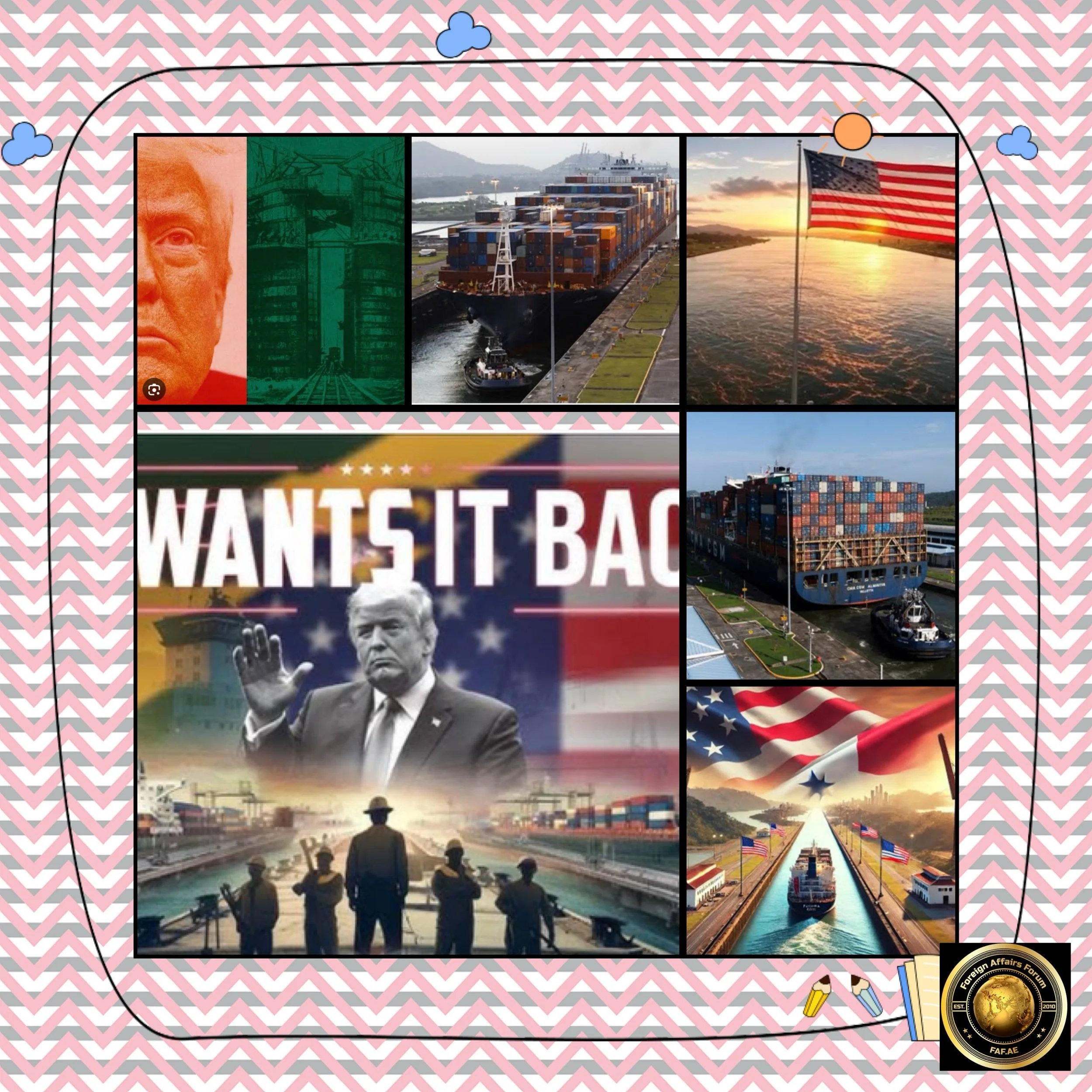
Trump’s Panama Canal Gambit: A High-Stakes Test of American Hardball Diplomacy
Introduction
The Latest Developments
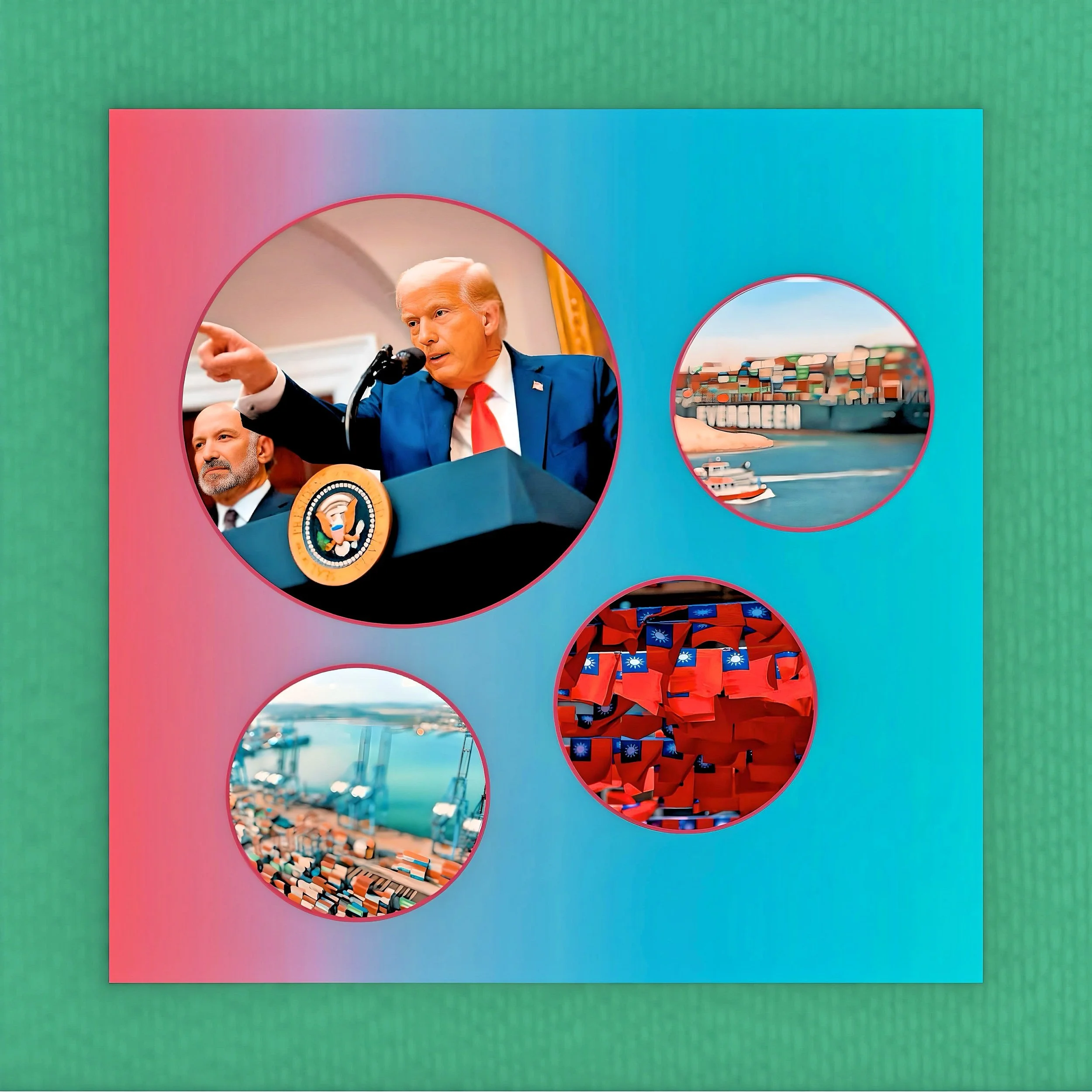
President Trump’s March 2025 congressional address marked a significant escalation in his campaign to “reclaim” the Panama Canal.
His declaration that “we’re taking it back” coincided with a $22.8 billion deal by BlackRock-led investors to acquire ports at both ends of the canal from Hong Kong-based CK Hutchison Holdings.
This move, which Trump celebrated as evidence of his administration’s progress, represents the most tangible step toward reducing Chinese commercial presence around the strategic waterway.
The pressure campaign has yielded several concrete results. Panama formally withdrew from China’s Belt and Road Initiative in February 2025, making it the first Latin American country to exit the program.
President José Raúl Mulino, facing mounting U.S. pressure, also agreed to new military cooperation arrangements allowing American forces to conduct training exercises on Panamanian territory without establishing permanent bases.
Most recently, joint U.S.-Panama military exercises called “Panamax Alpha 2025” took place in July, involving helicopter operations and security training near the canal.
However, these diplomatic victories have come at a cost.
Mulino’s approval ratings have plummeted from 84% in October 2024 to 58% by January 2025, and further polling suggests he has become increasingly unpopular as public opposition to U.S. pressure mounts.
The president faces accusations of capitulating to American demands while sacrificing Panama’s sovereignty.
Implications for the Trump Administration
Trump’s Panama strategy reflects a broader “America First” approach to hemispheric security, extending beyond the canal to include threats against Greenland and Canada.
The administration’s success in securing Panama’s withdrawal from the BRI and the BlackRock ports deal demonstrates the effectiveness of economic coercion backed by implicit military threats.
Yet this approach carries significant risks. The aggressive tactics have triggered nationalist backlash in Panama and reminded Latin American nations of past U.S. military interventions.
As one analysis notes, “this all-stick, no-carrot approach is not going to work in South America, which is much more economically dependent on China”. The strategy may force regional governments to choose between caving to U.S. pressure or deepening ties with Beijing.
The BlackRock deal, while symbolically important, faces regulatory hurdles. Panama’s government is conducting an audit that has revealed CK Hutchison owes approximately $300 million in unpaid fees, potentially complicating the transaction.
Chinese regulators have also initiated antitrust reviews, and Beijing is reportedly demanding that its state-owned shipping giant COSCO receive an equal stake in any final agreement.
Impact on Panama
For Panama, Trump’s threats represent an existential challenge to national sovereignty. The canal generates approximately 4% of the country’s GDP directly and serves as a symbol of national pride following its transfer from U.S. control in 1999.
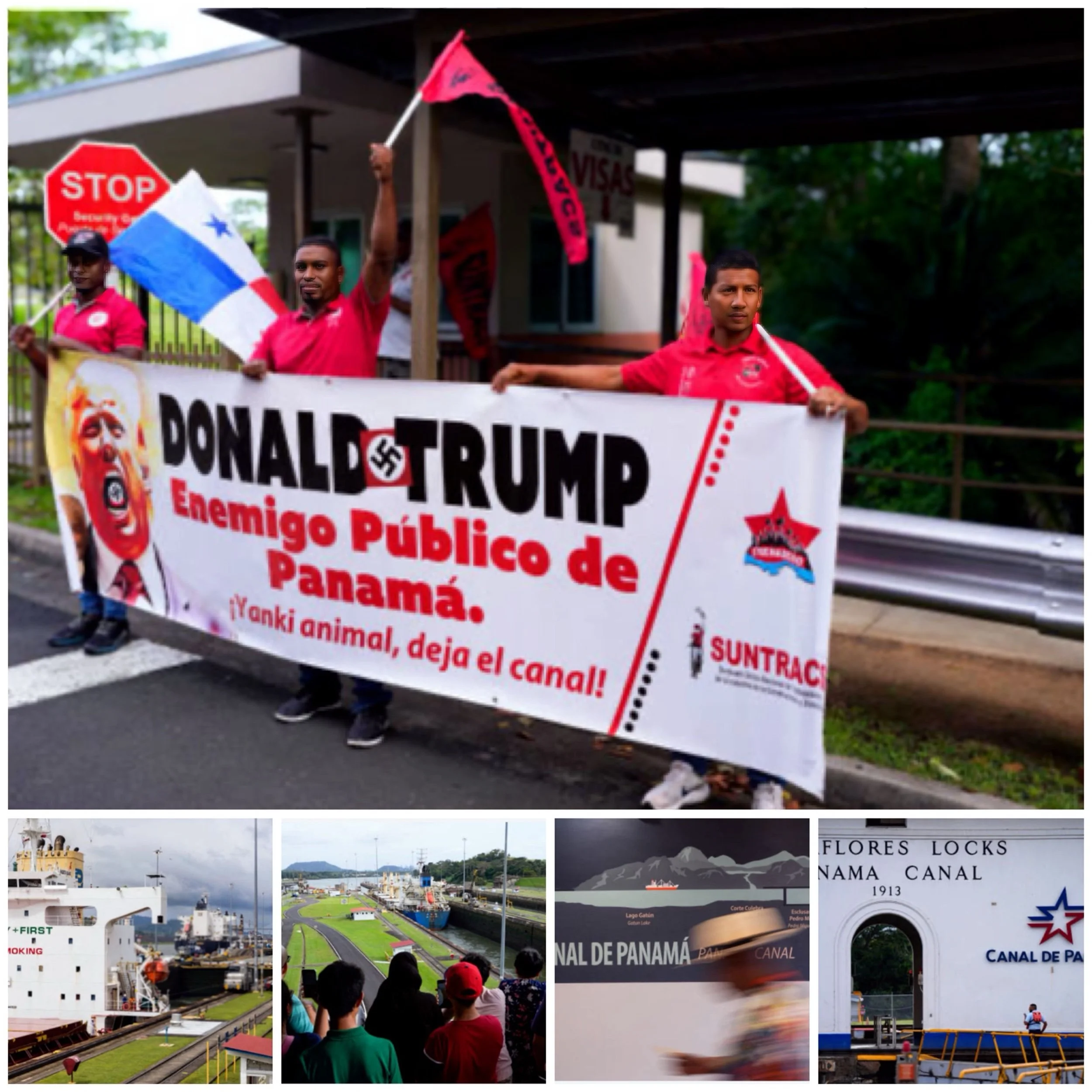
Mulino’s government finds itself trapped between American demands and domestic opposition, with protestors viewing the military cooperation agreements as a betrayal of sovereignty.
The president’s political position continues to deteriorate as he makes concessions to Washington.
Beyond exiting the BRI and allowing U.S. military exercises, Panama has also tightened migration controls through the Darién Gap and placed Chinese port concessions under review.
These measures have sparked criticism that Mulino is sacrificing Panama’s independence to appease Trump.
The canal’s operational neutrality, guaranteed by Panama’s constitution and international treaties, remains a cornerstone of the country’s position. Officials consistently reject Trump’s claims that China “operates” the canal, noting that it is managed exclusively by the autonomous Panama Canal Authority.
China’s Strategic Response
Beijing has responded to Trump’s pressure campaign with a mixture of diplomatic protests and economic leverage.
Chinese officials have condemned what they term U.S. “coercion” in Latin America while denying any interference in canal operations.
The foreign ministry emphasized that “China does not engage in the management or operation of the canal and has never meddled in its affairs”.
More significantly, China appears to be using the BlackRock deal as a test case for Hong Kong’s business autonomy.
Chinese state media has criticized CK Hutchison for “betraying” national interests, while regulators have launched antitrust investigations.
Reports suggest President Xi Jinping was displeased that the company did not seek Beijing’s approval for the sale, viewing the Panama ports as potential bargaining chips with Trump.
China’s demand that COSCO receive an equal stake in any final agreement represents a direct challenge to Trump’s narrative of “reclaiming” the canal from Chinese influence.
This standoff has created uncertainty about whether the BlackRock deal will ultimately be completed, potentially undermining one of Trump’s signature foreign policy achievements.
Global Implications
The Panama Canal dispute has broader significance for international trade and geopolitical competition.
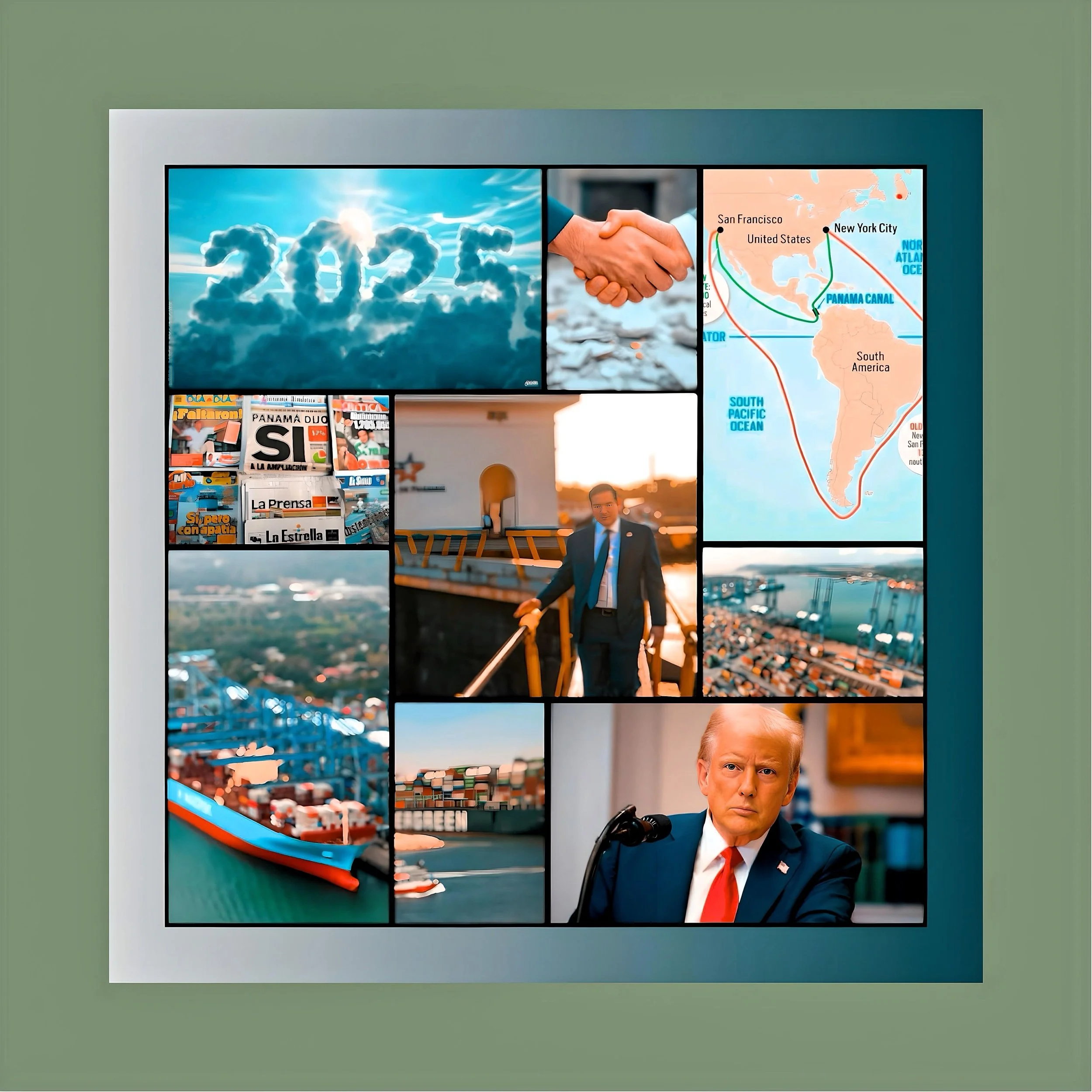
The waterway handles approximately 5% of global maritime trade and 40% of U.S. container traffic, worth roughly $270 billion annually.
Any disruption to its operations or changes to its neutral status could significantly impact global supply chains.
Trump’s threats have raised concerns about the stability of international agreements and the U.S. commitment to multilateral institutions.
The aggressive approach toward Panama echoes historical patterns of American intervention in Latin America, potentially damaging U.S. credibility and soft power in the region.
For the international business community, the dispute highlights the growing risks of operating in strategically sensitive sectors amid U.S.-China competition.
The controversy over CK Hutchison’s port sale has raised questions about whether Hong Kong companies can operate independently without political interference from Beijing.
The canal dispute also reflects broader trends toward economic nationalism and the weaponization of trade infrastructure.
As one analyst noted, Trump’s approach signals that “decades of U.S. commerce financing China’s growth and strategic footprint in the Americas is over”.
Looking Ahead
The Panama Canal remains a critical test of Trump’s confrontational diplomacy. While the administration has achieved tactical victories through economic pressure, the long-term success of this approach remains uncertain.
The strategy has weakened Mulino’s government while potentially driving other Latin American nations closer to China.
The fate of the BlackRock deal will serve as an important indicator of whether Trump can effectively counter Chinese influence through economic means.
If Beijing successfully blocks or complicates the transaction, it could undermine the administration’s claims of progress while demonstrating China’s continued leverage over global infrastructure assets.
Ultimately, Trump’s Panama policy represents a high-stakes gamble that American economic and military pressure can reshape regional geopolitics.
As the article’s title suggests, this approach to hardball diplomacy with Panama has historical precedents – and as history shows, such tactics often backfire, creating new opportunities for rival powers to expand their influence.
The canal dispute thus stands as a critical test of whether Trump’s “America First” approach can successfully navigate the complexities of 21st-century great power competition.