Analysis of Tucker Carlson’s Interview with Iranian President Masoud Pezeshkian: Strategic and Geopolitical Implications
Foreward
The Tucker Carlson interview with Iranian President Masoud Pezeshkian represents a pivotal moment in U.S.-Iran relations, coming at a time when tensions between Washington and Tehran have reached unprecedented levels following the 12-day conflict between Israel and Iran.
FAF comprehensive analysis examines the strategic implications of this diplomatic outreach and its broader meaning for American national security, European relations, and global nuclear governance.
Context and Timing of the Interview
The interview was conducted and released on July 7, 2025, just weeks after the conclusion of what President Trump termed “the 12-day war” between Israel and Iran.
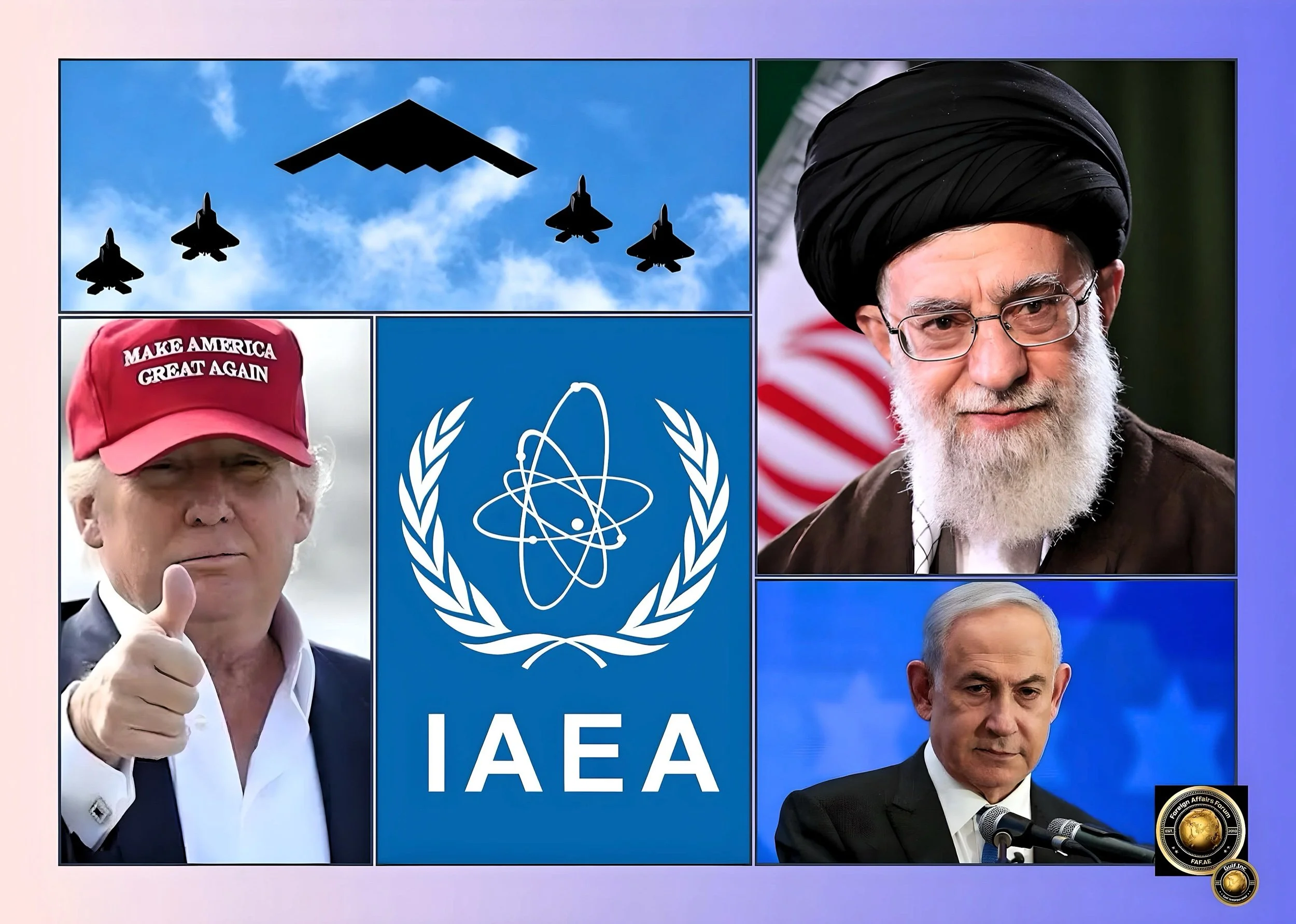
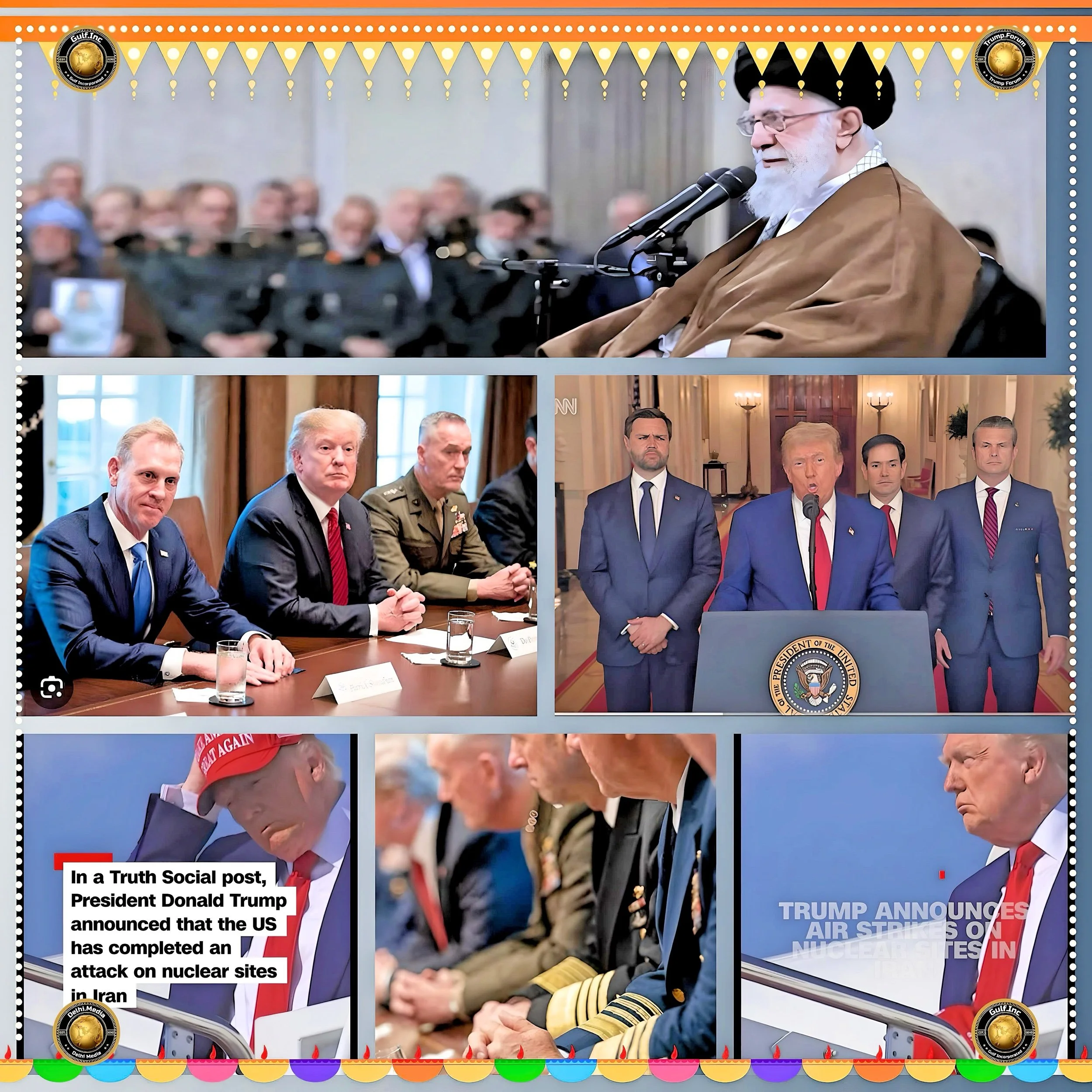
This conflict culminated in direct U.S. military intervention when Trump authorized Operation Midnight Hammer, deploying seven B-2 stealth bombers to attack three Iranian nuclear facilities with 30,000-pound bunker-buster bombs—marking the first operational use of the GBU-57 Massive Ordnance Penetrator.
The timing of Pezeshkian’s media appearance signals Tehran’s recognition that traditional diplomatic channels have been severely damaged by the military confrontation.
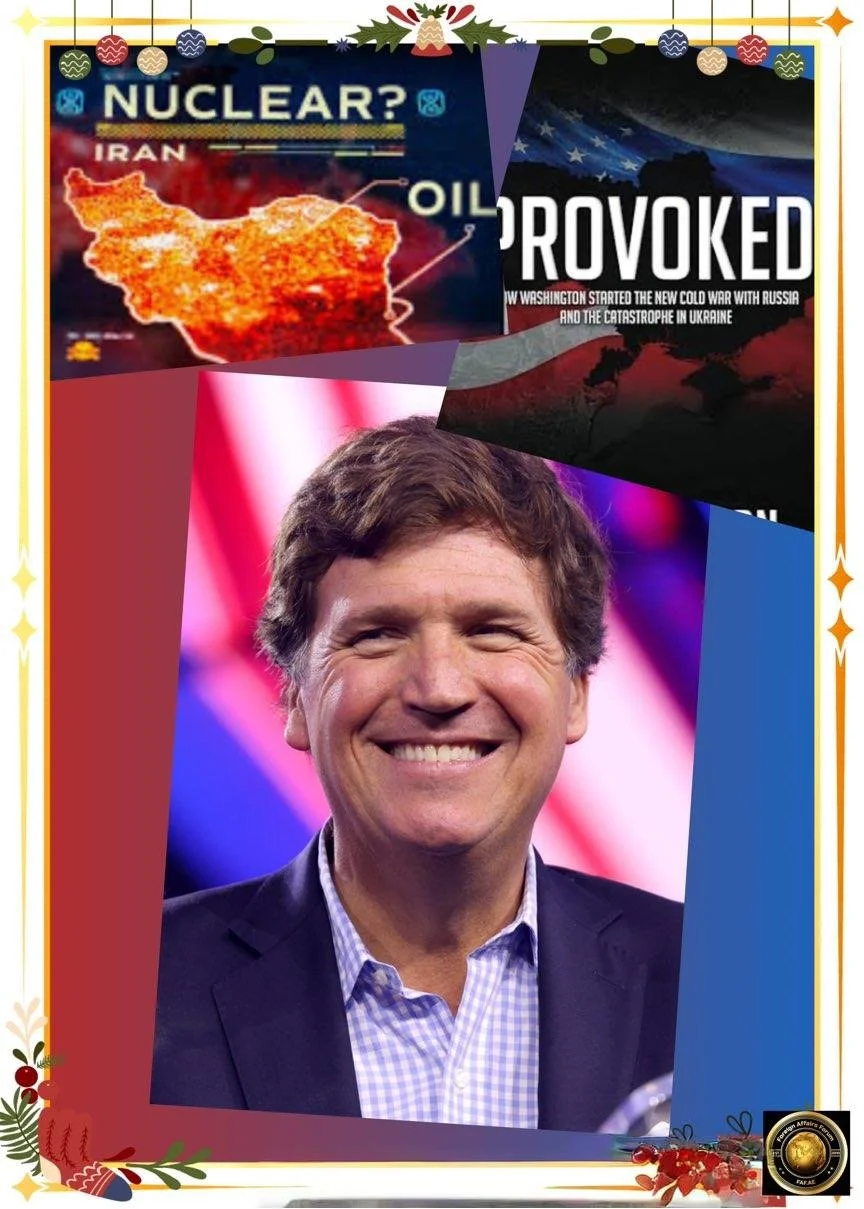
By choosing Tucker Carlson, a figure known for his “America First” foreign policy stance and skepticism of foreign interventions, Iran appears to be attempting to appeal directly to Trump’s political base and isolationist constituencies.
Key Claims and Their Strategic Significance
Nuclear Program Denials
Pezeshkian’s most significant claim during the interview was his categorical denial that Iran has ever pursued nuclear weapons: “We have never been after developing a nuclear bomb, not in the past, not presently, or in the future because this is wrong”.
This assertion directly contradicts intelligence assessments from the International Atomic Energy Agency (IAEA), which reported that Iran has stockpiled approximately 400 kilograms of highly enriched uranium and has been enriching uranium to 60 percent—just short of the 90 percent weapons-grade threshold.
The IAEA’s June 2025 report explicitly states that Iran has ceased cooperation with inspectors and that “the significantly increased production and accumulation of highly enriched uranium by Iran, the only non-nuclear-weapon State to produce such nuclear material, is of serious concern”.
This contradiction between Pezeshkian’s public statements and documented evidence suggests a strategic messaging campaign designed to undermine support for continued international pressure.
Assassination Allegations
Perhaps most dramatically, Pezeshkian claimed that Israel attempted to assassinate him during the conflict: “They did try, yes. They acted accordingly, but they failed”. While providing no evidence for this claim, the assertion serves multiple strategic purposes: it portrays Iran as the victim of Israeli aggression, justifies Iran’s military responses, and personalizes the conflict in ways that could garner international sympathy.
Diplomatic Openings and Conditions
Despite the military confrontation, Pezeshkian expressed willingness to negotiate with the Trump administration, stating that “the doors of diplomacy will never slam shut”.
However, he set significant preconditions, demanding that the U.S. rebuild trust after authorizing strikes during ongoing negotiations: “How are we going to trust the United States again? We reentered the negotiations, then how can we know for sure that in the middle of the talks the Israeli regime will not be given permission, again, to attack us?”
America’s Show of Force and Strategic Implications
The U.S. military demonstration that preceded this diplomatic outreach represents one of the most sophisticated long-range strike operations in American military history.
Operation Midnight Hammer involved over 125 aircraft, including seven B-2 stealth bombers flying an 18-hour mission from Missouri to Iran, supported by aerial refueling tankers, fighter escorts, and electronic warfare assets.
Technical and Strategic Impact
The operation demonstrated several key American capabilities.
Undetected Penetration
U.S. bombers entered Iranian airspace without detection, with Iranian air defenses failing to engage throughout the mission
Precision Strike Capability
The use of 30,000-pound bunker-buster bombs specifically designed to destroy deeply buried facilities showcased America’s unique ability to target hardened underground sites
Global Reach
The 18-hour flight demonstrated the U.S. military’s ability to project power globally from continental bases without forward deployment
However, intelligence assessments suggest the strikes may have achieved less than Trump’s public claims.
Initial Defense Intelligence Agency reports indicated the strikes set back Iran’s nuclear program by only months, not years, with much of Iran’s enriched uranium stockpile and centrifuge infrastructure remaining intact.
Implications for Trump’s Foreign Policy
The military action against Iran creates significant tensions within Trump’s stated “America First” foreign policy framework.
While Trump campaigned on ending “forever wars” and reducing foreign entanglements, the Iran strikes represent a major escalation that could draw the U.S. into prolonged Middle Eastern conflicts.
The operation reveals the influence of hawkish advisors over Trump’s isolationist instincts, with sources indicating that figures like Marco Rubio and defense officials successfully advocated for military action against initial resistance from Trump’s isolationist base.
This internal division could have lasting implications for Trump’s foreign policy consistency and political coalition.
European and IAEA Response
A Crisis of Nuclear Governance
The European response to both the military strikes and Iran’s subsequent suspension of IAEA cooperation reveals deep concerns about the breakdown of multilateral nuclear governance frameworks.
European Diplomatic Concerns
European powers, particularly Germany, France, and the UK (the E3), have expressed alarm at Iran’s suspension of IAEA cooperation. German Foreign Ministry spokesman Martin Giese called the decision a “disastrous signal,” emphasizing that cooperation with the IAEA is “crucial” for diplomacy to succeed. French President Emmanuel Macron has warned that without a solid nuclear deal, European powers would begin the process of re-imposing UN sanctions through the “snapback” mechanism.
The E3’s threat to trigger the snapback mechanism represents a critical escalation in diplomatic pressure. Under UN Security Council Resolution 2231, any signatory to the original nuclear deal can automatically reimpose all UN sanctions on Iran without the possibility of a veto by Russia or China. However, this mechanism expires in October 2025, creating a narrow window for European action.
IAEA Crisis and Inspection Collapse
Iran’s suspension of IAEA cooperation, formalized through legislation signed by President Pezeshkian on July 2, 2025, represents a fundamental breakdown in international nuclear monitoring.
The law requires approval from Iran’s Supreme National Security Council for any future IAEA inspections and demands security guarantees for Iranian nuclear facilities and scientists.
This suspension has created what experts describe as a “black box” situation, where the international community loses visibility into Iran’s nuclear activities at precisely the moment when tensions are highest.
IAEA Director General Rafael Grossi has been denied access to bombed facilities, making it impossible to assess the true extent of damage or Iran’s remaining capabilities.
Implications for Global Nuclear Governance
The Iran crisis exposes fundamental weaknesses in the international nuclear nonproliferation regime. The collapse of inspections, combined with Iran’s continued enrichment activities, creates a dangerous precedent for other potential nuclear aspirants.
The crisis also highlights the limitations of the NPT framework when faced with a state that maintains technical compliance while approaching weapons capability.
Iranian Strategic Calculations and Regional Implications
Iran’s post-conflict strategy appears focused on several key objectives:
Narrative Warfare and Information Operations
The Carlson interview represents sophisticated information warfare designed to influence American public opinion.
By using language that appeals to Trump’s base—including references to “forever wars” and criticism of American military interventions—Iran seeks to exploit divisions within American political discourse.
The interview’s emphasis on diplomacy and Iran’s peaceful intentions contrasts sharply with the regime’s actions, suggesting a deliberate strategy to create cognitive dissonance among American viewers.
Escalation Management
Despite issuing religious decrees (fatwas) against Trump and Netanyahu, Iran appears to be managing escalation carefully.
The fatwas, issued by Grand Ayatollah Naser Makarem Shirazi and other senior clerics, declare both leaders “enemies of God” and call for their elimination.
However, President Pezeshkian’s public distancing from these decrees during the Carlson interview suggests internal debates about escalation management.
Regional Proxy Coordination
Intelligence assessments indicate that Iran’s traditional “axis of resistance” network has been severely weakened by the conflict.
Hamas has been effectively neutralized, Hezbollah has been significantly degraded, and other proxy groups appear either unable or unwilling to meaningfully support Iran.
This isolation may be driving Iran’s diplomatic outreach, as military options appear increasingly limited.
Sleeper Cell Threats and Domestic Security Implications
The Department of Homeland Security has issued heightened threat warnings regarding potential Iranian sleeper cell operations within the United States.
call Independent Following the nuclear strikes, DHS Secretary Christy Noem conducted urgent calls with governors and law enforcement agencies, warning of potential retaliatory attacks on American soil.
Scale of the Threat
Intelligence sources indicate that over 1,200 Iranian nationals entered the United States illegally during the Biden administration, with nearly 50% released into the country.
Since the nuclear strikes, ICE has arrested over 130 Iranian nationals, bringing the total in custody to approximately 670. Former FBI special agent Jonathan Gilliam warns that sleeper cells may be targeting rural areas as “soft targets” that are “not well protected”.
Historical Context and Patterns
Iran’s use of assassination plots against American officials has precedent dating back to the 2020 killing of Qasem Soleimani.
The Justice Department has documented multiple Iranian plots against Trump administration officials, including a November 2024 indictment charging an Iranian operative with planning to assassinate Trump before the election.
These patterns suggest a systematic Iranian strategy of targeting American leadership through asymmetric means.
China-Russia-Iran Strategic Alignment
The conflict has accelerated the formation of what analysts describe as an “axis of upheaval” between China, Russia, Iran, and North Korea. This alignment poses significant challenges to U.S. global leadership and threatens to create a multipolar world order hostile to American interests.
Military Cooperation Deepening
The March 2025 “Security Belt-2025” naval exercises between China, Russia, and Iran in the Gulf of Oman demonstrated growing military coordination between these powers. The exercises, involving 15 combat ships and advanced weaponry, were explicitly designed to challenge U.S. naval dominance in critical waterways.
Russian support for Iran has intensified, with Moscow providing advanced air defense systems, intelligence capabilities, and cyber warfare tools in exchange for Iranian drone technology used in Ukraine.
This military-technological exchange creates new capabilities that could threaten U.S. forces in future conflicts.
Economic and Diplomatic Coordination
The Sino-Iranian Comprehensive Strategic Partnership, implemented in January 2025, provides Iran with alternative economic relationships that reduce the effectiveness of U.S. sanctions.
Parents China’s provision of dual-use technologies and components helps sustain Iran’s military capabilities despite Western restrictions.
Long-term Strategic Implications
The Tucker Carlson interview and broader U.S.-Iran crisis carry several long-term implications for American national security and global stability:
Nuclear Proliferation Cascade
Iran’s continued enrichment activities, combined with the breakdown of international monitoring, increase the risk of nuclear proliferation in the Middle East.
If Iran achieves weapons capability, it could trigger a regional arms race involving Saudi Arabia, Turkey, and Egypt. The precedent of using military force against nuclear facilities, while temporarily effective, may ultimately drive more states toward covert weapons programs.
Alliance Strain and Cohesion
The unilateral nature of U.S. military action against Iran, conducted without extensive consultation with European allies, has created tensions within the Western alliance. European concerns about escalation and the effectiveness of military solutions could lead to divergent approaches to Iran policy, potentially weakening transatlantic cooperation.
Domestic Political Polarization
The Iran crisis has exposed deep divisions within American political discourse about foreign policy.
Trump’s decision to authorize military action against Iran, while popular among supporters of robust Israel policy, has created tension with his isolationist base. This division could complicate future foreign policy decisions and reduce American strategic flexibility.
Conclusion
Navigating Between Deterrence and Diplomacy
The Tucker Carlson interview with President Pezeshkian represents a crucial moment in U.S.-Iran relations, revealing both the possibilities and limitations of diplomatic engagement after military confrontation.
While the interview demonstrates Iran’s continued interest in dialogue, the underlying strategic dynamics—including Iran’s nuclear ambitions, regional proxy networks, and asymmetric threats—remain largely unchanged.
For American policymakers, the challenge lies in balancing deterrence with diplomacy while managing the complex web of relationships with allies, adversaries, and regional partners.
The military demonstration of American capabilities has undoubtedly set back Iran’s nuclear program and demonstrated resolve, but it has also created new risks and complications that will require sustained strategic attention.
The European response, particularly the potential use of the snapback mechanism, represents a critical test of multilateral cooperation and the effectiveness of economic pressure.
The success or failure of these diplomatic efforts will likely determine whether the current crisis leads to a negotiated resolution or further escalation.
Ultimately, the Iran crisis exemplifies the challenges facing American leadership in an increasingly multipolar world.
The alignment of China, Russia, and Iran creates new strategic complexities that cannot be addressed through military action alone.
Success will require a comprehensive approach that combines deterrence, diplomacy, alliance management, and domestic consensus-building to address one of the most significant national security challenges of the 21st century.