Washington.Media- Reassessing U.S. Imperialism: Evaluating the Rogue Nation Hypothesis US Strikes on Iranian Nuclear Sites: Analysis and Global Implications
The Attack: What Happened
Has the United States aligned itself with the ranks of rogue states by initiating yet another chapter in its imperialistic endeavors?
FAF, War.Events, analysis delves into the complexities of U.S. foreign policy and its implications for global standing. We aim to interrogate whether the United States can be classified as a rogue nation, given its actions and strategies that reflect a significant departure from conventional norms of international relations. By examining historical precedents, current geopolitical maneuvers, and the ethical ramifications of U.S. interventions, we seek to illuminate the nuances of America's imperialistic legacy and its impact on global perceptions.
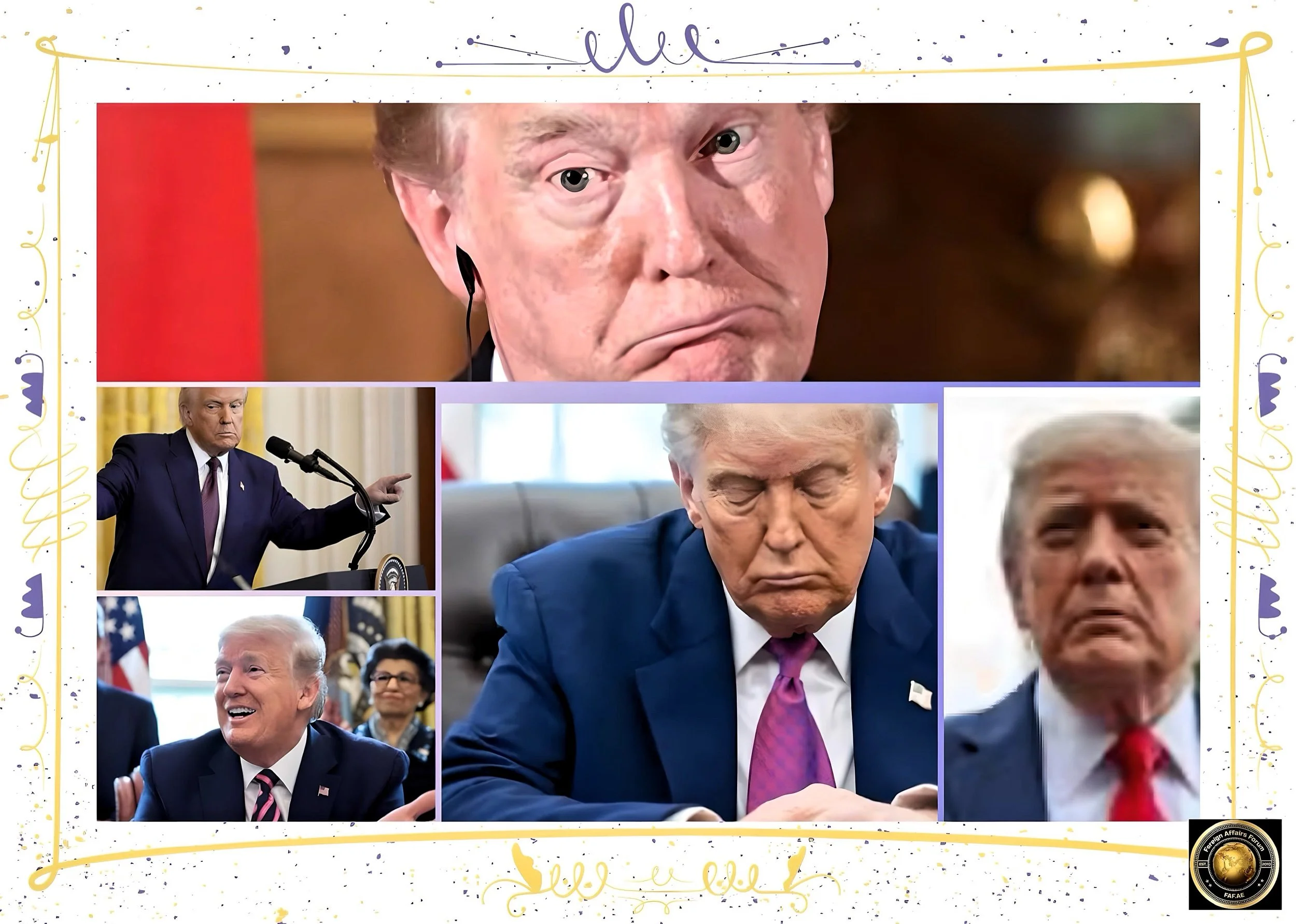
On Saturday, June 21, 2025, President Donald Trump announced that the United States had conducted airstrikes against three Iranian nuclear facilities, marking the first direct American military action against Iran in decades.
The targets included Fordow, Iran’s heavily fortified underground nuclear enrichment facility, along with sites at Natanz and Isfahan.
Trump announced via Truth Social that “a full payload of BOMBS was dropped on the primary site, Fordow,” confirming that all U.S. aircraft had safely exited Iranian airspace.
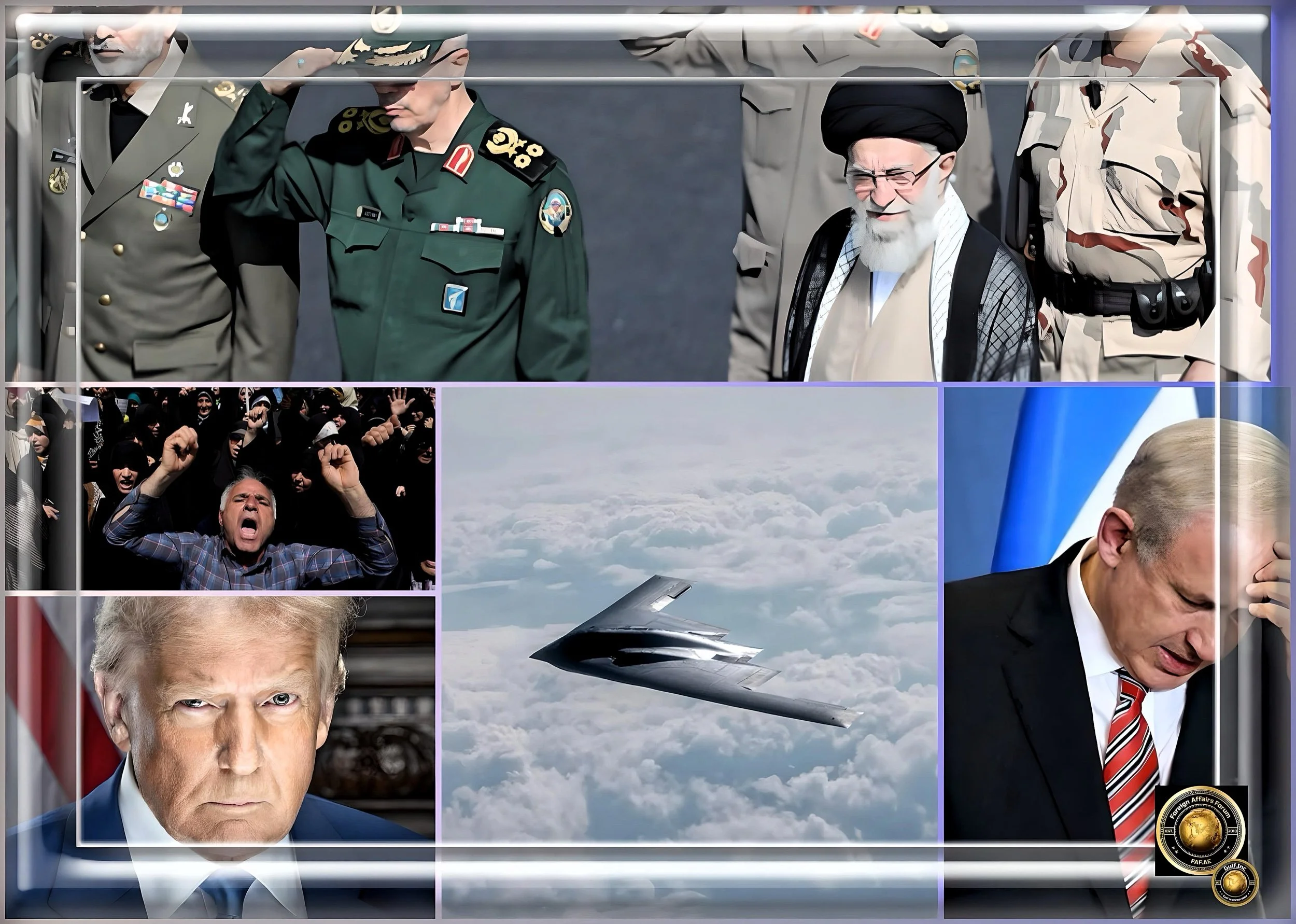
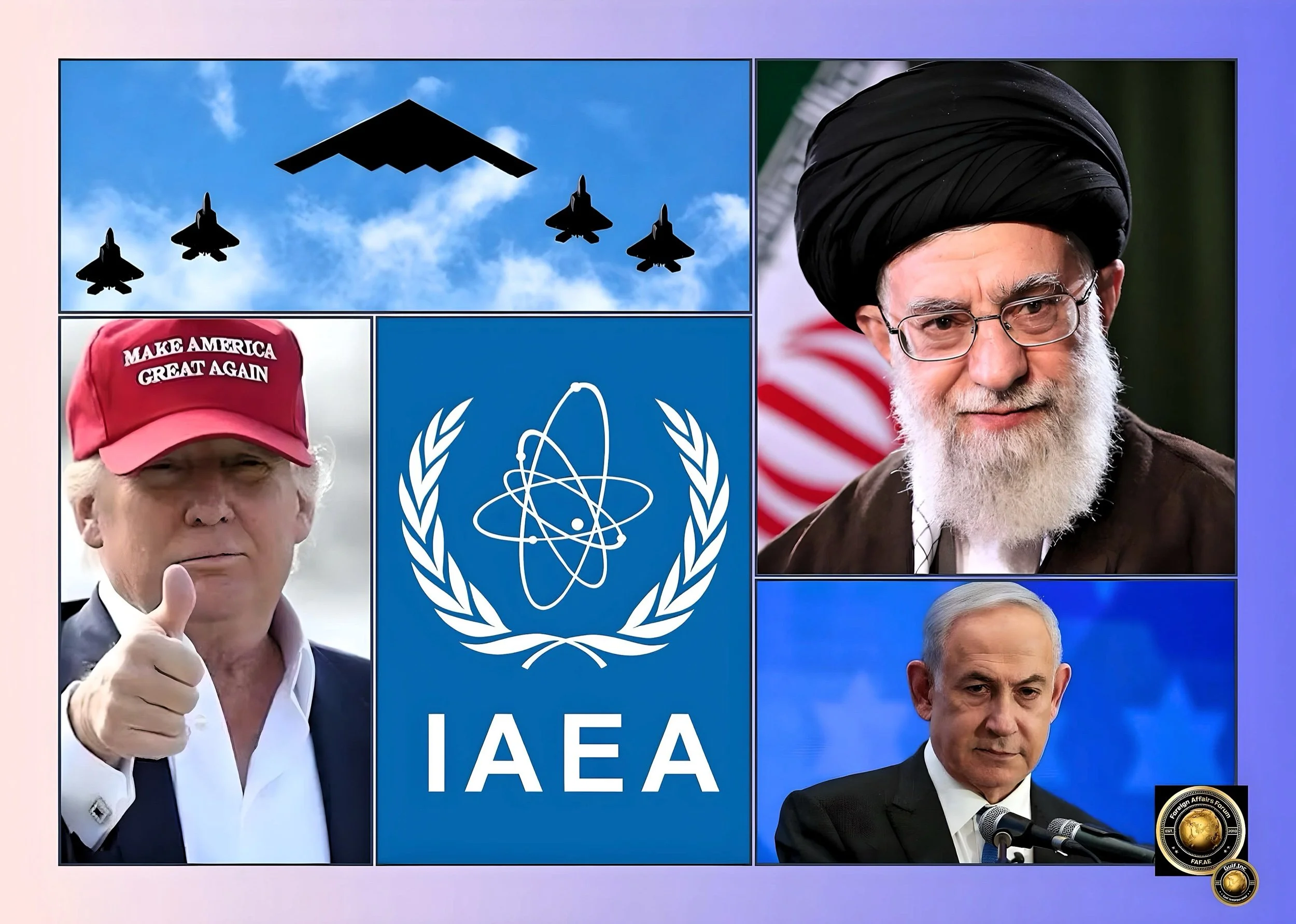
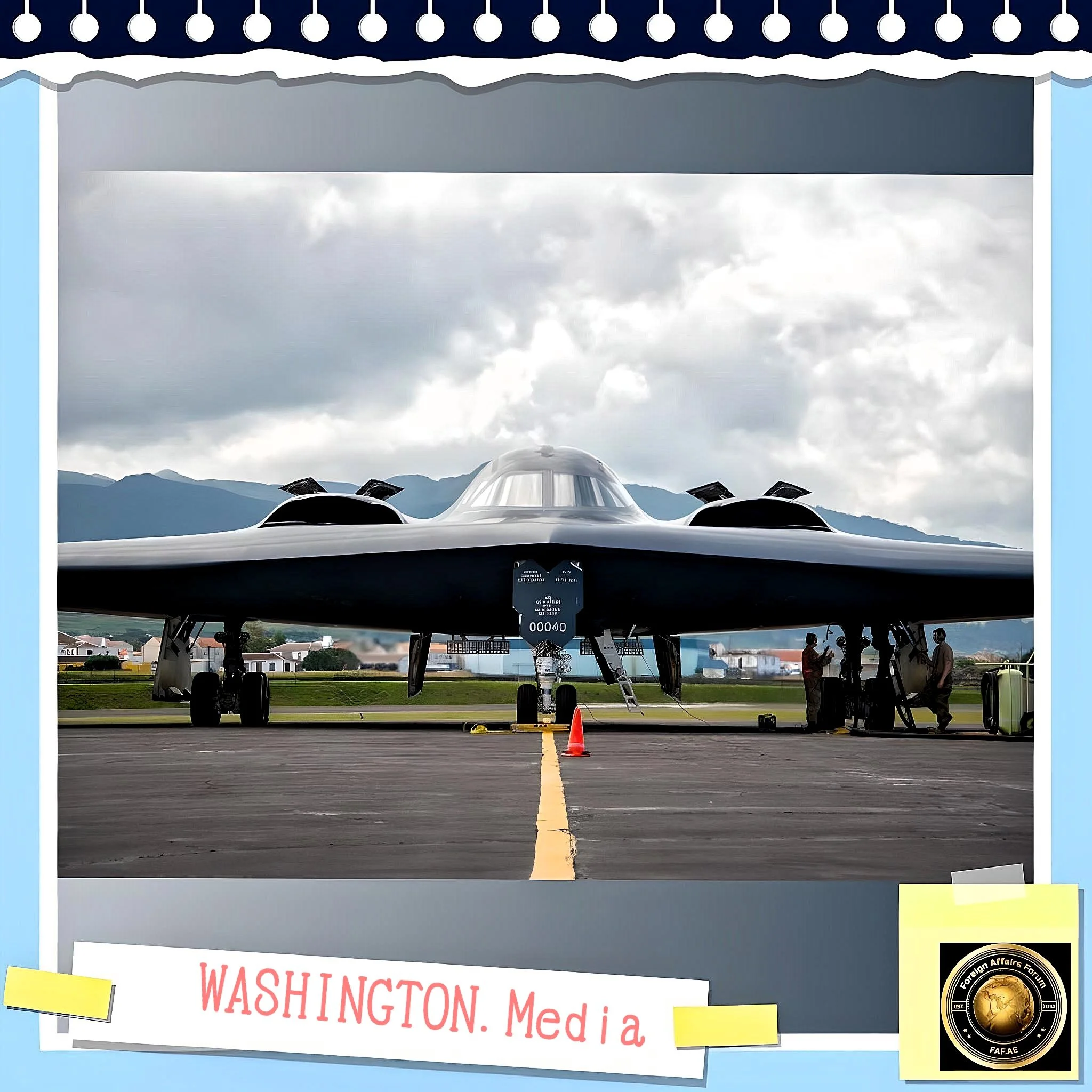
The operation reportedly utilized B-2 stealth bombers capable of carrying bunker-buster munitions necessary to penetrate Fordow’s deep underground fortifications.
Aftermath of the Fordow Strike
The strike on Fordow represents a significant escalation, as this facility is Iran’s most secure nuclear site, built deep into a mountain and considered nearly impregnable without specialized American weaponry.
Israeli officials reported that the combined strikes resulted in the deaths of several high-ranking Iranian military leaders and at least nine nuclear scientists.
The attacks also inflicted damage on various uranium enrichment facilities across Iran.
The operation has effectively ended any immediate prospects for diplomatic negotiations, as Iranian officials stated that talks would be “meaningless” unless attacks cease.
Iran’s government spokesperson emphasized that the nation had experienced “painful” diplomatic experiences in the past and would not engage in negotiations while under bombardment.
Congressional Approval Controversy
Constitutional Questions
Trump’s decision to strike Iran without seeking congressional approval has sparked significant constitutional debate.
Representative Thomas Massie (R-KY) directly challenged the action, posting on social media that “This is not constitutional.”
The Constitution grants Congress the power to declare war, while the president serves as commander-in-chief, creating ongoing tension over war powers.
Legislative Response
Congressional leaders expressed surprise at Trump’s announcement, with reactions splitting essentially along party lines.
While some Republicans like Senator Lindsey Graham praised the action as “the right call,” Democrats questioned the president’s authority.
Representative Jim Himes (D-CT) emphasized that congressional attention should come “BEFORE bombs fall,” referencing constitutional obligations.
Several lawmakers had previously introduced War Powers Resolutions to prevent unauthorized strikes against Iran.
Representatives Thomas Massie and Ro Khanna, along with Senator Tim Kaine, had sought to invoke the 1973 War Powers Act to require congressional approval for military action against Iran.
Legal Justifications
The executive branch has historically claimed broad Article II constitutional authority to use military force when deemed in the “national interest,” a concept that has expanded significantly in modern practice.
However, legal experts note that the absence of congressional authorization places presidential war powers at their “lowest ebb” according to Supreme Court precedent.
Consequences for the US and the World
Regional Escalation Risks
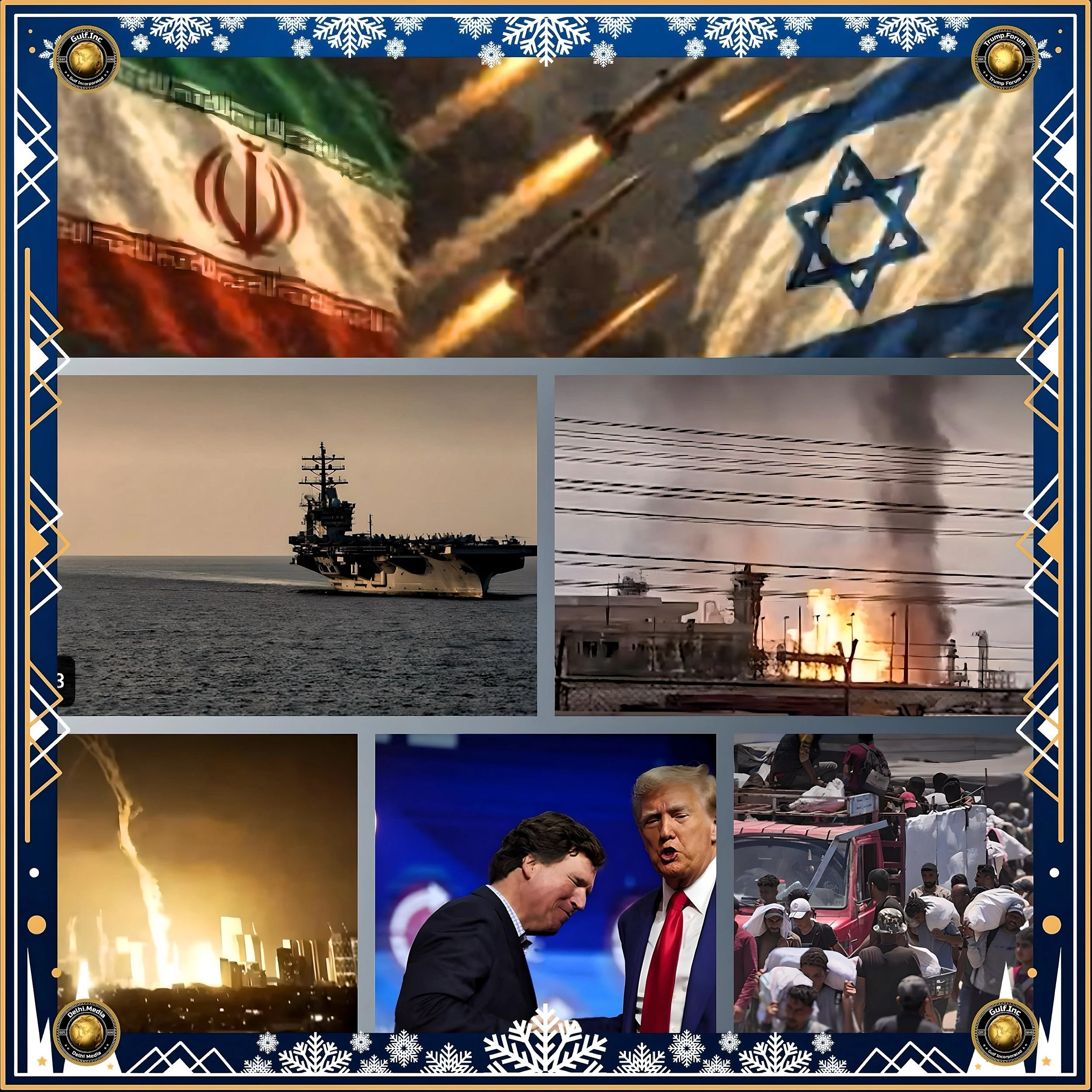
The strikes have dramatically increased the risk of a wider regional conflict.
Iran had previously warned that U.S. involvement would result in “irreparable damage,” with Supreme Leader Ali Khamenei stating that American military intervention would be “100% to its detriment”.
Iran’s armed forces have threatened to target military aid shipments to Israel, declaring such supplies “legitimate targets”.
Economic and Energy Implications
Financial markets reacted with initial volatility, though some analysts predicted oil price stabilization following the decisive action.
However, the conflict poses significant risks to global energy security, particularly if Iran follows through on threats to block the Strait of Hormuz, a critical oil transit route.
Global Diplomatic Fallout
The international response has been sharply divided. European leaders essentially condemned Iran while supporting Israel’s “right to defend itself,” despite the strikes occurring on Iranian territory.
Some observers have criticized this stance as “Orwellian,” arguing that it undermines the rules-based international order.
China and Russia condemned the strikes, calling them violations of the UN Charter and international law.
Both nations have positioned themselves as peace brokers while warning of dangerous escalation.
Iran’s Foreign Minister warned that U.S. involvement would be “very, very dangerous for everybody”.
What This Reveals About Trump
Foreign Policy Approach
Trump’s decision represents a significant shift from his campaign promises to avoid foreign entanglements and end overseas wars.
The action contradicts his self-proclaimed role as a “peacemaker” and his previous resistance to deeper Middle East involvement.
This reversal highlights the tension between Trump’s isolationist rhetoric and the geopolitical pressures he faces as president.
Decision-Making Pattern
The strike demonstrates Trump’s tendency toward unilateral decision-making under pressure from allies, particularly Israeli Prime Minister Benjamin Netanyahu.
Intelligence assessments suggested Netanyahu was prepared to act independently, potentially forcing Trump’s hand.
This pattern echoes Trump’s 2020 assassination of Iranian General Qasem Soleimani, which was also conducted without extensive congressional consultation.
Presidential Character Assessment
Trump’s approach reveals several key characteristics: his responsiveness to allied pressure, willingness to escalate conflicts when challenged, and tendency to prioritize decisive action over diplomatic patience.
His decision also reflects his belief in demonstrating strength to achieve negotiating leverage, though this strategy has historically proven ineffective with Iran.
International Perspectives
European Position
European nations have largely supported the strikes while calling for de-escalation, though this position has been criticized as contradictory.
France’s President Macron emphasized that “Iran must never acquire nuclear weapons” while calling for accelerated diplomatic negotiations.
However, European diplomatic credibility has been severely damaged by perceived double standards in applying international law.
Middle Eastern Reactions
Regional allies have generally supported the action, viewing it as necessary to prevent Iranian nuclear weaponization.
However, the strikes have also increased risks for U.S. personnel and interests throughout the region, with Iran positioning missile systems toward American military assets.
Final words
The recent strikes have significantly undermined American credibility in the Global South, where the selective application of international law is increasingly noted and criticized.
A comprehensive analysis reveals Israel's considerable influence over U.S. foreign policy, effectively drawing America into its aspiration of a Greater Israel.
It is evident that, irrespective of the political pressures exerted by the Israeli government, the U.S. has exercised its autonomy, further amplifying its imperialistic tendencies.
The military action against the Iranian nuclear facility is not emblematic of a nation exhibiting responsible governance, but rather signifies a concerning shift in U.S. foreign policy rationale.
This emerging perception poses a long-term threat to U.S. diplomatic influence and risks steering more nations toward alternative global power centers, notably China and Russia.
The strikes on Iranian nuclear facilities mark a critical juncture that has fundamentally reshaped geopolitical dynamics in the Middle East, initiated serious constitutional debates regarding presidential authority in matters of war, and raised substantial concerns about both regional and global stability.
The long-term ramifications of this intervention are contingent upon Iran's strategic response and the potential restoration of diplomatic channels to avert further escalation.