Defense.Forum - Iran Choices: A Pivotal Moment for Diplomacy:Trump Administration Military Strikes on Iranian Nuclear Installations
Executive summary
FAF, Gulf.Inc reported in a historic move, the Trump administration has confirmed a series of targeted strikes against Iranian nuclear facilities, marking a critical escalation in the ongoing conflict between the United States and Iran.
This military action raises substantial concerns regarding regional stability and the future of diplomatic engagements in the area, as it directly challenges Tehran's nuclear ambitions and escalates the geopolitical stakes in the Middle East.
The implications of this decision may have far-reaching consequences for international relations and security dynamics in the region.
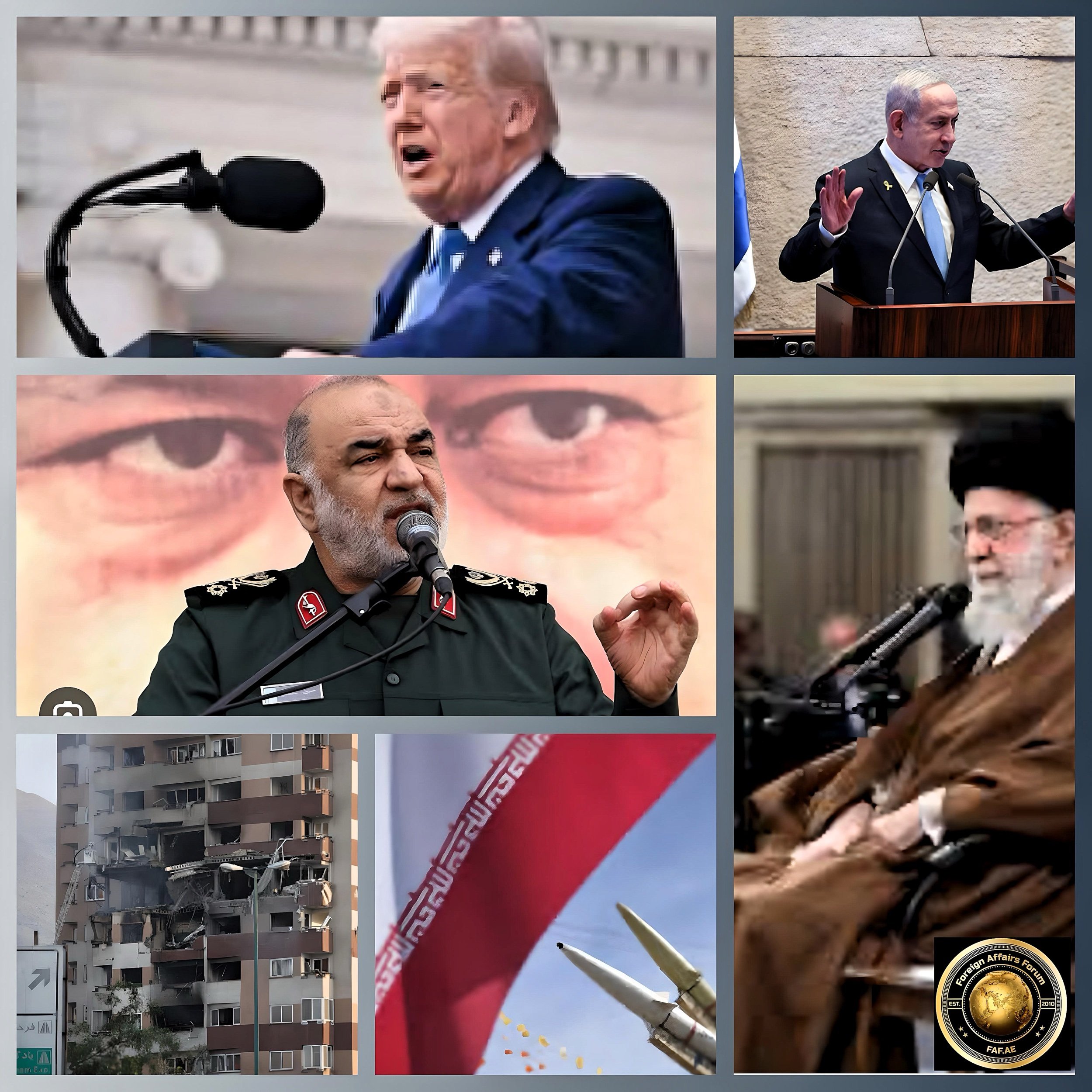
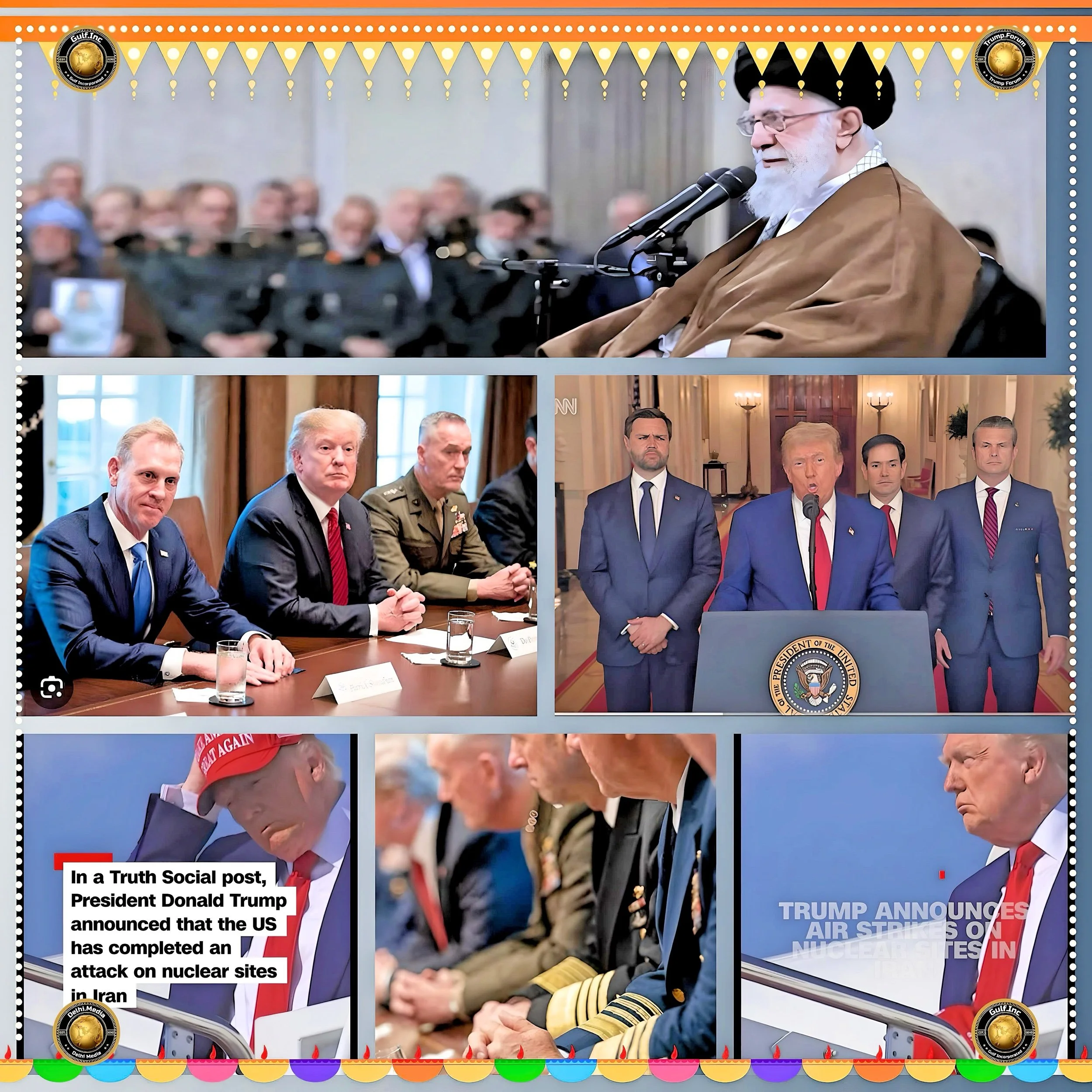
President Donald Trump announced Saturday evening that the United States had successfully conducted military strikes against three Iranian nuclear facilities, marking an unprecedented direct American military intervention in Iran and dramatically escalating tensions in the Middle East.
The operation targeted Iran’s most critical uranium enrichment sites at Fordow, Natanz, and Esfahan, with Trump declaring via Truth Social that “a full payload of BOMBS was dropped on the primary site, Fordow”.
The Military Operation
B-2 Stealth Bomber Deployment
The strikes were carried out using multiple B-2 Spirit stealth bombers deployed from Whiteman Air Force Base in Missouri, representing the most sophisticated military technology in the American arsenal.
These aircraft are uniquely capable of carrying the 30,000-pound Massive Ordnance Penetrator (MOP), making them the only platform capable of penetrating Iran’s heavily fortified underground nuclear facilities.
According to Fox News host Sean Hannity, who spoke with Trump shortly after the operation, six bunker buster bombs were explicitly used on the Fordow facility, while 30 Tomahawk missiles fired by U.S. submarines struck the Natanz and Isfahan nuclear sites.
This marks the first combat deployment of the GBU-57 MOP, America’s most powerful non-nuclear weapon.
Targeted Nuclear Facilities
The operation focused on Iran’s three most significant nuclear installations:
Fordow Fuel Enrichment Plant
Located 80 meters underground near Qom, this heavily fortified facility houses thousands of centrifuges and had previously detected uranium particles enriched to 83.7% purity—dangerously close to the 90% weapons-grade threshold
Natanz Nuclear Facility
Iran’s primary uranium enrichment center, which suffered destruction of its above-ground Pilot Fuel Enrichment Plant and electrical infrastructure
Esfahan Nuclear Site
A facility believed to house highly enriched uranium materials
Immediate Reactions and Responses
Trump’s Declaration
Trump described the mission as a “spectacular military success” and warned Iran of “far greater” attacks if it does not “make peace”.
Speaking to the nation from the White House at 10 p.m. ET, he stated: “There will be either peace or there will be tragedy for Iran far greater than we have witnessed over the last eight days. Remember, there are many targets left”.
The president emphasized the unprecedented nature of the operation, declaring: “There is not another military in the World that could have done this. NOW IS THE TIME FOR PEACE!”
Iranian Response
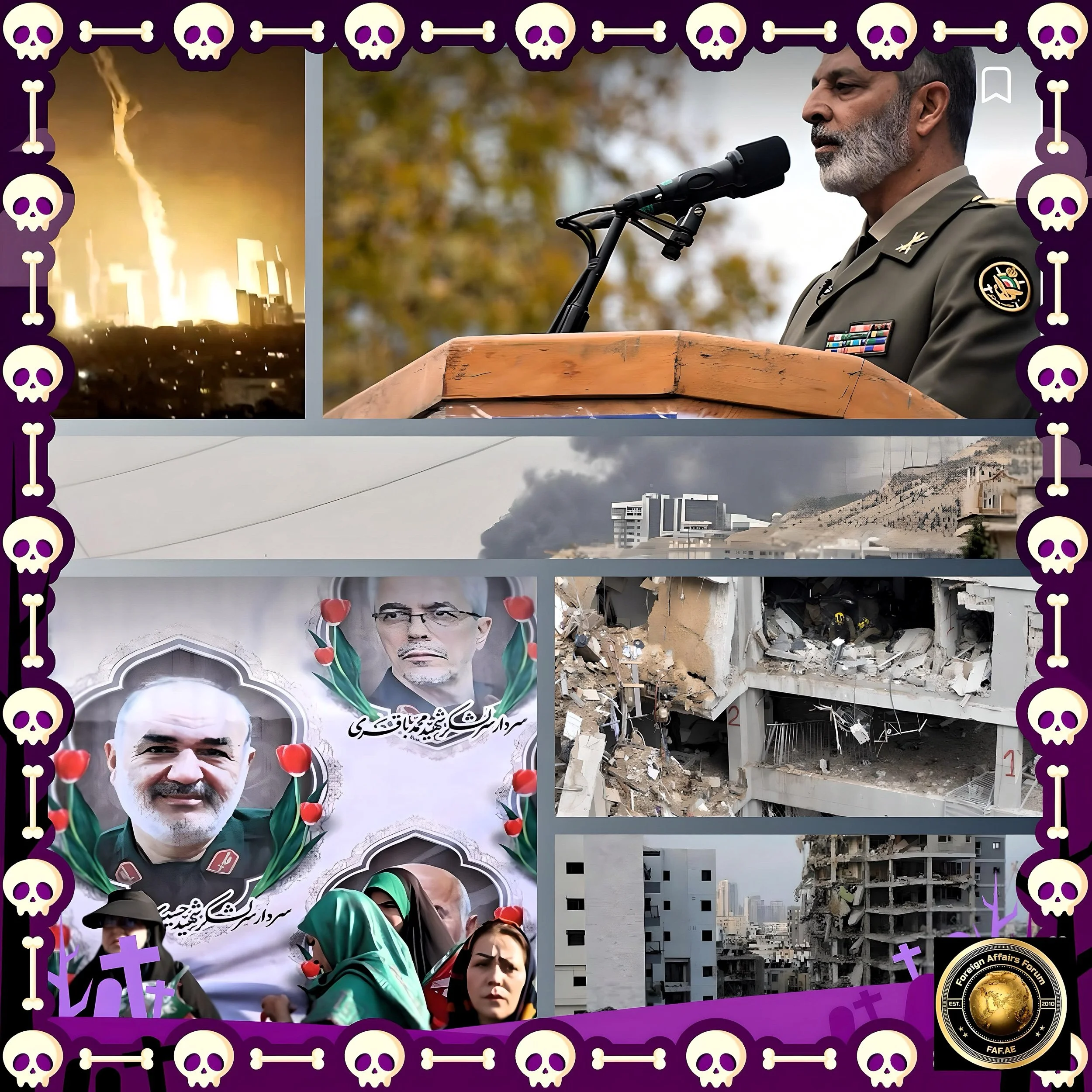
Iran’s response was swift and defiant. The Islamic Revolutionary Guard Corps (IRGC) declared that “war starts right now” following the American strikes.
However, Iranian officials suggested the impact may have been limited, with Hassan Abedini, deputy political director of Iran’s state broadcaster, claiming that Iran had “evacuated these three nuclear sites a while ago” and that “the materials had already been taken out”.
Iran’s Atomic Energy Organization issued a statement asserting that “despite the evil conspiracies of its enemies,” it would not allow the development of its nuclear industry to be stopped.
The organization confirmed attacks had taken place but insisted Iran’s nuclear work would continue.
What Choice does Iran have now?
Iran’s Choices After the Strikes
Iran now faces a pivotal decision point with several possible courses of action:
Retaliation
Military Response
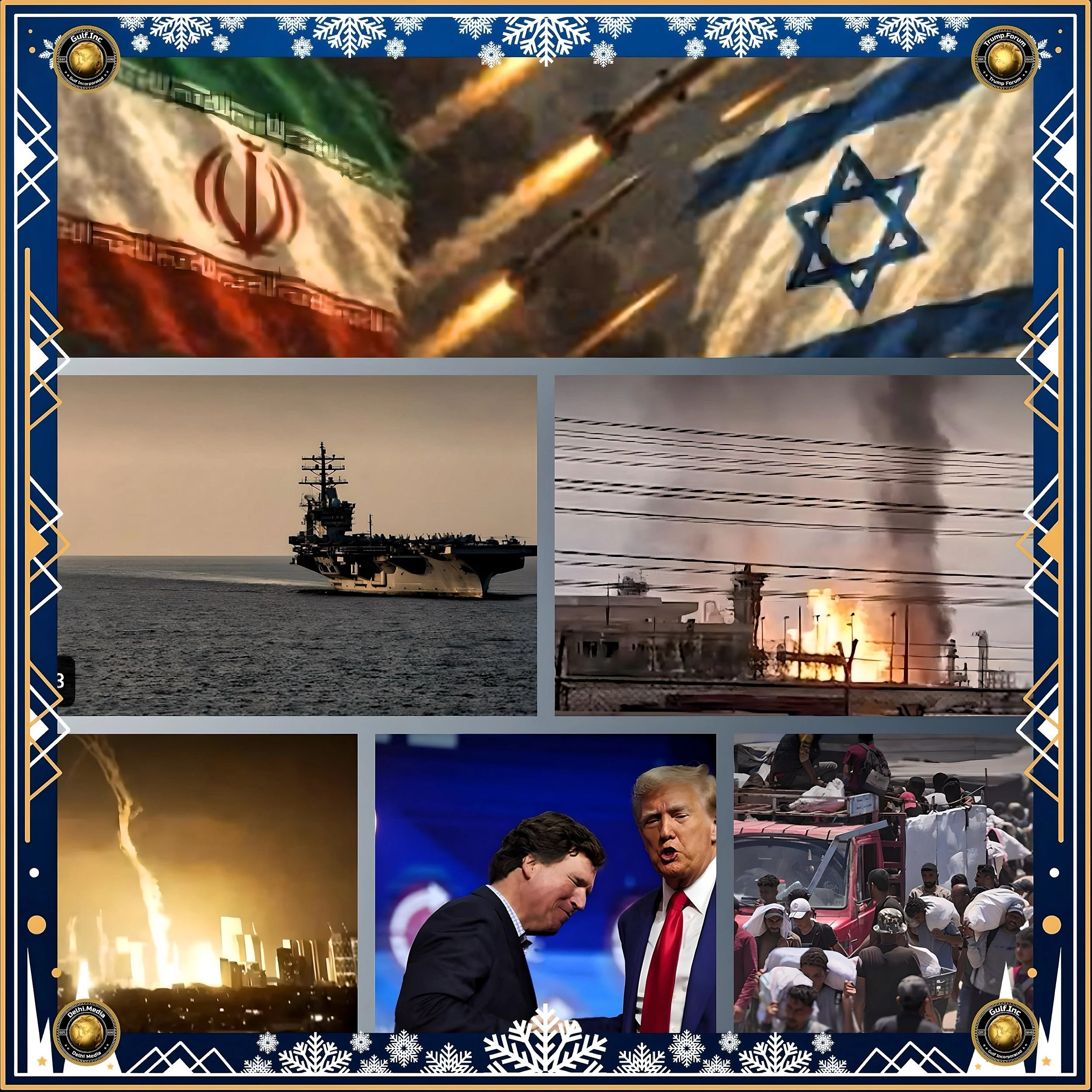
Iran could retaliate directly against U.S. or Israeli targets, or use its network of regional proxies to attack U.S. military bases, diplomatic missions, or energy infrastructure in the Persian Gulf.
Escalation
Actions could include missile or drone strikes, attempts to block the Strait of Hormuz, or cyberattacks. Such moves risk provoking a much larger U.S. response and potentially broadening the conflict.
Diplomacy and Negotiation
Return to Talks
Iran could choose to de-escalate and return to negotiations, possibly accepting stricter limits on its nuclear program in exchange for sanctions relief or security guarantees.
Strategic Patience
Tehran might attempt to wait out the current crisis, hoping to exploit divisions among Western allies or changes in the U.S. political landscape.
Accelerate Nuclear Program
Withdrawal from NPT
Iran could withdraw from the Nuclear Non-Proliferation Treaty (NPT) and openly pursue nuclear weapons, arguing that the attacks have invalidated its prior commitments.
Nuclear Breakout
Iran might attempt to rapidly rebuild and accelerate its nuclear program, possibly moving toward a nuclear weapons capability as a deterrent against further attacks.
Hybrid Approach
Limited Retaliation + Diplomacy
Iran could conduct symbolic or limited military responses to save face domestically while simultaneously signaling its openness to renewed negotiations.
Expert Perspectives
Ryan Crocker (former U.S. ambassador)
Believes Iran’s choices are between renewed negotiations or retaliation, with the latter risking a massive U.S. response.
Crocker warns that military action alone cannot eliminate Iran’s nuclear knowledge or capability—only a verifiable diplomatic agreement can achieve that.
Arash Azizi (analyst/author)
Predicts that despite the pressure to retaliate, Iran’s leadership will ultimately prefer diplomacy to preserve regime stability, though it may initially escalate or threaten withdrawal from the NPT as leverage.
Risks and Outlook
Regional Escalation
Any Iranian retaliation could trigger a broader regional war, endangering U.S. forces, allies, and global energy supplies.
Nuclear Proliferation
Military strikes may deepen Iran’s determination to acquire nuclear weapons as a deterrent, unless a diplomatic off-ramp is found.
Domestic Pressures
Iranian leaders face internal expectations to respond forcefully, but also risk further economic and military devastation if the conflict widens.
Iran’s choices after the U.S. strike are stark: retaliate and risk a wider war, return to negotiations under duress, or attempt to rebuild and accelerate its nuclear program.
The coming days will reveal whether Tehran prioritizes confrontation or seeks a diplomatic path to peace, preserving its regime and avoiding further devastation.
International and Domestic Political Reactions
Congressional Response
American lawmakers reacted to the strikes with mixed emotions. Several Republican leaders praised Trump’s decision, with Senator Lindsey Graham calling it “the right call” and stating, “Well done, President @realDonaldTrump.”
Representative Andy Harris described the action as “peace through strength,” while Senator John Cornyn commended Trump’s “brave and correct choice to eradicate the Iranian nuclear threat”.
However, some Republicans expressed concern.
Representative Thomas Massie criticized the strikes, while Democratic leader Hakeem Jeffries accused Trump of misleading the country, stating: “Donald Trump promised to bring peace to the Middle East. He has failed to deliver on that promise. The risk of war has now dramatically increased”.
International Concerns
The strikes prompted warnings from major powers about potential escalation. Russian Deputy Foreign Minister Sergei Ryabkov cautioned that U.S. military action would “radically destabilize the entire situation” and warned the world was “millimeters away from nuclear catastrophe”.
Russia and China issued joint condemnations of the escalating conflict, with Presidents Putin and Xi Jinping calling for immediate de-escalation and diplomatic solutions.
European responses were notably mixed, with some leaders endorsing Israel’s right to self-defense while expressing concern about the broader escalation.
However, this stance has been criticized as diplomatically inconsistent given Europe’s position on other international conflicts.
Strategic and Technical Assessment
Effectiveness of the Strikes
Initial assessments suggest mixed results from the operation.
While satellite imagery and International Atomic Energy Agency (IAEA) analysis confirm that Natanz’s above-ground facilities and electrical infrastructure were destroyed, the main underground enrichment halls were only partially impacted.
The loss of power infrastructure likely damaged sensitive uranium enrichment equipment, but the full extent of the damage to Iran’s nuclear capabilities remains unclear.
Unprecedented Military Action
This operation represents the most direct American military intervention inside Iran in decades.
The decision marks a dramatic shift from Trump’s earlier resistance to foreign military entanglements. During his campaign, Trump campaigned on ending foreign wars rather than starting new ones.
Market and Economic Impact
Global Market Reactions
Financial markets are bracing for significant volatility when trading resumes. Oil prices are expected to spike higher, with investors rushing to safe-haven assets amid uncertainty about Iran’s potential retaliation.
Crude oil prices had already jumped more than 4 percent earlier in the week on fears of U.S. involvement in the Israel-Iran conflict.
Regional Economic Implications
The strikes raise concerns about potential disruption to global energy supplies, particularly if Iran follows through on threats to block the Strait of Hormuz, a critical oil transit route.
The broader conflict has already affected energy infrastructure across the region, with Israeli strikes targeting Iranian oil and gas installations.
Geopolitical Implications
Regional Power Dynamics
The U.S. strikes fundamentally alter Middle East geopolitics by directly involving America in the Israel-Iran conflict.
This represents a significant escalation from the proxy conflicts that have characterized the region, potentially drawing in additional state and non-state actors.
Iranian-backed groups, including the Houthis in Yemen, have warned of renewed attacks on U.S. vessels in the Red Sea if America joins Israel’s military campaign.
The U.S. maintains between 40,000 and 50,000 troops in the region, and they are now on high alert for potential retaliation.
Nuclear Proliferation Concerns
The strikes raise complex questions about nuclear proliferation and international law. While intended to degrade Iran’s nuclear capabilities, experts warn that military action could deepen Iranian determination to acquire nuclear weapons.
The precedent of attacking nuclear facilities under international monitoring also raises concerns about the broader non-proliferation regime.
Looking Forward
The success of Trump’s gamble now depends largely on Iran’s response and whether the strikes were sufficient to meaningfully set back Iran’s nuclear program without triggering a broader regional war.
Trump has indicated his preference for a diplomatic solution.
The U.S. reportedly communicated to Iran through unofficial channels that the strikes would be limited and that no additional military actions were planned.
However, the fundamental question remains whether this unprecedented escalation will lead to the negotiated end to Iran’s nuclear program that Trump seeks, or whether it will trigger the broader regional conflict that many have long feared.
The coming days will be critical in determining whether this historic military action achieves its strategic objectives or opens a new, more dangerous chapter in the Middle East conflict.