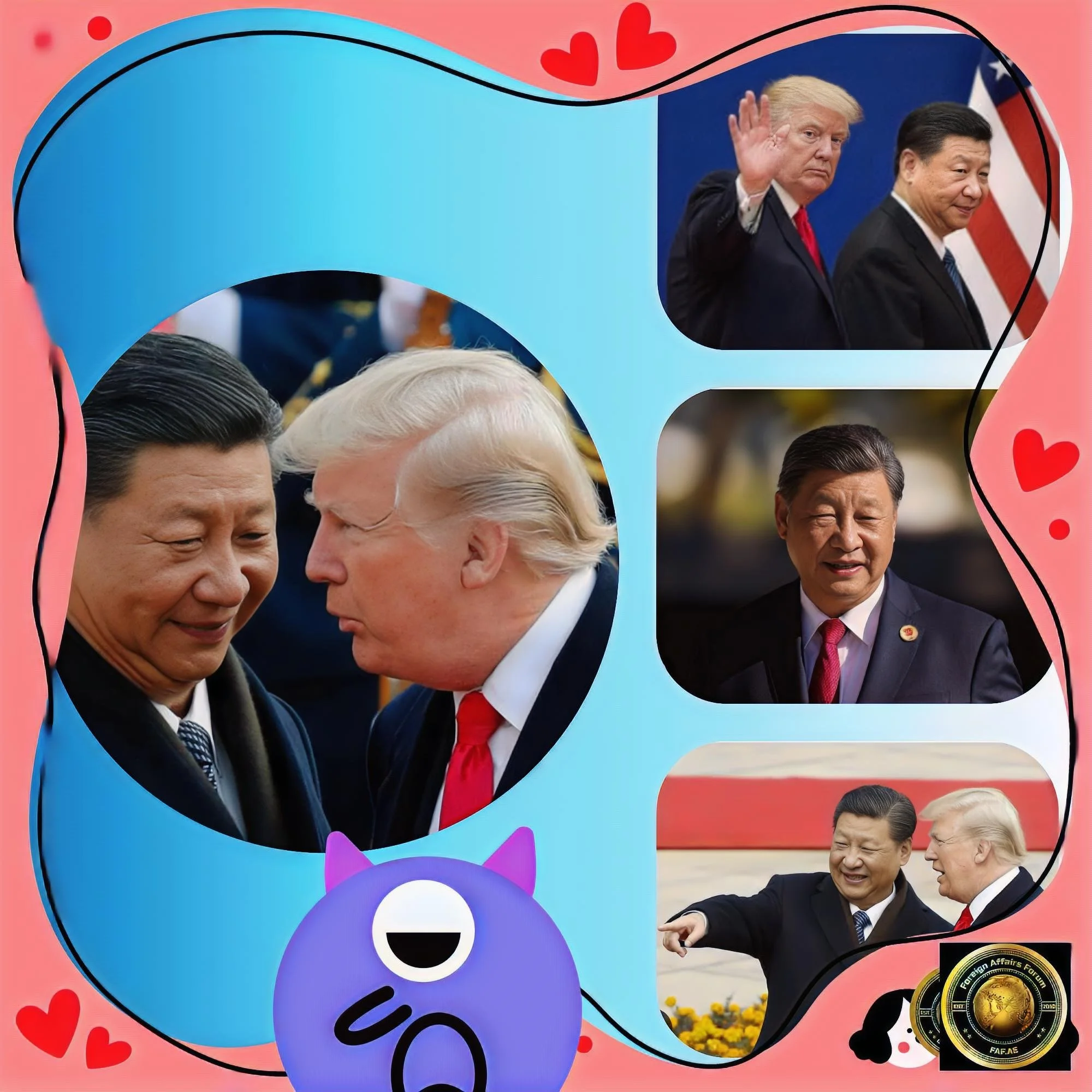
Trump and Xi Break Silence with Historic 90-Minute Trade Call
Introduction
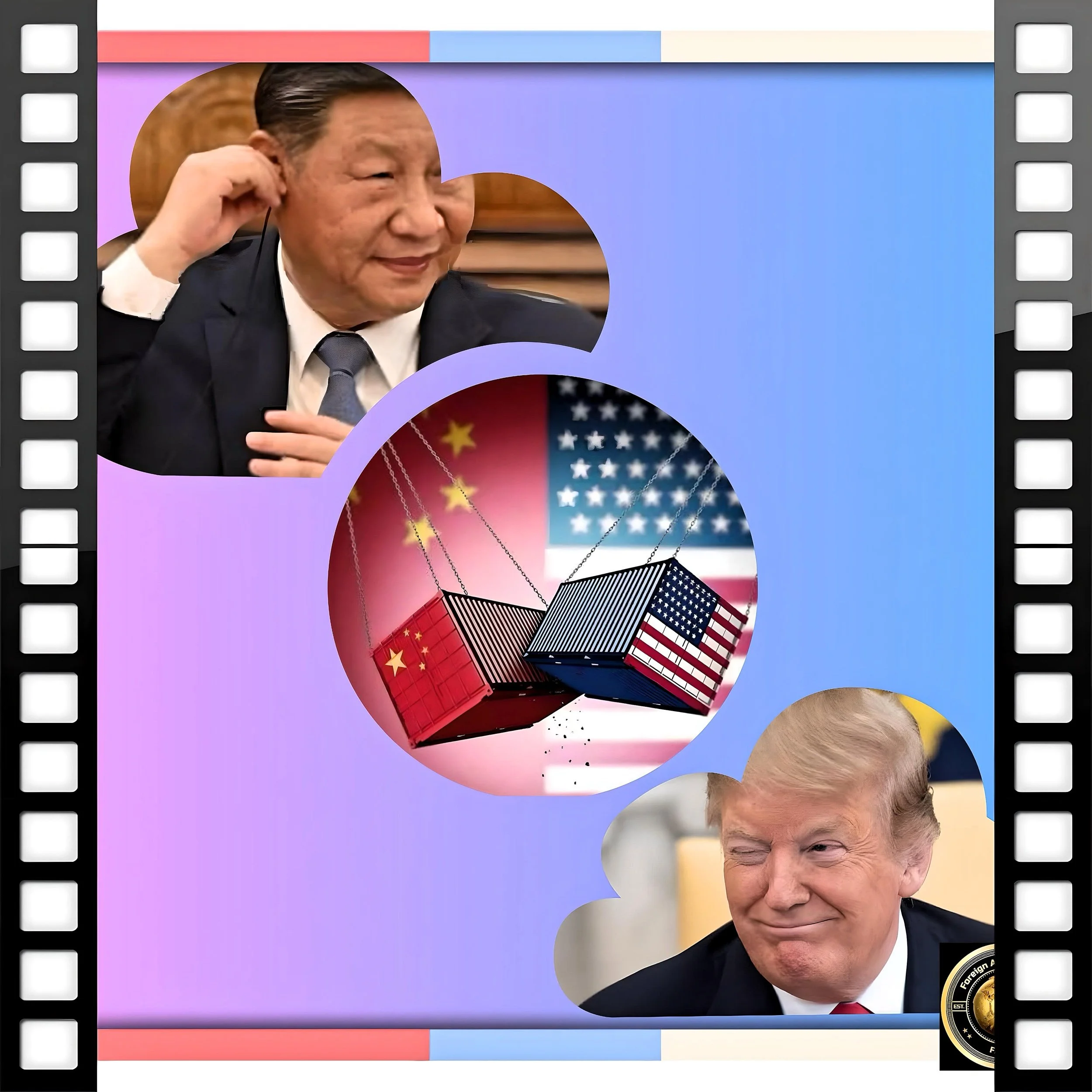
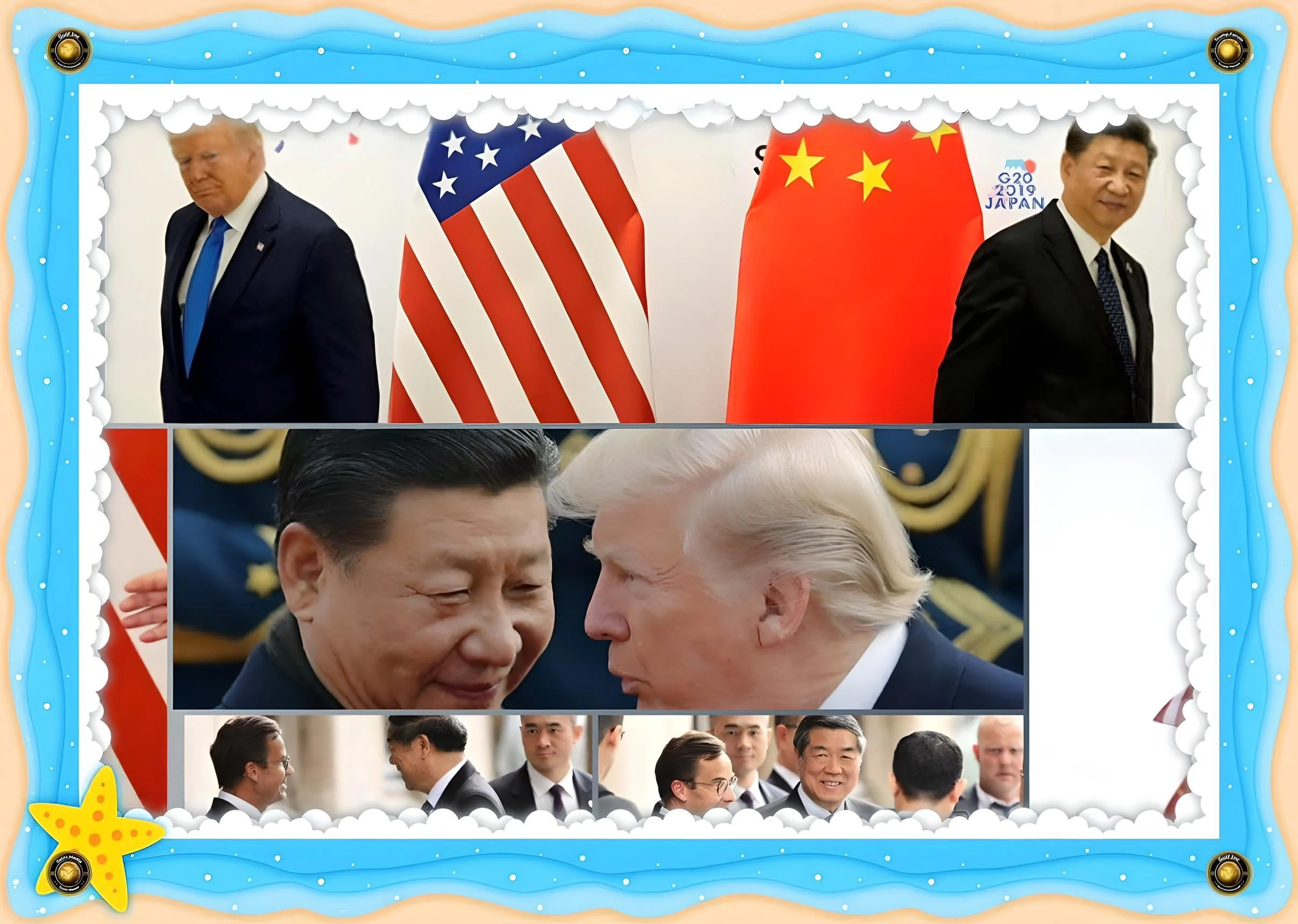
President Donald Trump and Chinese President Xi Jinping conducted a pivotal 90-minute phone conversation on Thursday, marking their first direct communication since Trump’s return to office and the subsequent escalation of the trade war between the world’s two largest economies.
FAF, Washington.Media analyzes the call represents a significant diplomatic breakthrough as both leaders attempt to navigate the complex trade relationship strained by months of tariff escalations and disputes over critical supply chains.
Background and Context of the Call
The phone conversation comes at a crucial juncture in U.S.-China relations, following Trump’s decision to implement aggressive tariff policies upon taking office for his second term.
The relationship between the two superpowers had deteriorated significantly since the previous administration, with trade tensions reaching new heights through reciprocal tariff impositions that disrupted global supply chains and economic stability.
The timing of this call is particularly significant given the recent implementation of the Geneva tariff truce announced on May 12, 2025. This temporary agreement established a 90-day cooling-off period to create diplomatic space for more substantive negotiations.
Under this arrangement, the United States reduced its punitive tariffs on Chinese goods from 145% to 30%, while China reciprocated by lowering its retaliatory levies from 125% to 10%.
Despite these reductions, tariff levels remained substantially higher than pre-conflict rates, underscoring the continued tensions between the two nations.
Focus on Trade Negotiations
According to Trump’s post on his Truth Social platform, the extensive conversation focused “almost entirely on TRADE,” with notably no discussion of other contentious geopolitical issues such as the Russia-Ukraine conflict or Iran-related matters.
This singular focus demonstrates both leaders’ recognition that economic relations represent their bilateral relationship's most pressing and potentially resolvable aspect.
The call addressed several outstanding issues following the May 12 temporary truce.
Both sides had been grappling with implementation challenges and mutual accusations of violations, creating uncertainty about the sustainability of even the limited progress achieved through the Geneva agreement.
Trump characterized the outcome as reaching “a very positive conclusion for both Countries,” suggesting that significant progress was made in addressing these concerns.
High-Level Delegation and Future Negotiations
One of the conversation's most concrete outcomes was the agreement to resume high-level trade talks “shortly at a location to be determined.”
Trump announced that a senior economic team, including Treasury Secretary Scott Bessent, Commerce Secretary Howard Lutnick, and U.S. Trade Representative Jamieson Gree would represent the United State.
This high-profile delegation signals the administration’s commitment to pursuing substantive negotiations and suggests that both sides view the current moment as offering genuine opportunities for progress.
The selection of this particular team is noteworthy, as it combines expertise in monetary policy, international commerce, and trade law.
Secretary Bessent’s involvement indicates that currency and financial market considerations will play a significant role in future discussions, while Lutnick’s participation suggests that broader commercial relationships beyond traditional trade will be on the agenda.
Resolution of the Rare Earth Minerals Dispute
One of the most significant breakthroughs achieved during the call was progress on the contentious rare earth minerals dispute that had threatened to undermine the Geneva truce.
U.S. officials had accused China of violating the temporary agreement by restricting exports of rare earth minerals and critical magnets essential for American manufacturers of computers, electric vehicle batteries, jet engines, and military equipment.
China had consistently rejected these allegations, maintaining that its export controls applied globally rather than specifically targeting the United States.
During their conversation, Trump and Xi appear to have made substantial progress on this critical issue. Trump stated they had “straightened out some of the points having to do with rare earth,” describing these materials as “complex stuff.”
In subsequent Oval Office remarks, Trump confirmed that the two sides had successfully addressed the friction around Chinese exports of these strategically important minerals, suggesting a potential breakthrough in what had been a significant obstacle to trade normalization.
The resolution of this dispute is particularly significant given the strategic importance of rare earth minerals to both civilian and military applications.
These materials are essential components in modern technology manufacturing, and any disruption to their supply chains can have cascading effects throughout multiple industries. The apparent progress on this issue may help stabilize broader trade relations and reduce concerns about supply chain security.
Diplomatic Reciprocity and State Visits
Beyond the immediate trade discussions, both leaders extended mutual invitations for state visits, demonstrating a commitment to maintaining high-level diplomatic engagement.
This exchange of invitations represents a significant diplomatic gesture, particularly given the strained nature of recent bilateral relations.
State visits typically involve extensive preparation and coordination, suggesting that both sides are looking beyond immediate trade disputes toward longer-term relationship management.
The diplomatic dimension of their conversation indicates recognition that sustained progress on trade issues will require ongoing political commitment at the highest levels.
By agreeing to future in-person meetings, both leaders are signaling their intention to personally oversee the negotiation process and ensure that technical-level discussions receive appropriate political support.
Challenges and Implementation Concerns
Despite the positive tone surrounding the call, significant challenges remain in implementing any agreements reached between the two leaders.
The Geneva tariff truce has faced mounting pressure from various stakeholders on both sides, with accusations of violations creating ongoing friction.
China’s Commerce Ministry has claimed that the United States “seriously disrupted” the agreement through restrictions on advanced chip software sales to Chinese organizations, warnings against Huawei chips, and increased visa cancellations for Chinese students.
These implementation challenges highlight the complexity of managing a trade relationship that extends far beyond traditional goods trade to encompass technology transfer, intellectual property protection, and national security considerations.
The involvement of multiple government agencies and regulatory bodies on both sides creates numerous opportunities for misunderstandings and disputes, even when high-level political will exists for cooperation.
Treasury Secretary Bessent’s optimism that ongoing disputes “will be ironed out” through direct leader-level communication reflects the administration’s belief that political intervention can overcome technical and bureaucratic obstacles.
However, the sustainability of this approach will depend on both leaders’ ability to maintain consistent messaging and control over their respective government agencies.
Conclusion
The 90-minute phone conversation between President Trump and President Xi represents a potentially pivotal moment in U.S.-China trade relations, offering the first direct high-level engagement since the current trade conflict began.
The call’s focus on practical trade issues, combined with apparent progress on the rare earth minerals dispute and agreement to resume formal negotiations, suggests that both leaders recognize the need for stabilization in their economic relationship.
However, the ultimate success of this diplomatic breakthrough will depend on the ability of both sides to translate high-level political agreements into concrete policy changes and sustained implementation.
The announcement of renewed high-level trade talks provides a framework for continued engagement, while the exchange of state visit invitations offers a longer-term diplomatic horizon for relationship management.
As global markets and supply chains continue to adapt to the ongoing uncertainty, the effectiveness of this renewed dialogue will have implications extending far beyond bilateral trade to encompass global economic stability and geopolitical relations.