Trump.Forum- DRC and Rwanda Strike Trump-Brokered Peace Deal: Comprehensive Analysis
Introduction
Overview of the Peace Agreement
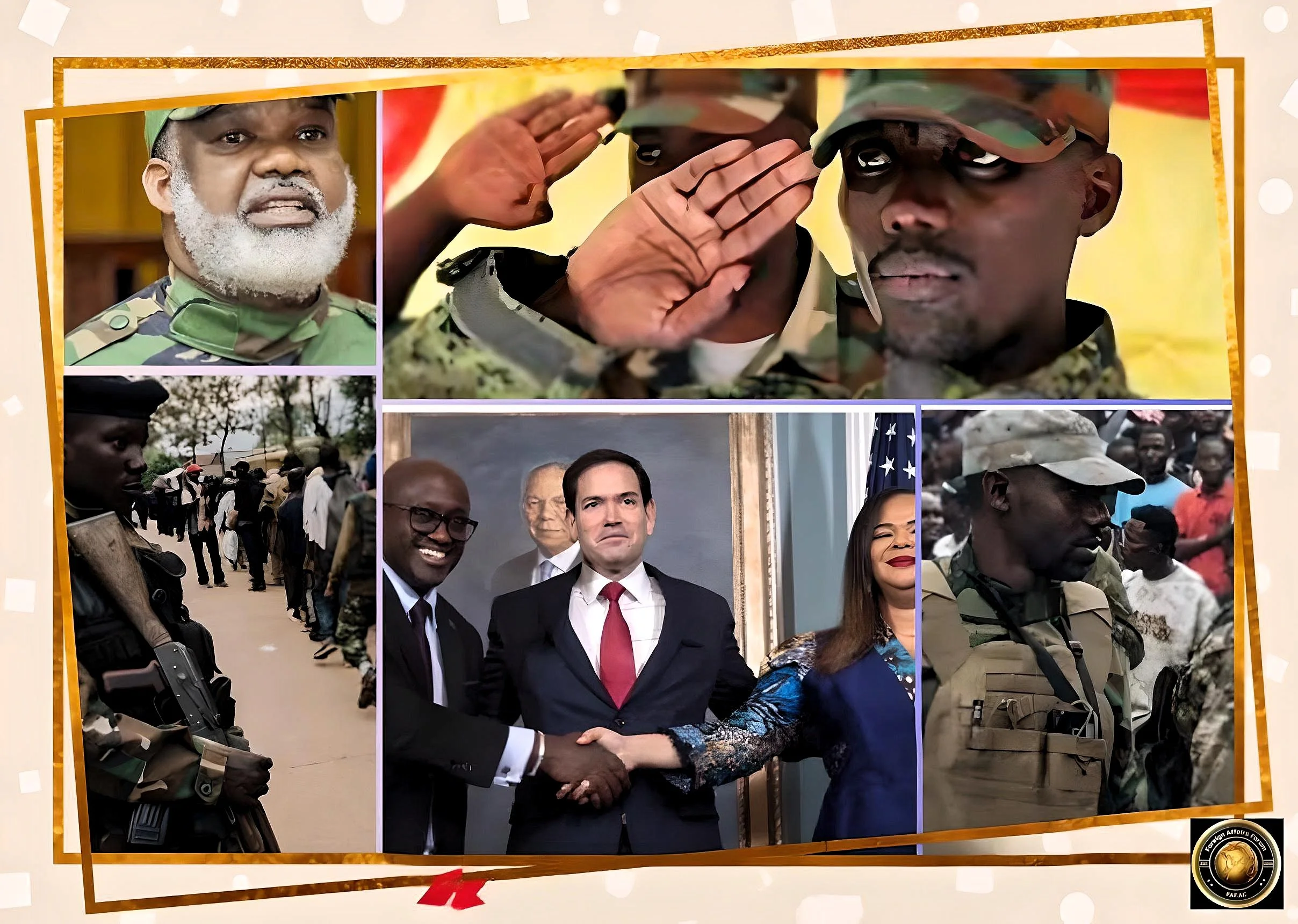
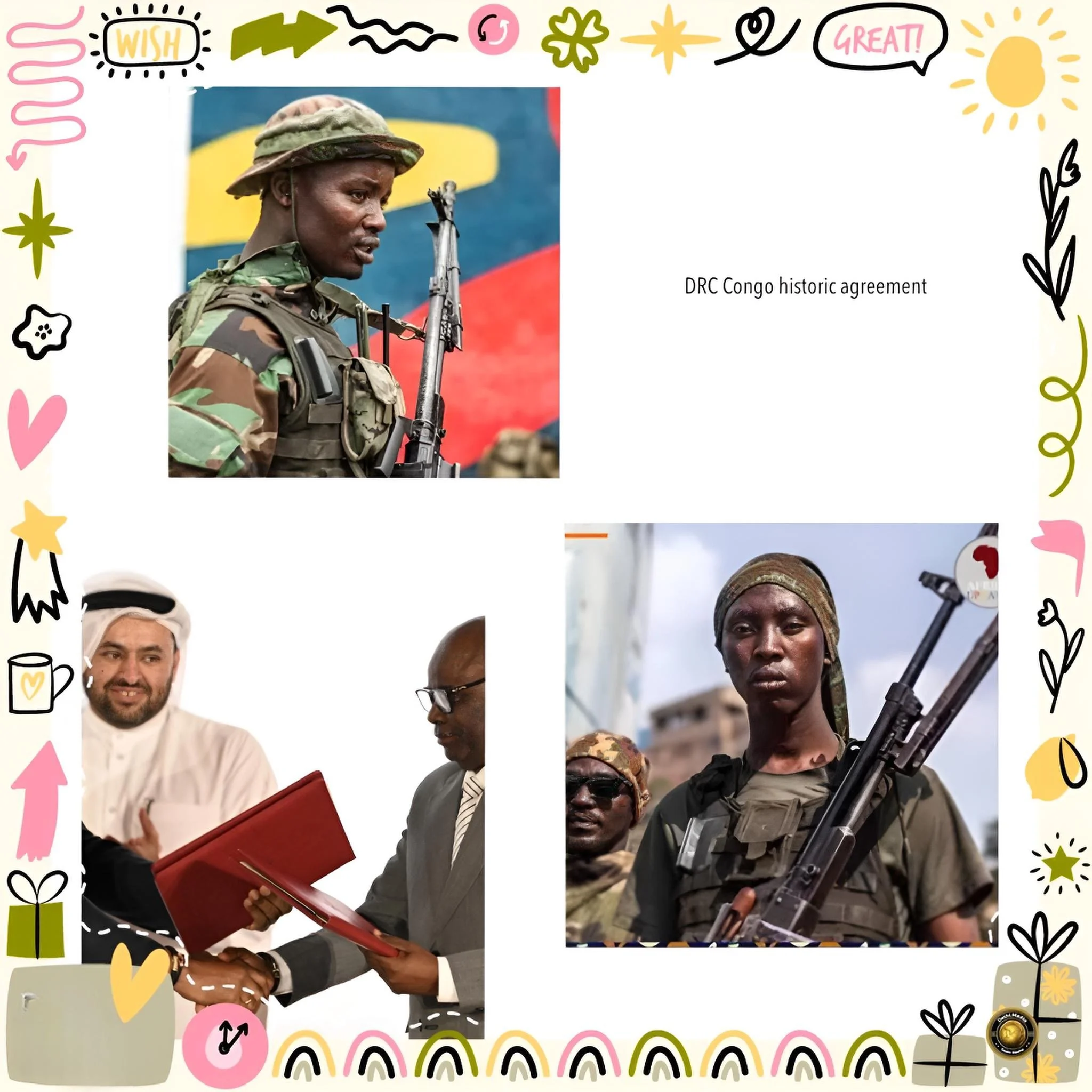
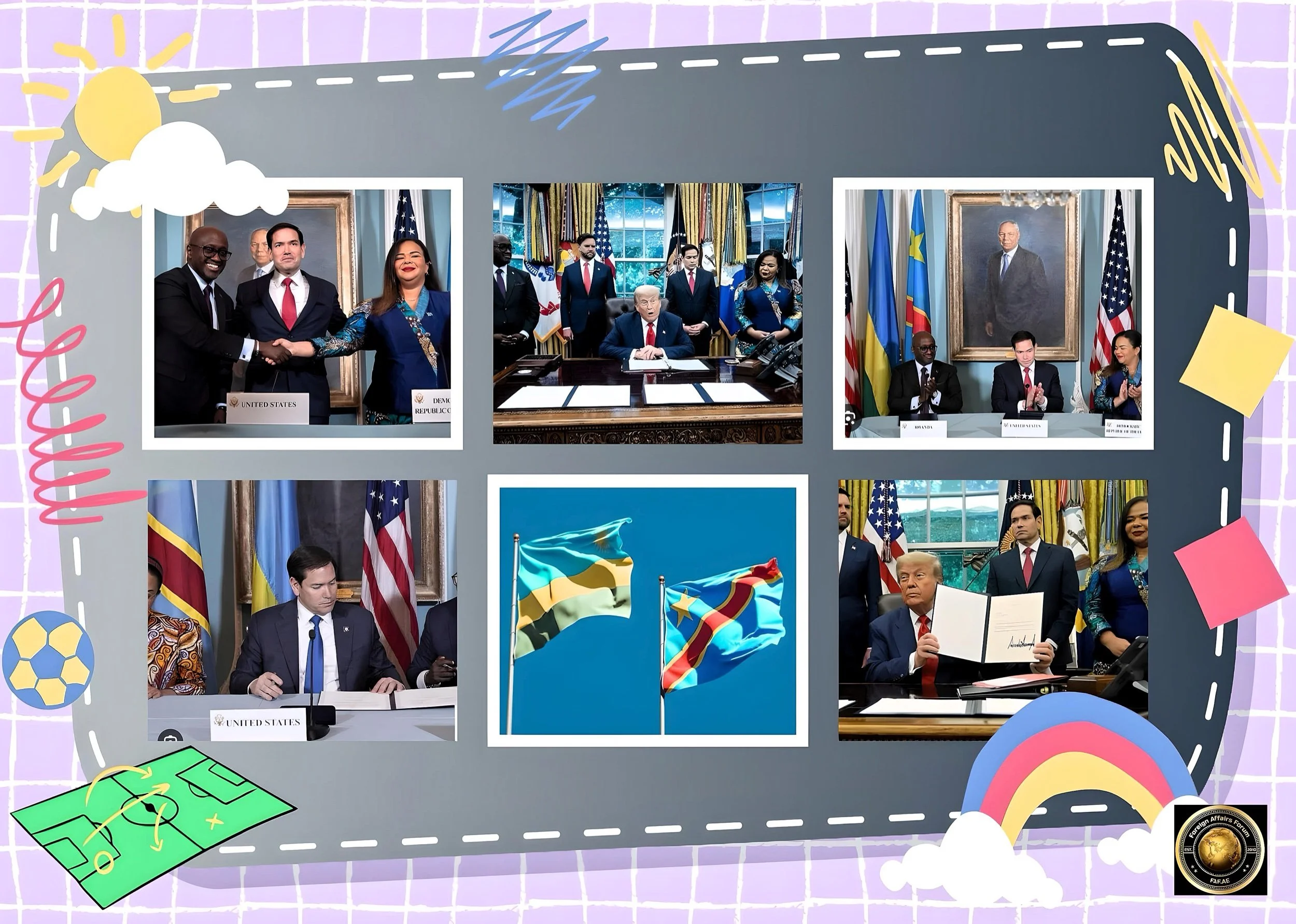
The Democratic Republic of Congo (DRC) and Rwanda are set to sign a peace agreement on June 27, 2025, in Washington, D.C., marking the culmination of U.S.-mediated negotiations designed to end decades of violent conflict in eastern DRC.
The deal, brokered primarily by President Donald Trump’s administration with support from Secretary of State Marco Rubio, represents one of the greatest diplomatic breakthroughs in the Great Lakes region in recent years.
The agreement emerged after three days of intensive talks in Washington, where technical teams from both countries initialed the draft text on June 18, 2025.
Qatar, which has previously hosted peace talks between the parties, participated as an observer in the U.S.-led initiative.
Key Provisions of the Agreement
The comprehensive peace accord addresses multiple dimensions of the long-standing conflict through several key provisions:
Territorial and Security Framework
The agreement establishes mutual respect for territorial integrity and prohibits hostilities between the two nations.
It mandates the disengagement, disarmament, and conditional integration of non-state armed groups operating in eastern DRC.
Joint Security Coordination Mechanism
A critical component involves establishing a Joint Security Coordination Mechanism incorporating the Concept of Operations (CONOPS) agreed upon by Angolan, Congolese, and Rwandan security experts in October 2024.
This mechanism aims to coordinate security efforts to neutralize armed groups, particularly the Democratic Forces for the Liberation of Rwanda (FDLR).
Humanitarian and Refugee Provisions
The deal includes provisions for facilitating the return of refugees and internally displaced persons and ensuring humanitarian access to affected areas.
Economic Integration Framework
The agreement includes a regional economic integration framework, which could potentially open avenues for billions of dollars in Western investment in the mineral-rich region.
Context: The Escalating Conflict
The peace agreement comes against one of the most severe escalations in the eastern DRC conflict in over a decade.
Since late 2024, the March 23 Movement (M23) rebel group has rapidly seized control of vast territories in North and South Kivu provinces, including the strategic cities of Goma and Bukavu.
The M23’s military campaign has been devastating in scope and impact.
In January 2025, M23 fighters captured Goma, the eastern DRC’s largest city with over one million inhabitants, followed by the seizure of Bukavu in February.
The violence in the first three months of 2025 alone resulted in over 2,500 reported fatalities according to ACLED data, though Congolese officials claim the death toll is significantly higher.
Rwanda’s involvement in the conflict has been a central point of contention.
The DRC, United Nations, United States, and other Western countries accuse Rwanda of not only supporting M23 but actively fighting alongside the rebels with an estimated 4,000 to 7,000 troops deployed across the border.
Rwanda consistently denies these allegations while asserting that its military presence in the region is purely defensive, aimed at neutralizing threats from armed groups like the FDLR.
The FDLR Factor
Central to understanding the conflict is the role of the Democratic Forces for the Liberation of Rwanda (FDLR), an ethnic Hutu armed group formed largely by perpetrators and participants of the 1994 Rwandan genocide.
The FDLR, designated as a terrorist organization by both the UN and the United States, operates from bases in eastern DRC and poses what Rwanda considers an existential security threat.
The FDLR’s continued presence in eastern DRC has been a primary justification for Rwanda’s military interventions. With an estimated strength of around 2,000 combatants, the FDLR has been linked to numerous terrorist attacks and civilian killings in eastern Congo.
Previous joint military operations between Rwanda and the DRC to neutralize the FDLR have repeatedly failed due to the DRC government’s tendency to abort operations before achieving their objectives.
Mineral Resources and Economic Dimensions
The conflict is inextricably linked to the DRC’s vast mineral wealth, particularly in the eastern provinces where fighting has been most intense.
The region contains some of the world’s largest reserves of coltan, cobalt, copper, gold, and tantalum—minerals essential for modern technology, including smartphones, electric vehicles, and military equipment.
The DRC alone produced 220,000 metric tonnes of cobalt in 2024, controlling 70 percent of global reserves. It is also responsible for 42 percent of global tantalum production.
The strategic mining town of Rubaya, which produces approximately 15 percent of the world’s coltan, fell under M23 control, raising concerns about the group’s ability to fund operations through mineral extraction.
China currently dominates the DRC’s mining sector, with Chinese companies owning or operating up to 80 percent of critical mineral production in the country.
The new peace agreement is partly designed to diversify these partnerships and reduce Chinese dominance through increased U.S. investment and involvement.
Previous Failed Peace Efforts
The current agreement represents the latest in a long series of peace initiatives that have failed to bring lasting stability to eastern DRC.
Understanding these failures provides crucial context for assessing the prospects of the Trump-brokered deal.
Angola-Led Mediation
From May 2022, under President João Lourenço, Angola served as the African Union’s designated mediator for the DRC-Rwanda conflict.
However, Angola’s mediation efforts faced significant challenges, including the failure of a planned peace summit in December 2024 when Rwandan President Paul Kagame refused to attend over disagreements about direct dialogue with M23.
Angola subsequently withdrew as mediator in March 2025, citing the need to focus on broader African Union priorities.
Nairobi Process
The East African Community-led Nairobi Process, launched in April 2022 under the facilitation of former Kenyan President Uhuru Kenyatta, aimed at comprehensive peace through diplomatic negotiations and military interventions.
While the process brought together armed groups, civil society, and victims, it struggled with implementation due to a lack of commitment from key regional actors.
Historical Pattern of Failure
Analysts point to a persistent pattern of the DRC government repeatedly reneging on peace agreements with Rwanda or Congolese rebel groups.
Joint military operations have been launched multiple times only to be abruptly called off before achieving their objectives, and integrated rebels have often been posted far from their home regions, leaving armed groups like the FDLR free to operate.
Economic Incentives and Mineral Deals
A significant dimension of the peace agreement involves parallel negotiations for separate mineral deals between the United States, the DRC, and Rwanda.
These arrangements represent a crucial departure from previous peace efforts by explicitly linking security guarantees with economic benefits.
U.S.-DRC Minerals Agreement
Reports indicate that the DRC has proposed a “minerals-for-security” deal to Washington, requesting U.S. oversight of stability in eastern DRC in exchange for preferential access to the country’s mineral wealth.
DRC Mining Minister Kizito Pakabomba confirmed that such a partnership would help “diversify partnerships” and reduce reliance on China.
Timeline and Implementation
Sources suggest a final minerals agreement between the DRC and the United States could be reached by the end of June 2025, with negotiations ongoing alongside the peace talks.
The deal is expected to attract significant U.S. investment in critical minerals while providing American support to address the M23 rebellion.
Strategic Implications
These arrangements align with broader U.S. strategic objectives to secure reliable supply chains for critical minerals essential to national security and emerging technologies.
The Trump administration has focused on reducing Chinese dominance in global mineral supply chains.
Challenges and Skepticism
Despite the optimism surrounding the agreement, significant challenges remain that could undermine its success:
M23 Non-Participation
A critical limitation is that M23 was not described as a direct party to the agreement initialed in Washington.
While Qatar has been holding separate negotiations between the rebel group and the Congolese government, M23’s commitment to the peace process remains uncertain.
Historical Precedent
The track record of previous peace agreements in the region is deeply concerning. Multiple ceasefires have collapsed since M23 began its territorial push in late 2021.
The DRC government's persistent failure to implement agreed-upon measures has consistently hindered lasting peace.
Security Guarantees
The current agreement may not adequately address Rwanda’s demand for long-term security guarantees, particularly regarding the FDLR threat.
Without effective mechanisms to neutralize armed groups operating from DRC territory, Rwanda may continue to view military intervention as necessary for its national security.
Implementation Mechanisms: The agreement lacks precise enforcement mechanisms and timelines for key provisions.
Previous agreements have failed precisely because of inadequate implementation frameworks and monitoring systems.
Regional and International Implications
The peace agreement has significant implications beyond the immediate bilateral relationship between the DRC and Rwanda:
Regional Stability
Success could contribute to broader stability in the Great Lakes region, potentially reducing refugee flows and humanitarian crises affecting neighboring countries, including Uganda, Burundi, and Tanzania.
International Investment
The agreement could unlock substantial international investment in the region’s mining sector, potentially transforming economic conditions in eastern DRC.
Geopolitical Competition
The deal represents a significant shift in the geopolitical landscape, with the United States positioning itself as a key player in African mineral markets traditionally dominated by China.
Precedent for Conflict Resolution
If successful, the agreement could serve as a model for resolving other protracted conflicts in Africa, particularly those involving natural resources.
Assessment of Success Prospects
Several factors will determine whether this peace agreement succeeds where others have failed:
Economic Incentives
Unlike previous agreements, this deal provides concrete economic incentives for all parties through mineral access arrangements and investment commitments.
These material benefits could create more substantial incentives for compliance.
U.S. Commitment
The direct involvement of the United States, with its significant economic and political leverage, represents a departure from previous African-led mediation efforts.
However, the sustainability of U.S. engagement remains uncertain given potential changes in political priorities.
Comprehensive Approach
The agreement addresses multiple dimensions of the conflict—security, economic, humanitarian, and political—which could make it more robust than previous single-issue arrangements.
International Oversight
The involvement of multiple international actors, including Qatar as an observer and potential ongoing U.S. monitoring, could provide better implementation oversight than previous agreements.
However, fundamental challenges remain unaddressed
Root Causes
The agreement may not adequately address the underlying ethnic tensions and governance failures that have perpetuated conflict in eastern DRC.
Military Realities
With M23 controlling significant territory and demonstrating military superiority, the rebel group may have limited incentives to comply fully with disarmament provisions.
Regional Dynamics
The agreement focuses primarily on the DRC-Rwanda relationship but may not adequately address the broader regional dimensions of the conflict, including the roles of other neighboring states.
Conclusion
The Trump-brokered peace agreement between the DRC and Rwanda represents a significant diplomatic achievement and offers genuine hope for ending one of Africa’s most destructive conflicts.
The deal’s comprehensive approach, economic incentives, and high-level U.S. involvement distinguish it from previous failed efforts.
However, the agreement faces substantial implementation challenges rooted in the region's complex history of failed peace processes.
The exclusion of M23 as a direct party, the DRC’s poor track record of agreement implementation, and the unresolved status of armed groups like the FDLR all pose significant risks to the accord’s success.
The ultimate test will be whether the economic incentives and international pressure can overcome the deep-seated mistrust and competing interests that have perpetuated conflict for over three decades.
While the agreement represents the best opportunity for peace in years, its success will depend on sustained commitment from all parties and robust international monitoring and enforcement mechanisms.
The signing ceremony on June 27, 2025, marks not an end but a beginning—the start of what will likely be a long and challenging process of implementation that will determine whether this latest peace effort can finally bring stability to one of the world’s most troubled regions.