Africa.Media- DRC-Rwanda Peace Deal: Sustainability Challenges in the Absence of M23 Leaders
Introduction
The Peace Deal’s Fragile Foundation
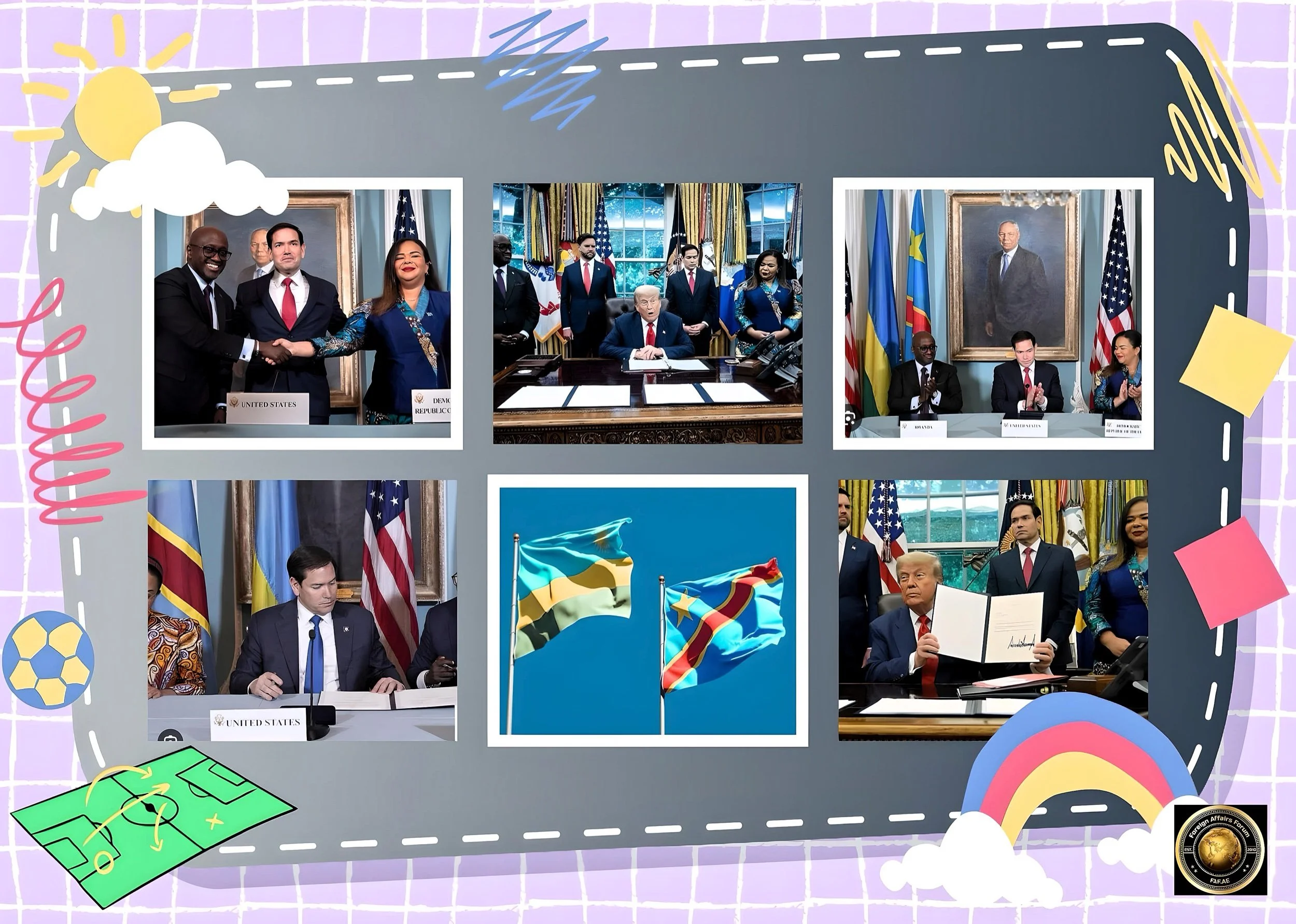
The recently signed US-brokered peace agreement between the Democratic Republic of Congo (DRC) and Rwanda faces significant sustainability challenges, particularly given the exclusion of M23 rebel leaders from the negotiations.
While the accord, dubbed the “Washington Accord,” includes provisions for territorial integrity, cessation of hostilities, and the “disengagement, disarmament and conditional integration” of non-state armed groups, the M23 rebels have explicitly stated that the agreement won’t be binding on them.
Critical Factors That Will Determine Success or Failure
M23’s Control Over Strategic Mineral Resources
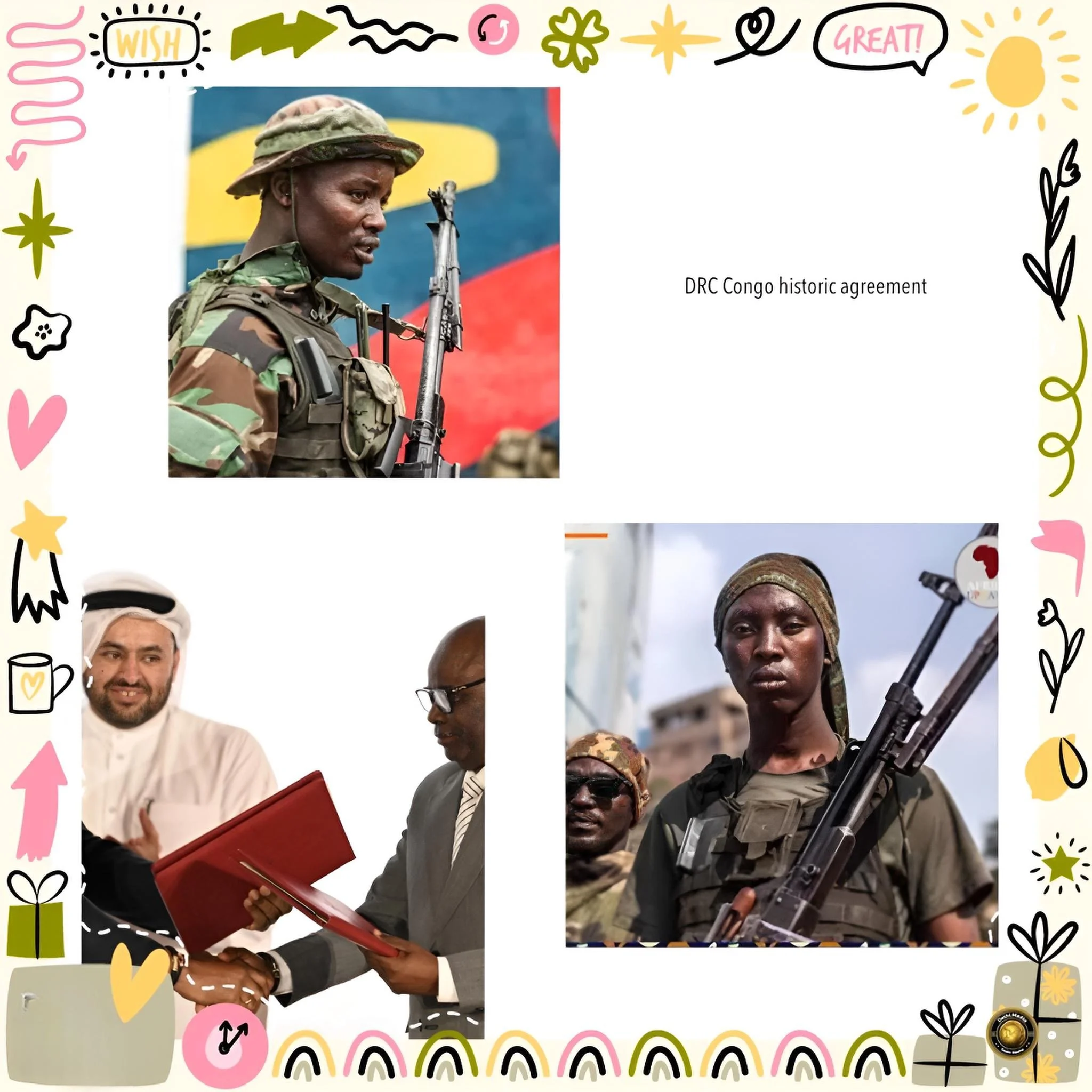
The M23’s control over critical mining areas represents a significant obstacle to sustainable peace.
The rebel group controls the Rubaya mining area, which holds one of the world’s most significant coltan deposits and accounts for more than 15 percent of global tantalum supply.
The UN estimates that M23 generates around $800,000 monthly from the Rubaya mine alone through taxation on coltan production and trade, providing substantial financial incentives to maintain territorial control.
M23 offensives follow a clear logic: They want to gain control of the region’s minerals, mainly gold, tin ore, cassiterite, coltan, cobalt, and diamonds.
This economic motivation creates a fundamental challenge, as the current agreement does not propose alternatives that might persuade these groups to cease fighting over lucrative territories.
Absence of M23 Leadership from Peace Process
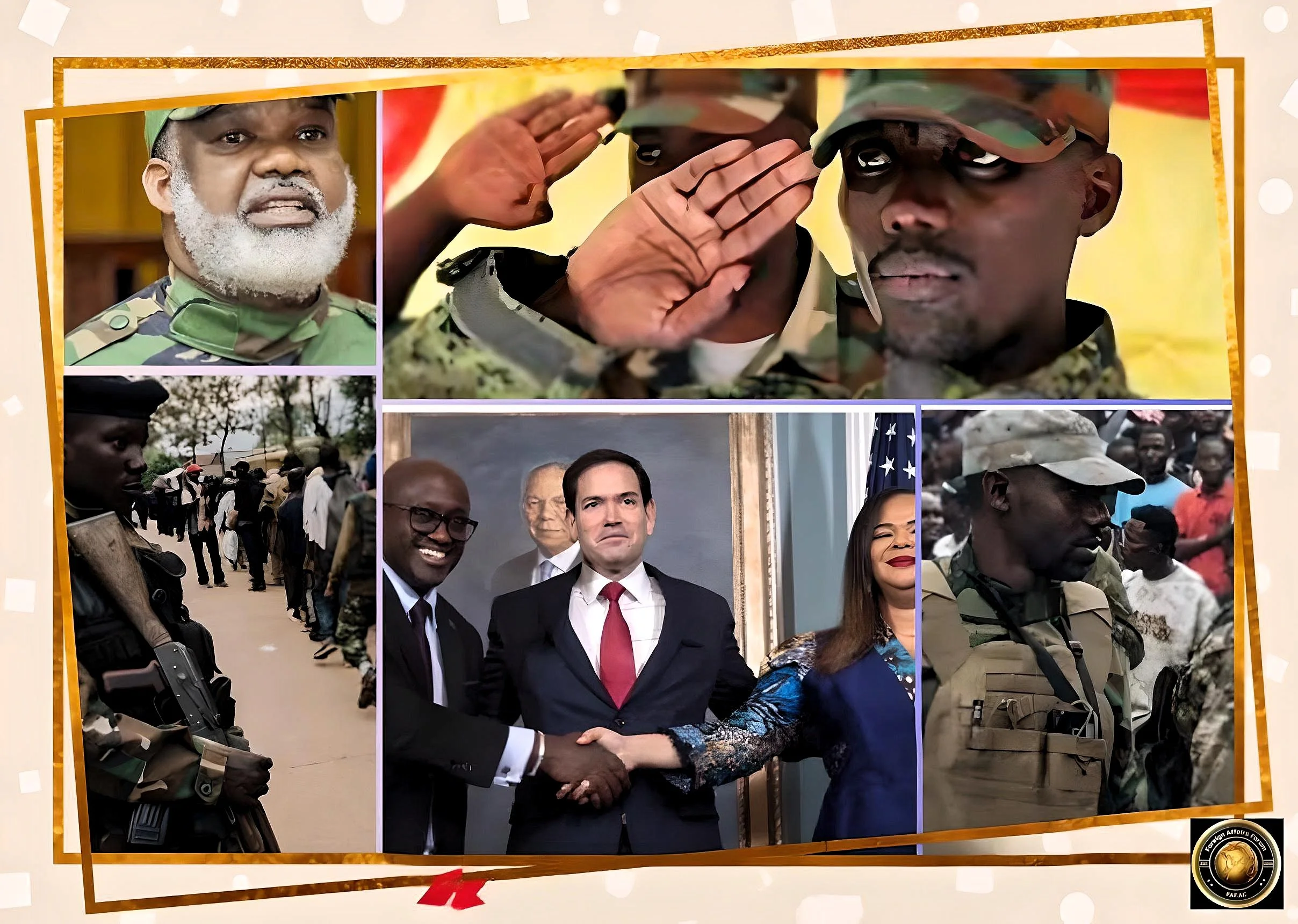
The peace deal’s most critical weakness lies in M23’s non-participation in the negotiations. Cornelius Nangaa, leader of the Congo River Alliance (AFC), which includes M23, has stated that “anything regarding us that is done without us, it’s against us.”
M23 spokesman Oscar Balinda emphasized that the U.S.-facilitated deal doesn’t concern the rebels, calling it “a trigger-happy proposition” that “cannot establish lasting peace without justice and reparation”.
This exclusion is particularly problematic given that M23 emerged from a previous peace agreement made 16 years ago that failed to ensure proper demobilization efforts.
The group’s current iteration arose when the DRC refused to implement a 2013 peace agreement after negotiations stalled in November 2021.
Historical Pattern of Implementation Failures
The DRC has a consistent history of reneging on peace agreements, which undermines confidence in the current deal’s sustainability.
Despite the photo-ops and lofty promises, the persistent issues of refugees and the FDLR remain unresolved. Previous attempts have failed because:
Joint military operations were launched time and again, only to be abruptly called off on a whim before achieving their goals
Rebels were integrated, but then posted far from their home regions, leaving the FDLR free to operate as it pleased
Some were even killed by their so-called brothers-in-arms after redeployment
The FDLR Problem and Rwanda’s Security Concerns
A major complicating factor is the presence of the Forces Démocratiques de Libération du Rwanda (FDLR), an armed group founded by former leaders of the genocide against the Tutsi in Rwanda.
Rwanda justifies its military presence in eastern DRC as defensive measures against threats from armed groups such as the FDLR.
The peace agreement includes a Joint Security Coordination Mechanism incorporating the CONOPS for FDLR neutralization, but previous attempts to address this issue have failed.
Rwanda has stated that the withdrawal of its defensive forces in the region would depend on the “neutralization” of the FDLR.
However, the lack of clarity concerning the timing and measures of success in anti-FDLR operations risks sparking disagreements between the stakeholders.
Root Causes Remain Unaddressed
While mineral wealth is a driver of the conflict, it is not the root cause of the violence. The agreement fails to address fundamental issues including:
Systemic discrimination faced by Kinyarwanda-speaking Congolese, who often struggle to prove their citizenship due to historical disputes over their origins
Weak governance structures in eastern DRC, particularly weak institutional capacity and fragmented local authority
Long-standing ethnic grievances and demands for justice
Political marginalization of certain communities
Implementation Challenges and Conditionality Issues
The peace agreement contains unclear benchmarks and a compressed timeline, which could create obstacles to its successful execution.
Senior Rwandan officials have said repeatedly that Rwanda will not withdraw its troops from the eastern DRC until after the FARDC degrades the FDLR—not before or in parallel with anti-FDLR operations.
Factors That Could Make the Peace Deal Successful
Economic Cooperation and Mineral Traceability
The agreement includes a “regional economic integration framework” that could, in principle, improve mineral traceability, and thereby contribute to settling long-standing disputes over resource exploitation.
If the agreement leans too heavily on extraction without corresponding investment in infrastructure, human capital, or environmental safeguards, it may risk deepening economic disparities rather than resolving them.
International Oversight and Sustained Commitment
Success would require a credible and independent international body to oversee the implementation of the agreement to ensure compliance and transparency. The United States and other global stakeholders must invest in sustained peacebuilding efforts rather than short-term fixes.
Addressing Fundamental Grievances
Inclusive national dialogues that provide platforms for community leaders and grassroots organizations to share their grievances and suggest ways to address the drivers and root causes of insecurity would be essential.
The focus on minerals may divert attention and resources from critical mechanisms meant to address the drivers and root causes of the conflict, including militia proliferation, demands for justice, and long-standing ethnic grievances.
Likelihood of Failure
Several indicators suggest the peace deal faces significant risks of failure:
M23’s explicit rejection of the agreement’s binding nature
Historical pattern of DRC’s non-implementation of peace accords
Continued economic incentives for territorial control through mineral resources
Absence of comprehensive solutions to root causes
Previous failures of international mediation efforts, including Angola’s withdrawal as mediator in March 2025 due to failed negotiations and external interference
Conclusion
The sustainability of the DRC-Rwanda peace deal appears highly questionable in the absence of M23 leaders’ participation and commitment.
The exclusion of local communities or civil society organizations from negotiations could foster resentment and erode legitimacy, leading to long-term instability.
Without addressing the fundamental grievances that drive the conflict and providing credible alternatives to mineral-based revenue streams for armed groups, the agreement risks becoming another failed peace deal in a region that has seen decades of unsuccessful diplomatic initiatives.
The M23’s control over strategic mining areas and their explicit rejection of the agreement’s authority over them suggests that meaningful peace will remain elusive until these critical players are meaningfully included in the peace process and their underlying grievances are addressed through comprehensive political and economic reforms.