War.Live- Rwanda and DRC Sign US-Brokered Peace Deal with Qatar’s Mediation Role
Introduction
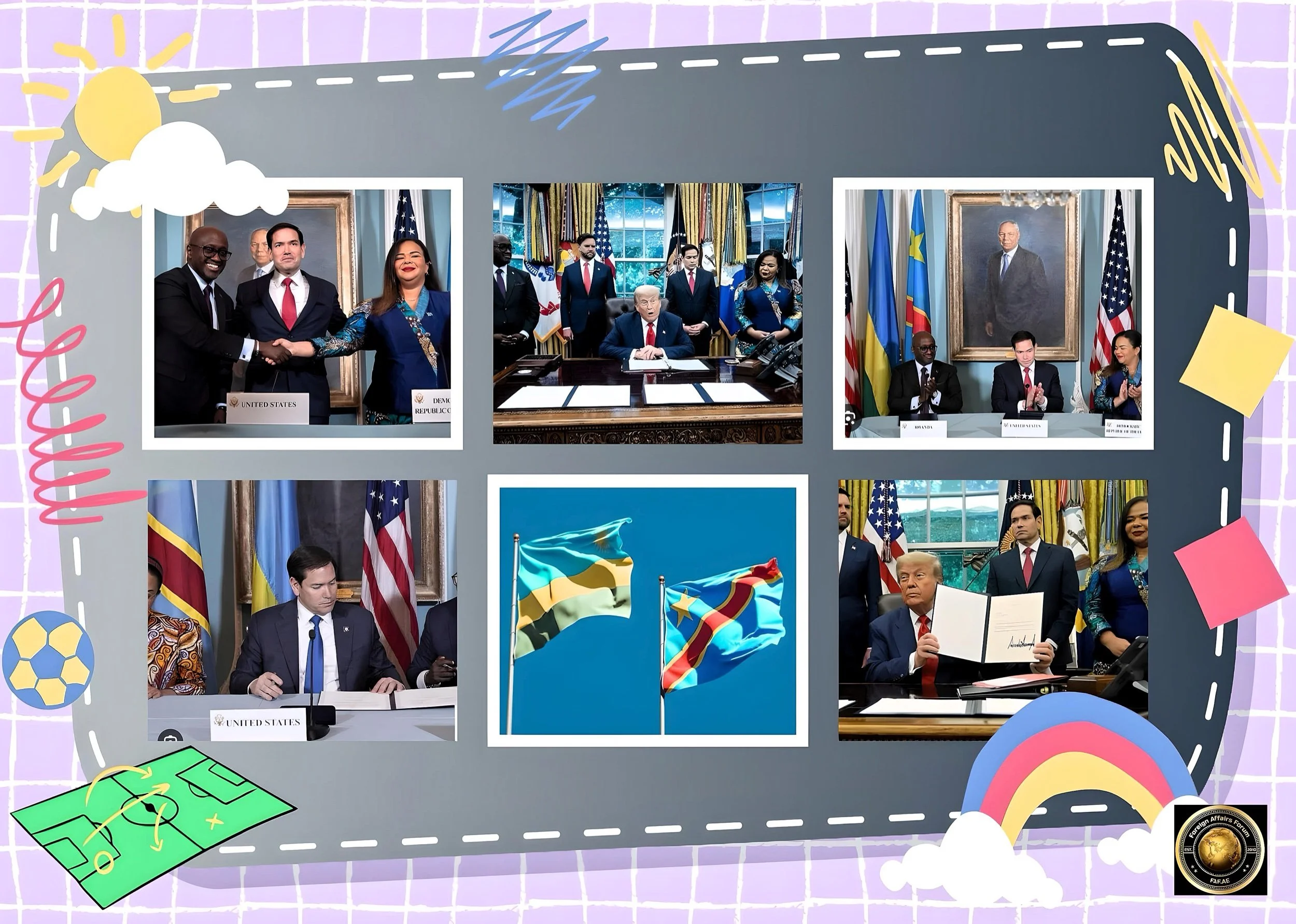
On June 27, 2025, Rwanda and the Democratic Republic of Congo (DRC) signed a peace agreement in Washington, D.C., marking a significant diplomatic breakthrough to end decades of violent conflict in eastern Congo.
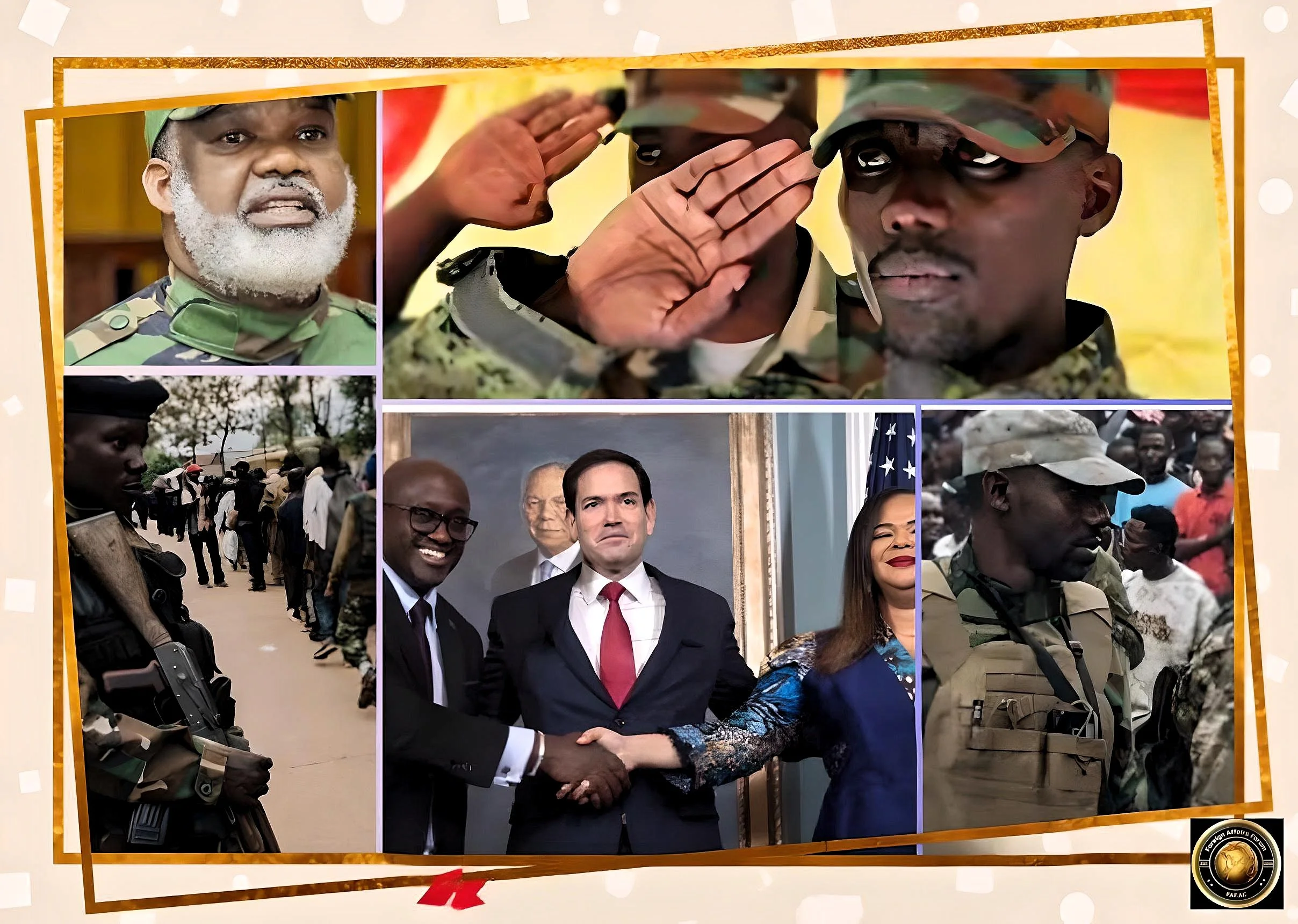
Secretary of State Marco Rubio witnessed the ceremony at the U.S. State Department, and foreign ministers Olivier Nduhungirehe of Rwanda and Thérèse Kayikwamba Wagner of the DRC officiated the signing.
Following the signing ceremony, both ministers met with President Donald Trump at the White House, where Trump emphasized the significance of the agreement, stating: “They were fighting for years, and it was machetes, it was vicious, people’s heads were being chopped off… First time in many years, they’re going to have peace. And it’s a big deal”.
Qatar’s Crucial Mediation Role
Qatar was pivotal in facilitating this peace agreement through multiple diplomatic channels.
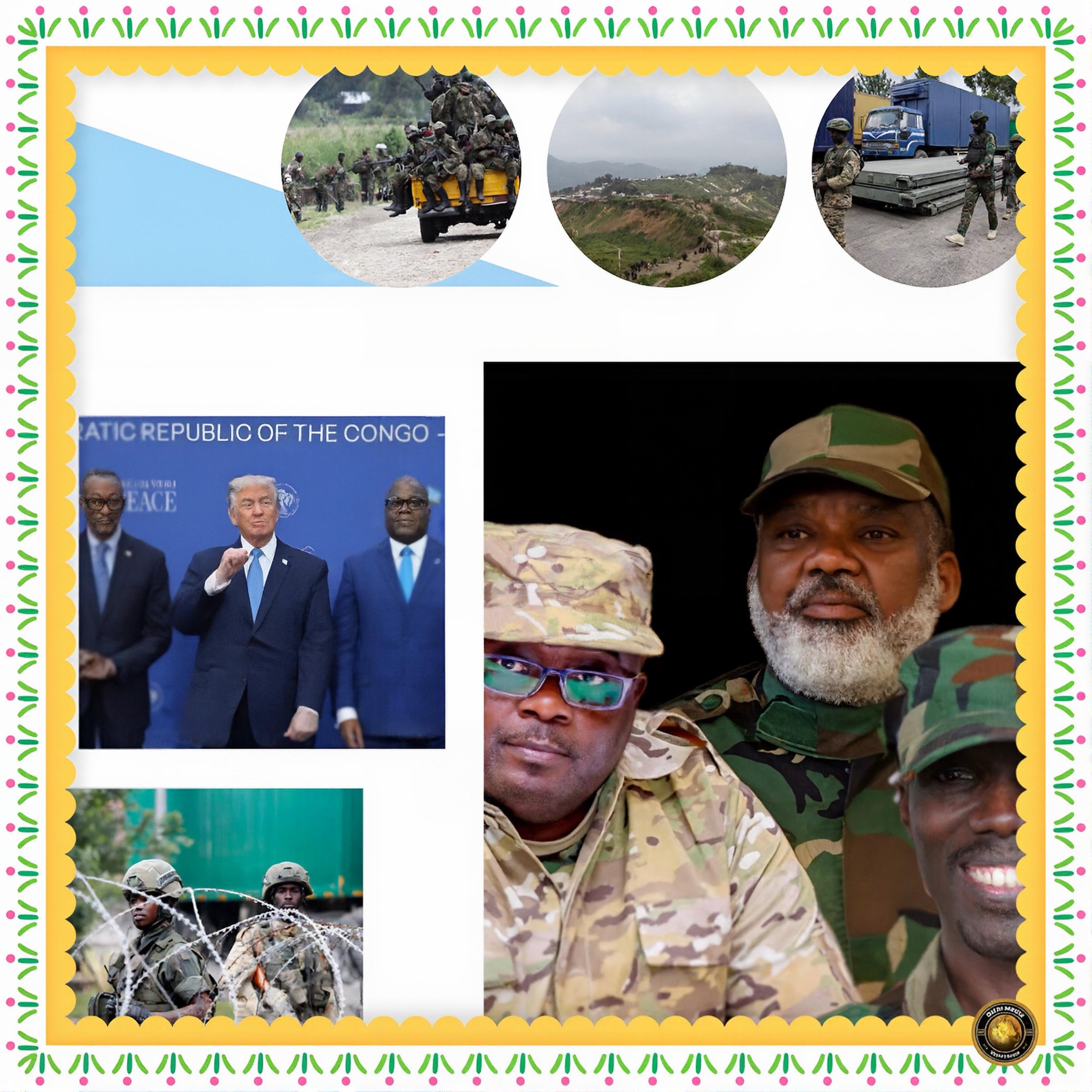
The Gulf state’s involvement began with a historic trilateral meeting in Doha on March 18, 2025, between DRC President Félix Tshisekedi, Rwandan President Paul Kagame, and Qatar’s Emir Sheikh Tamim bin Hamad Al Thani.
This marked the first direct meeting between the DRC and Rwandan leaders since the conflict escalated in 2021.
Qatar’s mediation efforts extended beyond the state-to-state negotiations to include direct talks with rebel groups.
In parallel to the Washington negotiations, Qatar facilitated separate discussions in Doha between the Congolese government and the M23 rebel group, which is part of the Congo River Alliance.
These talks resulted in a joint declaration on April 23, 2025, in which both parties committed to the immediate cessation of hostilities.
The effectiveness of Qatar’s mediation was attributed to several factors.
Unlike previous African-led mediation attempts, Qatar possessed significant economic leverage through substantial investments in both countries, particularly Rwanda. Qatar Airways secured a 60% stake in the $1.3 billion new international airport.
This gave Qatar both incentive and influence to ensure successful negotiations.
Multiple Diplomatic Tracks
The peace process involved a complex, multi-track diplomatic strategy coordinated between the United States, Qatar, and the African Union.
While the U.S. focused on negotiations between the two governments in Washington, Qatar concentrated on separate but parallel talks in Doha with the rebel groups.
In June 2025, Qatar presented a draft peace proposal to the DRC government and M23 rebels after months of mediation efforts in Doha.
However, progress on this separate track appeared limited, with an M23 representative describing the draft as “outdated” and not reflecting their proposals.
The Congo River Alliance, of which M23 is a member, indicated it was not participating in the U.S.-mediated talks but was instead focused on the Qatar-facilitated negotiations in Doha.
Agreement Contents and Implementation
The signed agreement includes provisions for respecting territorial integrity, prohibiting hostilities, and disengaging, disarming, and conditionally integrating non-state armed groups.
It also establishes a mechanism to monitor the withdrawal of Rwandan troops within three months, while Congolese military operations against the Democratic Forces for the Liberation of Rwanda (FDLR) are expected to conclude within the same timeframe.
The agreement incorporates a “regional economic integration framework” that could attract billions of dollars in Western investment to the mineral-rich region.
This economic component has drawn scrutiny, as the eastern DRC contains vast reserves of cobalt, lithium, copper, and other minerals essential for modern technology.
Skepticism and Challenges
Despite the diplomatic breakthrough, significant challenges remain for successful implementation.
Critics, including Nobel Peace Prize laureate Denis Mukwege, have characterized the agreement as potentially rewarding aggression and legitimizing the plundering of Congolese natural resources.
The M23 rebel group has not yet committed to disarmament, with their spokesperson stating they were “not there yet” and awaiting developments in the Doha negotiations.
Previous ceasefire agreements have repeatedly failed to achieve lasting peace, with multiple truces collapsing shortly after being signed.
The current conflict escalated dramatically in early 2025 when M23 rebels, allegedly backed by Rwanda, captured the strategic cities of Goma and Bukavu, leading to over 7,000 deaths and displacing nearly one million people.
The peace agreement represents both a diplomatic achievement and an uncertain path forward. Its ultimate success depends on the willingness of all parties to honor their commitments and address the underlying economic and political drivers of the conflict.