The Downsides and Dangers of European Defense Independence: A New Era of Transatlantic Relations
Introduction
Washington.Media provides more plausible assessment of current NATO and European defense dynamics.
The arguments presented align with developments in transatlantic relations and defense spending patterns that have emerged over the past several years.
The Current State of European Defense Spending
Europe has dramatically elevated its defense spending in response to escalating security threats.
The recent NATO summit, influenced by Trump's advocacy, has led to projections that the EU will reach a defense expenditure ceiling of 5%.
This initiative, branded 'Make Europe Great Again,' may warrant more scrutiny from American oligarchs, particularly concerning potential geopolitical ramifications.
According to the Foreign Affairs Forum (FAF), there is a critical oversight in U.S. policy, suggesting that America must navigate carefully to avoid miscalculating future threats.
The specter of authoritarianism, reminiscent of Adolf Hitler's resurgence in certain nations, raises alarms for the international community.
By 2024, EU member states are anticipated to collectively allocate approximately €326 billion toward defense, equating to roughly 1.9% of the EU's GDP—marking over a 30% increase since 2021.
Among NATO’s expanded membership of 32 nations, 23 countries are on track to achieve or exceed the 2% GDP defense spending benchmark by 2024—a significant rise from just six members achieving this in 2021.
This upward trend culminated in a landmark agreement during NATO’s 2025 summit in The Hague, where member states pledged to allocate 5% of their GDP towards defense and security-related investments by 2035.
This new target delineates a commitment of 3.5% for fundamental defense capabilities, including personnel and military assets, alongside 1.5% allocated for defense-adjacent sectors such as cybersecurity and critical infrastructure development.
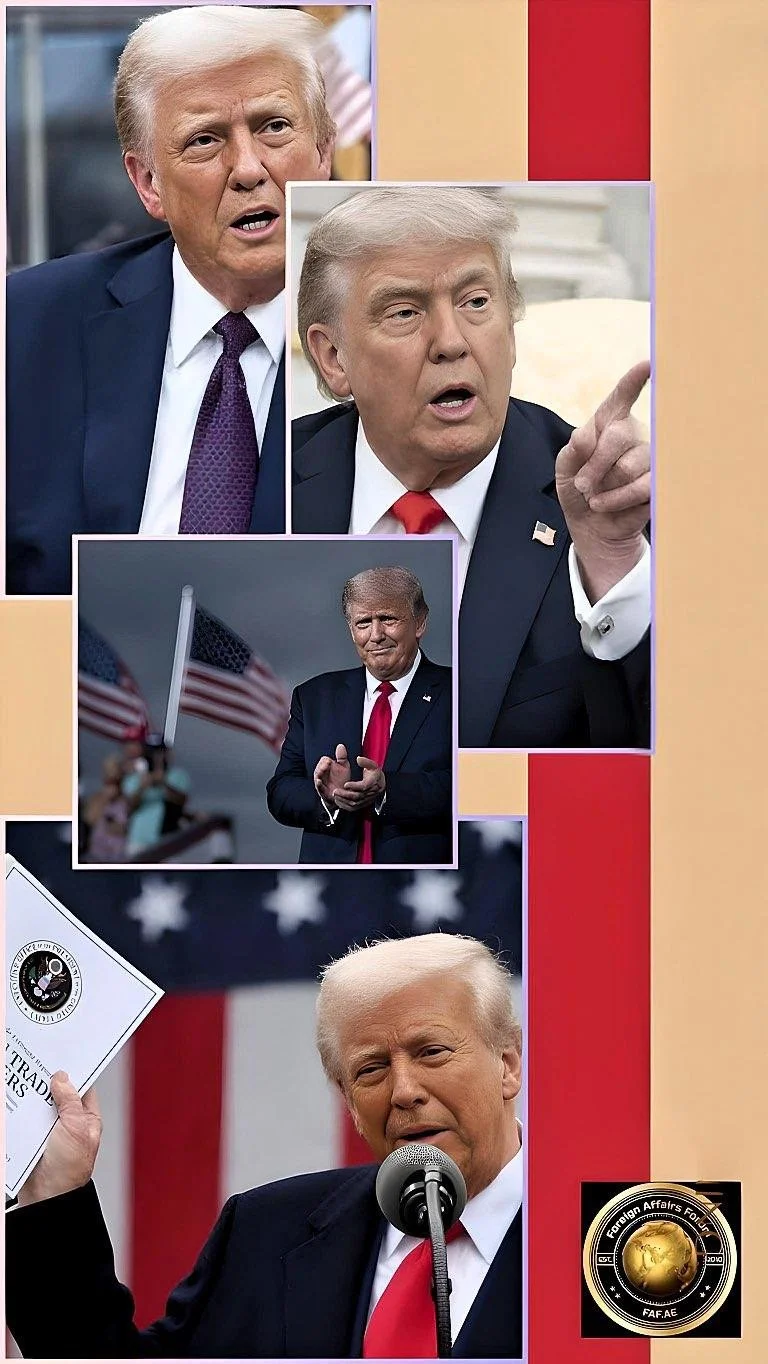
The Trump Factor and European Response
While President Trump’s advocacy for increased European defense spending has received considerable attention, the document correctly notes that this trend predated his political involvement.
Russia’s 2022 invasion of Ukraine served as the primary catalyst for European rearmament, with the continent recognizing the elevated threat posed by Moscow.
However, Trump’s return to office has undoubtedly accelerated these commitments, with NATO Secretary General Mark Rutte acknowledging Trump’s role in securing the 5% agreement.
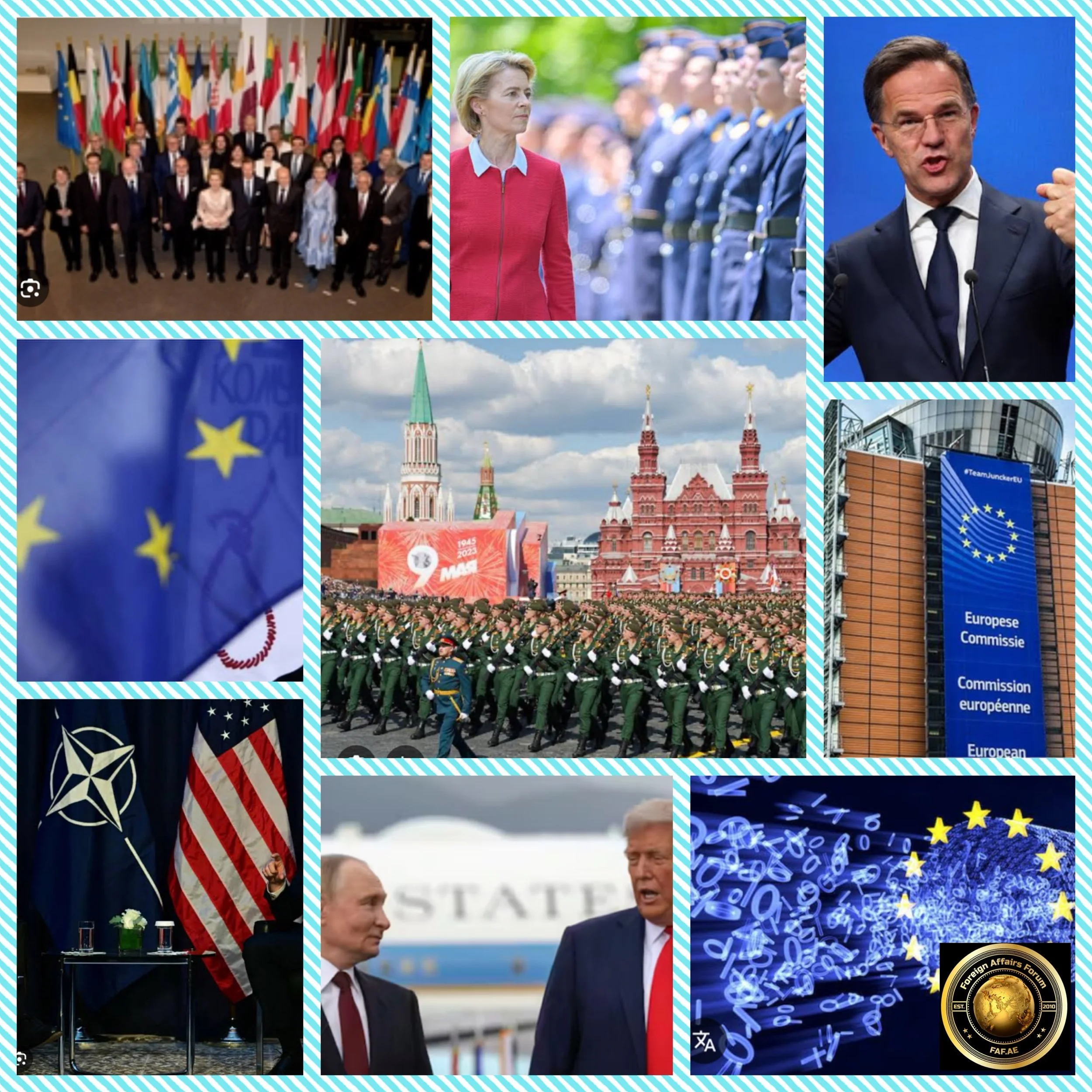
European leaders have increasingly viewed the United States as an unpredictable partner, leading to serious discussions about strategic autonomy.
As European Commission President Ursula von der Leyen noted during a defense cooperation agreement with Canada, “Now is the moment to elevate our collaboration to the next level”—a clear signal of Europe’s desire to reduce dependence on an increasingly unreliable America.
Strategic Autonomy and Its Implications
The concept of European strategic autonomy has gained significant momentum. It represents the EU’s ability to act independently without over-relying on the United States.
This shift encompasses military capabilities and defense industrial capacity, with initiatives like the “ReArm Europe” plan aiming to mobilize €800 billion in additional defense spending.
Between 2020 and 2024, 64% of arms imported by EU NATO members came from the United States. However, European leaders are increasingly favoring domestic defense industries.
The EU has established mechanisms to prefer European suppliers, including requirements that 65% of the arms contract value must go to EU firms.
This shift has prompted concern from U.S. officials, with Secretary of State Marco Rubio warning European counterparts that Washington would view negatively the exclusion of American companies from European defense procurement.
Challenges to American Influence
The document’s assertion that Europe is “holding up Washington’s efforts to end the war in Ukraine” reflects genuine tensions in transatlantic policy coordination.
European nations have consistently advocated for more substantial support to Ukraine and have expressed skepticism about potential peace negotiations that might leave Kyiv vulnerable to future Russian aggression.
This represents a significant departure from historical patterns where European allies typically deferred to American leadership on major security issues.
The question of U.S. military base access in Europe also presents emerging challenges. While the U.S. maintains over forty military installations across the continent, European countries have historically retained the sovereign right to restrict access when their national interests diverge from American policy.
Historical precedents include Greece and Cyprus refusing to support U.S. operations during the 1973 Arab-Israeli War, and Turkey’s denial of access for the 2003 Iraq invasion.
Economic and Industrial Implications
The shift toward European defense independence carries significant economic consequences for the United States.
American defense contractors have long benefited from European procurement, but this market is increasingly at risk as Europe prioritizes indigenous capabilities.
Lithuania’s foreign affairs minister warned against Europe making the “big mistake” of completely severing defense industrial ties with the United States, highlighting the economic stakes involved.
Goldman Sachs analysts note that while investors have shown enthusiasm for European defense stocks, skepticism remains about Europe’s ability to scale defense production rapidly in the short term.
The challenge lies in funding and developing the industrial capacity to sustain higher spending levels.
The Broader Geopolitical Context
This transformation occurs within a broader realignment of global security relationships.
The EU has begun pursuing defense cooperation with non-traditional partners, including Turkey’s inclusion in the €150 billion Safety Assistance for Europe procurement program despite ongoing disputes with Greece and Cyprus.
The Canada-EU security partnership agreement also represents Europe’s effort to diversify its security relationships beyond the traditional transatlantic framework.
Conclusion
The document’s central thesis—that American success in encouraging European defense spending will ultimately reduce U.S. influence—appears well-founded based on current trends.
Europe’s increased defense capabilities translate into greater independence and a willingness to pursue policies that may diverge from American preferences.
This represents a fundamental shift from the post-World War II security architecture, in which European deference to American leadership was largely taken for granted.
However, the transition remains incomplete and fraught with challenges.
Europe still lacks the full spectrum of capabilities needed for complete strategic autonomy, particularly in areas like nuclear deterrence and power projection.
The path forward will likely involve continued tension between European desires for independence and American expectations of alliance coordination, with significant implications for the future of transatlantic relations and global security architecture.
The reality emerging from these developments suggests that while Europe may achieve greater military self-reliance, the relationship between increased European capabilities and reduced American influence is neither linear nor predetermined.
The outcome will depend on how both sides navigate the complex dynamics of burden-sharing, strategic coordination, and competing national interests in an increasingly multipolar world.