Introduction
Silent Genocide in the West Bank: Analysis of Accusations and Evidence
The question of whether a “silent genocide” is occurring in the West Bank has emerged as a contentious issue in international discourse, with various human rights organizations, UN experts, and scholars raising serious concerns about systematic patterns of violence and displacement affecting Palestinians.
Understanding Genocide: Legal Framework and Definitions
Before examining specific allegations, it’s essential to understand the legal definition of genocide. According to the 1948 Genocide Convention, genocide encompasses “any of the following acts committed with intent to destroy, in whole or in part, a national, ethnical, racial or religious group”.
These acts include killing members of the group, causing serious bodily or mental harm, deliberately inflicting conditions of life calculated to destroy the group, preventing births, and forcibly transferring children.
The crucial element distinguishing genocide from other crimes is the specific intent to destroy a group “as such”.
This requires proving that harmful acts occurred and were committed to destroy the targeted group.
Current Situation in the West Bank
Escalating Violence and Casualties
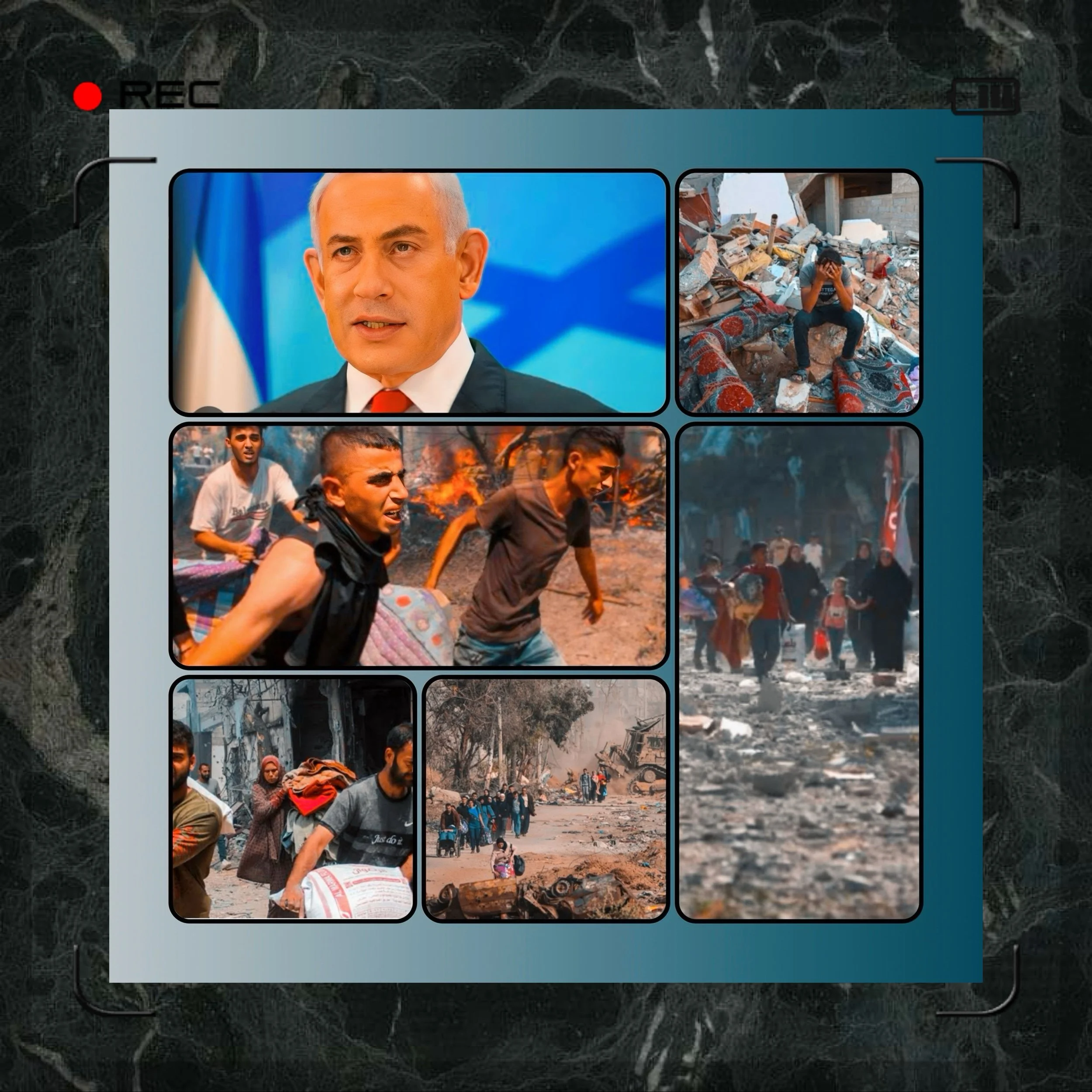
The West Bank has experienced unprecedented levels of violence since October 2023. According to UN Human Rights Office reports, 612 Palestinians were killed in the West Bank, including East Jerusalem, by Israeli forces and settlers during the period from November 2023 to October 2024.
This represents a dramatic escalation, with 228 Palestinian fatalities in the first half of 2024 alone, marking a 65% increase compared to the same period in 2023.
Recent military operations have intensified dramatically. Israel’s “Summer Camps” operation in northern West Bank cities, including Jenin, Tubas, and Tulkarem, has resulted in significant casualties and destruction.
More recently, the “Iron Wall” operation launched in January 2025 has led to at least 10 Palestinian deaths in Jenin alone.
Mass Displacement and Infrastructure Destruction
The scale of displacement in the West Bank has reached levels not seen since 1967.
According to UN Special Rapporteur Francesca Albanese, more than 40,000 refugees from Jenin, Tulkarm, and Nur Shams were forcibly displaced from their homes since January 2025.
Israeli military operations have involved “air strikes, armoured bulldozers and controlled demolitions to conduct raids, demolish homes and destroy villages and critical infrastructure including farmland”.
Amnesty International reported that Israel’s military operations have displaced tens of thousands of Palestinians by destroying homes and essential civilian infrastructure, rendering areas uninhabitable.
The organization characterized this as “the largest displacement of Palestinians in the West Bank since then ”.
Settlement Expansion and Settler Violence
Settlement activity has accelerated significantly. During 2024, Israel demolished 1,779 Palestinian-owned structures in the West Bank, resulting in 4,527 Palestinians being forcibly displaced. Settler violence has also increased, with a monthly average of 118 incidents in 2024, compared to 108 in 2023.
The UN Human Rights Office documented that Israeli settler violence killed 11 Palestinians, including three children, while injuring 500 Palestinians during the reporting period.
Significantly, 680 Palestinians were displaced due to settler violence and access restrictions, including more than 310 children.
Allegations of Genocidal Intent and Acts
UN Expert Assessments
UN Special Rapporteur Francesca Albanese has explicitly warned of “mass ethnic cleansing” in the West Bank, stating that “Palestinians face a serious risk of mass ethnic cleansing as Israel advances its long-held plan to take Palestinian lands and evacuate them of Palestinians under the fog of war”.
She emphasized that while ethnic cleansing is not a standalone crime, “it involves actions that constitute war crimes, crimes against humanity, and even genocide”.
The UN Special Committee investigating Israeli practices concluded in November 2024 that “Israel’s warfare in Gaza is consistent with the characteristics of genocide”. However, this finding focused primarily on Gaza rather than the West Bank.
Human Rights Organizations’ Positions
Several human rights organizations have raised concerns about potentially genocidal acts.
Euro-Med Human Rights Monitor has characterized Israeli actions as part of an “expansion of the ongoing genocide that has been occurring in the Gaza Strip since 7 October 2023”.
Al-Baidar Organization for Defending Bedouin Rights has specifically alleged that “Israel is committing genocide against the Bedouin communities in the West Bank”, pointing to systematic deportation of Bedouin communities as evidence.
Academic and Legal Expert Perspectives
While there is growing consensus among genocide scholars regarding Gaza, the West Bank situation has received less direct academic attention, specifically on the genocide question.
However, experts have noted concerning patterns.
The systematic nature of operations and official statements about “voluntary evacuation” that masks forced displacement has raised red flags among legal observers.
Challenges in Establishing Genocide Claims
The Intent Requirement
The most challenging aspect of proving genocide is establishing the specific intent (dolus specialis) to destroy a group.
While there is extensive documentation of killings, displacement, and destruction in the West Bank, proving that these acts were committed with the specific intent to destroy Palestinians as a group remains legally complex.
Scale and Systematic Nature
Unlike the concentrated devastation in Gaza, West Bank operations have been more geographically dispersed and have unfolded over a longer timeline.
This pattern, while still causing significant harm, presents different challenges for genocide determinations compared to the more concentrated destruction documented in Gaza.
Distinction from Other International Crimes
Even if specific genocide charges prove difficult to establish, the documented acts in the West Bank may still constitute other serious international crimes, including crimes against humanity, war crimes, and ethnic cleansing.
The International Court of Justice has already ruled that Israel’s entire occupation of Palestinian territories is illegal under international law.
International Legal Proceedings
ICJ Cases
The International Court of Justice is currently hearing South Africa’s genocide case against Israel, though this case has focused primarily on Gaza. The ICJ has issued provisional measures ordering Israel to prevent genocidal acts, though compliance has been disputed.
Separately, the ICJ issued an advisory opinion in July 2024 declaring Israel’s occupation of Palestinian territories unlawful and calling for its immediate end.
This ruling encompasses the West Bank and provides essential legal context for current operations there.
Broader Legal Context
The legal framework surrounding the West Bank is complicated by its status as an occupied territory under international law.
The Fourth Geneva Convention prohibits the forcible transfer of civilians and requires occupying powers to protect the occupied population. Many actions documented in the West Bank appear to violate these fundamental obligations.
Conclusion
While the term “silent genocide” reflects genuine concerns about systematic patterns of violence, displacement, and destruction affecting Palestinians in the West Bank, determining whether these acts legally constitute genocide requires careful analysis of both the objective acts and the crucial element of specific intent to destroy the group.
The documented evidence reveals concerning patterns: unprecedented levels of Palestinian casualties, mass displacement on a scale not seen since 1967, systematic destruction of homes and infrastructure, and accelerating settlement expansion coupled with settler violence.
UN experts have explicitly warned of ethnic cleansing, while human rights organizations have documented grave violations of international law.
However, the legal determination of genocide ultimately rests with competent international judicial bodies.
The available evidence clearly shows that serious international crimes are being committed in the West Bank that demand immediate international attention and accountability, regardless of their precise legal classification.
The systematic nature of these actions, their scale, and their impact on Palestinian communities constitute violations of fundamental principles of international humanitarian law and human rights law that the international community must address.
The situation in the West Bank represents a critical test for the international legal system’s ability to prevent mass atrocities and protect vulnerable populations under occupation.
Whether classified as genocide, ethnic cleansing, or other international crimes, the documented patterns of violence and displacement demand urgent international intervention to protect Palestinian civilians and uphold the rule of law.