Washington.Media: Why America Must Stop Israel’s Conflict with Iran—And How Trump Can Steer Us Away from a Catastrophic Escalation
Introduction
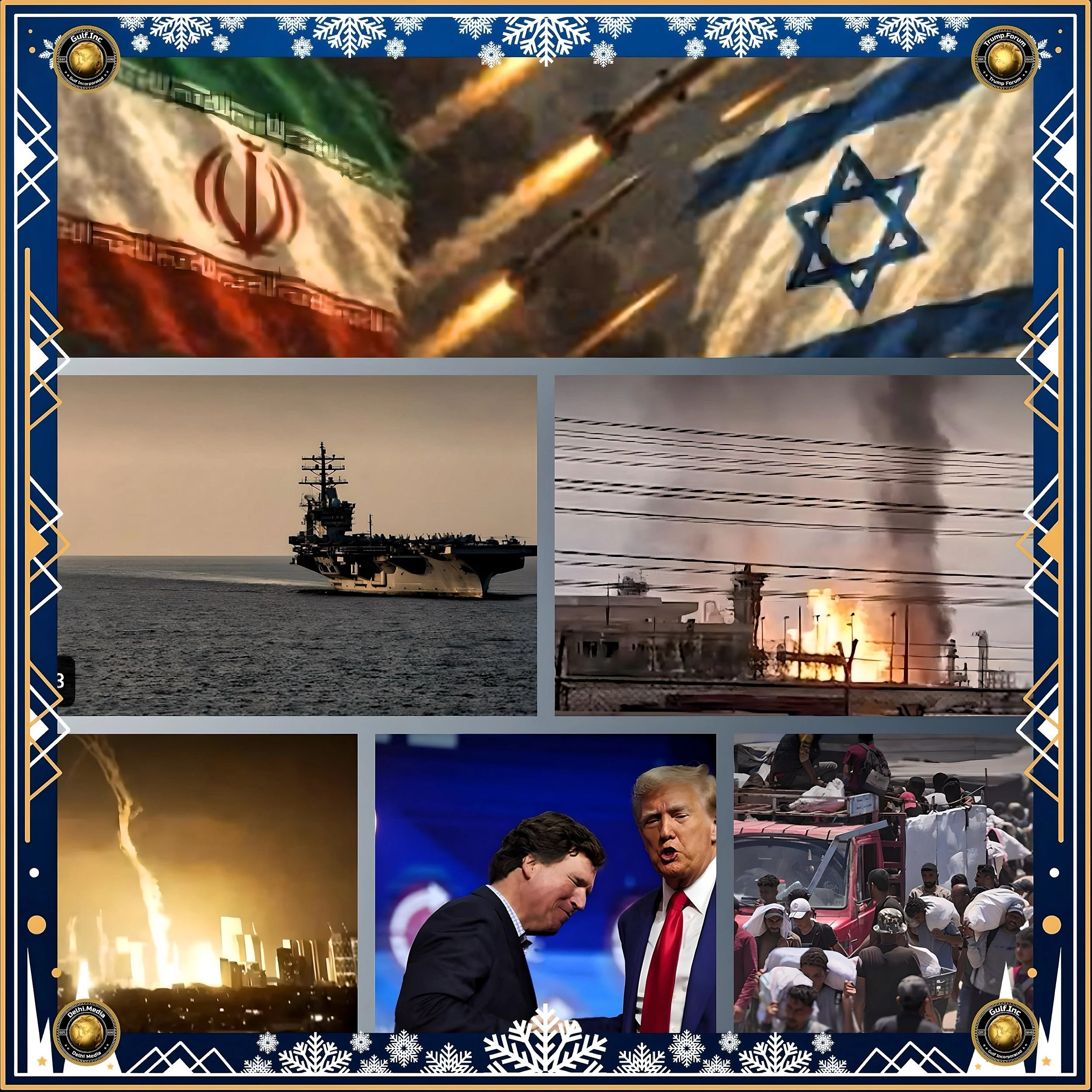
The conflict between Israel and Iran that erupted on June 13, 2025, has reached a critical juncture that will define the trajectory of Middle Eastern geopolitics for decades to come.
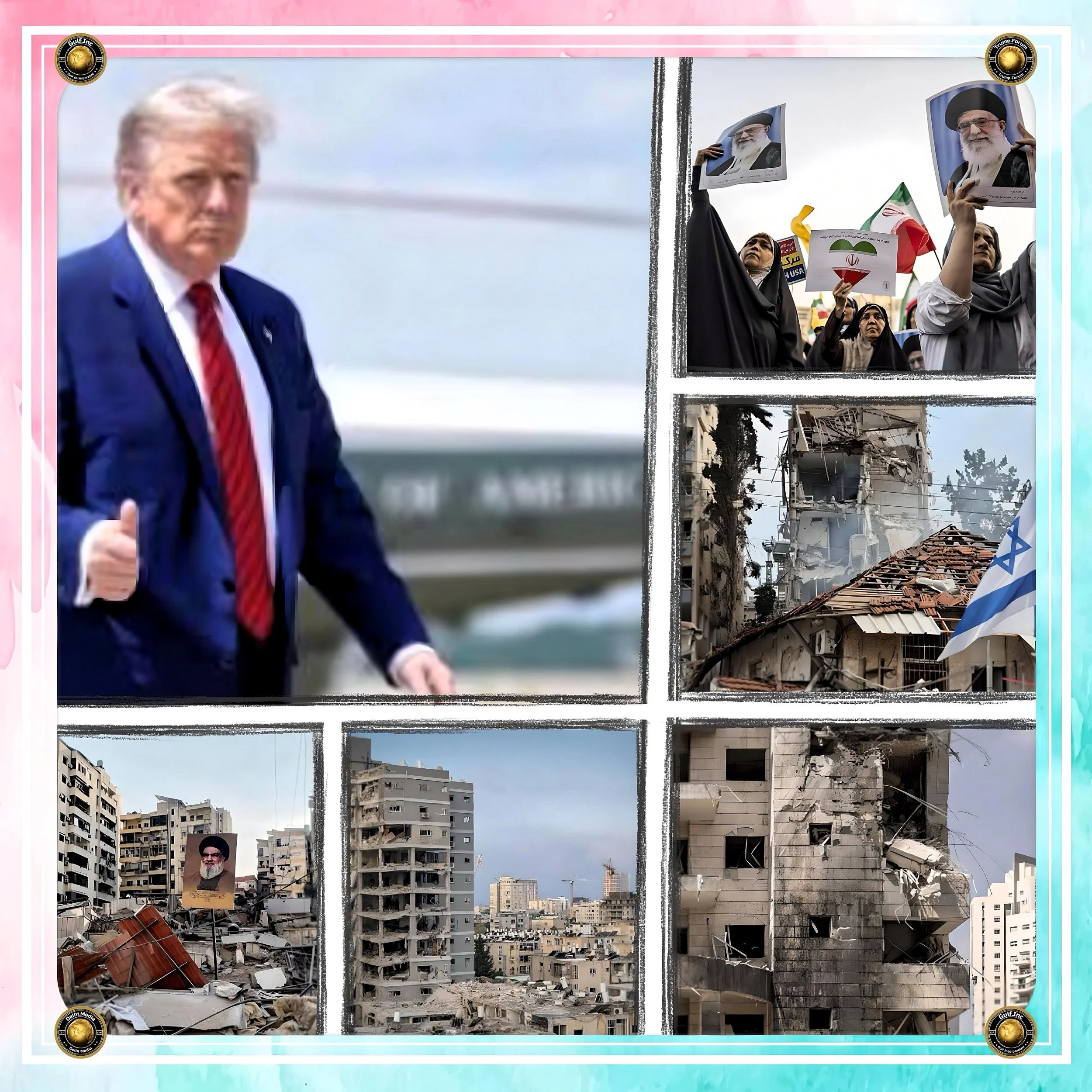
As Israel’s military operation enters its second week, the devastating scope of the campaign has become clear: at least 430 people have been killed and over 3,500 injured in Iran. At the same time, 24 have died in Israel from retaliatory strikes.
Yet despite Israel’s tactical successes in degrading Iran’s nuclear infrastructure and eliminating key military commanders, the fundamental strategic question remains unanswered: Will President Donald Trump authorize American military intervention to complete what Israel cannot finish alone, or will he choose the path of diplomatic restraint that could prevent a regional catastrophe?
The incomplete text suggests the critical nature of this decision—that America holds the key to determining whether this conflict escalates into a broader regional war or finds resolution through negotiated settlement.
The outcome indeed hinges on Trump’s choice. Still, the evidence overwhelmingly suggests that military intervention would represent a strategic disaster of historic proportions, while diplomatic engagement offers the only sustainable path forward.
The Current State of Israel’s Campaign: Tactical Success, Strategic Limitations
Nuclear Infrastructure Damage Assessment
Israel’s eight-day military campaign has inflicted unprecedented damage on Iran’s nuclear program, targeting key facilities across the country with precision strikes.
The Israel Defense Forces have successfully struck Iran’s largest uranium enrichment center at Natanz, with satellite imagery revealing “direct impacts” on underground enrichment halls despite initial assessments suggesting only surface damage.
At the Isfahan Nuclear Technology Center, Israeli forces have conducted two separate waves of attacks, targeting centrifuge production facilities critical to uranium enrichment capabilities.
The International Atomic Energy Agency confirmed that Israeli strikes damaged “four critical buildings” at Isfahan, including the uranium conversion facility and fuel plate fabrication plant.
However, no radiation leaks have been detected at either Natanz or Isfahan. Israeli military officials claim these repeated strikes have “dealt a severe blow to Iran’s centrifuge production capabilities,” potentially setting back Iran’s nuclear program by several years.
However, the most heavily fortified nuclear site—the underground Fordow enrichment facility—remains undamaged.
Built deep inside a mountain and protected by an estimated 260 to 360 feet of concrete and rock, Fordow houses Iran’s most sophisticated centrifuges and represents the crown jewel of Iran’s nuclear infrastructure.
Military and Leadership Casualties
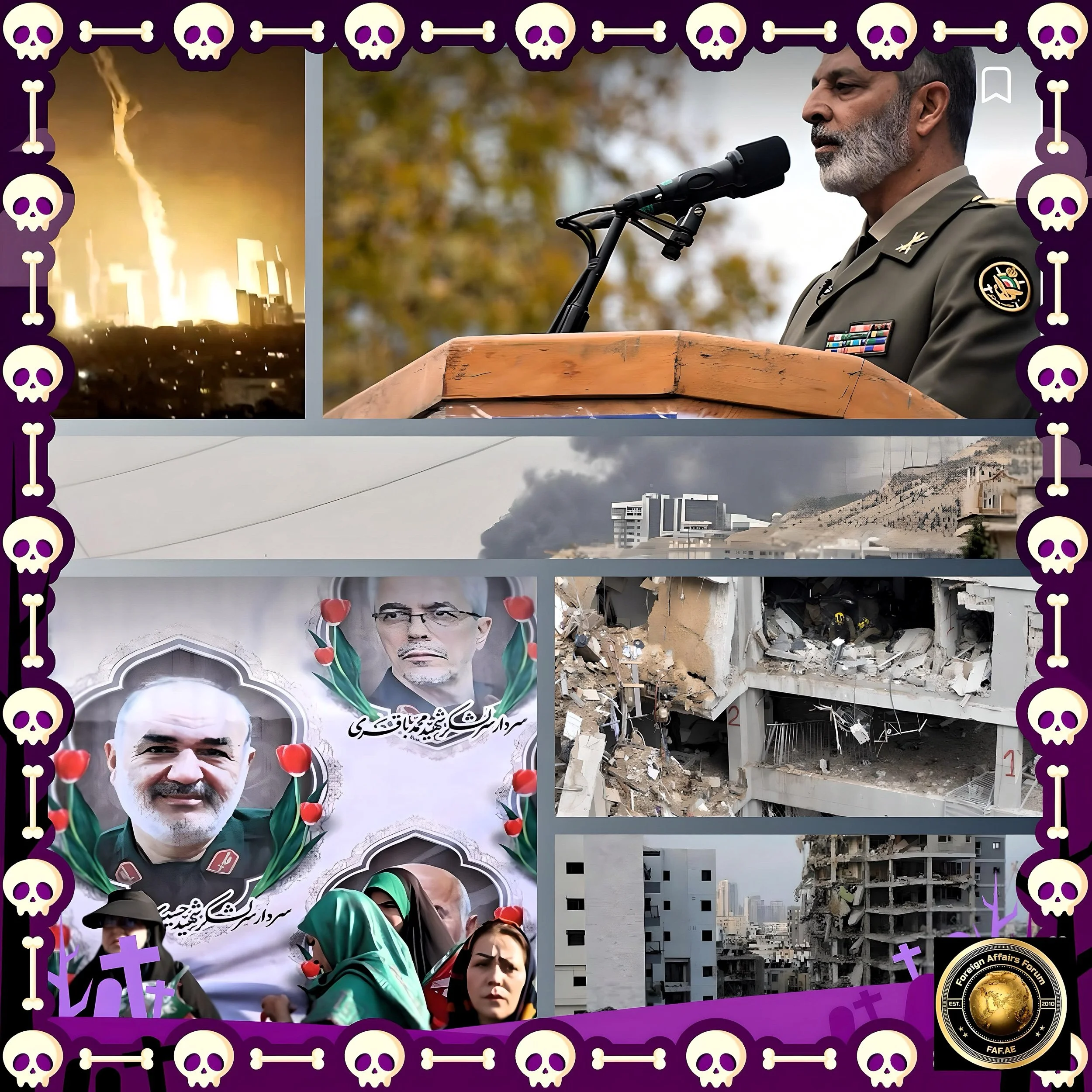
Beyond nuclear targets, Israel has systematically eliminated Iran’s military command structure, killing at least 14 Iranian atomic scientists and numerous high-ranking military officials.
The most significant casualty was Saeed Izadi, commander of the Palestine Corps within Iran’s Quds Force, killed in a strike on an apartment in Qom.
Israeli Defense Minister Israel Katz characterized Izadi’s elimination as a “significant success for Israeli intelligence and the Air Force,” noting his role in financially supporting Hamas before the October 7, 2023, attacks.
The systematic targeting of Iran’s military leadership has created a temporary disruption in Iranian command-and-control capabilities.
However, experts note that Iran’s institutional structures remain intact despite these personnel losses.
The Fordow Problem: Israel’s Technological Limitations
Despite Israel’s tactical successes, the survival of the Fordow facility represents a fundamental limitation that Israeli forces cannot overcome independently.
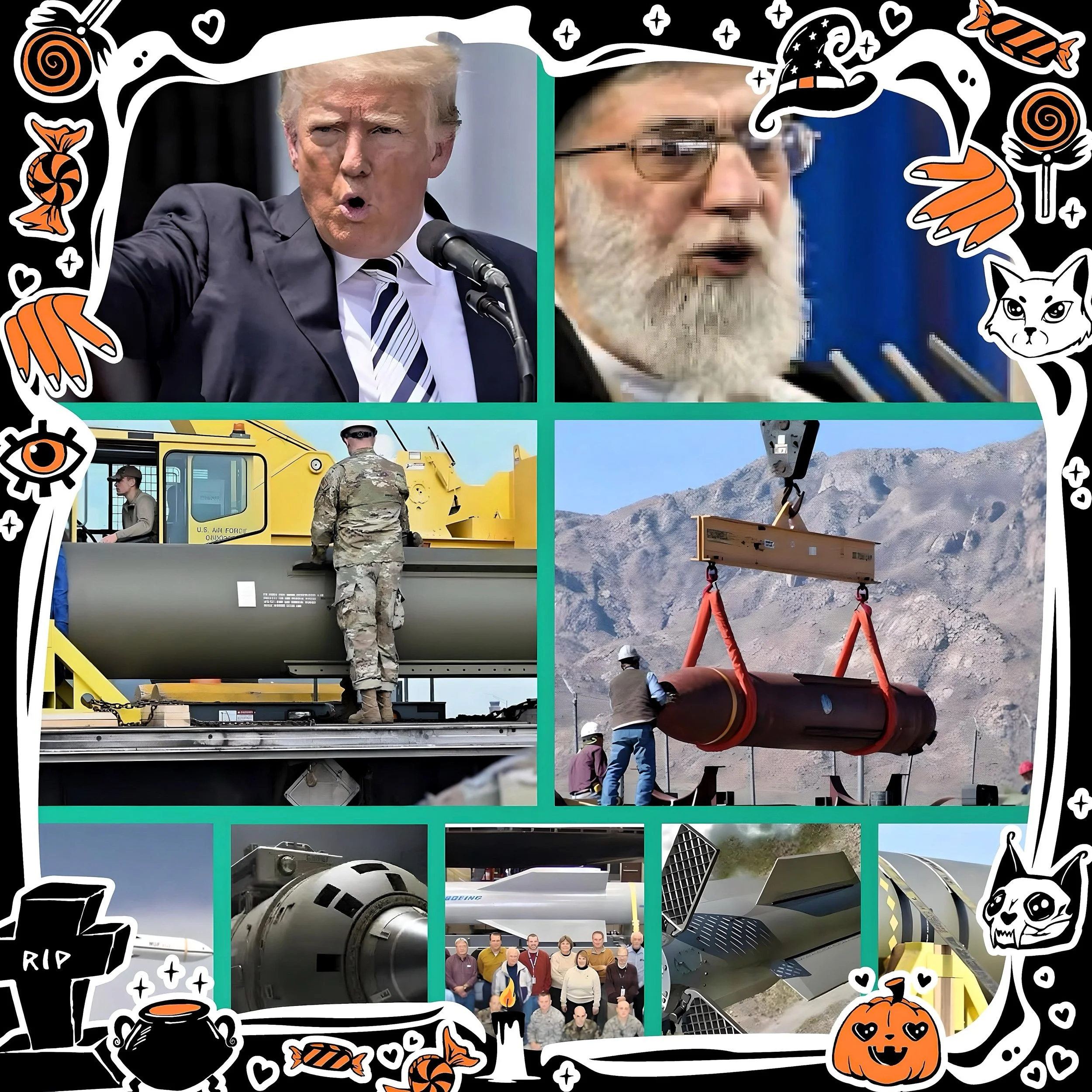
The facility’s location deep within a mountain requires the kind of massive ordnance that only the United States possesses: the GBU-57 Massive Ordnance Penetrator. This 30,000-pound bunker-buster bomb can only be delivered by American B-2 stealth bombers.
Military analysts emphasize that even the GBU-57 would require multiple precise strikes to penetrate Fordow’s defenses—a complex operation with significant risk of failure.
Israeli Ambassador to the United States reportedly stated that “this entire operation… truly must conclude with the destruction of Fordow,” highlighting the perceived importance of this target to Israeli strategic objectives.
Trump’s Two-Week Decision Window: The Critical Choice Point
The Pressure for Military Intervention
President Trump announced on June 19 that he would decide within two weeks whether the United States would join Israel’s military campaign, explicitly focusing on the destruction of the Fordow facility.
This timeline has created intense pressure from multiple directions, with Israeli officials arguing that only American military capabilities can complete the mission of dismantling Iran’s nuclear program.
The Trump administration has reportedly prepared detailed attack plans against Iran, with advisors presenting unified options during meetings at Camp David.
These plans specifically target the Fordow facility using the GBU-57 bunker-buster, representing a significant escalation from defensive missile interception to direct offensive operations against Iran.
However, Trump’s deliberative approach reflects deeper concerns about the consequences of military action.
According to sources familiar with the administration’s thinking, Trump has alternated between threats issued on social media and private concerns that a strike he orders could drag the United States into prolonged war.
The Collapse of Diplomatic Channels
The breakdown of diplomatic alternatives has intensified pressure for military action.
Trump and Turkish President Recep Tayyip Erdoğan quietly attempted to arrange a meeting between senior U.S. and Iranian officials in Istanbul.
Still, the effort collapsed when Iran’s Supreme Leader, Ali Khamenei—reportedly in hiding due to assassination fears—could not be reached to approve the negotiations.
This diplomatic failure prompted Trump’s extraordinary public message to Khamenei on Truth Social: “Iran should have signed the ‘deal’ I told them to sign… Simply stated, IRAN CAN NOT HAVE A NUCLEAR WEAPON… Everyone should immediately evacuate Tehran!”.
Iranian Foreign Minister Abbas Araghchi has since declared that Iran will not negotiate with the United States “until Israeli aggression ceases,” effectively eliminating diplomatic options while military operations continue.
The Case Against American Military Intervention
American Public Opposition to Military Action
Despite the administration’s apparent momentum toward military intervention, the American public overwhelmingly opposes U.S. strikes on Iran.
A Washington Post poll conducted during the current crisis found that 45 percent of Americans oppose U.S. airstrikes against Iran, while only 25 percent support them—a decisive 20-point margin against military action.
This opposition spans party lines, with 65 percent of Democrats, 61 percent of Independents, and 53 percent of Republicans opposing U.S. military intervention.
Even more significantly, only 22 percent of Americans view Iran’s nuclear program as “an immediate and serious threat,” while 48 percent consider it “somewhat serious” and 30 percent view it as either a minor threat or no threat at all.
These polling numbers reflect the enduring impact of previous Middle Eastern interventions, with 39 percent of Americans expressing being “very concerned” about the prospect of a full-scale war with Iran, and an additional 43 percent reporting being “somewhat concerned”.
The Retaliation Trap: Iran’s Asymmetric Response Capabilities
Military intervention would expose American forces throughout the Middle East to Iranian retaliation, creating an escalation spiral that could rapidly expand beyond original objectives.
Iran has positioned missiles and military hardware specifically to target the more than 40,000 American military personnel stationed across the region in countries including Iraq, Jordan, Saudi Arabia, and the United Arab Emirates.
Iranian capabilities for an asymmetric response extend beyond direct military strikes. Iran could activate its “Axis of Resistance” militias throughout the region and deploy Iranian intelligence sleeper cells globally to conduct terrorist attacks and take Americans hostage.
The potential for Iran to disrupt oil production through the Strait of Hormuz—through which 20-30 percent of global oil supply passes—could trigger worldwide economic disruption.
Experts warn that Iranian retaliation would be both persistent and adaptable, designed to inflict maximum cost on American forces while avoiding confrontation that might justify massive reprisals.
This dynamic would likely create a protracted conflict fundamentally different from the limited surgical strikes initially envisioned.
Technical Risks and Operational Uncertainties
The proposed strike on Fordow carries significant technical risks that could result in operational failure with severe consequences.
The GBU-57 bunker-buster has been tested only once and never used in combat, raising serious questions about its effectiveness against a target as deeply buried and well-protected as Fordow.
Military experts acknowledge that the successful destruction of Fordow would require multiple bombing runs with extraordinary precision.
If the initial strikes fail to breach the facility completely, Iran would likely relocate its operations to even more secure locations.
An unsuccessful attempt would not only fail to achieve its objective but could accelerate Iran’s rush toward nuclear weapons development as a deterrent against future attacks.
The Strategic Ineffectiveness of Military Solutions
The Knowledge Problem: Why Infrastructure Destruction Fails
Even successful destruction of physical nuclear infrastructure would not eliminate Iran’s nuclear capabilities permanently.
Iranian scientists retain the knowledge and expertise to rebuild damaged facilities, and most of Iran’s highly enriched uranium stockpile—reportedly over 400 kilograms of uranium enriched to 60 percent purity—is dispersed across multiple locations throughout the country.
Historical precedent demonstrates the limitations of airpower in achieving strategic objectives.
Previous U.S. bombing campaigns have consistently failed to achieve their broader political objectives despite tactical successes, reflecting a fundamental misunderstanding of how modern conflicts unfold and how nuclear programs can be sustained.
The destruction of centrifuges and enrichment facilities represents only a temporary setback rather than a permanent solution.
Iran would likely respond to successful strikes by withdrawing from the Nuclear Non-Proliferation Treaty, ending international oversight, and making future detection of nuclear activities exponentially more difficult.
The North Korea Parallel: Incentivizing Nuclear Development
Military strikes against Iran’s nuclear facilities may paradoxically accelerate rather than delay Iran’s path to nuclear weapons. Iranian leaders are undoubtedly aware of the “North Korea lesson”—that countries possessing nuclear weapons are far less likely to face regime change attempts than those that abandon their programs.
The contrast between Libya’s fate after abandoning its nuclear program and North Korea’s survival despite international sanctions provides a powerful incentive for Iran to develop nuclear weapons as quickly as possible.
From Iran’s perspective, the current military pressure strengthens rather than weakens the case for rapid atomic weapons development.
Supreme Leader Khamenei’s recent warning that “any U.S. military intervention will undoubtedly be accompanied by irreparable damage” suggests that Iran views the current crisis as potentially existential, increasing the likelihood of desperate measures, including accelerated nuclear development.
The Diplomatic Alternative: A Path Not Yet Exhausted
Ongoing European Mediation Efforts
Despite the military escalation, diplomatic channels remain active through European mediation efforts. Iranian Foreign Minister Abbas Araghchi met with counterparts from Britain, France, and Germany in Geneva, seeking a resolution to the conflict while maintaining Iran’s position that negotiations cannot proceed while Israel continues its attacks.
European officials express cautious optimism about the potential for a diplomatic breakthrough, with French Foreign Minister Jean-Noël Barrot emphasizing that “we do not wish to see a repetition of what happened in Libya, Afghanistan, or Iraq”.
batteryThe European Union continues to play a behind-the-scenes coordinating role, attempting to bridge divides among European countries and between Europe and the United States.
These multilateral diplomatic efforts represent the comprehensive approach necessary for any sustainable solution to the Iran crisis.
The involvement of France, Germany, and Britain—all former participants in the 2015 Joint Comprehensive Plan of Action—provides continuity with previous successful diplomatic frameworks.
The Precedent of Previous Nuclear Agreements
Iran’s nuclear program has been successfully constrained through diplomatic means before, demonstrating the viability of negotiated solutions.
The 2015 JCPOA imposed robust verification measures on Iran’s nuclear activities while providing sanctions relief, effectively freezing Iran’s nuclear program for several years until Trump’s withdrawal from the agreement in 2018.
Iranian officials have indicated readiness to return to negotiations similar to the 2015 framework, with Foreign Minister Araghchi stating, “We are ready for a negotiated solution, just like in 2015”.
Despite the ongoing military pressure, this willingness to engage diplomatically suggests that negotiated solutions remain possible if the right conditions can be created.
Economic and Regional Consequences of Escalation
Oil Market Volatility and Global Economic Impact
The potential for expanded conflict involving the United States threatens global energy security by disrupting Middle Eastern oil supplies.
The Middle East produces approximately one-third of the world’s oil, with a substantial portion transported through the Strait of Hormuz, making this strategic waterway critical for global energy security.
Any Iranian attempt to disrupt oil flows through the Strait of Hormuz—which carries 20-30 percent of the global oil supply—would trigger immediate price spikes and economic disruption worldwide.
I’m working till The fragility of this supply chain underscores the global economic stakes involved in preventing further escalation of the Iran-Israel conflict.
Current geopolitical tensions have already unsettled markets, prompting investors to seek refuge in safe-haven assets while shifting focus toward defense companies.
The potential for the conflict to destabilize the broader oil-rich Middle East and draw in the world’s largest economy has created significant market volatility.
Regional Alliance Implications
U.S. military intervention would force regional allies to choose sides in a conflict that could destabilize the entire Middle East.
Countries hosting American military bases would become potential targets for Iranian retaliation, potentially undermining decades of carefully constructed security partnerships.
The involvement of American forces would also complicate relationships with European allies actively pursuing diplomatic solutions.
European leaders have sought to determine if Trump is inclined to authorize strikes while attempting to persuade him to endorse diplomatic approaches to the Iranian crisis.
Trump’s Decision Matrix: Weighing Costs and Benefits
The “America First” Calculation
Trump’s delay in authorizing military action reflects his focus on protecting American interests rather than pursuing military adventures that could entangle the United States in prolonged Middle Eastern conflicts.
This calculation involves weighing the potential benefits of eliminating Iran’s nuclear program against the substantial risks of military escalation and the costs of ongoing regional involvement.
The president’s instinctive reluctance to authorize strikes that could drag the United States into prolonged war aligns with his campaign promises to avoid new military commitments.
Trump’s decision to pause military orders that could significantly impact global geopolitics demonstrates his recognition of the gravity of the choice.
The Political Constraints
Trump faces significant political constraints in authorizing military action against Iran, particularly given overwhelming public opposition to military intervention.
The American public’s rejection of Middle Eastern military adventures, shaped by the experiences in Iraq and Afghanistan, creates a powerful political incentive for restraint.
The contradiction between Trump’s political base and foreign policy establishment preferences creates additional complexity.
While some advisors may favor military action, Trump’s “America First” constituency generally opposes new military commitments that could drain American resources and attention from domestic priorities.
The Pathway to De-escalation: A Diplomatic Framework
Immediate Ceasefire Requirements
The first step toward diplomatic resolution requires an immediate ceasefire between Israel and Iran to create space for negotiations.
Iranian Foreign Minister Araghchi has made clear that “aggression must stop” before Iran will engage in nuclear talks with the United States.
This ceasefire would need to be coupled with American pressure on Israel to halt its military operations, something Iran has specifically identified as a prerequisite for renewed negotiations.
Washington needs only to tell Israel to “stop everything” for talks to resume, according to Iranian officials.
Comprehensive Nuclear Framework
A sustainable diplomatic solution would require a comprehensive nuclear framework that addresses both Iranian atomic capabilities and regional security concerns.
This framework must include robust verification measures similar to those in the 2015 JCPOA while providing Iran with sanctions relief and security guarantees.
The United States has reportedly proposed Iran’s participation in a regional consortium that would enrich uranium outside of Iran, though Tehran has thus far rejected this arrangement.
Alternative frameworks that allow Iran to maintain limited enrichment capabilities under strict international oversight may prove more acceptable to Iranian negotiators.
Regional Security Architecture
Long-term stability requires addressing the broader regional security architecture that has driven the Iran-Israel conflict.
This approach would involve multilateral frameworks that include European allies and regional partners in comprehensive security arrangements designed to prevent future escalation.
Such an architecture would need to address legitimate security concerns of all parties while establishing mechanisms for conflict prevention and resolution.
The current crisis has demonstrated the urgent need for more robust diplomatic frameworks to manage regional tensions before they escalate to military conflict.
Conclusion: The Choice Between Catastrophe and Prudence
President Trump’s decision to engage in American military intervention in Iran represents one of the most consequential foreign policy choices of his presidency.
The evidence overwhelmingly demonstrates that military action would fail to achieve its stated objectives while creating enormous new risks for American interests and global stability.
The technical challenges of destroying Iran’s nuclear infrastructure, the certainty of Iranian retaliation against American assets, the overwhelming opposition of the American public, and the historical record of failed Middle Eastern interventions all point toward the same conclusion: military intervention would be a strategic catastrophe.
While more complex and time-consuming, the alternative path of sustained diplomatic engagement offers the only realistic prospect for a lasting resolution of the Iran nuclear crisis.
Iranian officials have indicated readiness to return to negotiations if Israeli attacks cease, creating an opportunity for the kind of comprehensive diplomatic framework that successfully constrained Iran’s nuclear program from 2015 to 2018.
Trump’s two-week decision window provides a final opportunity to choose strategic restraint over military escalation.
The stakes extend far beyond the immediate Iran-Israel conflict to encompass American credibility, regional stability, and global economic security. The choice between catastrophe and prudence has rarely been clear or consequential.
The incomplete nature of Israel’s military campaign—its inability to destroy the Fordow facility without American assistance—creates both pressure and opportunity.
Rather than viewing this limitation as requiring American military intervention, Trump should recognize it as an opportunity to transition from military pressure to diplomatic engagement.
The outcome of this conflict will indeed depend on American choices. Still, those choices should prioritize sustainable diplomatic solutions over the false promise of military quick fixes that have failed so consistently in the past.
America should end Israel’s war on Iran, not join it. The path to preventing disastrous escalation lies not in bunker-buster bombs but in the patient work of diplomacy—work that remains possible if Trump chooses wisdom over recklessness in the critical days ahead.