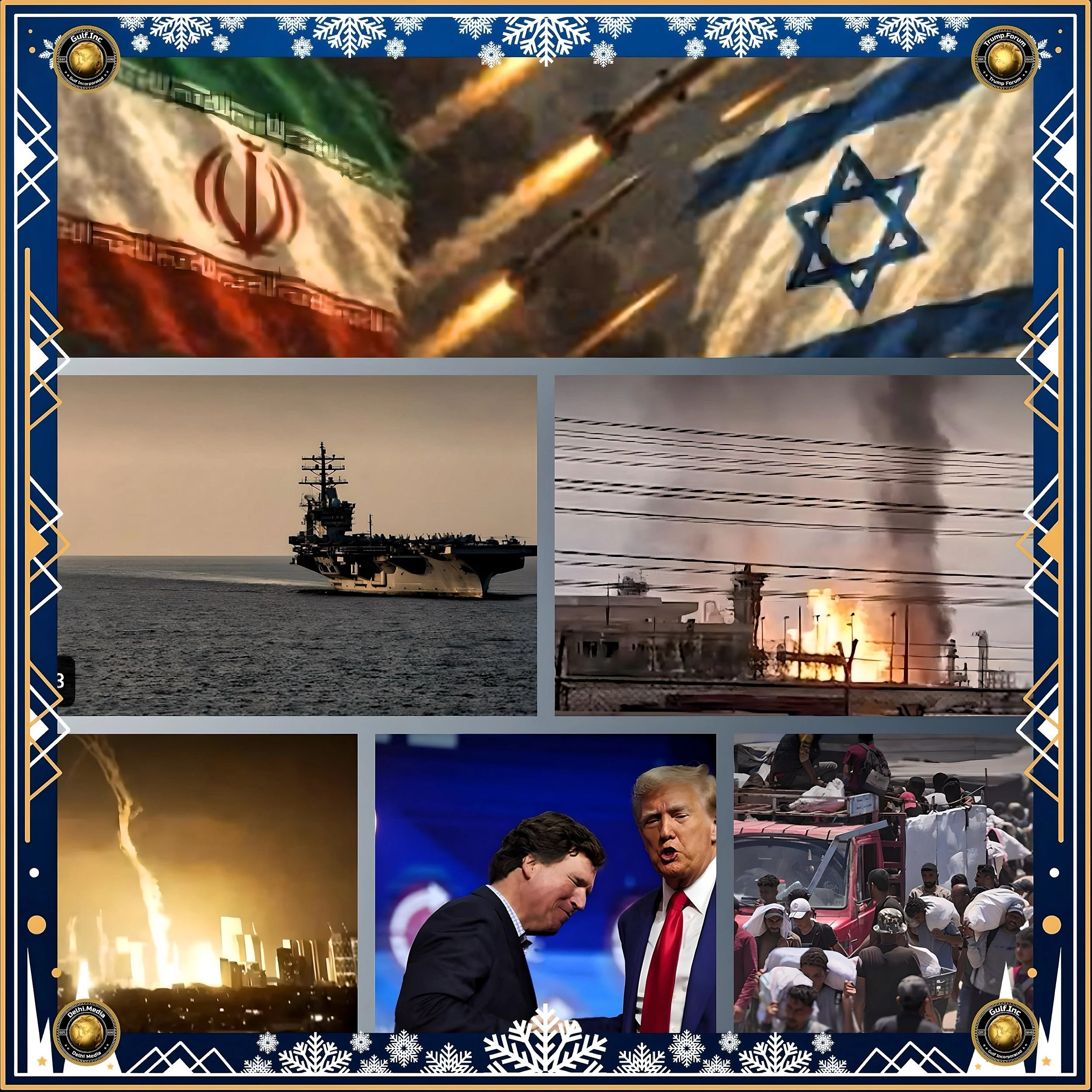
The Israel-Iran Conflict of 2025: A Comprehensive Analysis of Military Escalation, U.S. Response, and Global Implications
Executive Summary
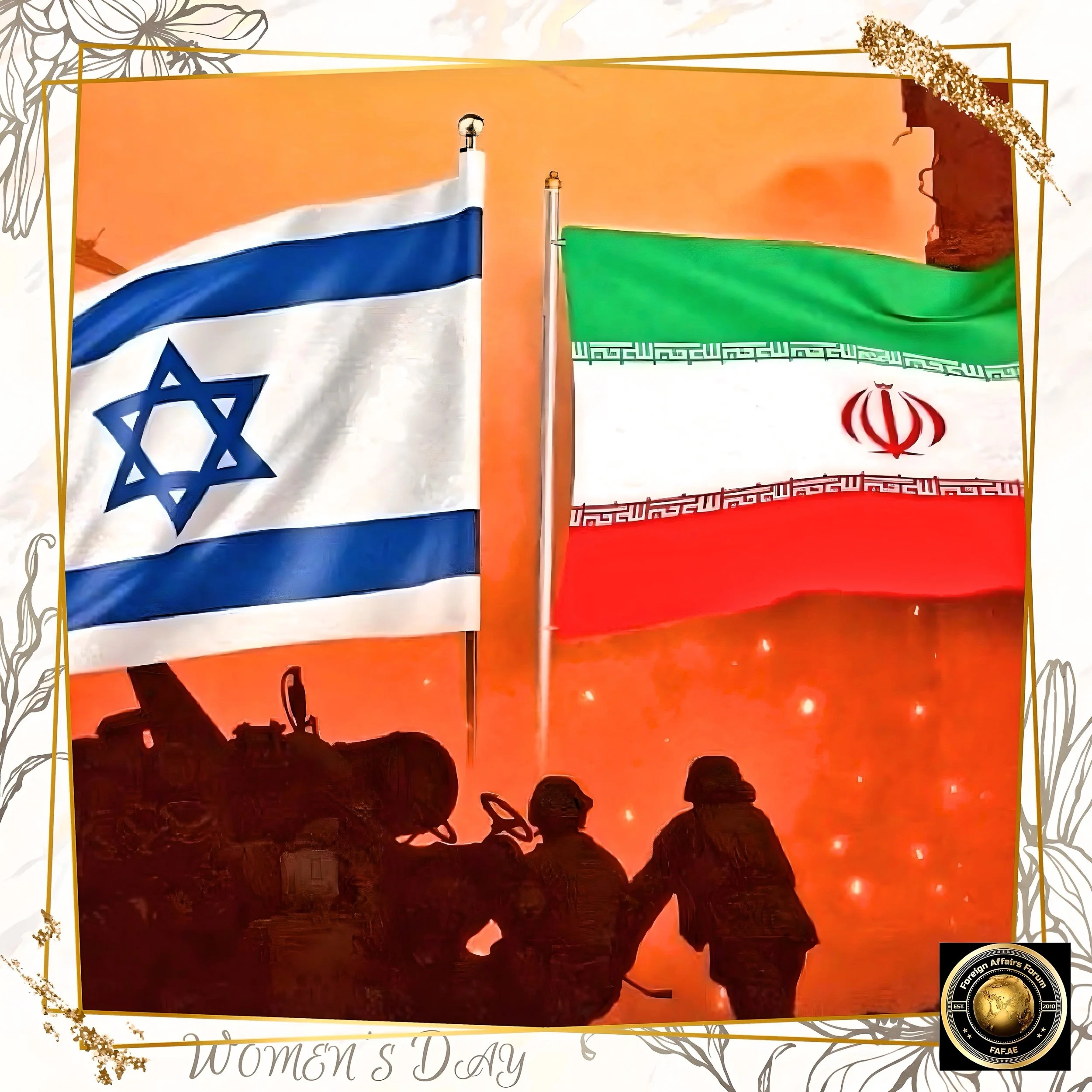
The Israel-Iran conflict reached an unprecedented level of direct military confrontation in June 2025, marking a dramatic shift from decades of proxy warfare to open hostilities between the two regional powers.
Israel’s “Operation Rising Lion,” launched on June 13, 2025, targeted Iran’s nuclear facilities and military infrastructure, prompting massive Iranian retaliation and creating the most serious risk of regional war in decades.
FAF, Defense.Forum analyzes the conflict with concerns about the exposure of deep divisions within U.S. political circles regarding American involvement, which threaten to derail diplomatic efforts and potentially trigger broader regional instability.
Current Military Escalation
Operation Rising Lion: Israel’s Preemptive Strike
Israel’s military operation commenced in the early hours of June 13, 2025, with coordinated strikes across multiple Iranian locations.
The operation targeted over 100 sites using more than 200 Israeli aircraft that dropped over 330 munitions, representing the most significant attack on Iran since the Iran-Iraq War of the 1980s.
Key targets included the Natanz nuclear facility, where Iran’s pilot fuel enrichment plant housing advanced centrifuges capable of enriching uranium up to 60% was reportedly destroyed.
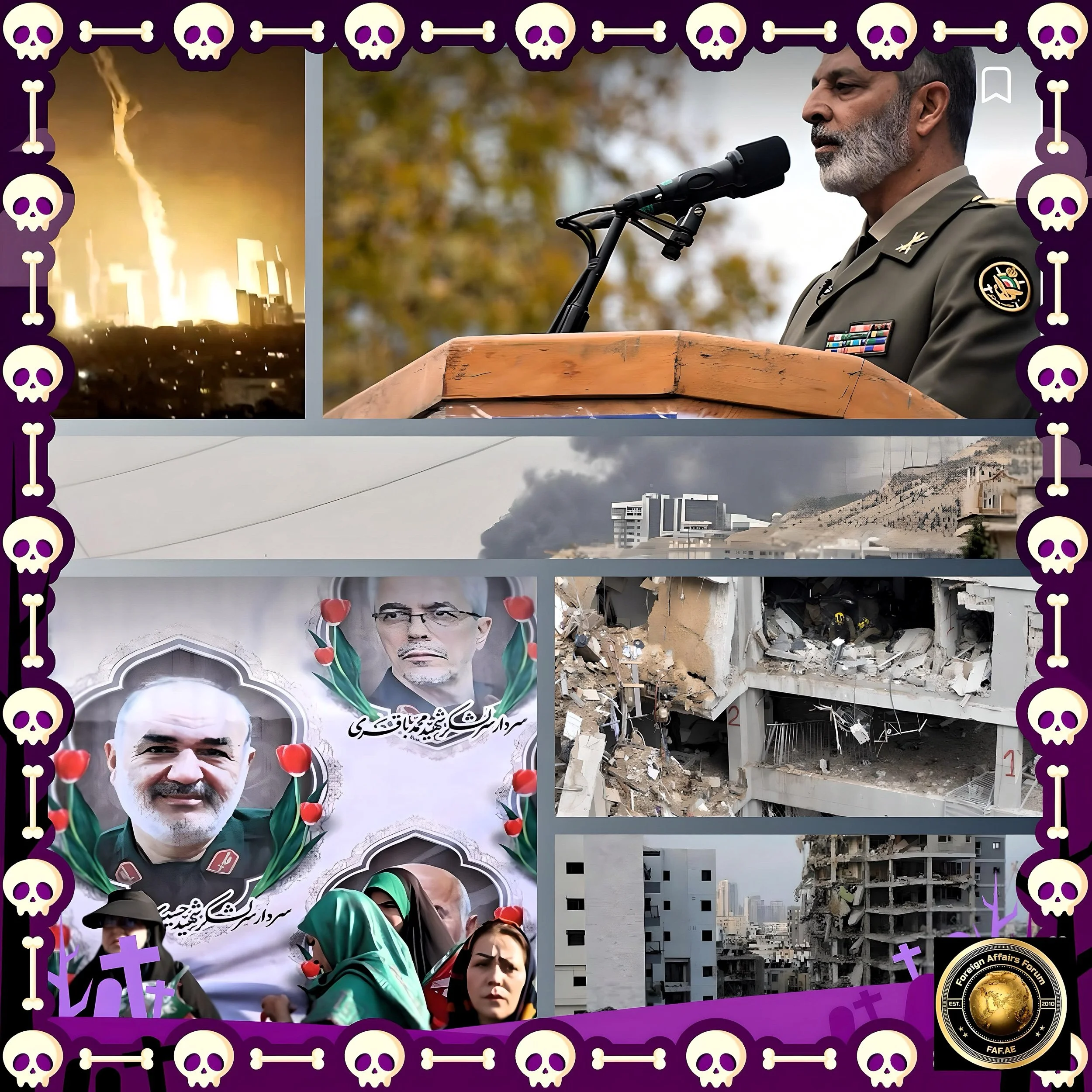
The strikes achieved significant tactical objectives, including eliminating high-ranking Iranian military officials.
Among those killed were Islamic Revolutionary Guard Corps (IRGC) commander Hossein Salami, Iranian Armed Forces Chief of Staff Major General Mohammad Bagheri, and several nuclear scientists, including Fereydoon Abbasi-Davani and Mohammad Mehdi Tehranchi.
The operation also involved sophisticated Mossad operations, including the establishment of covert drone bases near Tehran and the deployment of commandos to turn off Iranian air defenses.
Iranian Retaliation: Operation True Promise III
Iran’s response, codenamed “Operation True Promise III,” involved launching over 150 ballistic missiles and more than 100 drones against Israeli territory. This marked the third direct Iranian attack on Israel, following previous operations in April and October 2024.
The Iranian strikes resulted in casualties on Israeli soil, with at least three civilians killed and dozens injured, according to reports.
The exchange of strikes has continued for multiple days, with both sides conducting additional operations.
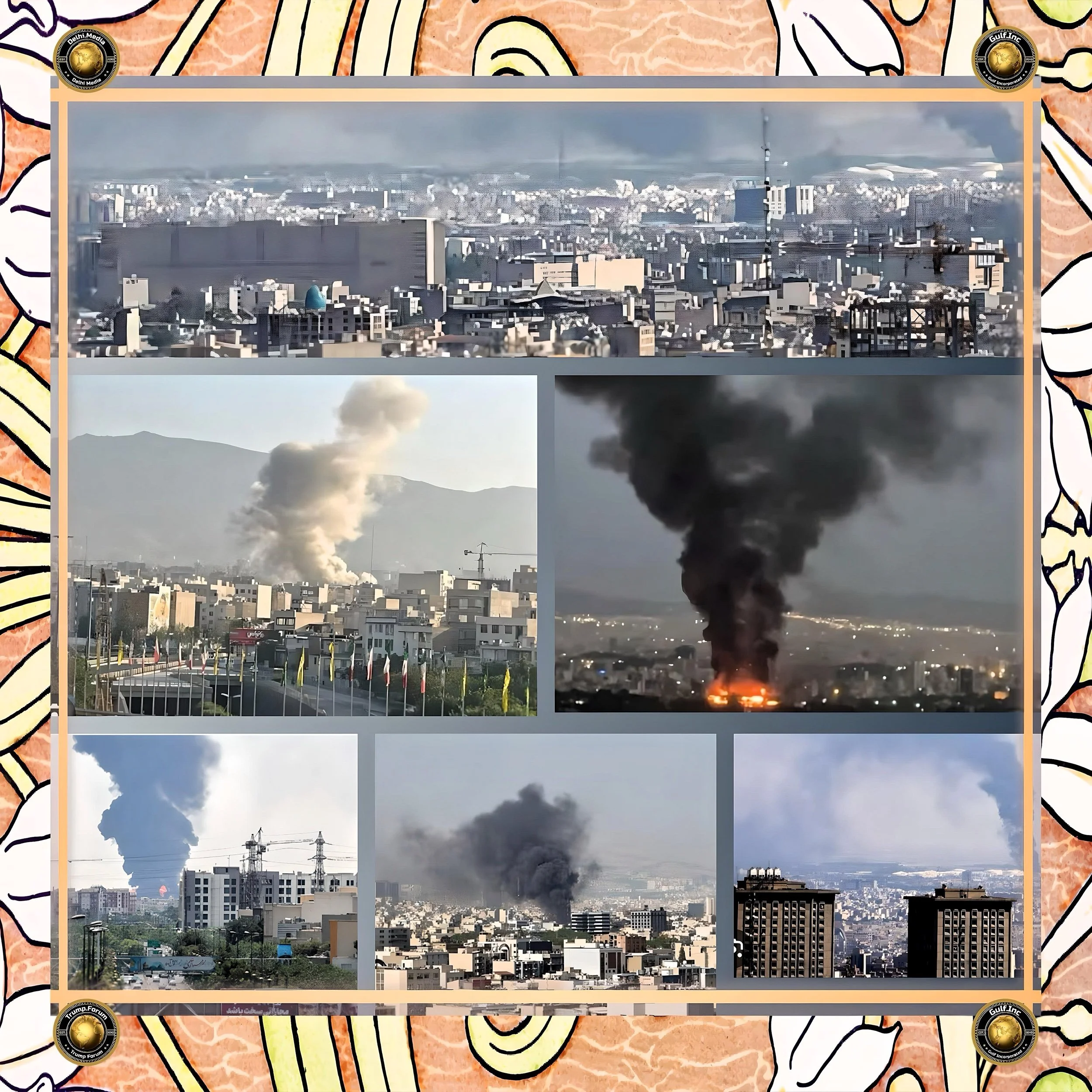
Iranian missiles have targeted civilian areas in northern Israel, including cities like Haifa and Tel Aviv. At the same time, Israeli forces have struck Iranian defense ministry facilities in Tehran and critical energy infrastructure.
Israel’s Request for U.S. Military Support
The Fordow Challenge
Israel has formally requested U.S. military assistance to strike Iran’s heavily fortified Fordow nuclear facility, acknowledging that this underground enrichment site is beyond Israeli army capabilities.
The facility, buried deep beneath a mountain near Qom, requires specialized bunker-buster munitions that only the United States possesses.
Specifically, Israel would need access to the GBU-57A/B Massive Ordnance Penetrator (MOP), a 30,000-pound bunker-buster bomb that Israel does not have in its arsenal.
U.S. Response: Defensive Support Only
The Trump administration has declined to provide direct military participation in offensive operations against Iran. Instead, U.S. forces have focused on defensive support, actively intercepting Iranian missiles and drones aimed at Israel.
American naval destroyers, fighter jets, and ground-based Patriot missile defense systems have contributed to Israel’s protection, with U.S. assets helping shoot down incoming ballistic missiles.
The United States has also repositioned military resources in the region, directing destroyers capable of ballistic missile defense toward the eastern Mediterranean and increasing security precautions at regional air bases.
This defensive posture reflects the administration’s attempt to support Israeli security while avoiding direct offensive involvement that could escalate the conflict further.
U.S. Congressional and Political Response
Bipartisan Divisions
The Israel-Iran conflict has exposed significant divisions within both major U.S. political parties regarding appropriate levels of American involvement.
Republican leaders have generally supported Israel’s actions, with Senate Majority Leader John Thune emphasizing Iran’s longstanding threats to Israeli existence and House Speaker Mike Johnson asserting Israel’s right to defend itself.
However, opposition has emerged from unexpected quarters within the Republican Party. Senator Rand Paul has been vocal in his opposition, stating, “No war with Iran.
The Neocons’ latest plan must be opposed” and urging President Trump not to join any war between other countries.
Representative Thomas Massie has similarly argued that “Israel doesn’t need US taxpayers’ money for defense if it already has enough to start offensive wars,” declaring his intention to vote against funding what he termed “this war of aggression.”
Democratic Concerns and Opposition
Democratic lawmakers have expressed significant concerns about escalation and the potential for the conflict to draw the United States into another Middle Eastern war.
Progressive members have been particularly vocal, with Representative Ilhan Omar accusing Netanyahu of “provoking a war Americans don’t want” and warning against complicity in potential war crimes.
Senator Chris Murphy has been especially critical of the timing of Israeli strikes, noting they occurred just before scheduled U.S.-Iran nuclear negotiations and arguing that “Netanyahu wasn’t trying to help diplomacy; he was trying to destroy diplomacy.”
Senator Tim Kaine has similarly criticized Israel for striking while knowing that high-level diplomatic discussions were scheduled for the weekend.
MAGA Base Opposition
Perhaps most significantly for the Trump administration, prominent figures within the MAGA movement have expressed strong opposition to potential U.S. involvement.
Tucker Carlson has argued that direct U.S. involvement would constitute “a middle finger in the faces of the millions of voters who cast their ballots in hopes of creating a government that would finally put the United States first.”
Charlie Kirk of Turning Point USA has emphasized that the MAGA base is “completely against any war involvement.”
Legal and Constitutional Concerns
War Powers Act Requirements
Over 50 House members from both parties have emphasized that any offensive action against Iran would require Congressional authorization under the War Powers Act, which has not been granted.
The War Powers Act of 1973 requires presidential consultation with Congress before committing U.S. forces to hostilities and mandates the withdrawal of troops within 60 days unless Congress authorizes continued involvement.
Representative Thomas Massie has been particularly emphatic about constitutional requirements, stating that “we should resist any effort to get the U.S. in another Middle East war” without proper authorization.
This bipartisan concern reflects lessons learned from previous Middle Eastern conflicts and congressional determination to maintain its constitutional war-making authority.
Strategic Arguments Against U.S. Involvement
Military Overextension
Military experts have warned that the United States already faces significant strategic commitments that would be complicated by direct involvement in an Israel-Iran conflict.
With approximately 40,000 U.S. troops currently deployed across the Middle East and ongoing commitments in Ukraine and the Indo-Pacific, simultaneous conflicts could strain American military resources beyond sustainable capacity.
Diplomatic Consequences
The Israeli strikes have already derailed critical diplomatic efforts, with U.S.-Iran nuclear negotiations scheduled for June 15 being suspended indefinitely.
Iranian Foreign Minister Abbas Araghchi declared that discussions could not proceed under current conditions, describing Israel’s strikes as “barbarous” and stating it would be “meaningless to participate in dialogue” with the United States given its support for “the aggressor” Israel.
This diplomatic collapse represents a significant setback for efforts to prevent Iranian nuclear proliferation through peaceful means.
Senator Tim Kaine had described the nuclear talks as “the only viable path” to prevent nuclear proliferation, making their suspension particularly concerning for long-term regional stability.
Economic Risks
The conflict poses significant economic risks, particularly regarding global energy supplies. The narrow Strait of Hormuz, through which one in five barrels of global oil passes, could be effectively closed by Iran in the event of full-scale conflict.
Oil prices have already jumped over 7% following the initial strikes, and experts warn that broader conflict could spike prices to $150+ per barrel.
Israel’s targeting of Iran’s critical energy infrastructure, including the South Pars Gas Field (representing 12% of global LNG supply) and the Shahran oil depot (processing 8 million liters of gasoline daily), has already demonstrated the conflict’s potential to disrupt global energy markets.
World War III Risk Assessment
Constraining Factors
Several factors currently limit the risk of global escalation into a broader world war.
Iran’s traditional proxy network has been significantly degraded by Israeli operations over the past year, reducing Tehran’s ability to open multiple fronts simultaneously.
Hamas and Hezbollah, Iran’s primary regional allies, have been substantially weakened, limiting Iran’s retaliatory options.
Additionally, unlike previous Cold War-era conflicts, Iran lacks strong backing from major powers for offensive operations.
While China and Russia may provide diplomatic support, neither has shown willingness to provide substantial military backing for Iranian offensive operations against Israel.
Escalation Risks
Several triggers could potentially escalate the conflict beyond regional boundaries despite constraining factors.
The presence of 40,000 American troops in the Middle East makes them potential targets for Iranian retaliation, and any direct attack on U.S. forces could trigger automatic American military responses.
The nuclear dimension adds particular complexity, as Iran may accelerate its nuclear weapons program in response to attacks on its facilities.
This could potentially trigger a regional arms race or prompt additional military action by Israel and its allies.
FAF, Defense.Forum and other expert Assessments
Military and policy experts have expressed varying assessments of global escalation risks.
Professor Anthony Glees from the University of Buckingham has suggested that Israel’s response could serve as “a blueprint” for how a third world war might unfold, particularly if Iran receives support from regional proxies and international allies.
However, other analysts argue that the conflict is more likely to follow a “controlled escalation” pattern with periodic strikes and counterstrikes rather than full-scale warfare.
The degraded state of Iran’s proxy network and limited international support suggest that Tehran’s ability to expand the conflict significantly remains constrained.
International Reactions and Diplomatic Efforts
Global Calls for Restraint
International leaders have overwhelmingly called for restraint and de-escalation following the outbreak of direct hostilities.
British Prime Minister Keir Starmer described the reports of airstrikes as “concerning” and urged all parties to “step back and reduce tensions,” emphasizing that “now is the time for restraint, calm, and a return to diplomacy.”
German Chancellor Friedrich Merz expressed support for Israel’s right to defend itself while calling on both sides to “refrain from steps that lead to further escalation and destabilize the entire region.”
The United Nations Secretary-General António Guterres condemned “any escalation in the Middle East” and called for “maximum restraint”.
Regional Responses
Middle Eastern countries have expressed particular concern about regional stability. Saudi Arabia’s foreign ministry condemned what it termed “blatant aggressions against the brother the Islamic Republic of Iran,” despite the kingdom’s geopolitical tensions with Tehran.
The United Arab Emirates similarly condemned the strikes and called for the resolution of disputes through diplomatic means.
Suspension of Nuclear Negotiations
The most immediate diplomatic casualty has been the suspension of U.S.-Iran nuclear negotiations, which have been ongoing since April 2025.
These talks, mediated by Oman and involving U.S. Special Envoy Steve Witkoff and Iranian Foreign Minister Abbas Araghchi, had shown some promise for resolving the nuclear crisis diplomatically.
The negotiations had progressed through five rounds, with Iran proposing a three-step plan that would have involved temporarily lowering uranium enrichment to 3.67% in exchange for sanctions relief and eventual transfer of highly enriched uranium stockpiles to a third country.
The suspension of these talks represents a significant setback for the diplomatic resolution of the nuclear crisis.
Israel’s Regional Role: Hegemon, Nuisance, or Necessary Actor?
Perspectives on Israeli Actions
The question of Israel’s regional role has become increasingly complex as the country finds itself at the center of escalating conflicts.
From one perspective, Israel’s military actions and ongoing operations in Gaza, Lebanon, and Syria have sharply increased regional tensions and raised fears of a broader war involving multiple states.
Many in the region, particularly in Lebanon, Syria, and among Palestinians, view Israel as a source of instability and suffering, with its actions seen as direct threats to their security and sovereignty.
International organizations, including the United Nations, have condemned Israel’s actions in occupied Palestinian territories, citing violations of international law.
Strategic Counterweight Argument
Conversely, some Gulf states and Western allies view Israel as a necessary counterweight to Iranian influence and a potential anchor for a new regional security order.
The Abraham Accords and deepening security ties with Gulf states, especially Saudi Arabia and the UAE, have positioned Israel as a hub for regional security cooperation.
This perspective argues that Israel’s military and technological superiority has made it a dominant regional player, particularly as traditional Arab coalitions have weakened and Iran’s regional proxies have suffered significant setbacks.
Some analysts suggest that Israel’s proactive military strategy while destabilizing in the short term, could eventually facilitate new alignments and broader normalization with Arab states.
Conclusion and Future Implications
The Israel-Iran conflict of 2025 represents a watershed moment in Middle Eastern geopolitics, marking the transition from proxy warfare to direct military confrontation between regional powers.
The conflict has demonstrated both the potential for rapid escalation and the constraining factors that may prevent it from expanding into a global war.
The U.S. response has reflected the complex political dynamics within American society, with significant bipartisan opposition to direct military involvement despite broad support for Israel’s security.
The Trump administration’s approach of providing defensive support while avoiding offensive operations represents an attempt to balance alliance commitments with domestic political constraints and strategic considerations.
The suspension of nuclear negotiations represents perhaps the most significant long-term consequence, as it eliminates the most promising diplomatic pathway for addressing Iran’s nuclear program.
Without diplomatic alternatives, the region faces the prospect of continued military confrontation and potential nuclear proliferation.
The international community’s response has emphasized the urgent need for diplomatic re-engagement once hostilities stabilize.
However, the window for peaceful resolution continues to narrow with each escalatory cycle, making early diplomatic intervention crucial for preventing broader regional war.
The conflict’s ultimate resolution will likely require addressing underlying issues of regional security architecture, nuclear proliferation, and the role of external powers in Middle Eastern conflicts.