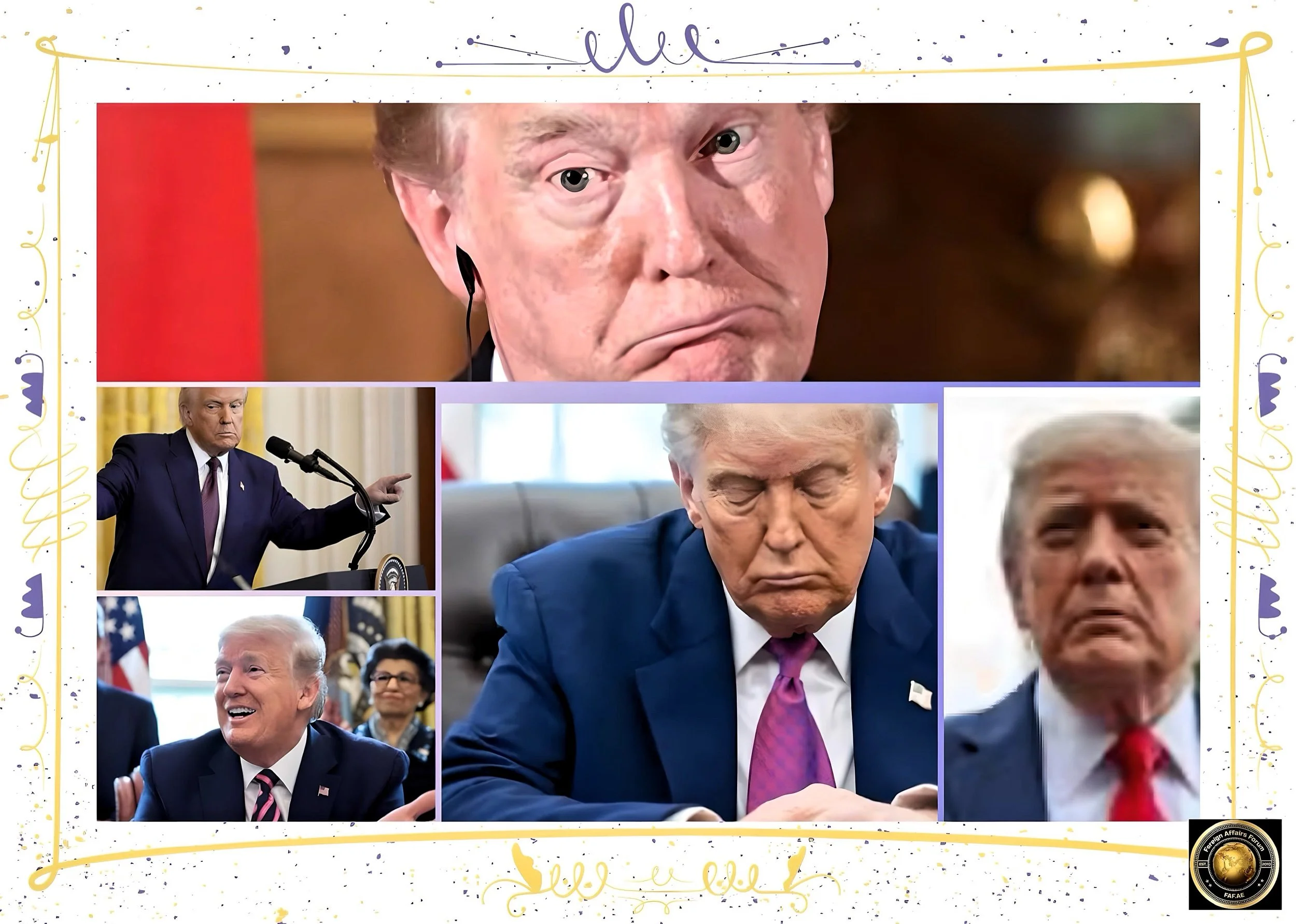
Trump Lacks the Patience for Peace: Why the Mercurial President Has Failed to Deliver on His Anti-War Rhetoric
Introduction
The Promise of an Anti-War President
Donald Trump successfully branded himself as an “anti-war” candidate during his presidential campaigns, distinguishing himself from the foreign policy establishment by criticizing America’s costly military interventions.
In December 2015, Trump attacked his Republican opponents’ hawkish credentials, stating: “In my opinion, we’ve spent $4 trillion trying to topple various people that frankly, if they were there and if we could’ve spent that $4 trillion in the United States… we would’ve been a lot better off”.
This rhetoric resonated with a war-weary American public, with more than half of Americans believing the Iraq invasion was a mistake by 2015.
Trump’s anti-war messaging became a cornerstone of his political identity. He promised to “measure our success not only by the battles we win but also by the wars that we end—and perhaps most importantly, the wars we never get into.”
He even selected J.D. Vance as his vice president, who has been outspoken on these issues and shares Trump’s criticism of the war on terror.
The Reality: Escalation Over Peace
Despite his anti-war rhetoric, Trump’s actual foreign policy record tells a different story. During his first term, he increased U.S. involvement in the Middle East and frequently yielded to hawkish advisors on questions of military force.
FAF analyses show that Trump was never truly “anti-war” - he escalated conflict in every theater of war he inherited, repeatedly brought the nation to the brink of new wars, and eschewed diplomacy for hostility.
Trump’s military actions included increasing drone strikes in Africa, continuing the war on terror, and overseeing significant military operations, including the assassination of Iranian General Qasem Soleimani in January 2020.
His administration also withdrew from crucial diplomatic agreements, including the Iran nuclear deal in 2018, which experts argue laid the groundwork for current Middle East tensions.
The Patience Problem: Unrealistic Expectations and Quick Fixes
Oversimplified Timelines
Trump’s fundamental problem lies in his unrealistic expectations about peacemaking. Upon taking office in January 2025, he initiated processes to seek peaceful resolutions to the wars in Ukraine and Gaza.
Still, his expectations were “unusually high” - expecting to solve these conflicts “with relatively little effort and in weeks, not years”.
This impatience stems from Trump’s background as a New York real-estate developer, which predisposes him toward hard bargaining and the belief that complex geopolitical conflicts can be resolved through face-to-face negotiations, similar to business deals.
His promises to solve disputes “overnight” or within 100 days have been widely mocked. Still, the bigger problem is that these short timelines make it easier for those who want diplomacy to fail to manipulate him.
The Ukraine Example
Trump’s approach to Ukraine exemplifies his impatience. During his 2024 campaign, he promised to end the war in “24 hours,” but his approach has proven ineffective when faced with the reality of complex negotiations.
His leaked “100-day peace plan” outlined a ceasefire by April 20, recognition of Russian sovereignty over occupied Ukrainian territories, and Ukrainian troop withdrawal from Russia’s Kursk region.
When Putin refused to acquiesce quickly to Trump’s timeline, the president began “lashing out, threatening secondary tariffs on Russian oil and criticizing both Kyiv and Moscow”.
This reveals Trump’s fundamental misreading of the situation: “Peace negotiations between Russia and Ukraine are not a real-estate deal or a televised handshake agreement”.
The Iran Nuclear Crisis: A Case Study in Failed Diplomacy
Creating the Problem
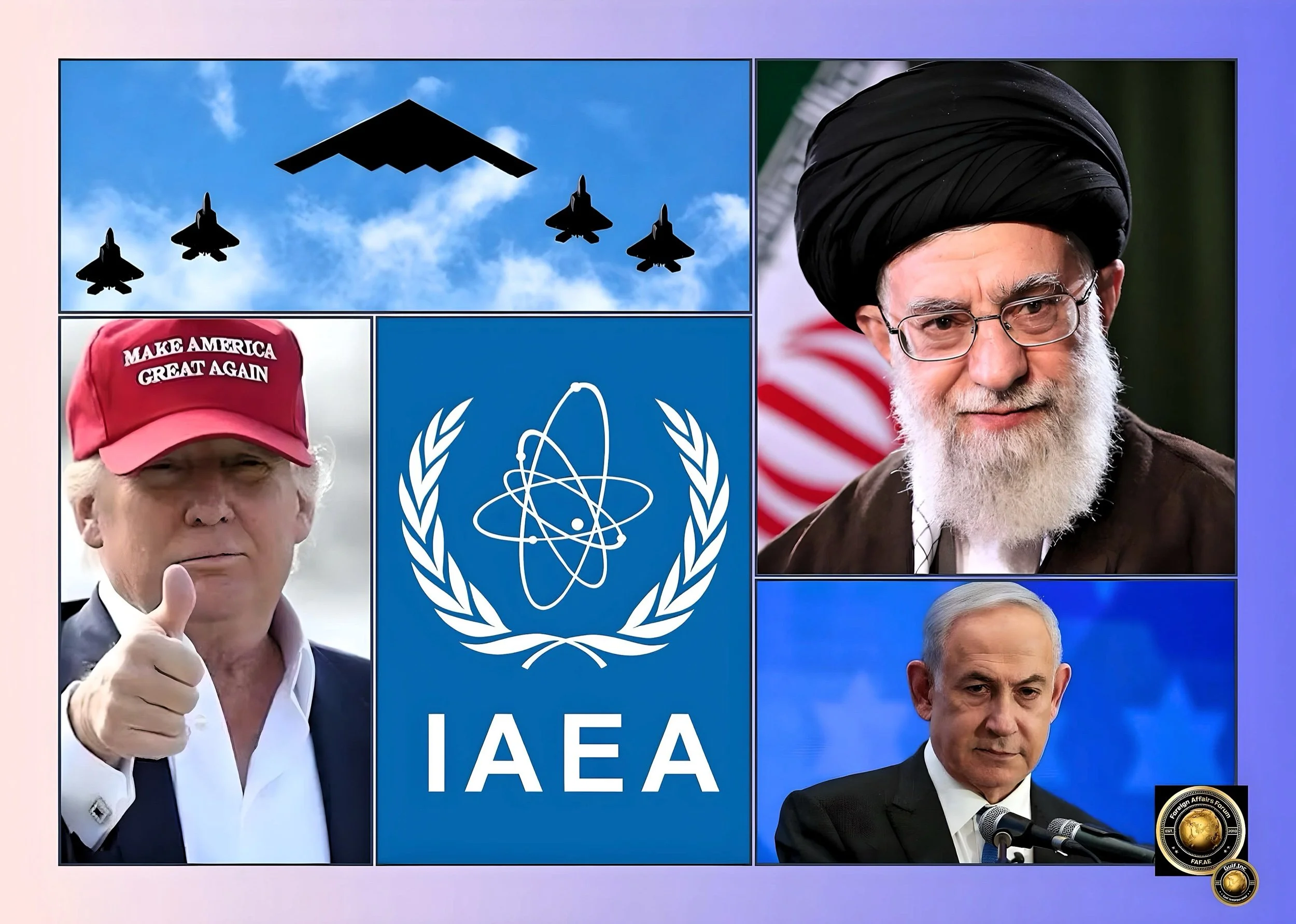
Trump’s current Iran crisis is primarily of his own making. In 2018, he withdrew from the Joint Comprehensive Plan of Action (JCPOA), the nuclear agreement negotiated by the Obama administration.
This decision not only missed the opportunity to constrain Iran’s nuclear ambitions significantly but also closed off pathways for demonstrating that diplomacy could provide Iran with better alternatives to proxy conflicts.
The Current Stalemate
In his second term, Trump attempted to negotiate a new nuclear deal with Iran, but the same impatience and unrealistic expectations have characterized his approach.
Iranian Foreign Minister Abbas Araghchi has stated that “there is no room for negotiations with the U.S. until Israeli aggression stops,” establishing a ceasefire as a prerequisite for talks.
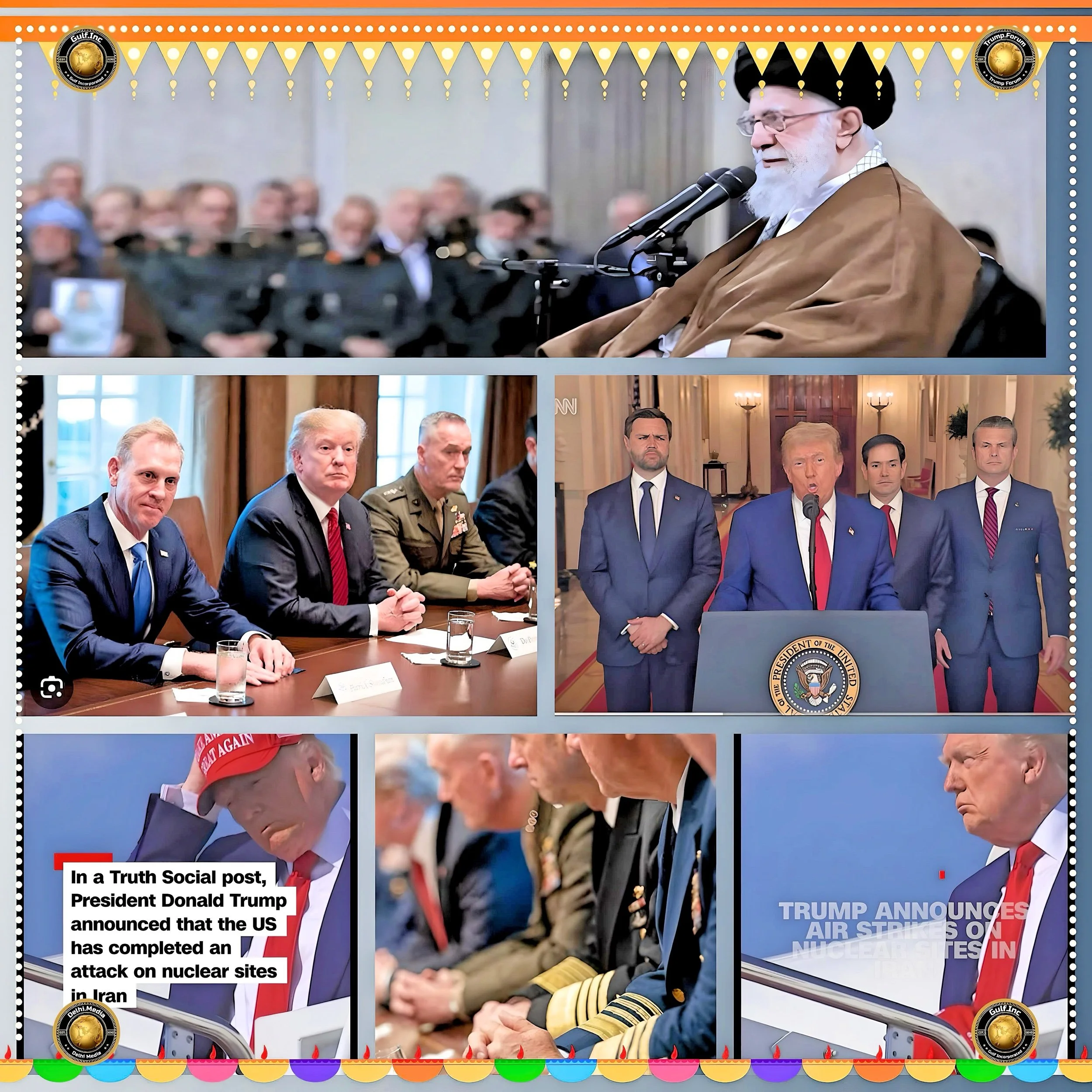
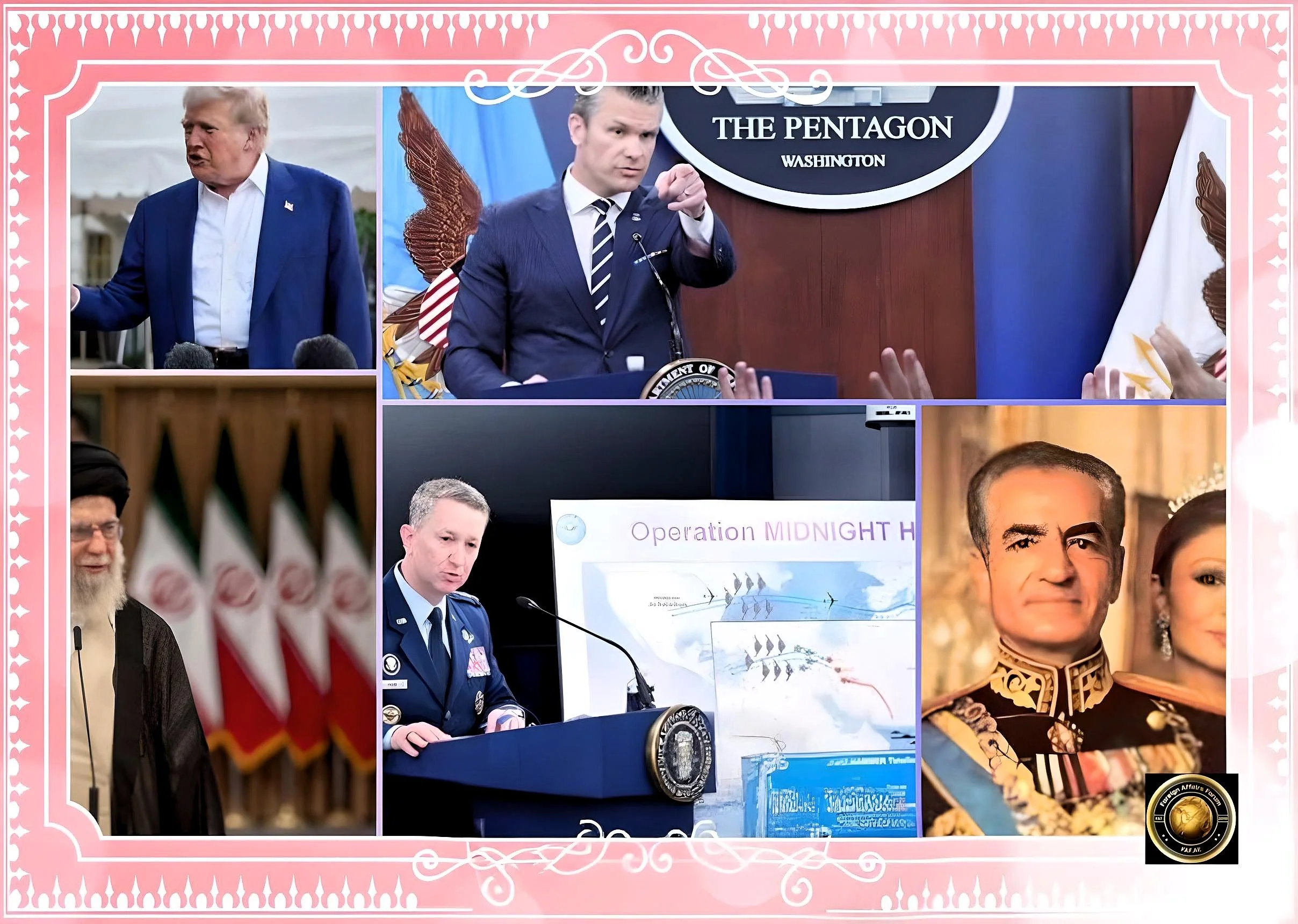
Trump’s frustration with the slow pace of negotiations has led him to consider military strikes on Iran’s nuclear facilities, potentially drawing the United States into another Middle Eastern conflict.
He has stated he is “not too much in the mood to negotiate” after two months of talks in which Iran refused to dismantle its program.
The Structural Problems with Trump’s Approach
Lack of Strategic Patience
Complex negotiations require time that Trump is unwilling to invest. In 2013, the Obama administration spent six months negotiating an interim agreement on Iran’s nuclear program, followed by almost two years on the final deal.
Peace negotiations in the Korean War took two years, and even Trump’s opening to the Taliban took years to produce the Doha agreement.
Trump’s approach suffers from his “personal impatience and desire for quick results—he wants wins that he can take credit for, to get past these messy conflicts and on to the money-making”.
This impatience is compounded by his preference for coercive diplomacy and deadlines, making it difficult to climb down when his bluffs are called.
Exclusion of Key Actors
Trump has a history of negotiating with powerful actors while excluding directly affected parties. In Afghanistan, he excluded the democratically elected government from talks with the Taliban.
Similarly, Palestinians were excluded from the Abraham Accords. Now, with Ukraine, Trump has sought to bypass the principle of “nothing about Ukraine without Ukraine” by calling Putin before contacting Zelensky.
Inconsistent and Contradictory Policies
Trump’s foreign policy has been marked by chaos and contradictory statements. His approach to peace talks is “highly personalized and driven by his proclivities, rather than an evidence-based policy process”.
Foreign officials are often uncertain about who speaks for the United States, and critical neglect of global challenges has endangered Americans and weakened the U.S. role in the world.
The Pressure Cooker: How External Forces Exploit Trump’s Impatience
Trump’s impatience creates opportunities for manipulation by various actors. In the case of Iran, there has been “a concerted push from Capitol Hill, hawkish D.C. think tanks, and even right-wing media to push Trump toward military strikes on Iran, even as talks were slowly proceeding”.
Even media magnate Rupert Murdoch has been “quietly disparaging Witkoff’s efforts in an attempt to sway Trump”.
The slow pace of Russia-Ukraine talks has produced pressure from congressional hawks to tighten sanctions on Russia.
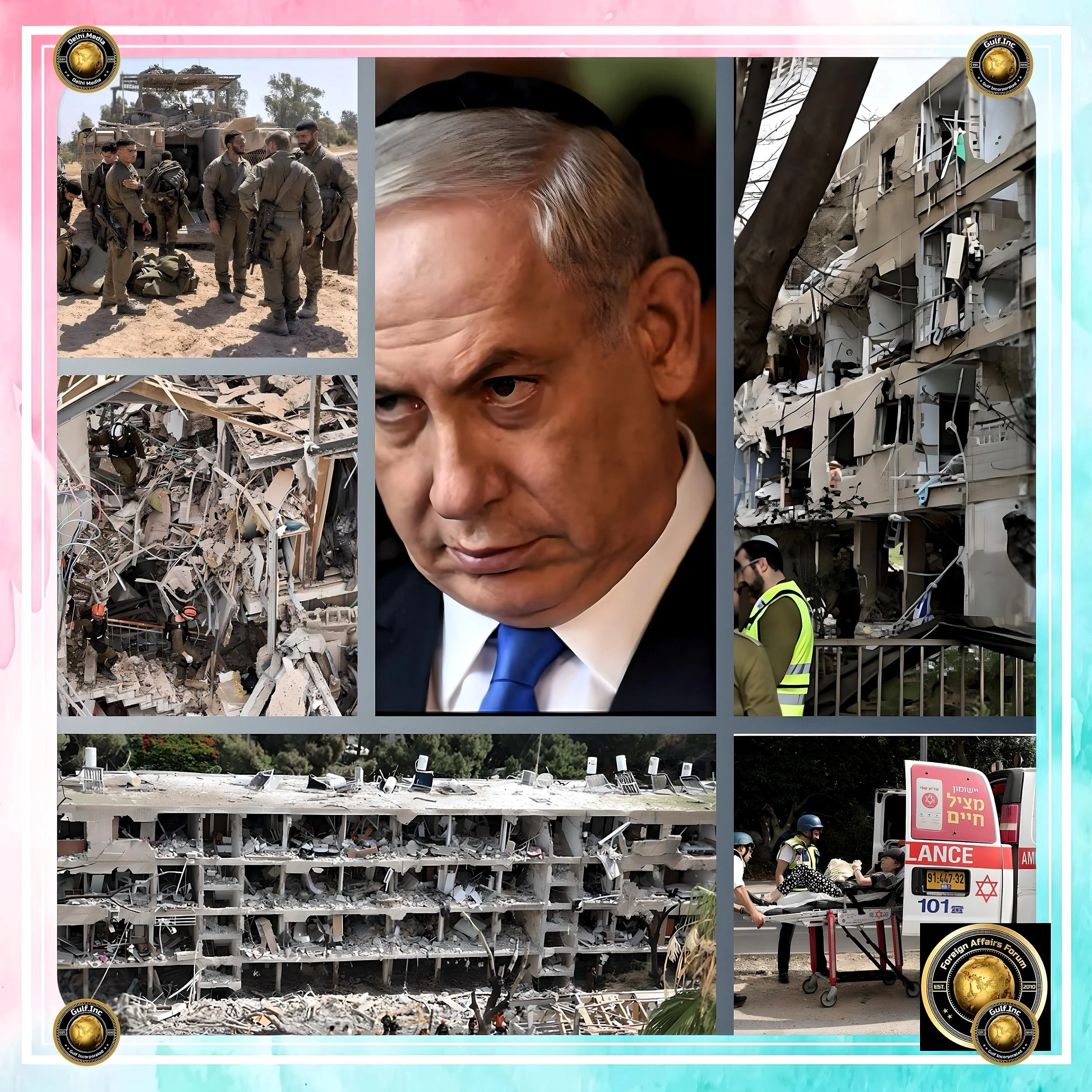
Israel reportedly cited Trump’s unmet 60-day deadline for Iranian nuclear negotiations in its decision to strike Iran. This pressure is compounded by Trump’s enjoyment of looking tough and tendency to claim credit for military successes.
The Consequences of Failed Diplomacy
Increased Military Involvement
Rather than reducing American military involvement globally, Trump’s impatience has increased military engagement. His administration has conducted daily strikes against Houthis since March 2025, with the rebels shooting down seven U.S. Reaper drones worth over $200 million in less than six weeks.
This represents “the most dramatic cost to the Pentagon of the military campaign against the Iran-backed militants”.
Alienated Allies
Trump’s transactional approach to foreign policy has alienated U.S. allies who are “increasingly asking how the U.S. approach to international relations differs from that of Russia and China”.
International allies have begun to view the United States “not as the democratic leader of the free world, but rather as a destabilizing global force. They need to manage”.
Conclusion
The Path Not Taken
Trump could still potentially be a peacemaker, but it would require “the mercurial president, who is not normally known for his patience, to shift from ultimatum-based coercive diplomacy to a more constructive long-term approach”. However, his track record suggests this transformation is unlikely.
The fundamental problem is that making peace requires more than just wanting it - it demands strategic patience, multilateral support, and sustained diplomatic engagement.
Trump’s approach, characterized by unrealistic timelines, exclusion of key parties, and susceptibility to manipulation by hawkish influences, has consistently undermined his stated anti-war objectives.
As one analyst noted, “Trump’s efforts are mostly performative — they might look good at the surface level, but there is minimal process behind them”.
Until Trump addresses these structural limitations in his approach to diplomacy, his anti-war rhetoric will continue to clash with the reality of his foreign policy outcomes.