Israel Strikes Iran: Global Nuclear Radiation Risk Assessment
Introduction
The recent Israeli strikes on Iran’s nuclear facilities have sparked significant international concern about potential atomic contamination and the broader implications for global nuclear security.
As military operations continue between these two nations, experts are closely monitoring radiation levels and assessing whether the world faces an imminent nuclear incident.
Current Status of Iranian Nuclear Facilities
Natanz Nuclear Facility: Primary Concern
The Natanz nuclear facility, Iran’s central uranium enrichment hub, has sustained the most significant damage from Israeli strikes that began on June 13, 2025.
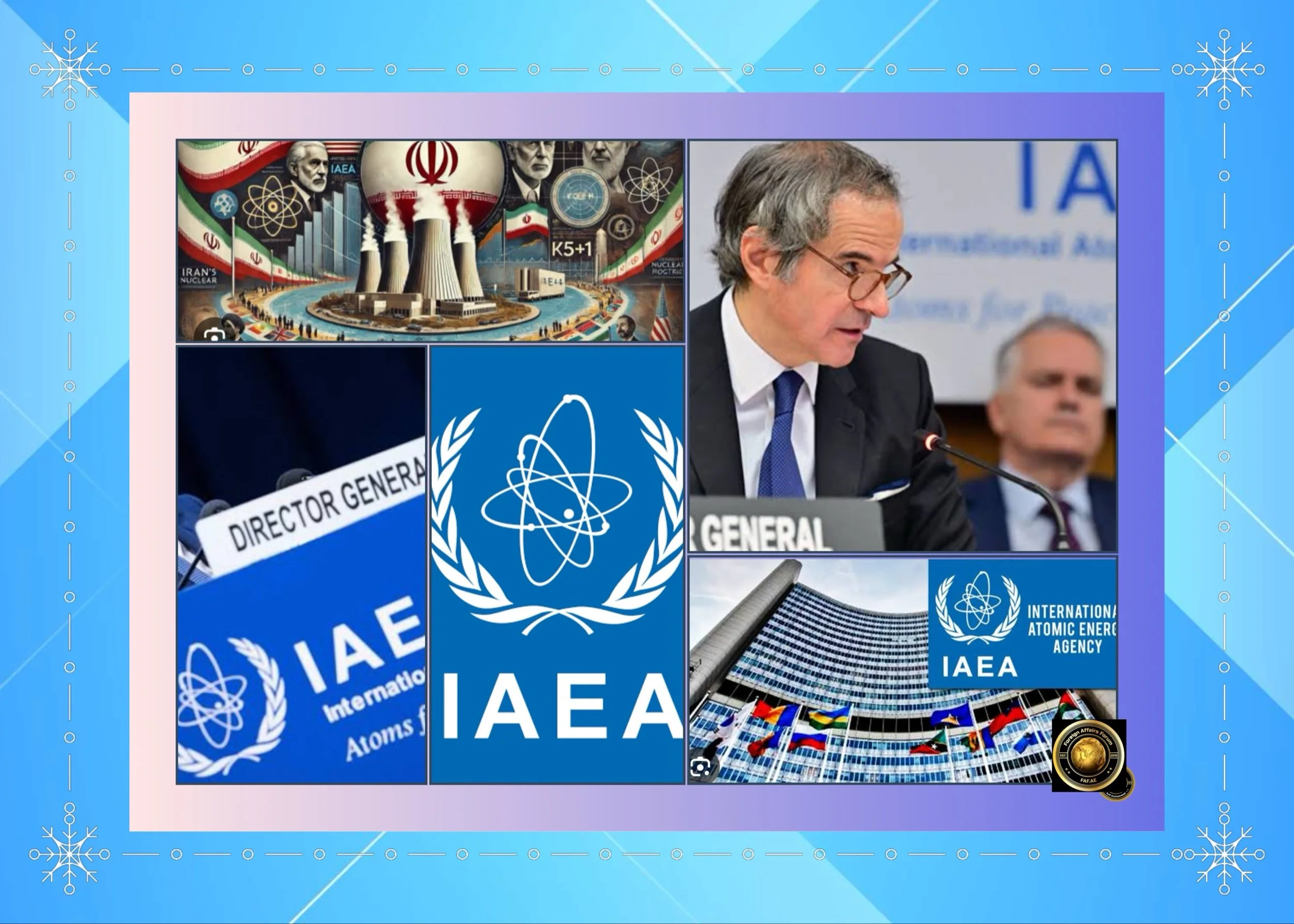
According to International Atomic Energy Agency (IAEA) Director-General Rafael Grossi, the above-ground portion of the Pilot Fuel Enrichment Plant, where Iran was producing uranium enriched up to 60% U-235, has been destroyed.
The facility’s electrical infrastructure has been severely compromised, with the electrical substation, main power supply building, emergency power supply, and backup generators all destroyed.
While the underground cascade hall containing centrifuges appears physically intact, the loss of power may have damaged the equipment.
Contamination Assessment: Grossi confirmed that while radiation levels outside Natanz remain normal, there is radiological and chemical contamination within the facility perimeter.
The contamination is primarily from alpha particles, which can be managed with appropriate radiation protection measures such as respiratory protection devices.
Other Affected Sites
Isfahan Nuclear Site
Friday’s attacks damaged four buildings at this facility, including a central chemical laboratory, uranium conversion plant, Tehran reactor fuel manufacturing plant, and UF4 to EU metal processing facility.
However, off-site radiation levels remain stable.
Fordow Fuel Enrichment Plant
This underground facility, partially constructed Khondab heavy water reactor, Bushehr nuclear power plant, and Tehran research reactor, have reported no damage.
Chemical vs. Radiological Risks
Primary Chemical Hazard: Uranium Hexafluoride
The primary concern inside the Natanz facility stems from uranium hexafluoride (UF6), a gas produced when fluorine mixes with uranium during enrichment.
This compound is extremely volatile, highly corrosive, can burn skin, and is especially deadly if inhaled.
Nuclear security expert Darya Dolzikova notes that facilities at the front end of the nuclear fuel cycle, such as enrichment plants, primarily pose chemical rather than radiological risks.
Natural uranium and non-irradiated uranium compounds are not significant sources of radioactivity compared to operating reactors or spent fuel facilities.
Radiation Exposure Risks
The radiation inside Natanz facilities primarily consists of alpha particles, which pose a significant danger only if uranium is inhaled or ingested.
External exposure to this type of radiation is limited since alpha particles cannot penetrate skin beyond shallow depths.
However, internal exposure through inhalation or ingestion can cause serious health effects, including increased cancer risk, particularly thyroid cancer from radioactive iodine.
Broader Global Nuclear Security Context
Recent Nuclear Conflicts and Incidents
The Israeli strikes on Iran occur amid a concerning pattern of nuclear-related conflicts and incidents worldwide:
India-Pakistan Conflict (May 2025)
The two nuclear-armed neighbors engaged in a brief but intense military conflict from May 7-10, 2025, following India’s Operation Sindoor missile strikes on Pakistani territory.
This marked the first drone battle between nuclear-armed nations and included attacks on air bases, raising concerns about escalation involving nuclear facilities.
Zaporizhzhia Nuclear Plant
Europe’s largest nuclear facility remains under Russian control in Ukraine, with satellite evidence suggesting Russia is constructing power lines to integrate the plant into its electrical grid.
The facility is dangerously close to the front lines. Due to safety concerns, all six reactors have been shut down since 2023.
Global Nuclear Security Trends
The IAEA reported nearly 150 incidents of illegal or unauthorized activity involving nuclear and radioactive materials in 2024, with transportation remaining the most vulnerable area.
While most incidents don’t involve organized crime, experts warn that even a single case of nuclear material falling into the wrong hands could pose serious global risks.
International Response and Diplomatic Efforts
IAEA Emergency Session
The IAEA Board of Governors convened an urgent session on June 16, 2025, at Russia’s request to address Israeli attacks on Iranian nuclear facilities.
Grossi emphasized that military escalation “threatens lives, increases the chance of a radiological release with serious consequences for people and the environment.”
The IAEA maintains that “any armed attack on and threat against nuclear facilities devoted to peaceful purposes constitutes a violation of the principles of the United Nations Charter, international law and the Statute of the Agency.”
Failed Nuclear Negotiations
The strikes occurred one day after the expiration of a 60-day deadline President Trump had set for Iran to reach a nuclear agreement.
In Oman, the U.S.-Iran negotiations, which began on April 12, 2025, included Iranian proposals for a three-step plan to reduce uranium enrichment in exchange for sanctions relief.
Trump confirmed that the U.S. was “aware of everything” regarding Israel’s plans and had given Iran “60 days for a deal,” with the strikes occurring on day 61.
Iran has since suspended nuclear talks indefinitely following the attacks.
Assessment: Risk of Nuclear Radiation Incident
Immediate Risk Evaluation
Based on current evidence, the immediate risk of a significant nuclear radiation incident from the Israeli strikes appears limited but not negligible:
Low External Radiation Risk
IAEA monitoring confirms that radiation levels outside all affected facilities remain normal, indicating no immediate external radiological impact on surrounding populations.
Contained Internal Contamination
Radiological and chemical contamination is confined within facility perimeters and can be managed with appropriate protective equipment.
No Reactor Strike
Crucially, Israel has not targeted operational nuclear reactors, which would pose the most significant radiological risks.
The Bushehr nuclear power plant and Tehran research reactor remain undamaged.
Escalation Concerns
The greater risk may come from continued military escalation:
Targeting of High-Risk Facilities
If conflict escalates to include attacks on operational reactors or spent fuel storage facilities, the radiological consequences could be catastrophic.
Regional Instability
The ongoing Iran-Israel war, combined with recent India-Pakistan conflicts and the Zaporizhzhia situation, represents an unprecedented convergence of nuclear-related security threats.
International Intervention
Trump has indicated he may authorize U.S. strikes on Iran’s underground nuclear facilities, potentially escalating the conflict further.
Conclusion
While the current Israeli strikes on Iranian nuclear facilities have not caused a major atomic radiation incident, they have significantly increased regional nuclear risks and highlighted global vulnerabilities in nuclear security.
The containment of radiological contamination within facility perimeters and the absence of attacks on operational reactors have prevented an immediate catastrophe.
However, the combination of ongoing military operations, failed diplomatic efforts, and the broader pattern of nuclear-related conflicts worldwide suggests that the international community faces elevated risks of nuclear incidents.
The situation requires urgent diplomatic intervention and enhanced international cooperation to prevent escalation that could lead to more serious radiological consequences.
The EA Director-General Grossi said, “We have crossed the line,” and “We do not know what the future holds.”
The international community must act swiftly to prevent this regional conflict from escalating into a nuclear crisis with global implications.