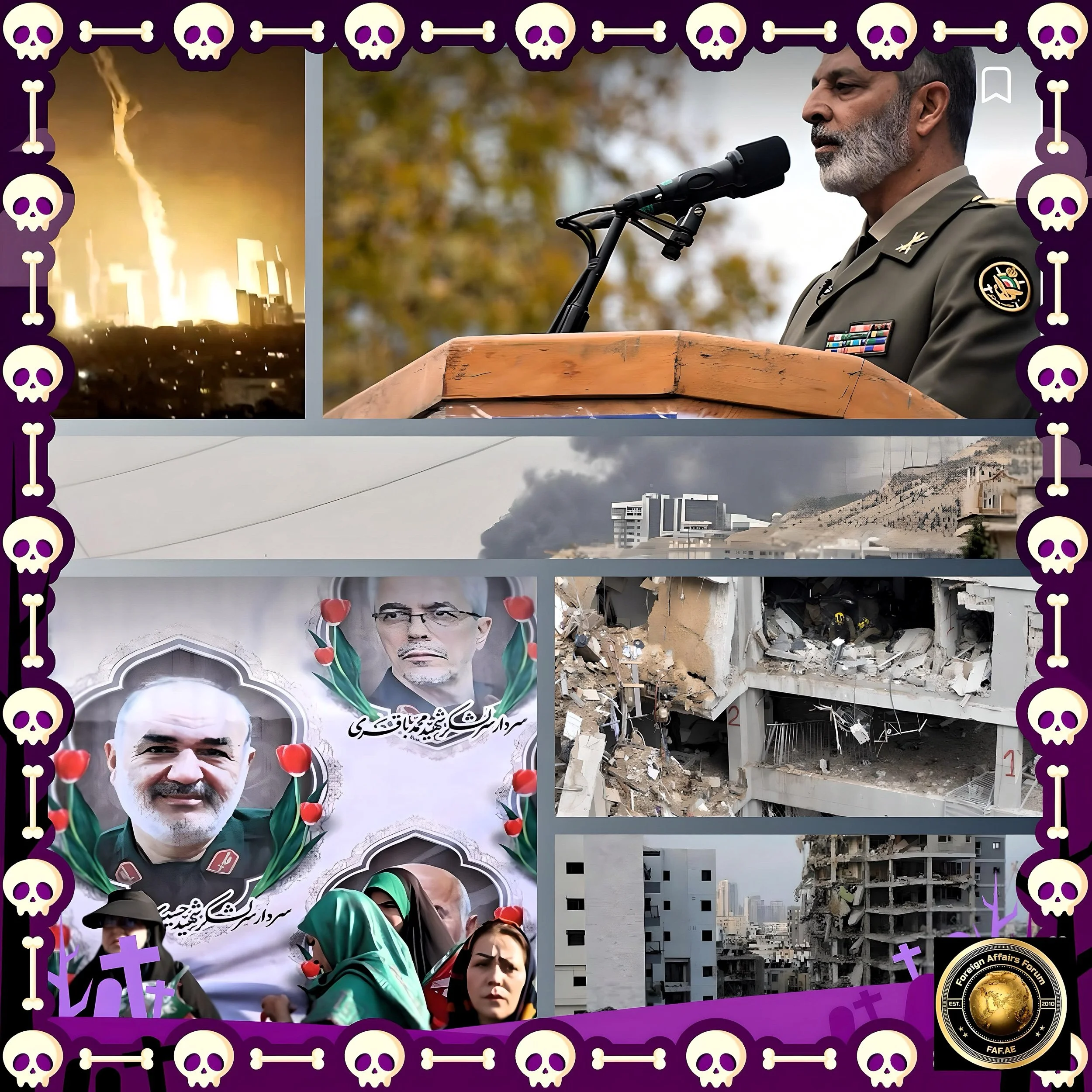
Analysis of Israel’s June 2025 Military Campaign Against Iran
Executive Summary
Israel launched a comprehensive military operation targeting Iran’s nuclear program and the army infrastructure beginning on June 12, 2025, marking one of the most significant confrontations between the two nations in decades.
The campaign, codenamed “Operation Rising Lion,” represents Israel’s most extensive effort to neutralize what it perceives as an existential threat from Iran’s advancing nuclear capabilities.
The strikes have resulted in significant casualties on both sides and triggered a dangerous escalation that has drawn international concern about the potential for broader regional conflict.
Israeli Military Objectives and Strategy
Primary Campaign Goals
Israel’s air campaign pursued three primary strategic objectives designed to neutralize Iran’s nuclear threat while degrading its capacity for immediate retaliation.
The operation aimed to “degrade, destroy, and remove the threat” of Iranian nuclear weaponization, with Israeli officials indicating this represents the opening phase of a potentially weeks-long campaign.
Intelligence assessments cited by Israeli leadership suggested Iran had amassed sufficient highly enriched uranium to potentially produce up to 15 nuclear weapons within a short timeframe.
Tactical Military Effects
The Israeli strikes were strategically designed to impose three discrete military effects that would complicate Iran’s ability to respond effectively:
Suppression of Iranian Air Defenses: Israeli forces targeted key components of Iran’s integrated air defense network, including early-warning radar systems at the Khatam ol Anbia Western Air Defense Zone in Hamadan Province.
Additional strikes reportedly hit air defense installations protecting the Fordow nuclear facility, creating temporary gaps in Iranian defensive coverage that would facilitate subsequent Israeli air operations.
Degradation of Retaliatory Capabilities
The campaign systematically targeted Iranian ballistic missile infrastructure, including silos, launchers, and missile stockpiles.
While Iran had reportedly finalized plans for an “immediate counterstrike” involving hundreds of ballistic missiles, the degradation of launch capabilities may have limited the scope of their initial retaliation.
Disruption of Command and Control
Israel conducted what military analysts describe as a “decapitation campaign” targeting senior Iranian military leadership.
However, Supreme Leader Ali Khamenei quickly appointed successors to replace eliminated commanders, demonstrating the regime’s resilience and preparation for such scenarios.
Nuclear Infrastructure Targeting
Key Facilities Struck
Israel’s operation specifically targeted critical components of Iran’s nuclear program across multiple sites.
The strikes hit uranium enrichment facilities at Natanz, nuclear installations in Isfahan and reportedly targeted areas near the underground Fordow enrichment plant.
Israeli forces also struck the Isfahan Nuclear Technology/Research Center, which plays a role in uranium reconversion processes.
The campaign extended beyond traditional nuclear facilities to target fuel infrastructure supporting atomic operations.
Israeli military officials confirmed strikes on two fuel sites in Iran that provided fuel for both military and nuclear operations, representing an effort to degrade the broader logistical network supporting Iran’s nuclear program.
Elimination of Nuclear Scientists
The operation included targeted assassinations of Iranian nuclear experts, with Israeli forces killing nine senior scientists involved in Iran’s nuclear weapons program.
The victims included prominent figures from Iran’s nuclear establishment, with many affiliated with Shahid Beheshti University in Tehran, an institution previously sanctioned by the United States and European Union for its connections to Iran’s nuclear program.
The eliminated scientists included Fereydoon Abbasi, former head of Iran’s Atomic Energy Organization and a survivor of a previous 2010 assassination attempt.
Mohammad Mehdi Tehranchi, a theoretical physicist who had been involved with Iran’s pre-2003 Amad nuclear weapons program, was also killed.
Other victims included Ahmad Reza Zolfaghari, Abdol Hamid Minouchehr, and Amir Hossein Feghhi, all of whom held senior positions in Iran’s nuclear research network.
Iranian Retaliation and Casualties
Missile Attacks on Israel
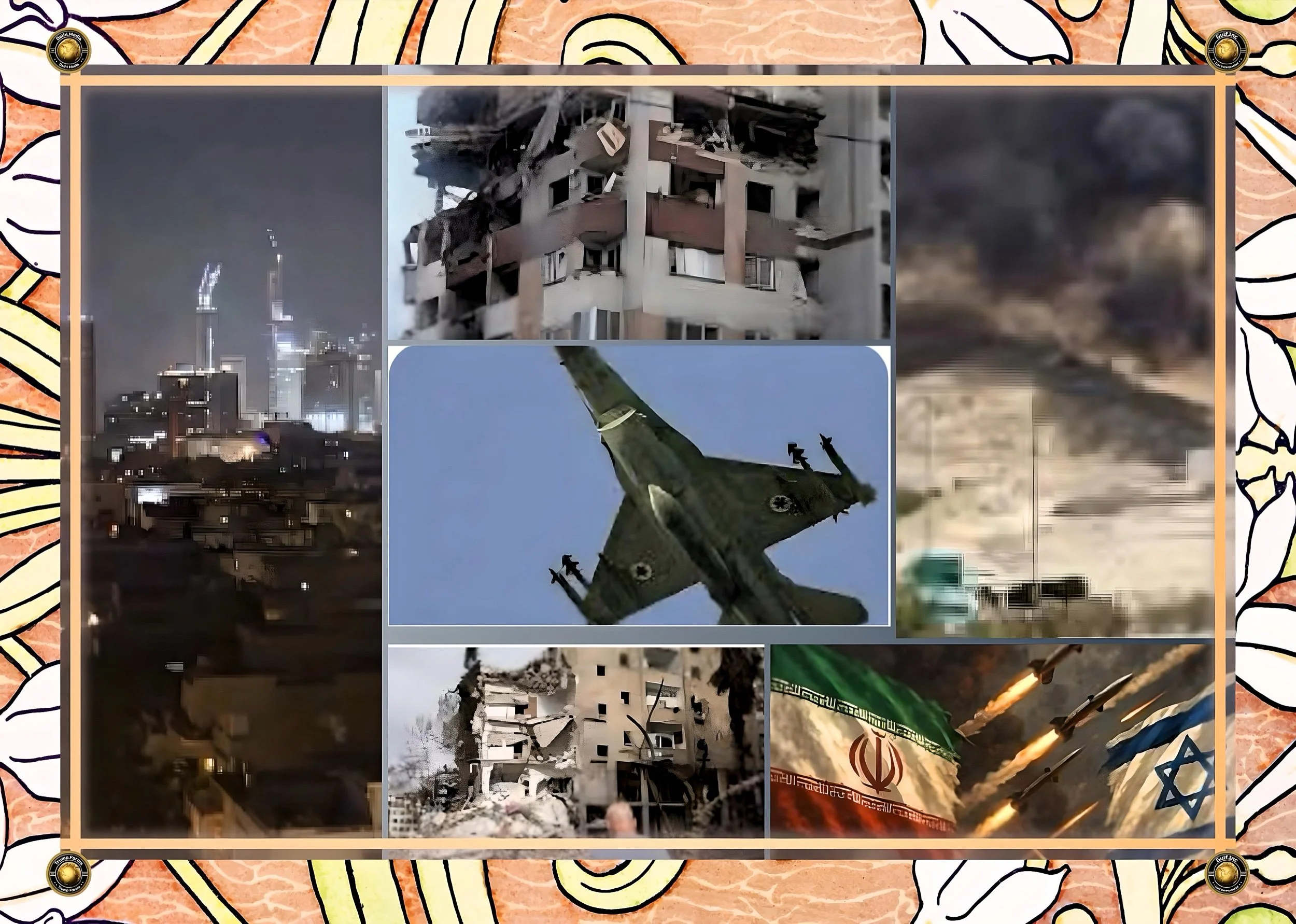
Iran responded with multiple waves of ballistic missile attacks targeting Israeli territory, launching what it termed “Operation True Promise III” approximately 18 hours after the initial Israeli strikes.
Iranian forces fired less than 100 ballistic missiles in the initial retaliation, though subsequent attacks involved hundreds of additional projectiles.
The Iranian missile barrages targeted both military installations and civilian areas across Israel, with strikes hitting major population centers, including Tel Aviv, Haifa, and surrounding regions.
Iranian missiles successfully penetrated Israel’s multi-layered air defense system, which includes the Iron Dome, David’s Sling, Arrow interceptors, and US-provided THAAD systems.
Israeli Casualties and Damage
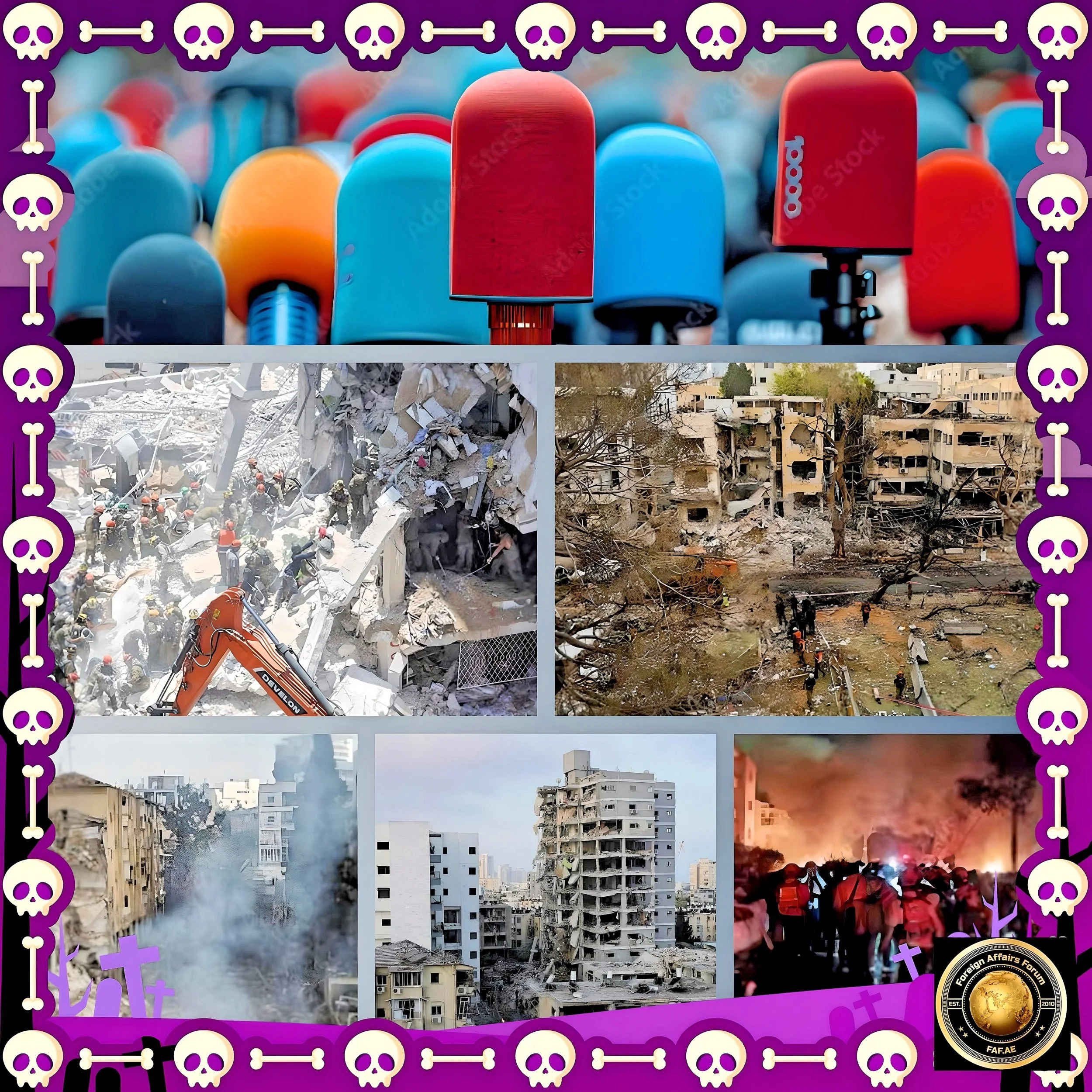
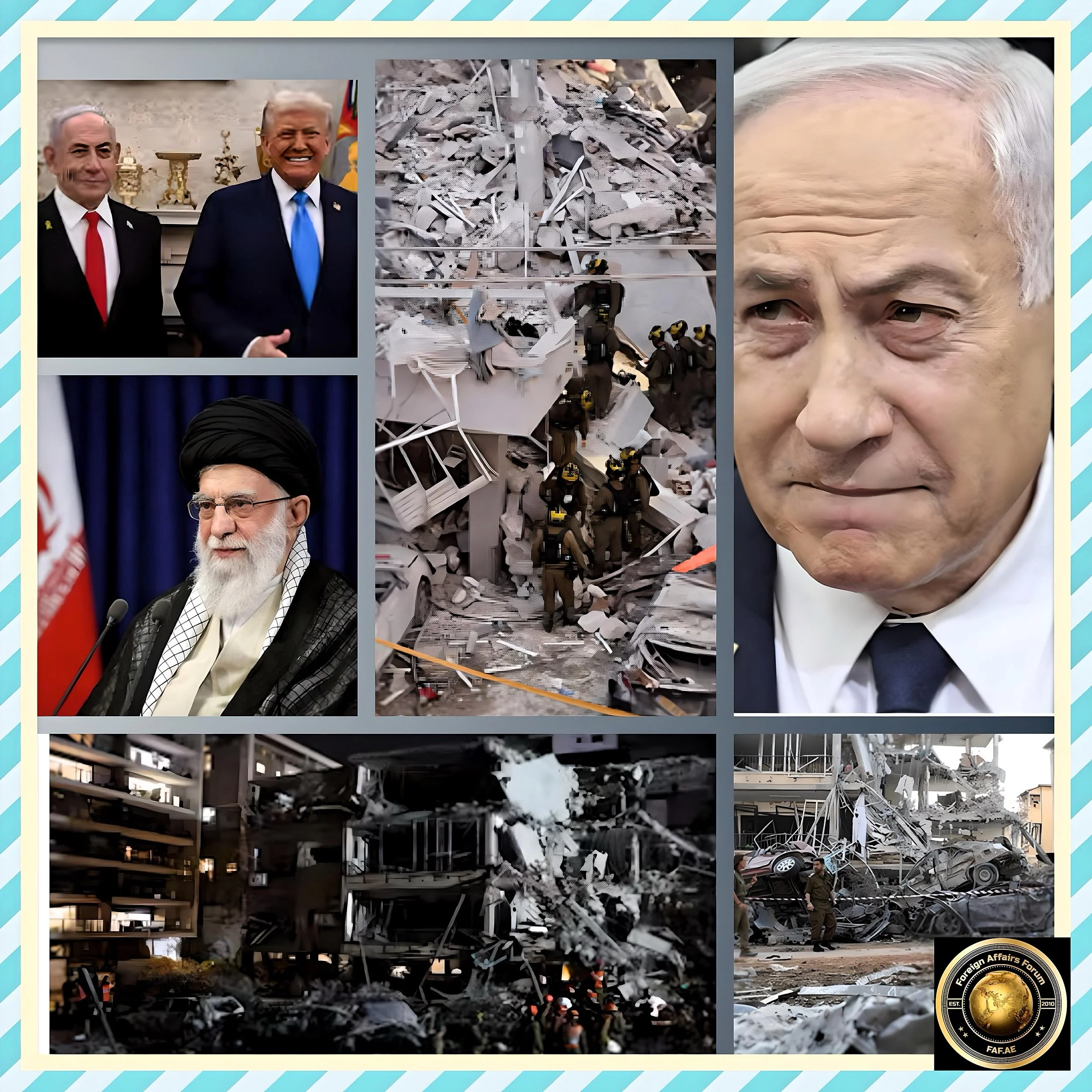
The Iranian retaliation resulted in significant Israeli casualties, with emergency services reporting at least 13 fatalities and over 350 injuries across multiple days of conflict.
The deadliest single incident occurred in Bat Yam, where Iranian missiles struck a residential building, killing at least six people, including children.
Additional casualties were reported in Rehovot, Tel Aviv, and northern Israel, with infrastructure damage, including fires at oil refineries in Haifa.
Israeli air defense systems demonstrated both capabilities and limitations during the exchanges.
While intercepting a significant percentage of incoming missiles, some Iranian projectiles evaded interception and caused substantial damage to civilian areas.
The attacks represented the most challenging defense scenario Israel had faced since the conflict’s inception.
Regional and International Response
Axis of Resistance Weakness
The conflict revealed significant weaknesses within Iran’s regional proxy network, often called the “Axis of Resistance.”
Major Iranian allies, including Hezbollah and Hamas, issued only generic condemnations of Israeli strikes without providing material support to Iran.
Hezbollah officials explicitly stated they would not unilaterally attack Israel to support Tehran, demonstrating how previous Israeli operations had degraded the organization’s capabilities.
Only Yemen’s Houthi movement provided active support, launching a missile that landed in the Hebron area of Israel.
The limited response from Iranian proxies reflects their weakened state following years of conflict with Israel and represents a significant strategic shift in regional dynamics.
US Diplomatic and Military Response
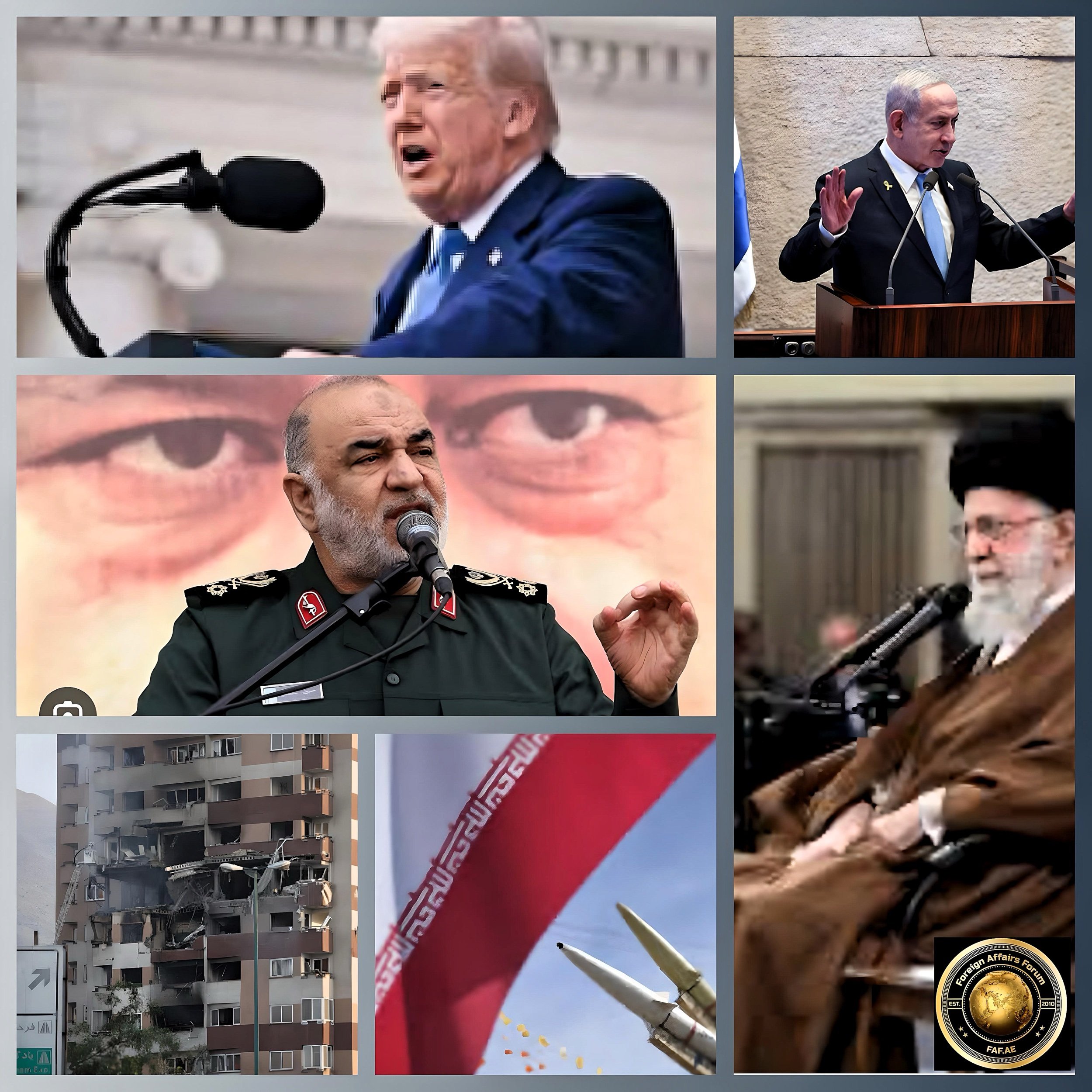
President Donald Trump issued stark warnings to Iran while simultaneously distancing the United States from direct military involvement in the Israeli operation.
Trump confirmed US awareness of the planned Israeli strikes but emphasized American non-participation while warning of “even more brutal” attacks if Iran refused to negotiate.
The escalation effectively ended ongoing US-Iran nuclear negotiations, with Iran withdrawing from scheduled talks and suspending diplomatic engagement indefinitely.
Trump had previously indicated the talks represented Iran’s last opportunity to avoid military action, setting a 60-day deadline that expired shortly before the Israeli strikes.
The US Navy deployed the USS Thomas Hudner destroyer to the Eastern Mediterranean to support Israeli missile defense capabilities and protect American assets.
This deployment represents part of broader US efforts to contain the conflict while maintaining support for Israeli security.
Strategic Implications and Assessment
Military Effectiveness
The Israeli operation demonstrated sophisticated intelligence capabilities and coordination between military and intelligence services.
The Mossad reportedly established covert drone bases near Tehran and conducted extensive sabotage operations to support the air campaign.
The precision of strikes against infrastructure and personnel targets suggests years of preparation and intelligence gathering.
However, despite Israeli efforts to degrade the immediate Iranian retaliation capability, the tactical effects achieved are limited.
Iran’s ability to launch multiple missile barrages suggests its strategic weapons stockpile remained largely intact despite Israeli targeting efforts.
Nuclear Program Impact
While Israeli strikes caused significant damage to Iranian nuclear infrastructure and eliminated key personnel, the long-term impact on Iran’s nuclear program remains unclear.
The elimination of experienced nuclear scientists represents a substantial knowledge loss, but Iran’s nuclear program has demonstrated resilience to previous disruptions.
The targeting of fuel infrastructure and support facilities may create operational challenges for Iran’s nuclear program beyond the immediate physical damage to enrichment facilities.
However, Iran’s distributed nuclear infrastructure and hardened underground facilities limit the extent of damage achievable through conventional airstrikes.
Regional Stability Concerns
The conflict has raised serious concerns about regional escalation and the potential for broader warfare involving multiple state and non-state actors.
The breakdown of diplomatic engagement between the US and Iran eliminates a key mechanism for conflict de-escalation.
At the same time, the demonstrated weakness of Iran’s proxy network may encourage further Israeli operations.
The targeting of civilian areas by both sides has increased humanitarian concerns and the potential for the conflict to expand beyond military objectives.
International calls for restraint from European allies reflect growing concern about the trajectory of the confrontation.
Conclusion
Israel’s June 2025 military campaign against Iran represents a fundamental escalation in their long-standing confrontation, with significant implications for regional security and nuclear proliferation concerns.
While Israel achieved tactical successes in degrading Iranian nuclear capabilities and eliminating key personnel, Iran’s demonstrated ability to retaliate effectively suggests the conflict may continue to escalate.
The collapse of diplomatic engagement and the weakness of traditional conflict-management mechanisms raise serious concerns about the potential for sustained military confrontation between these regional powers.