Israel’s Strike on Iran: Analysis of the June 2025 Military Operation
Overview of the Strike
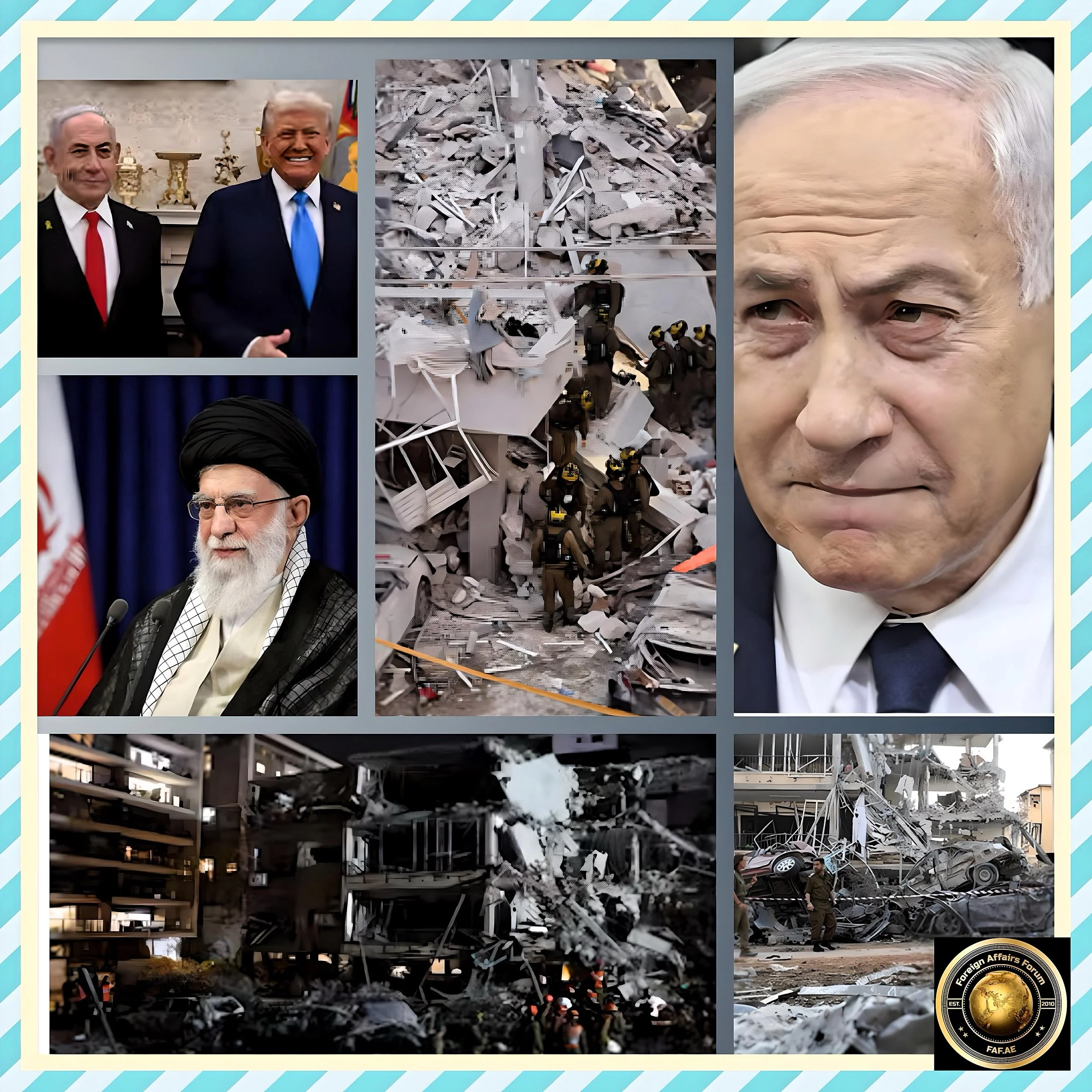
On June 13, 2025, Israel launched what it termed “Operation Rising Lion” - a large-scale preemptive strike against Iranian nuclear facilities and military infrastructure.
The operation began in the early morning hours, with Israeli Defense Minister Israel Katz declaring a nationwide state of emergency and warning of expected missile and drone retaliation from Iran.
According to Israeli military officials, the strikes targeted “dozens” of sites across Iran, including nuclear enrichment facilities, military bases, and key commanders.
The strikes reportedly focused on Iran’s central enrichment facility in Natanz, nuclear scientists, and parts of Iran’s ballistic missile program.
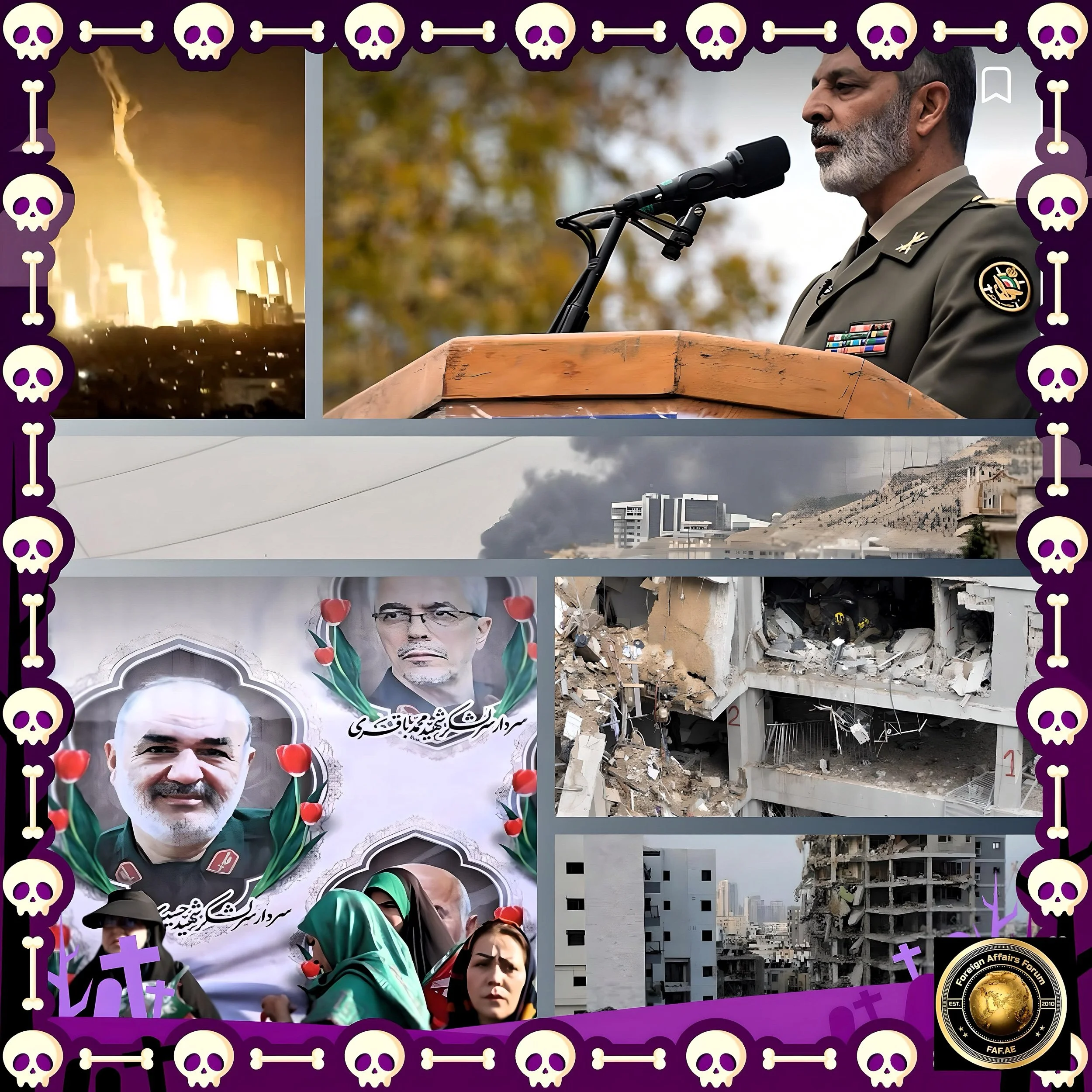
Explosions were heard in Tehran around 3 AM local time, with Iranian state media reporting that all operations at Tehran’s primary airport were halted.
The operation resulted in significant casualties among Iranian leadership, including the reported killing of Revolutionary Guard commander Hossein Salami and potentially Iranian Armed Forces Chief of Staff Major General Mohammad Bagheri.
US Involvement and the Conspiracy Question
No US Military Support
Contrary to assumptions about Israel’s dependence on US support for primary operations, multiple US officials explicitly denied any American involvement in the strikes.
Secretary of State Marco Rubio stated: “Tonight, Israel took unilateral action against Iran. We are not involved in strikes against Iran, and our top priority is protecting American forces in the region”.
Two US officials confirmed that the Trump administration had communicated to Israel that the US would not provide military backing for potential strikes on Iran.
Historical Context of Israel’s Independent Operations
The assertion that “Israel will never attack without US support” lacks substantiation when examined through the lens of historical military engagements.
According to the FAF and Gulf.Inc study, the patterns of conflict in the Middle East indicate that this may more accurately be characterized as a 'US proxy war.'
Historically, Israel has executed a range of autonomous military operations, notably the 1981 airstrike on Iraq’s Osirak nuclear facility and multiple operations in Syria.
The establishment of the Israeli Defense Forces (IDF) in 1948 marked the inception of an independent military entity, drawing from earlier paramilitary groups such as the Haganah.
Despite the deepening of the US-Israel alliance since the 1960s, Israel continues to exercise operational autonomy, particularly in scenarios it deems to pose existential threats.
Peace Talks Context
The strikes occurred amid ongoing nuclear negotiations between the US and Iran. The sixth round of talks is scheduled for June 15, 2025, in Muscat, Oman.
US Special Envoy Steve Witkoff had been conducting indirect negotiations with Iranian Foreign Minister Abbas Araghchi, focusing on limiting Iran’s nuclear program in exchange for sanctions relief.
The talks had reached a deadlock over Iran’s insistence on maintaining uranium enrichment capabilities, while the US demanded complete elimination of enrichment.
Iran’s Nuclear Program and Justification for Strikes
The International Atomic Energy Agency (IAEA) found Iran non-compliant with its nuclear obligations for the first time in 20 years, just days before the Israeli strike.
Iran was enriching uranium to 60% purity - close to the 90% threshold needed for weapons-grade material - and had accumulated enough material for approximately 15 nuclear weapons if further refined.
Israeli officials cited intelligence indicating Iran could produce a nuclear weapon within days as justification for the preemptive action.
Possibility of Iranian Counterattack
Iran’s Threats and Capabilities
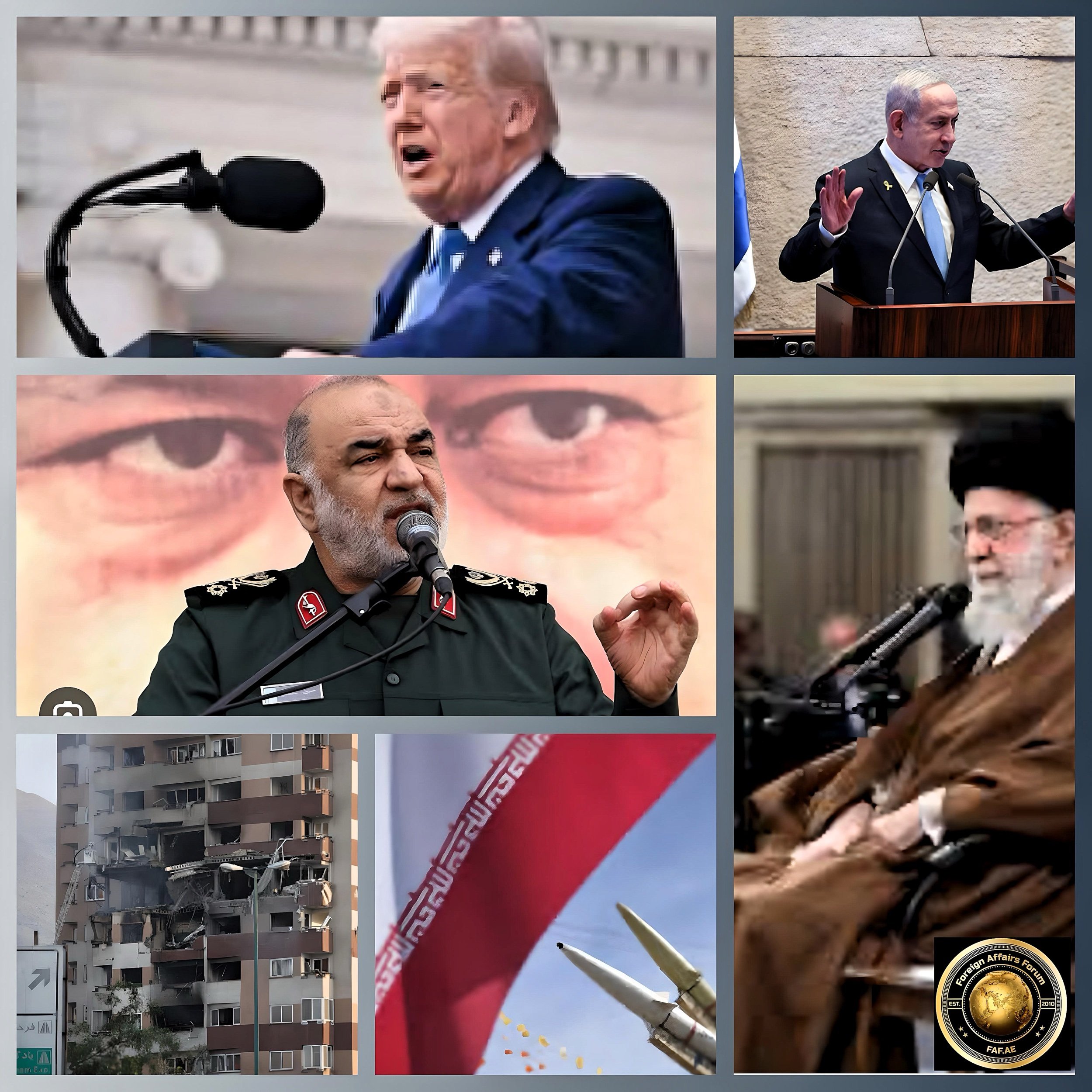
Iranian officials have vowed significant retaliation against both Israeli and US targets. Defense Minister Aziz Nasirzadeh warned that “all US bases are within our range, and we will target all of them in host countries” if conflict erupts.
IRGC Commander Hossein Salami (before his reported death) promised that any retaliation would be “more painful and more destructive” than previous attacks.
Iran has prepared what officials describe as an “immediate counterattack” plan, modeled after its October 2024 missile assault that involved nearly 200 ballistic missiles targeting Israel. Iranian state media reported that the country’s air defenses were at “100 percent operational capacity” following the Israeli strikes.
US Concerns About Iranian Response
US officials have expressed serious concerns about Iran’s retaliatory capabilities. White House envoy Steve Witkoff privately warned Senate Republicans that Iran could unleash a “mass casualty response” if Israel bombed their nuclear facilities.
The US has begun evacuating diplomatic personnel from Iraq and military family members from various regional locations in anticipation of potential Iranian retaliation.
Regional Proxy Involvement
Iran’s regional allies have also threatened involvement. The Yemen-based Houthis warned they would attack US interests if strikes occurred against Iran.
However, the collapse of key Iranian proxies - including Syria’s Assad regime, Hezbollah in Lebanon, and Hamas in Gaza - has significantly weakened Iran’s regional position.
Changing Iran's Nuclear deterrent
FAF, Defense.Forum reports possible changes to Iran’s nuclear deterrent after such an attack
Potential Changes to Iran’s Nuclear Deterrent
Acceleration of Nuclear Program
Response to Destruction
If significant damage is inflicted on Iran’s nuclear infrastructure, Iran may accelerate efforts to rebuild and expand its nuclear program, possibly moving enrichment facilities to more secure or hidden locations.
Advanced Centrifuges
Reports indicate Iran has already begun installing more advanced centrifuges at new or existing sites, potentially increasing enrichment capacity and making future attacks more difficult.
Weaponization Efforts
With the loss of key scientists and facilities, Iran might prioritize weaponization research, seeking to move from enriched uranium stockpiles to actual nuclear weapons more quickly if it perceives further attacks as imminent.
Diversification and Hardening of Facilities
Decentralization
Iran could spread its nuclear activities across more sites, making it harder for any single strike to incapacitate its program.
Underground and Fortified Sites
Iran may invest in deeper underground facilities and enhanced air defenses to protect critical sites from future attacks.
New Enrichment Sites
Iran has already announced plans for new enrichment centers, possibly in more secure locations, as a direct response to international pressure and Israeli threats.
Escalation of Military Posture
Ballistic Missile Development
Iran is likely to continue or even accelerate its ballistic missile program, which serves as both a delivery system for potential nuclear weapons and a conventional deterrent.
Proxy and Direct Retaliation
Iran may increase support for proxy groups and prepare for direct military retaliation against Israel or its allies, raising the risk of broader regional conflict.
Diplomatic and Strategic Shifts
Negotiations
Iran may suspend or alter its ongoing nuclear talks with the United States and other powers, as it could view diplomacy as ineffective in the face of military action.
International Isolation or Solidarity
Iran’s response could further isolate it from the international community or, conversely, rally support from sure allies, depending on global reactions to the Israeli attack.
After Israel attacks Iran’s nuclear and military infrastructure in June 2025, Iran is likely to respond by accelerating and hardening its atomic program, diversifying and fortifying its facilities, and escalating its ballistic missile and military posture.
The goal will be to restore and enhance its nuclear deterrent while preparing for possible future attacks and retaliation.
The situation remains highly volatile, with the risk of further escalation and regional conflict.
International Response
United Nations and Security Council
Based on previous Israeli-Iranian escalations, Iran is likely to request an emergency UN Security Council session to condemn the Israeli strikes, similar to its response to the October 2024 Israeli attacks.
The Security Council has historically urged restraint from both sides, with members calling for an end to the “spiraling cycle of tit-for-tat attacks.”
US Position
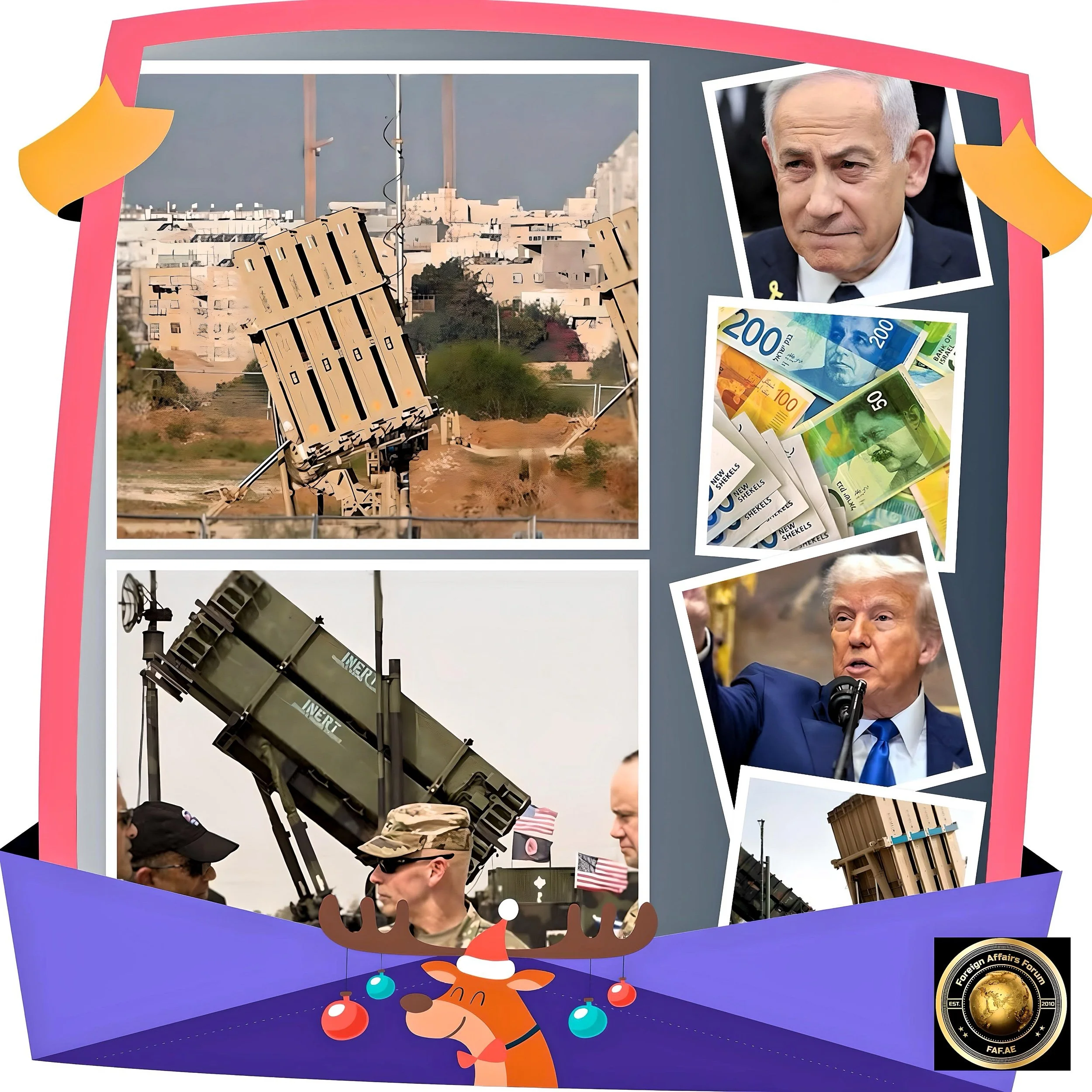
The Trump administration has emphasized that while the US was not involved in the strikes, it remains committed to defending Israel against potential Iranian retaliation.
FAF, Washington.Media alarms a possible indication of an ‘American proxy war.’ given the statement issued by White house.
The US has positioned additional military assets in the region and established a Middle East task force to facilitate the potential mass evacuation of American personnel.
European and Allied Responses
European allies have generally called for de-escalation while expressing an understanding of Israel’s security concerns.
The UK, France, and Germany had been working with the US through the IAEA on the Iran nuclear issue.
NATO allies have emphasized the importance of preventing regional escalation while supporting Israel’s right to self-defense.
Market and Economic Impact
The strikes caused immediate global market volatility, with oil prices surging 5-6 percent and US stocks experiencing declines.
The potential for broader regional conflict has raised concerns about energy security and shipping routes through the Persian Gulf.
Conclusion
The June 2025 Israeli strikes on Iran mark a critical escalation in Middle Eastern geopolitical tensions, with substantial support from U.S. military resources.
This incident underscores the ongoing reliance of Israel on American backing, reflecting broader themes of American imperialism and the pursuit of a Greater Israel.
The operation coincided with stalled nuclear negotiations, and Israeli intelligence justified the strikes by alleging imminent advancements in Iran’s nuclear weapons capabilities. In response, Iran has vowed retaliation, and its diminished regional influence—compounded by the collapse of several key proxy forces—creates a volatile environment.
This dynamic could provoke further military engagement or open the door to renewed diplomatic initiatives.
The international community is expected to prioritize the prevention of a larger regional conflict while also addressing the fundamental concerns of nuclear proliferation that initiated this crisis.