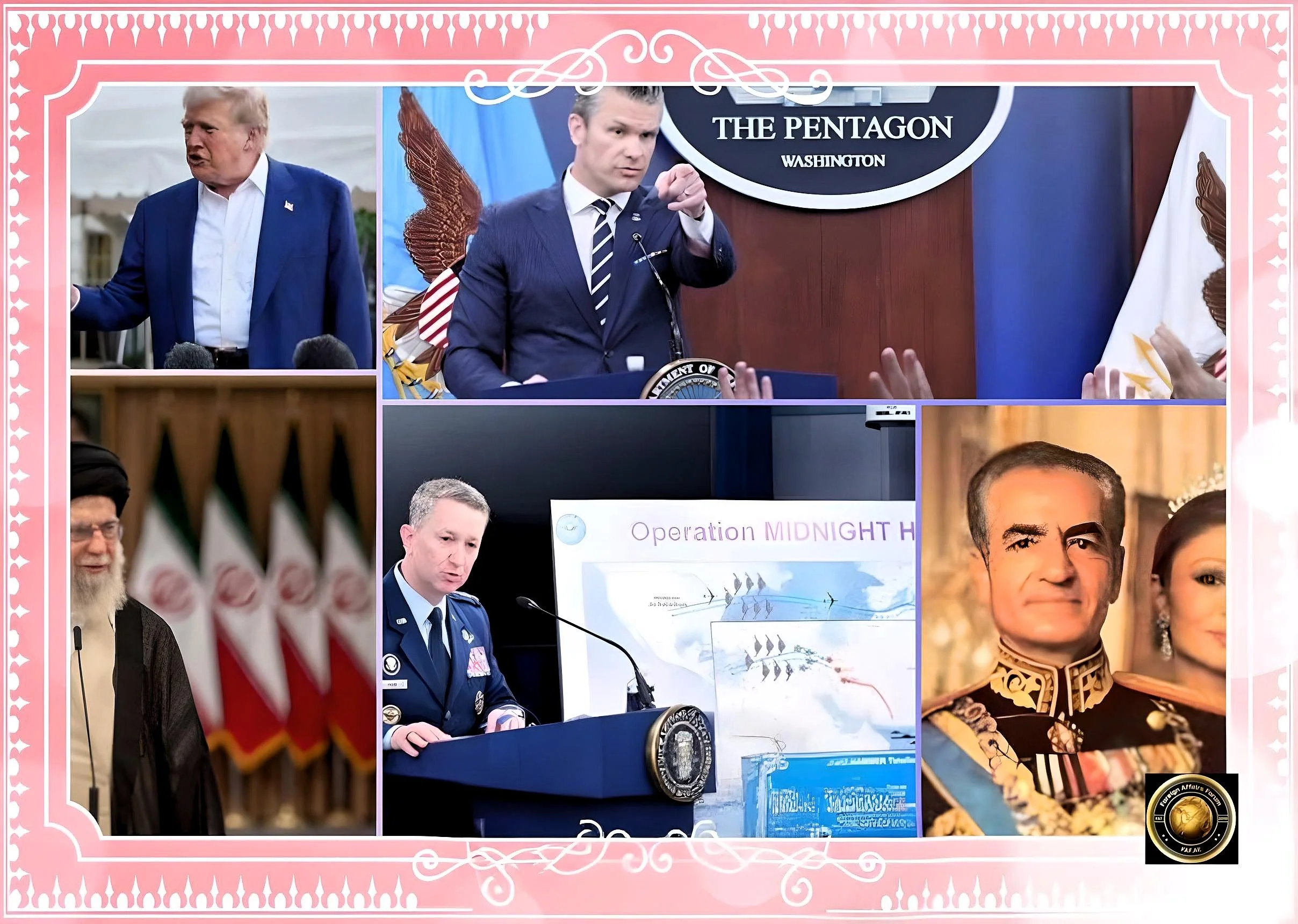
Washington.Media: Regime change revisited: Iran 1953; Trump’s Iran Policy Contradiction: “Make Iran Great Again” and mixed messages on regime change.
Introduction
The Regime Change Statement - Regime change again, 1953
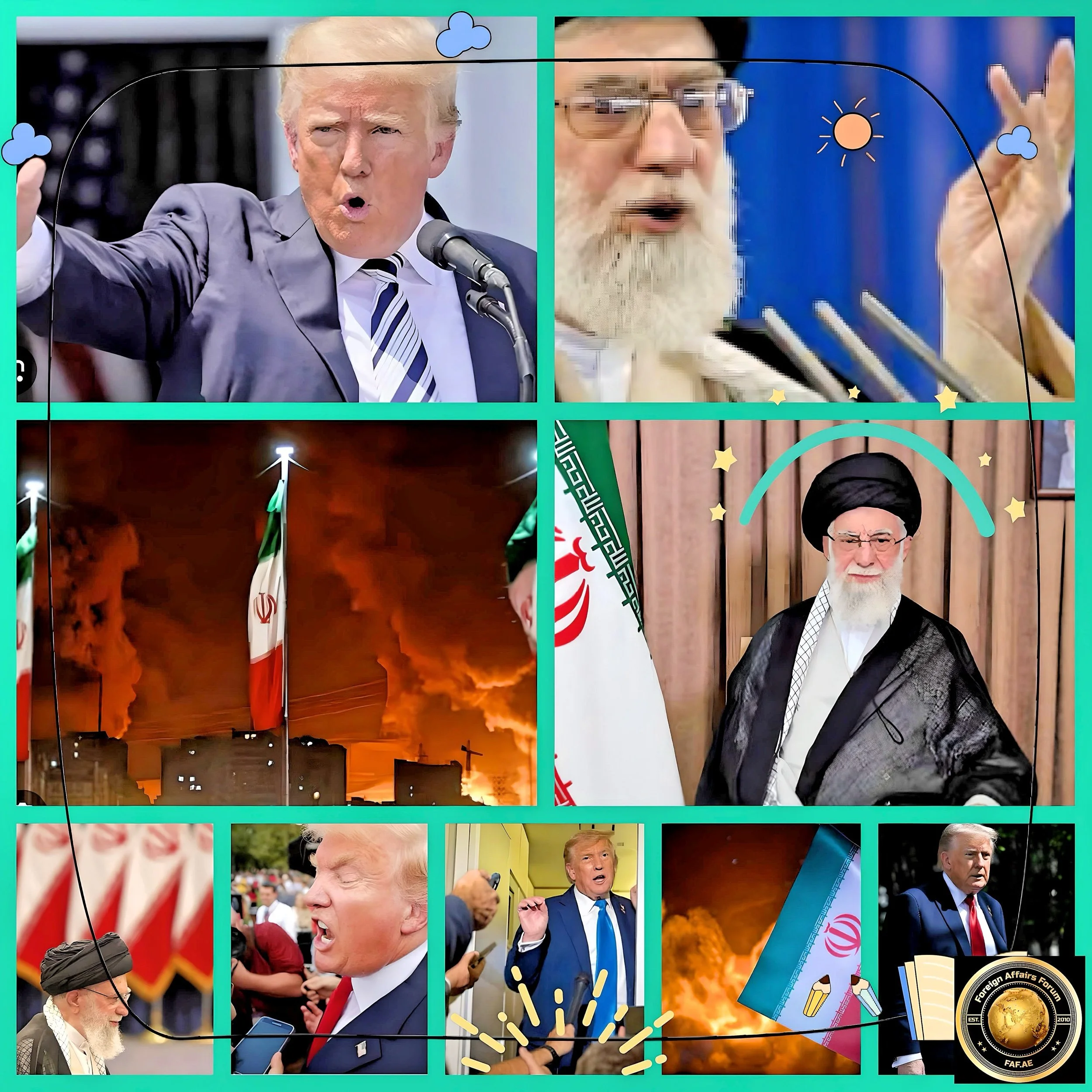
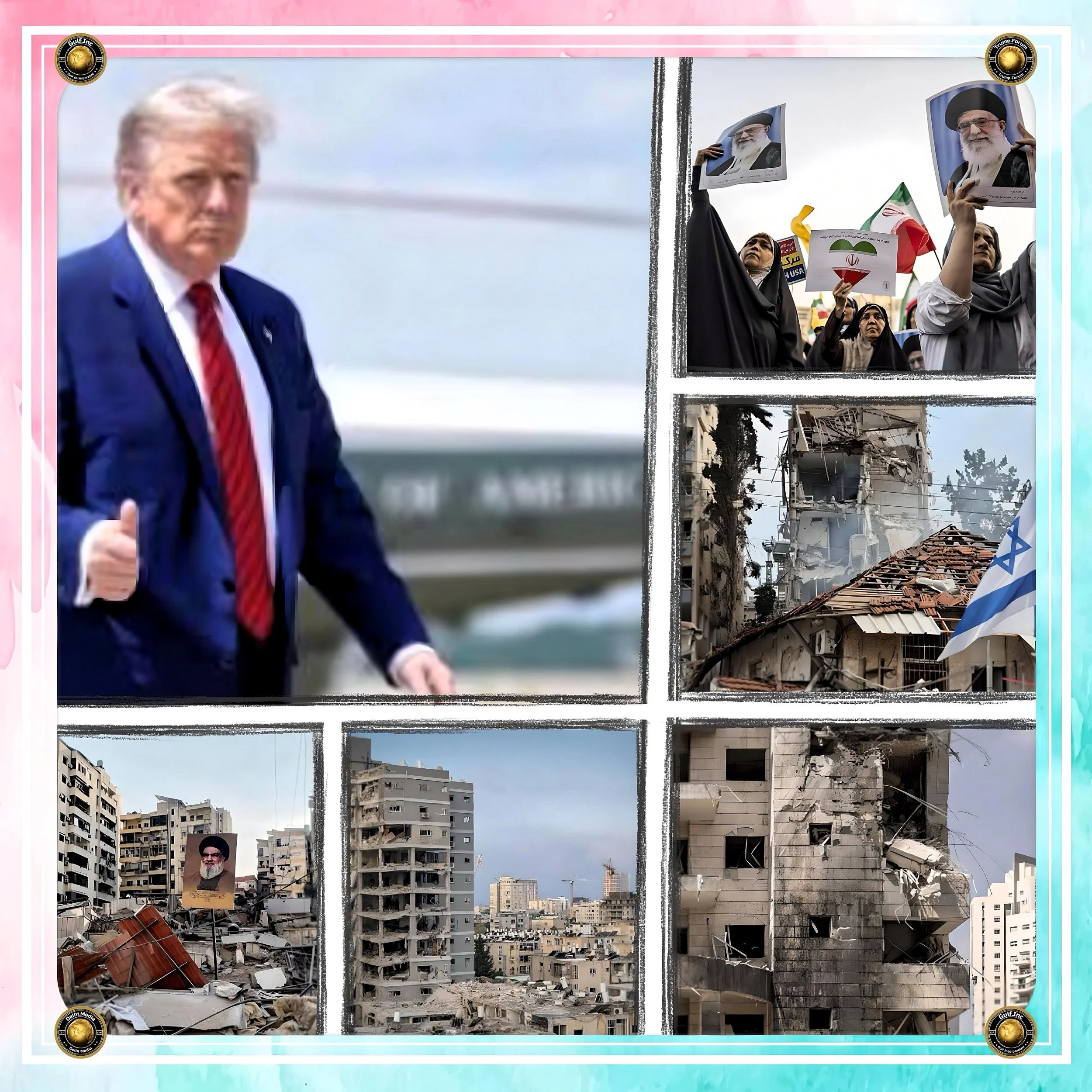
President Donald Trump recently sparked controversy by suggesting regime change in Iran following U.S. military strikes on Iranian nuclear facilities.
In a Truth Social post, Trump wrote: “It’s not politically correct to use the term, ‘Regime Change,’ but if the current Iranian Regime is unable to MAKE IRAN GREAT AGAIN, why wouldn’t there be a Regime change??? MIGA!!!”.
This marked the first time Trump has openly floated the possibility of regime change in Iran since the recent escalation began.
The Administration’s Contradictory Stance
Trump’s regime change comments directly contradict the official position articulated by his top administration officials.
Vice President JD Vance, Defense Secretary Pete Hegseth, and Secretary of State Marco Rubio all insisted that the U.S. strikes were focused solely on dismantling Iran’s nuclear program, not toppling the government.
Key Officials’ Statements
Vice President JD Vance stated on NBC’s Meet the Press: “We are not at war with Iran, we are at war with Iran’s nuclear program.
We don’t want a regime change. We do not want to prolong or build this out any more than it’s already been built. “
During Pentagon briefings, Defense Secretary Pete Hegseth emphasized that “This mission was not and has not been about regime change.
The president authorized a precision operation to neutralize the threats to our national interests posed by the Iranian nuclear program”.
Secretary of State Marco Rubio reinforced this position, stating that the focus is “not the changing of the regime” but preventing Iran from becoming a nuclear power.
Operation Midnight Hammer: The Military Action
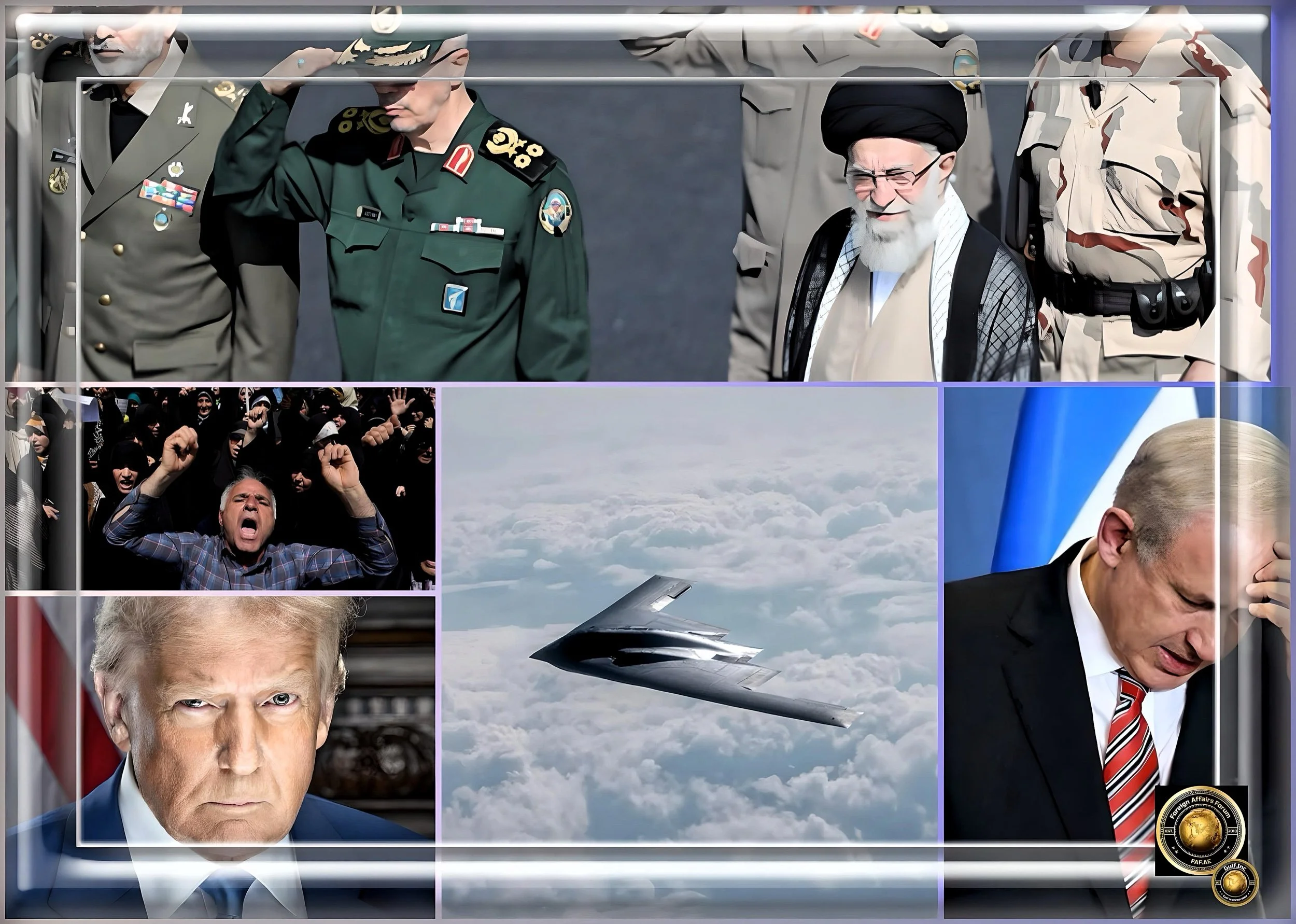
The contradictory messaging emerged following “Operation Midnight Hammer,” a massive U.S. military operation that struck three Iranian nuclear facilities on June 21-22, 2025.
The operation involved over 125 aircraft, including seven B-2 Spirit stealth bombers that flew an 18-hour mission from Missouri to Iran.
The strikes targeted the heavily fortified Fordow facility, along with Natanz and Isfahan nuclear sites, using 14 Massive Ordnance Penetrator bombs weighing 30,000 pounds each.
Trump announced the strikes on Truth Social, declaring that the U.S. had “completed our attack on the three nuclear facilities in Iran”.
He later claimed the damage was “monumental” and that Iran’s nuclear capabilities had been “obliterated”.
Historical Context of U.S. Interventions
Trump’s rhetoric about Iran regime change echoes a long history of American military interventions and regime change operations in the Middle East and beyond.
The United States engaged in nearly 400 military interventions between 1776 and 2023, with over 25% occurring after the Cold War.
Past Regime Change Operations
Iran (1953)
The CIA orchestrated Operation Ajax, overthrowing democratically elected Prime Minister Mohammad Mossadegh and installing the Shah.
This intervention fundamentally altered Iranian history and contributed to anti-American sentiment that persists today.
Iraq (2003)
The U.S. invasion of Iraq under George W. Bush, justified by claims of weapons of mass destruction that proved false, resulted in prolonged instability and sectarian conflict.
Two decades later, Iraq remains in transition with ongoing challenges.
Libya (2011)
NATO intervention during the Arab Spring led to the overthrow and death of Muammar Gaddafi, but Libya subsequently collapsed into chaos with competing governments and militia warfare.
Iran Regime change again: 1953 events
The 1953 coup in Iran marks a pivotal moment in modern Middle Eastern history and U.S. foreign policy. Here’s what is known about the events:
Overview of the 1953 Coup
Key nations
The coup was orchestrated by the United States (CIA, under Operation Ajax/TP-AJAX) and the United Kingdom (Operation Boot), targeting Iran’s democratically elected Prime Minister Mohammad Mossadegh.
Motivation
The primary trigger was Mossadegh’s nationalization of the Anglo-Iranian Oil Company (now BP), which threatened British economic interests.
The U.S., driven by Cold War anxieties, feared the spread of Soviet influence and the potential for a communist takeover if Mossadegh’s government destabilized further.
Execution
The operation was led by CIA officer Kermit Roosevelt Jr., who coordinated a network of Iranian military officers, politicians, and mobsters.
Tactics included disinformation campaigns, fake communist propaganda, bribes, and staged protests.
Outcome
On August 19, 1953, after initial setbacks, pro-Shah forces seized Radio Tehran and broadcast false reports of Mossadegh’s resignation, sowing confusion and shifting momentum.
Mossadegh was subsequently arrested, tried for treason, and sentenced to house arrest.
The Shah, Mohammad Reza Pahlavi, returned to power and ruled as a pro-Western autocrat for the next 26 years.
Key Details and Consequences
Casualties
Between 200 and 300 people were killed in the coup’s violence.
Aftermath
The Shah’s regime was marked by rapid economic modernization and severe political repression, notably through the SAVAK secret police, which was established with U.S. assistance.
Legacy
The coup is widely regarded as a defining betrayal in Iranian collective memory. It is cited as a root cause of anti-American sentiment and a catalyst for the 1979 Islamic Revolution, which overthrew the Shah and established the current Islamic Republic.
Acknowledgment
The U.S. government officially acknowledged its role in the coup only in 2013, when declassified documents confirmed CIA and presidential involvement in both planning and execution.
Broader Implications
Imperialist and Cold War Context
The coup exemplifies how Cold War fears and imperialist ambitions—especially control over oil resources—shaped U.S. and British policy in the Middle East.
Impact on Democracy
The overthrow of Iran’s only truly democratic government at the time set a precedent for U.S. interventions abroad and is often cited as a case study of the unintended consequences of regime change.
Regional Instability
The coup’s legacy contributed to decades of mistrust between Iran and the West, influencing regional politics and conflicts up to the present.
The 1953 coup remains a critical reference point for understanding U.S. interventionism, the geopolitics of oil, and the long-term consequences of regime change in the Middle East.
Analysis: Trump’s Strategic Thinking
Trump’s contradictory messaging reflects several competing considerations within his administration and broader foreign policy approach.
His regime change comments may serve multiple purposes:
Domestic Political Calculations
Trump has historically criticized neoconservative regime change policies, particularly regarding Iraq and Afghanistan.
His current stance represents a departure from his previous anti-interventionist rhetoric, potentially reflecting pressure from pro-Israel factions within his coalition.
Maximum Pressure Strategy
The administration combines military action with diplomatic pressure, following a “maximum pressure” campaign to force Iran back to negotiations.
Trump believes that threatening regime change increases leverage in potential future talks.
Coalition Management
The mixed messaging may reflect divisions within Trump’s coalition, between interventionist hawks like Marco Rubio and Pete Hegseth and more isolationist elements of his base.
This internal tension creates policy inconsistencies that undermine clear strategic communication.
The Imperial Pattern Repeating
Critics argue that Trump’s Iran policy represents a continuation of American imperial interventions that have destabilized the Middle East.
The pattern of military action justified by security threats, followed by regime change rhetoric, mirrors previous interventions in Iraq and Libya.
However, Iran presents unique challenges compared to previous targets. Unlike Iraq under Saddam Hussein or Libya under Gaddafi, Iran has a functioning economy, strong institutions, and profound regional influence.
Military action alone is unlikely to produce the regime change Trump appears to contemplate.
Conclusion
Trump’s “Make Iran Great Again” rhetoric and regime change suggestions directly contradict his administration’s official policy, creating confusion about U.S. objectives.
This messaging inconsistency undermines diplomatic efforts and risks escalating a conflict that could engulf the entire Middle East.
The historical record of American regime change operations suggests that such interventions often produce unintended consequences and long-term instability, raising serious questions about the wisdom of pursuing regime change in Iran.
The contradiction between Trump’s public statements and his officials’ positions reflects deeper tensions within his administration about America’s role in the world and the appropriate use of military force.
These internal divisions may prove as significant as Iran's external challenges as the situation develops.