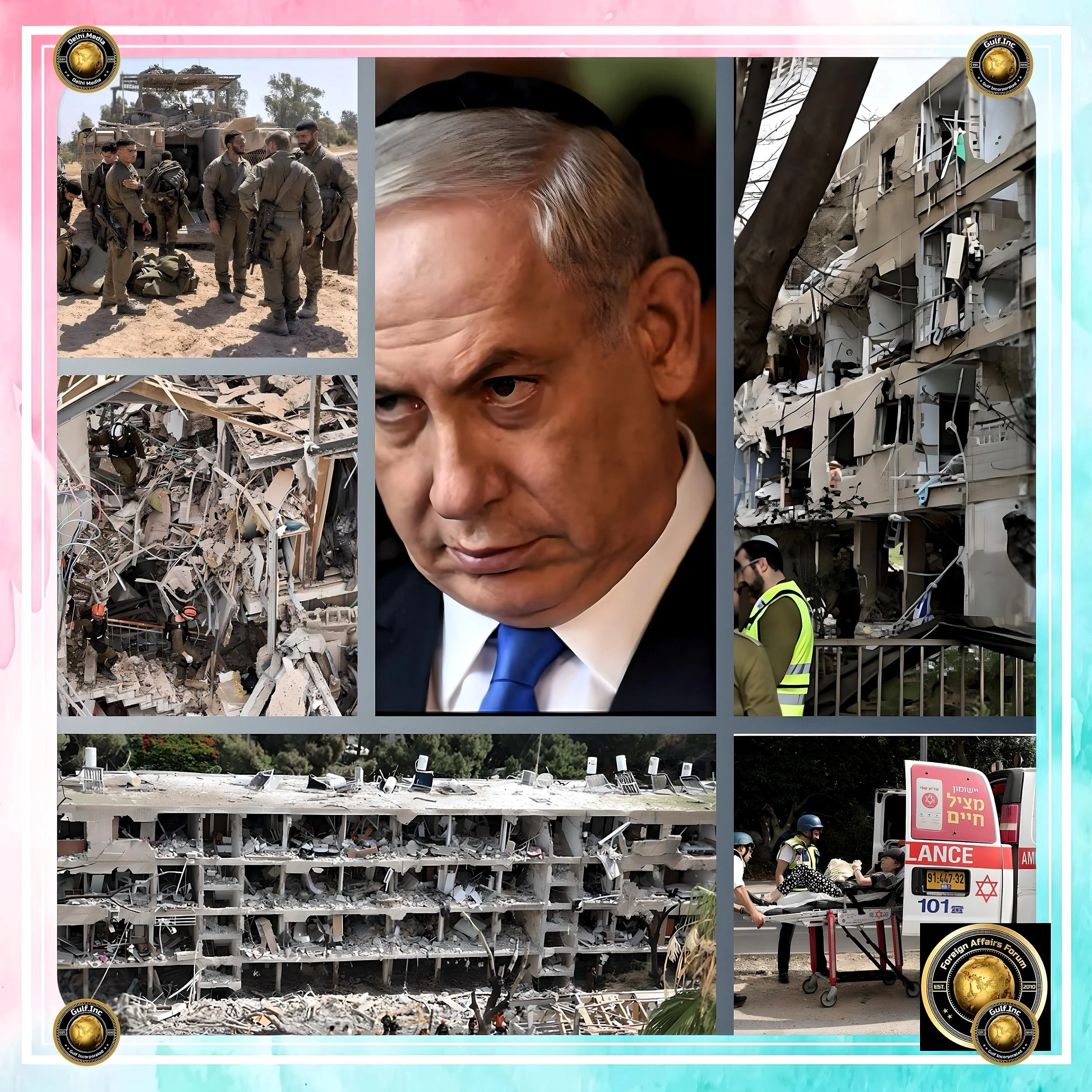
Gulf.Inc- Israel Should Have Let Diplomacy Run Its Course: The Case for Patience Over Premature Military Action
Introduction
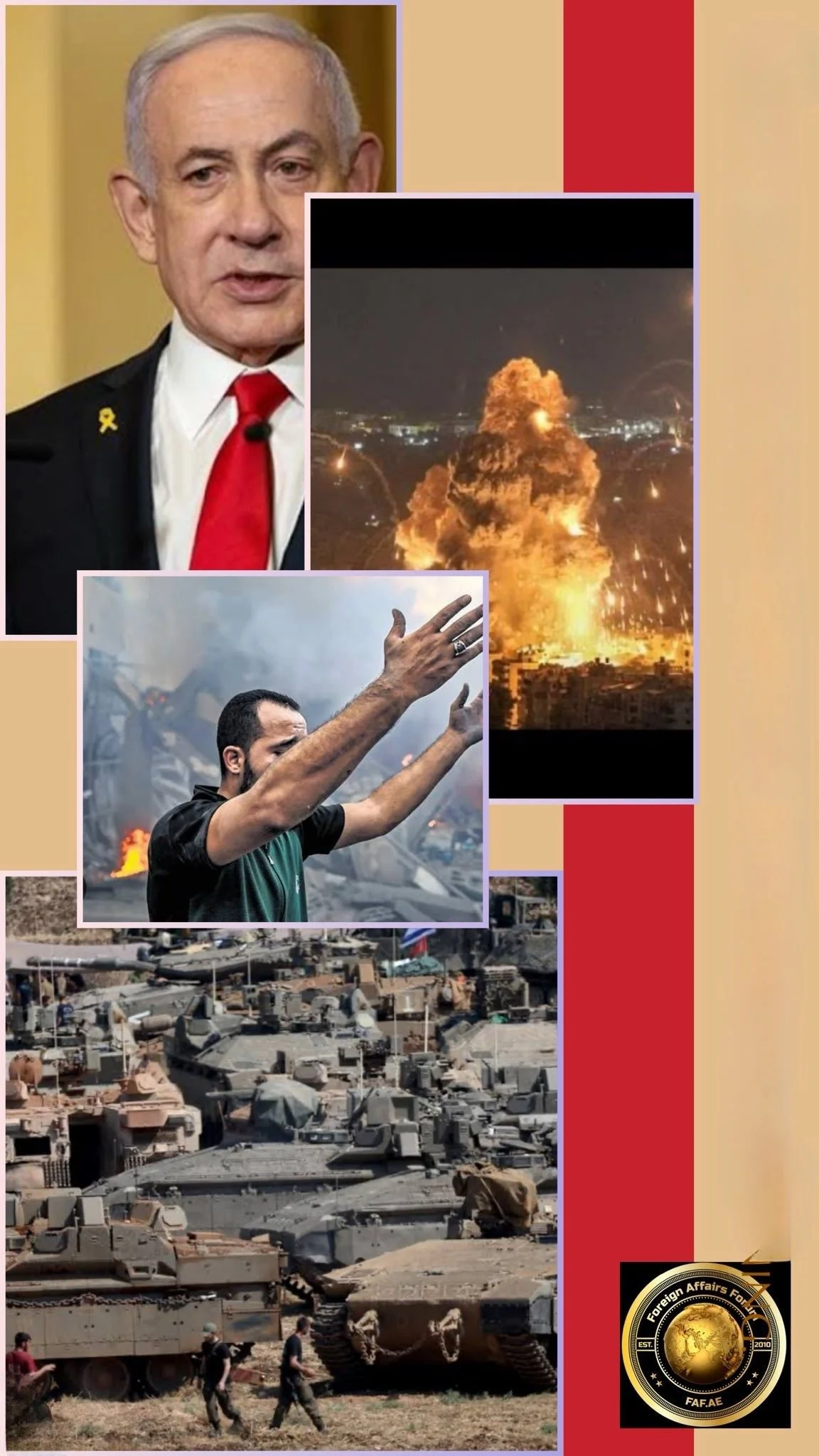
The current Israel-Iran war, which began on June 13, 2025, represents a tragic culmination of failed diplomacy and impatience with the negotiation process.
As the conflict enters its second week with over 430 Iranian civilians killed and 24 Israeli fatalities, the question looms: could continued negotiations and sanctions have prevented this devastating escalation?
The evidence suggests that Israel’s decision to launch Operation Rising Lion came at a critical moment when diplomatic progress, while slow, was still possible.
The Diplomatic Foundation That Was Abandoned
A History of Successful Nuclear Diplomacy
The 2015 Joint Comprehensive Plan of Action (JCPOA) proves that diplomatic engagement with Iran can yield concrete results. Under this landmark agreement, Iran agreed to reduce its stockpile of low-enriched uranium by 98% to 300kg, limit uranium enrichment to 3.67%, and allow extensive international inspections.
The deal successfully increased Iran’s “breakout time” to produce fissile material for a nuclear weapon from two to three months to one year.
International inspections repeatedly confirmed that Iran complied with its nuclear obligations under the JCPOA.
This demonstrated Iran’s willingness to negotiate and make significant concessions when presented with a credible diplomatic framework backed by sanctions relief.
The 2025 Negotiations: Progress Cut Short
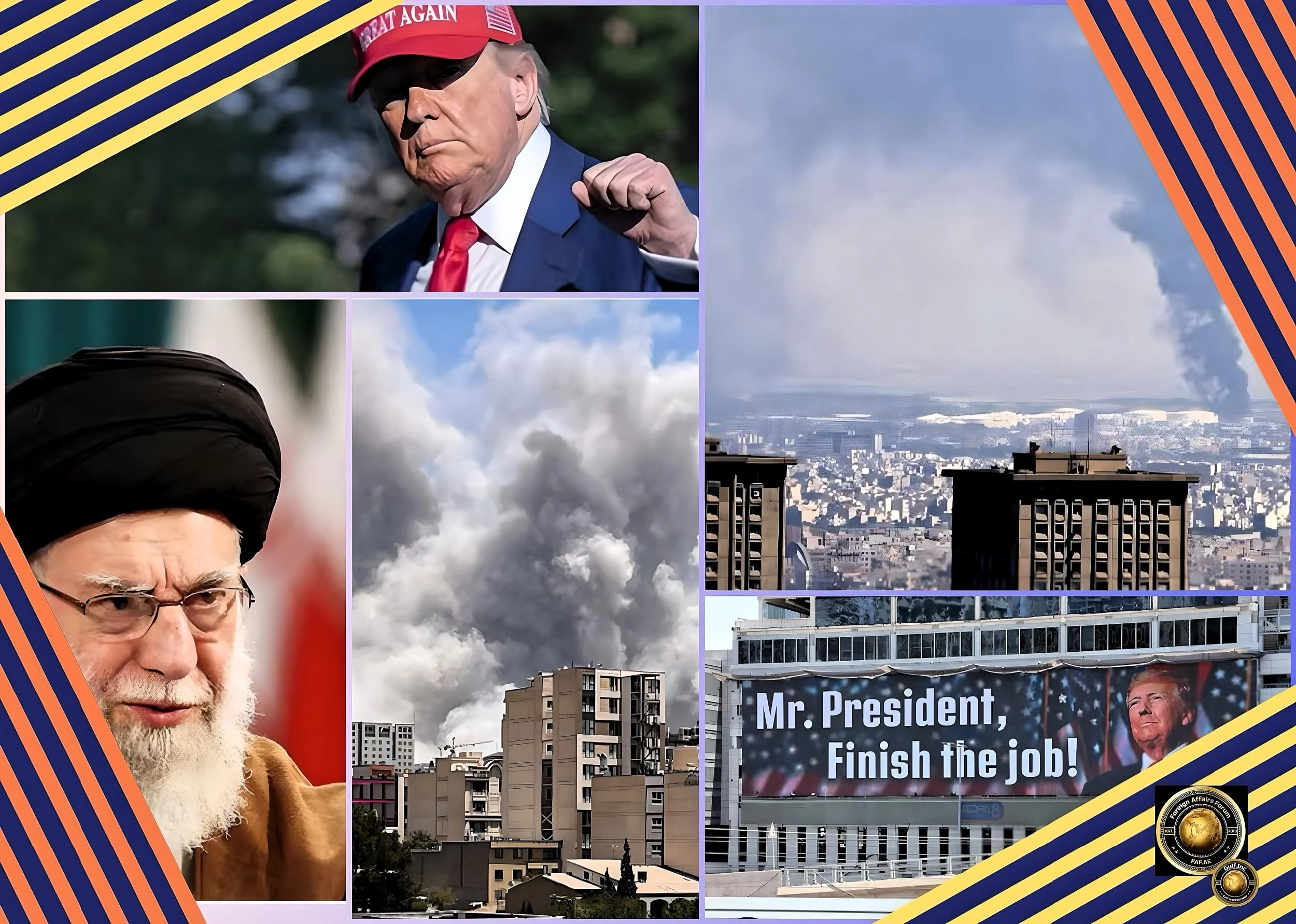
The most recent diplomatic effort began on April 12, 2025, following a letter from President Trump to Supreme Leader Ali Khamenei setting a two-month deadline for reaching a nuclear agreement.
Despite Trump’s characteristic impatience, the negotiations showed signs of progress through multiple rounds of talks in Oman and Rome and expert-level meetings.
During the first round in Oman, Iran proposed a comprehensive three-step plan that included temporarily lowering uranium enrichment to 3.67% in exchange for access to frozen assets, permanently halting high-level enrichment in return for sanctions relief, and transferring highly enriched uranium stockpiles to a third country in exchange for full sanctions removal.
Iran also offered to disarm and freeze the activities of Hamas, the Houthis, Hezbollah, and other proxy groups.
By May 2025, Trump himself acknowledged that the U.S. was “very close to reaching a nuclear deal with Iran” and expressed his preference for a peaceful solution over military action.
While maintaining their positions on specific issues, Iranian officials continued to engage in the process even as disagreements persisted.
The Timing of Israel’s Attack: A Critical Miscalculation
Premature Escalation
Israel’s decision to launch Operation Rising Lion on June 13, 2025, came just one day after Trump’s two-month deadline for securing a nuclear deal expired.
This timing was not coincidental but represented a strategic decision to abandon diplomacy when negotiations, while challenging, had not yet definitively failed.
The attack began with targeted assassinations of Iran’s top military leaders and nuclear scientists, airstrikes on nuclear and military facilities, and destruction of Iran’s air defenses.
Netanyahu justified the operation by claiming Iran could produce a nuclear weapon “in a very short time,” potentially within months.
However, senior U.S. officials were not aware of any fresh intelligence indicating Iran was hastily advancing toward constructing a nuclear weapon.
The European Diplomatic Alternative
Even as Israel prepared for military action, European allies were pursuing diplomatic alternatives.
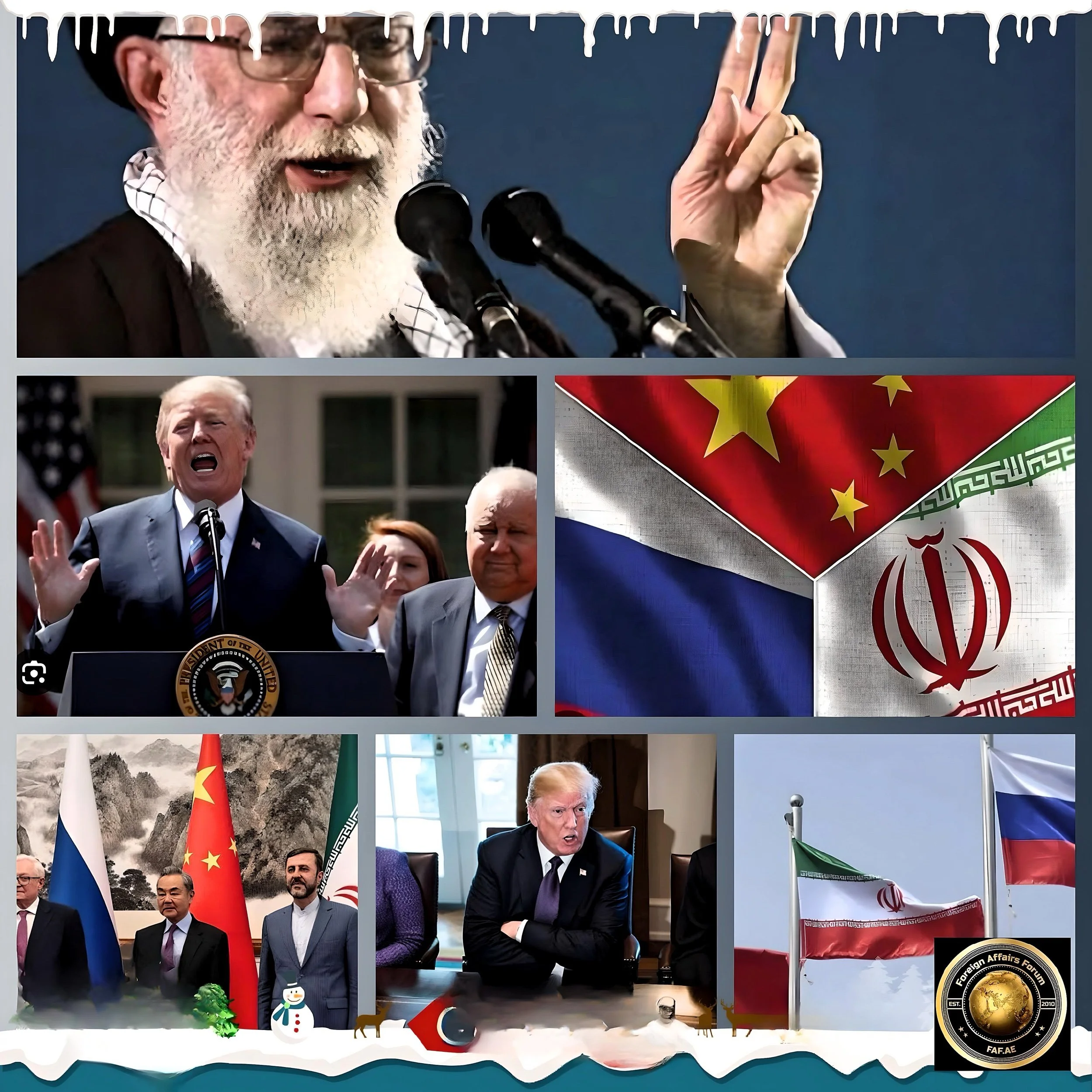
French President Macron convened his Defense and National Security Council on June 18, emphasizing that “a permanent solution to the nuclear and ballistic programme can be achieved only through negotiation”.
European foreign ministers from France, Germany, and the UK met with Iranian Foreign Minister Abbas Araghchi in Geneva. The discussions lasted four hours and produced expressions of hope for continued dialogue.
After the Geneva meeting, Iranian Foreign Minister Araghchi stated that Iran was “ready to consider diplomacy once again” but emphasized that negotiations could not continue “as long as the aggression continues”.
This position, while challenging, still left room for diplomatic maneuvering if Israel had chosen restraint over military action.
The Sanctions Alternative: Untapped Potential
The Power of Economic Pressure
Historical evidence demonstrates that sanctions can be an effective tool for compelling Iranian compliance with international demands.
The sanctions regime that brought Iran to the negotiating table for the JCPOA had significantly impacted the Iranian economy, starving it of more than $100 billion and creating the conditions for diplomatic engagement.
Research on sanctions effectiveness shows that economic restrictions often work best when combined with diplomatic engagement rather than military threats.
The overreliance on sanctions without diplomatic alternatives risks fueling Tehran’s defiance and empowering hardliners who resist engagement with the West.
However, when sanctions are part of a comprehensive diplomatic strategy, they can create powerful incentives for negotiation.
The Untested Path Forward
In 2025, additional sanctions measures remained available and largely untested.
The international community had not exhausted economic pressure options, particularly given that European allies were actively seeking ways to maintain diplomatic channels while potentially tightening economic restrictions.
The combination of continued sanctions pressure with active diplomatic engagement represented a viable alternative to military action that was never fully explored.
The Complexity Trap: Why Nuance Matters in Foreign Policy
Beyond Binary Thinking
The current crisis exemplifies the dangers of binary thinking in foreign policy decision-making.
The choice between military action and diplomatic inaction represents a false dichotomy that ignores the full spectrum of available options.
Peace scholars have long advocated for alternative approaches that include guarantees of no-first-use of military force, continued sanctions pressure combined with incentives for compliance, and multilateral diplomatic engagement.
The Iran situation required what experts call “strategic patience” – the willingness to pursue long-term diplomatic solutions even when immediate results are not apparent.
Complex international conflicts rarely yield to quick fixes, and the demand for immediate resolution often undermines the very diplomatic processes that could produce lasting solutions.
The Cost of Impatience
Trump’s approach to Iran negotiations suffered from the same impatience problem identified in his broader foreign policy approach.
His unrealistic expectations for solving the conflict “with relatively little effort and in weeks, not years” made it easier for those opposed to diplomacy to manipulate the situation toward military confrontation.
The two-month deadline imposed on Iran created artificial urgency that served to undermine rather than advance the negotiation process.
Netanyahu’s timing in launching the attack, coming immediately after Trump’s deadline expired, suggests coordination designed to exploit this impatience and foreclose diplomatic alternatives.
Israeli officials reportedly cited Trump’s own unmet 60-day deadline for Iranian nuclear talks in their decision to strike Iran.
The Road Not Taken: Alternative Scenarios
Sanctions Plus Diplomacy
Had Israel chosen restraint, several diplomatic pathways remained available.
European negotiators were actively working to establish a framework for renewed talks, with French Foreign Minister Jean-Noël Barrot stating that “the problem of Iran’s nuclear program cannot be solved by military means” alone.
The combination of continued sanctions pressure with active European mediation could have created space for progress.
Iran’s willingness to engage with European partners, even while refusing direct talks with the U.S. during Israeli attacks, suggested that diplomatic channels remained viable.
The Iranian position that negotiations could resume once “aggression ceases” indicated flexibility in their approach that could have been exploited through coordinated international pressure.
The Gaza Connection
Some analysts suggested that broader diplomatic initiatives could have linked progress on Iran’s nuclear program with developments in Gaza.
A proposed framework involving a 60-day ceasefire in Gaza alongside a 60-day halt on Iranian enrichment activities could have created momentum for broader regional de-escalation.
This approach would have recognized the interconnected nature of Middle Eastern conflicts while providing face-saving opportunities for all parties.
The Current Stalemate: Diplomacy’s Narrow Window
Limited Options Remaining
As the Israel-Iran war enters its second week, diplomatic options have narrowed significantly but have not entirely disappeared.
Trump has indicated he will decide within two weeks whether to join Israel’s military campaign, creating what diplomats describe as a “last shot” for diplomatic intervention.
Iran continues to express willingness to negotiate, but only after Israeli attacks cease. This position, while challenging, still provides a potential pathway for de-escalation if the international community can create sufficient pressure for a temporary halt to military operations.
European Leadership Required
With the U.S. contemplating military involvement and Israel committed to its military campaign, European allies represent the most viable channel for diplomatic breakthrough.
Their continued engagement with Iranian officials and their explicit rejection of military solutions as the sole answer to the nuclear crisis position them to play a crucial mediating role.
However, European success will require overcoming Trump’s skepticism about their effectiveness and convincing both Israel and Iran that diplomatic alternatives remain preferable to continued military escalation.
Conclusion
The Price of Abandoning Diplomacy
The current Israel-Iran war represents a failure of strategic patience and diplomatic imagination.
While Iran’s nuclear program posed legitimate security concerns, the decision to abandon negotiations at a critical juncture has produced outcomes far worse than continued diplomatic engagement might have achieved.
The human cost – over 450 civilian deaths and rising – stands as testimony to the price of choosing military action over diplomatic persistence.
The 2015 JCPOA demonstrated that Iran could be brought into compliance with international nuclear standards through patient, multilateral diplomacy backed by sanctions.
The 2025 negotiations, while challenging, showed similar potential for progress before being cut short by military action.
We will never know whether continued negotiations and sanctions could have prevented this war, but the evidence suggests that diplomatic alternatives remained viable and largely unexplored.
The tragedy of the current crisis lies not just in its immediate human costs, but in its demonstration of how binary thinking and impatience continue to undermine complex diplomatic solutions to international conflicts.
As the war continues and diplomatic options narrow, the case for choosing negotiation over military action becomes both more urgent and more difficult to make.
The lesson for future crises is clear: in an interconnected world facing complex challenges, the patience required for diplomatic solutions remains humanity’s best hope for avoiding the devastating costs of war.