Trump’s Iran Gambit: A Test Case for Ending America’s Middle East Entanglement
Introduction
The second Trump administration’s approach to Iran represents perhaps the most significant test of whether the United States can finally extract itself from decades of costly Middle East interventions.
FAF, Gulf.Inc analyzes that with Iran’s regional influence at its weakest point in years and Trump positioning himself as a dealmaker rather than a warmonger, the current moment presents what may be America’s best opportunity in decades to achieve a negotiated settlement that could fundamentally reshape regional dynamics.
However, the ongoing negotiations face substantial obstacles, including Iran’s apparent rejection of current U.S. proposals, Israeli threats of preemptive strikes, and the inherent complexity of nuclear diplomacy under maximum-pressure sanctions.
Iran’s Strategic Vulnerability
A Historic Opportunity
Iran’s current regional position represents a dramatic reversal from its peak influence of the past decade, creating unprecedented leverage for American negotiators.
By early 2025, Iran’s regional influence had significantly declined following major setbacks among its proxies and allies.
The Iran-backed network that once projected power across the Middle East has suffered devastating blows, with Hamas, Hezbollah, and the Houthis all experiencing major setbacks following the October 7 Hamas-led attack on Israel and subsequent conflicts.
The collapse of Bashar al-Assad’s regime in Syria has proven particularly damaging to Iranian strategic interests, critically disrupting supply routes that were essential for supporting Hamas and Hezbollah operations.
This infrastructure, built over decades of careful cultivation, cannot be easily replaced and represents a fundamental shift in the regional balance of power.
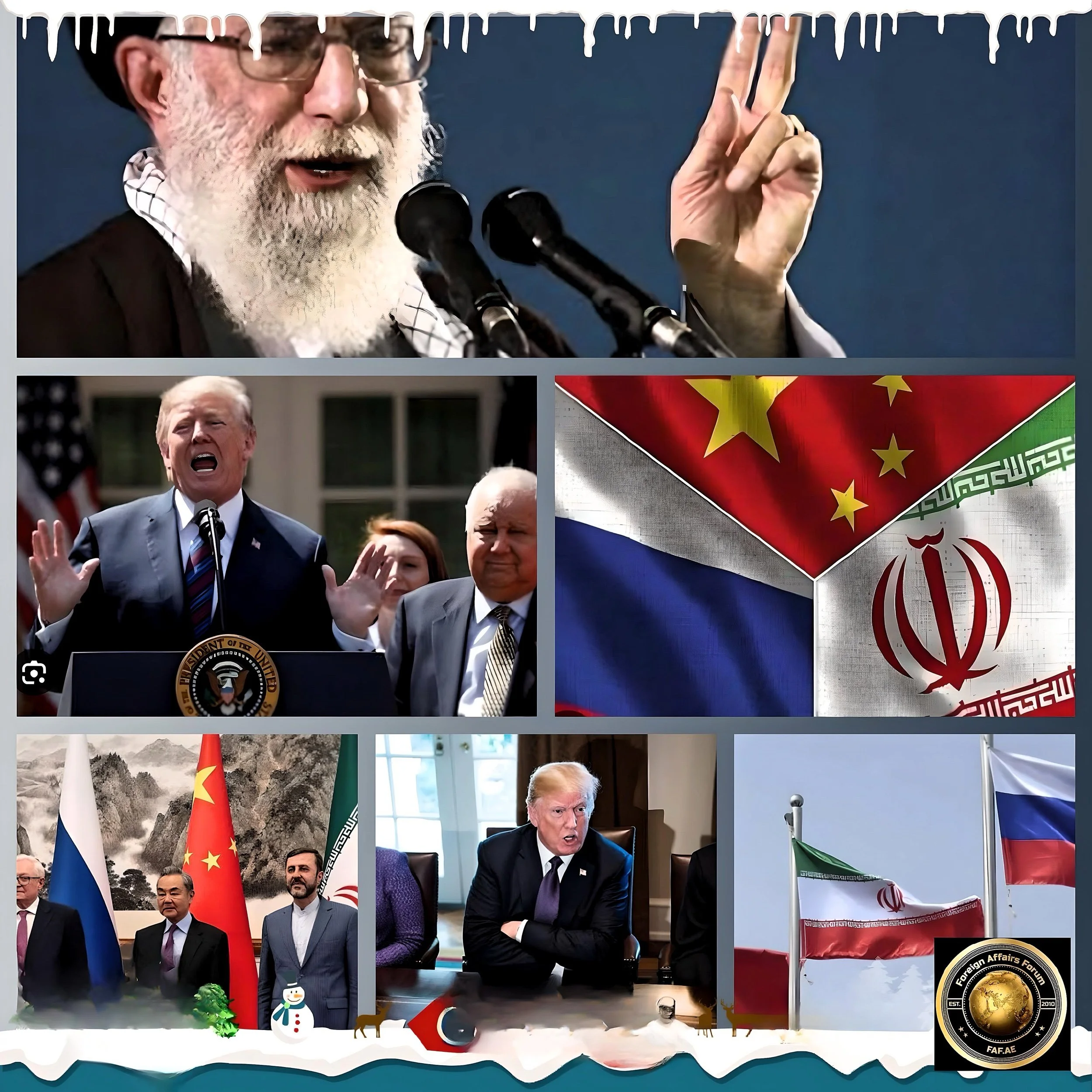
Simultaneously, Russia’s prolonged war in Ukraine has drained resources and limited Moscow’s ability to provide meaningful support to Iran, further weakening the Iran-led axis of resistance.
These developments have created what analysts describe as Iran’s “uniquely weakened position,” presenting what some characterize as a rare opportunity for the United States to reshape regional dynamics.
The timing appears particularly favorable given that Iran’s economy remains under severe strain from years of sanctions, with inflation soaring, currency collapsing, and domestic unrest intensifying as the country faces economic isolation while advancing its nuclear program.
Economic Pressure and Nuclear Advancement
The economic dimension of Iran’s vulnerability cannot be overstated. Under Biden’s administration from 2021-2025, Iran’s economy remained severely constrained despite fluctuating sanctions enforcement.
The cumulative effect of years of maximum pressure sanctions has created a situation where Iran’s leadership faces mounting domestic pressure while simultaneously advancing its nuclear capabilities as a hedge against external threats.
This paradoxical situation—economic weakness and nuclear advancement—creates opportunity and urgency for American policymakers.
Iran’s continued uranium enrichment beyond the limits set by the original 2015 accord has reached concerning levels, with the IAEA reporting a record amount of military-grade nuclear-enriched uranium accumulated by Iran as of May 31.
The combination of economic desperation and nuclear progress suggests that Iran may be more willing to negotiate while raising the stakes of any potential failure in diplomacy.
The Diplomatic Opening
Negotiations and Maximum Pressure
Trump’s second-term approach to Iran represents a calibrated combination of renewed maximum pressure and unprecedented diplomatic outreach.
In February 2025, President Trump signed a National Security Presidential Memorandum reinstating the “maximum pressure” campaign against Iran, aiming to compel Tehran to negotiate a new nuclear agreement while preventing nuclear weapons development and countering regional influence.
This policy mandates heightened economic sanctions targeting Iran’s oil exports to reduce them to zero and directs the revocation of existing sanctions waivers.
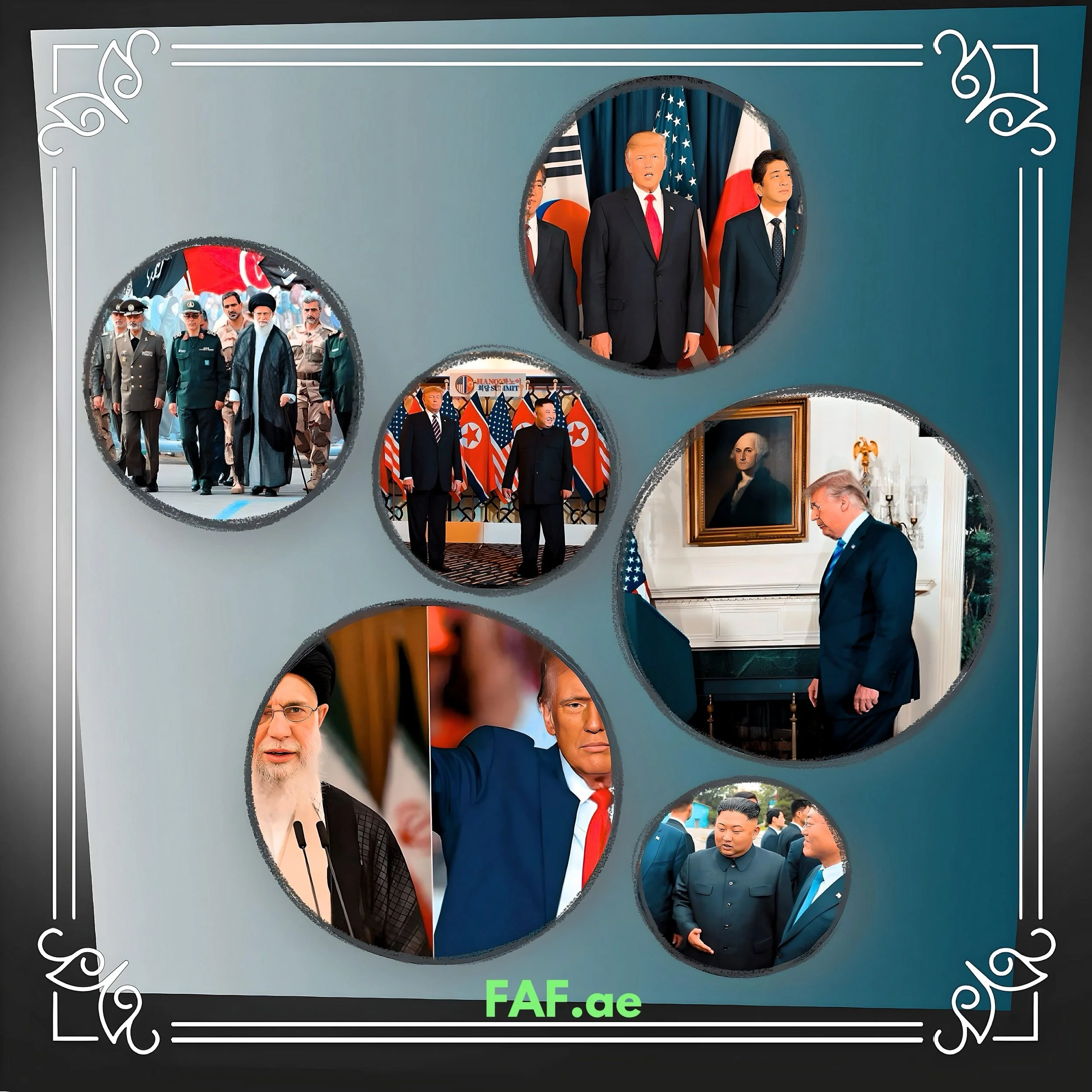
The diplomatic component emerged in March 2025 when Trump confirmed sending a letter to Iran’s Supreme Leader Ayatollah Ali Khamenei, urging negotiations for a new nuclear agreement to replace the 2015 deal.
Emphasizing a preference for diplomacy, Trump warned of potential military action should negotiations fail.
Iran’s official response came via Oman on March 26, rejecting direct talks under pressure but leaving the door open to indirect negotiations.
The Oman Channel
High-Stakes Negotiations
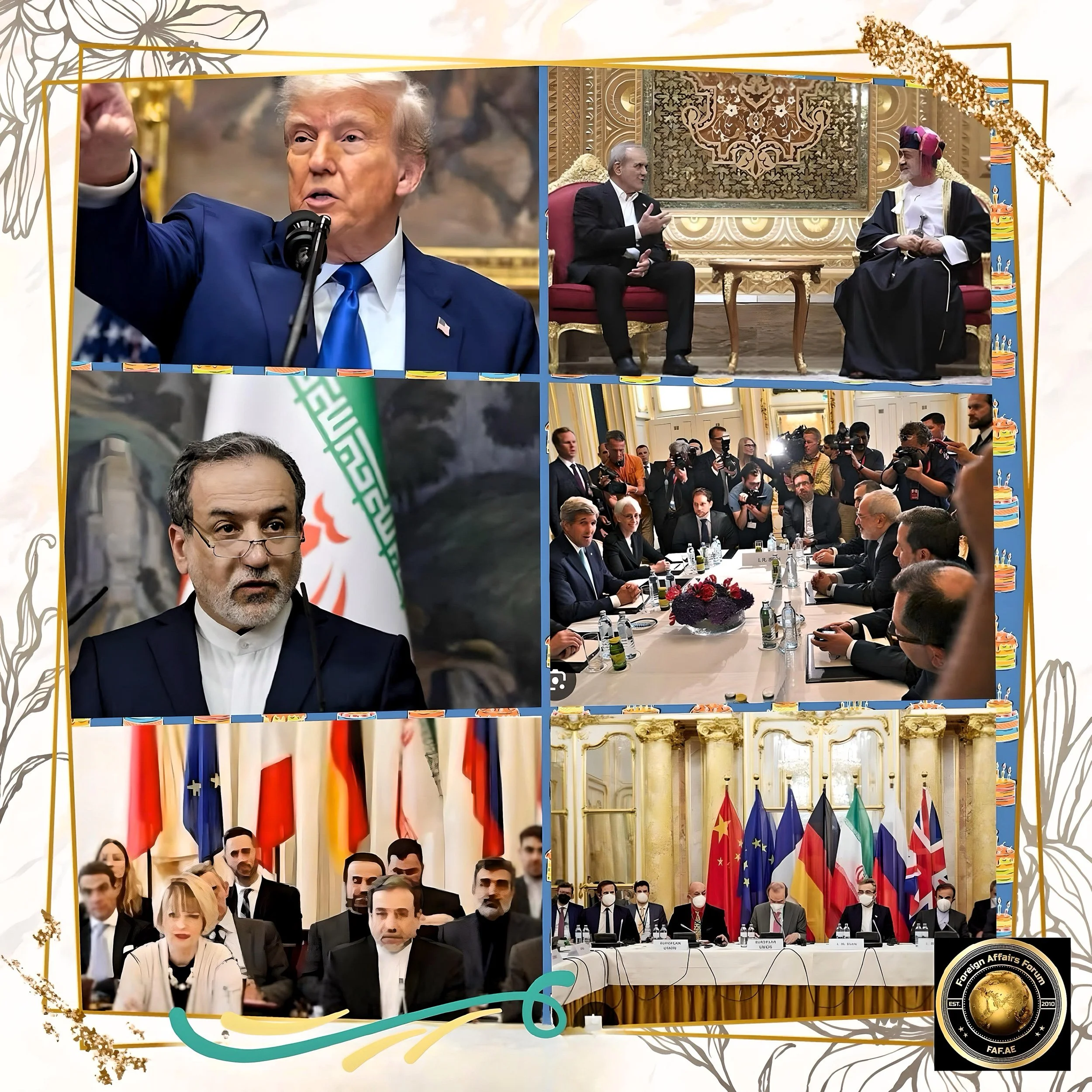
The substantive negotiations began on April 12, 2025, with the United States and Iran starting a series of meetings to reach a nuclear peace agreement.
The first round of high-level meetings was held in Oman, led by U.S. Special Envoy Steve Witkoff and Iranian Foreign Minister Abbas Araghchi. The discussions were described as constructive.
This was followed by a second round of Omani-mediated talks in Rome on April 19, 2025, and a third high-level round in Muscat a week later.
The negotiations have involved expert-level meetings to develop a framework for a possible nuclear agreement, led by Michael Anton for the U.S. and Majid Takht-Ravanchi for Iran.
Iran offered to build at least 19 additional reactors as part of the peace proposals, suggesting that contracts for these projects could help revive the struggling U.S. nuclear industry.
This proposal indicates Iran’s willingness to consider significant economic incentives as part of a comprehensive agreement.
Trump’s optimism about the negotiations became apparent in late May when he stated the sides were close to finalizing talks, emphasizing “strong inspections because I don’t trust anybody.”
However, Iranian Foreign Minister Araghchi has expressed uncertainty about whether a deal is imminent. At the same time, Khamenei advisor Shamkhani dismissed Trump’s approach as “daydreaming of the desolation of the Iranian nuclear program.”
The Stakes and Challenges
Military Threats and Diplomatic Deadlock
The current diplomatic process operates under the shadow of escalating military threats and compressed timelines that could derail negotiations.
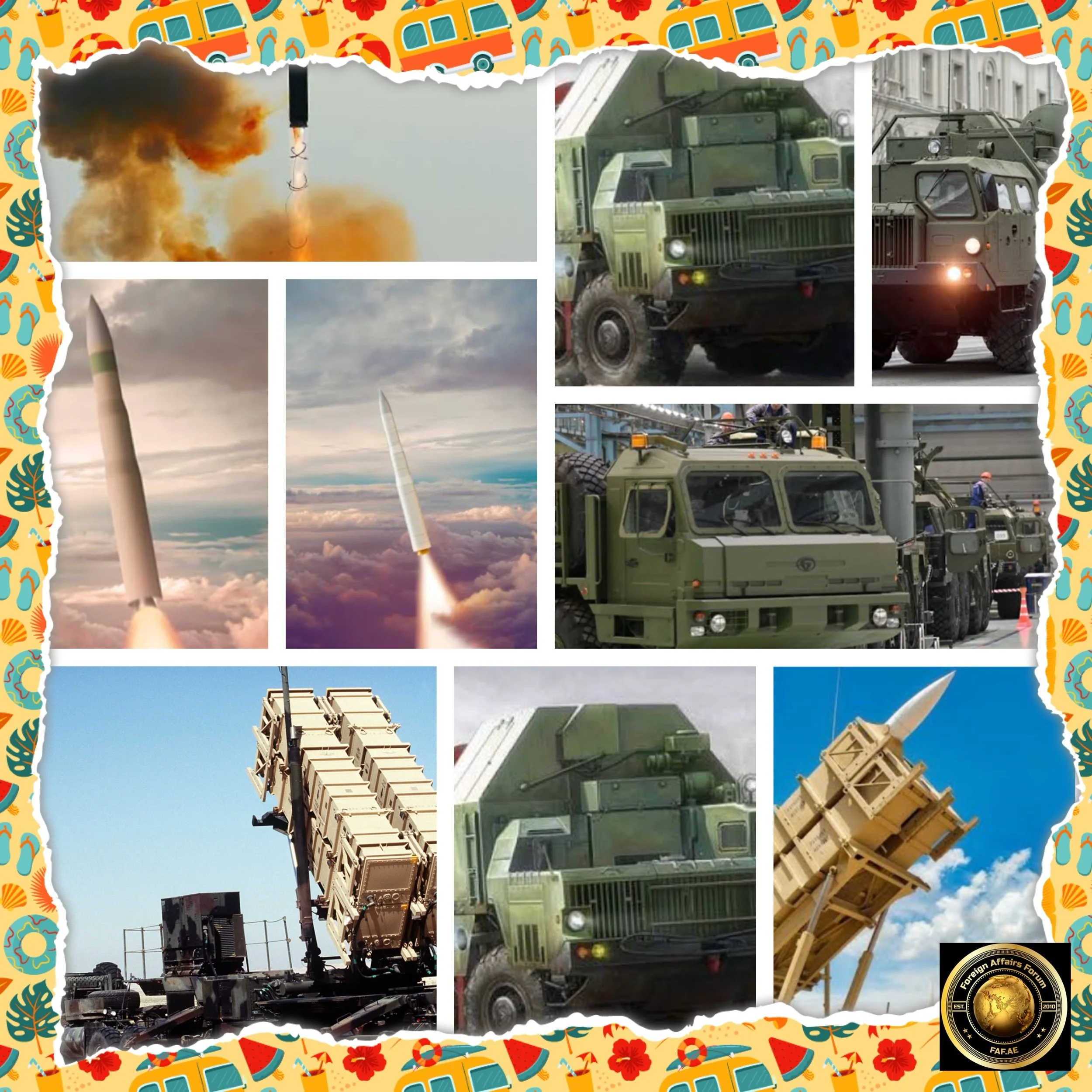
In March 2025, the U.S. deployed four B-2 Spirit stealth bombers to Diego Garcia—representing over 20% of the total B-2 fleet.
While officially aimed at deterring Iran-backed Houthi rebels in Yemen, analysts suggest the scale and capabilities of this deployment point to preparations for potential strikes on hardened Iranian nuclear targets like Fordow or Natanz, possibly in coordination with Israel.
Trump’s public statements have alternated between diplomatic overtures and stark military threats.
On March 30, he escalated pressure by threatening to bomb “the likes of which Iran has never seen” and warning of secondary tariffs.
However, by April 25, Trump stated he would not let Netanyahu drag him into a war with Iran and expressed interest in meeting with Iran’s Ayatollah Ali Khamenei while still threatening a joint Israeli-U.S. military operation if diplomacy failed.
Israeli Pressure and Regional Dynamics
Israel’s position significantly complicates the diplomatic equation, with the Netanyahu government threatening preemptive attacks on Iranian nuclear installations with possibly seven hours’ notice, according to New York Times reporting.
Israel perceives Tehran’s nuclear program as an existential danger and asserts it will never permit Iran to acquire nuclear weapons.
This Israeli pressure has been reinforced by Saudi Arabia, whose defense minister conveyed a message to Iranian officials in April urging them to take Trump’s deal proposal seriously to mitigate the risk of conflict with Israel.
The regional dimension adds complexity to bilateral negotiations, as Iran has warned that war would engulf the entire Middle East region if it is attacked.
General Salami of Iran’s Revolutionary Guard has stated that Iran is already in a “full-scale war,” indicating the heightened tensions that surround the diplomatic process.
These statements suggest that any negotiation failure could trigger a regional conflagration that would inevitably draw American forces.
The Current Proposal and Iranian Response
Recent developments suggest that the diplomatic window may be closing rapidly. On May 16, Trump revealed that a nuclear deal proposal had been sent to Iran, warning they had little time or “bad things would happen.”
By June 2, Iranian diplomatic sources indicated that Iran was poised to reject the U.S. proposal, dismissing it as a “non-starter” that fails to address Tehran’s interests or soften Washington’s stance on uranium enrichment.
Iranian officials have indicated a willingness to accept certain limitations on enrichment but require strong assurances that Washington would adhere to any future nuclear agreement.
Two Iranian officials informed Reuters that Iran might halt enrichment if the U.S. released frozen assets and acknowledged Tehran’s right to refine uranium for civilian purposes under a “political deal” that could pave the way for a more comprehensive nuclear agreement.
However, Iran has denied accepting a three-year pause on its enrichment program, suggesting fundamental disagreements remain.
Regional Dynamics and Alliance Management
The Iran negotiations occur within a broader context of Trump’s apparent effort to reorder Middle Eastern diplomacy and reduce long-term American military commitments.
Trump’s recent four-day tour of Saudi Arabia, Qatar, and the United Arab Emirates, notably excluding Israel from his itinerary, signals what many observers see as a dramatic diplomatic reordering.
His declaration in Riyadh that “A new generation of leaders is transcending the ancient conflicts and tired divisions of the past” reflects his vision of a Middle East defined by “commerce, not chaos.”
The economic dimension of this approach has yielded significant results, with the “trillion-dollar tour” producing over $2 trillion in Gulf investments in U.S. infrastructure, energy, and technology, along with multibillion-dollar arms agreements.
This suggests that Trump views economic integration and arms sales as alternatives to direct military intervention, potentially offering a pathway to influence without occupation.
The Challenge of Alliance Management
However, the broader challenge of alliance management in the Middle East remains formidable.
The U.S. strategic position has been complicated by what RAND Corporation analysis describes as partners’ “reduced faith in the U.S. security commitment,” which regional allies “tend to read into every action and inaction.”
Arab rulers’ perception that the United States abandoned allies like Egypt’s Hosni Mubarak and pursued the Iran nuclear deal despite their objections has created lasting trust deficits.
The current approach risks similar complications, as Israel’s public opposition to renewed Iran negotiations and threats of unilateral military action echo the dynamics that strained U.S.-Israeli relations during the Obama administration.
Turkey’s coordination of cross-border operations with Russia and ongoing tensions over Kurdish partnerships illustrate how Middle Eastern allies increasingly pursue independent policies when they perceive American unreliability.
The approximately 50,000 American troops stationed at U.S. bases throughout the Middle East represent the military infrastructure that any successful diplomatic resolution must address.
This substantial force structure indicates the scale of American commitment that successful Iran negotiations could potentially reduce but also demonstrates the military leverage available should diplomacy fail.
Conclusion
The Test of American Strategic Discipline
Trump’s Iran diplomacy represents a critical test of whether American foreign policy can break free from the cycle of Middle East interventions that has defined U.S. strategy for decades.
The convergence of Iran’s regional weakness, economic pressure, and nuclear advancement may create the most favorable conditions for a negotiated settlement since the original 2015 accord.
Trump’s apparent preference for deal-making over military action, combined with his administration’s stated goal of positioning him as a “builder, not a bomber,” suggests a genuine opportunity to achieve the kind of comprehensive agreement that could reduce long-term American military commitments in the region.
However, the current trajectory suggests that achieving such an outcome remains challenging. Iran’s apparent rejection of the current U.S. proposal, combined with compressed timelines driven by Israeli threats and nuclear advancement, creates a narrow window for diplomatic success.
The fundamental tension between maximum pressure tactics and negotiated settlements—which contributed to the failure of Trump’s first-term Iran policy—complicates the current approach.
The stakes extend beyond bilateral U.S.-Iran relations to encompass the broader question of American strategic discipline in the Middle East. Success in achieving a comprehensive Iran agreement could provide a template for resolving other regional conflicts through negotiated settlements rather than military intervention.
Failure, by contrast, could result in the kind of regional war that would entrench American military presence for decades to come. Analysts warn that without decisive diplomatic action, “there is a significant risk that U.S. troops could remain entrenched in the Middle East for decades to come.”
The outcome of Trump’s Iran gambit will therefore serve as a crucial indicator of whether American foreign policy can evolve beyond the interventionist reflexes that have proven so costly in recent decades.
With regional allies pursuing increasingly independent policies and Iran’s nuclear program advancing rapidly, the window for achieving a diplomatic resolution that reduces rather than expands American military commitments may be closing quickly.
The next few months will likely determine whether Trump’s second-term Iran policy represents a genuine departure from America’s addiction to Middle East interventions or merely another chapter in the same costly cycle.