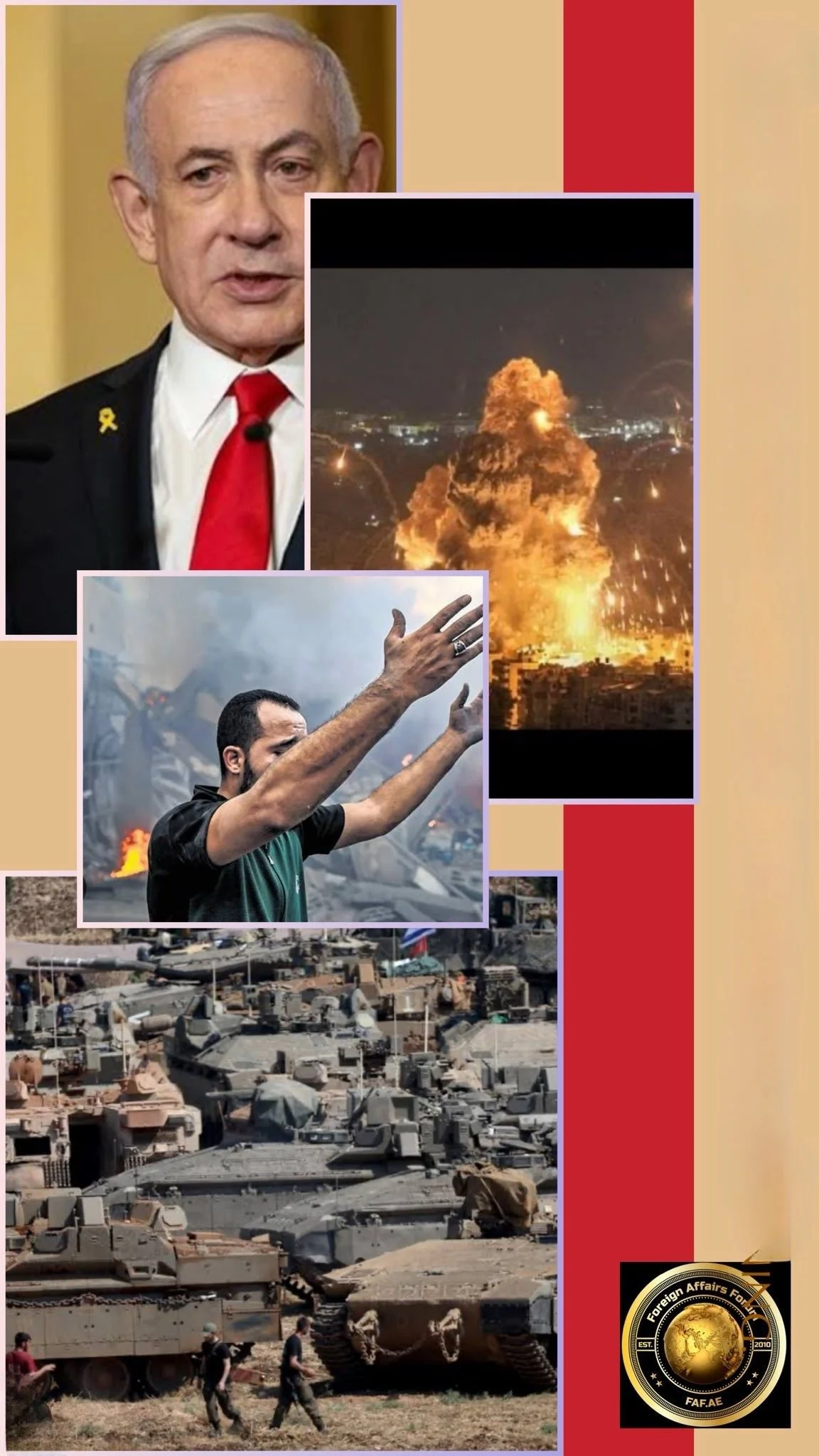
Defense.Forum- Israel’s Multi-Front Crisis: Strategic Options and Nuclear Risks
Current Situation: Israel Under Pressure
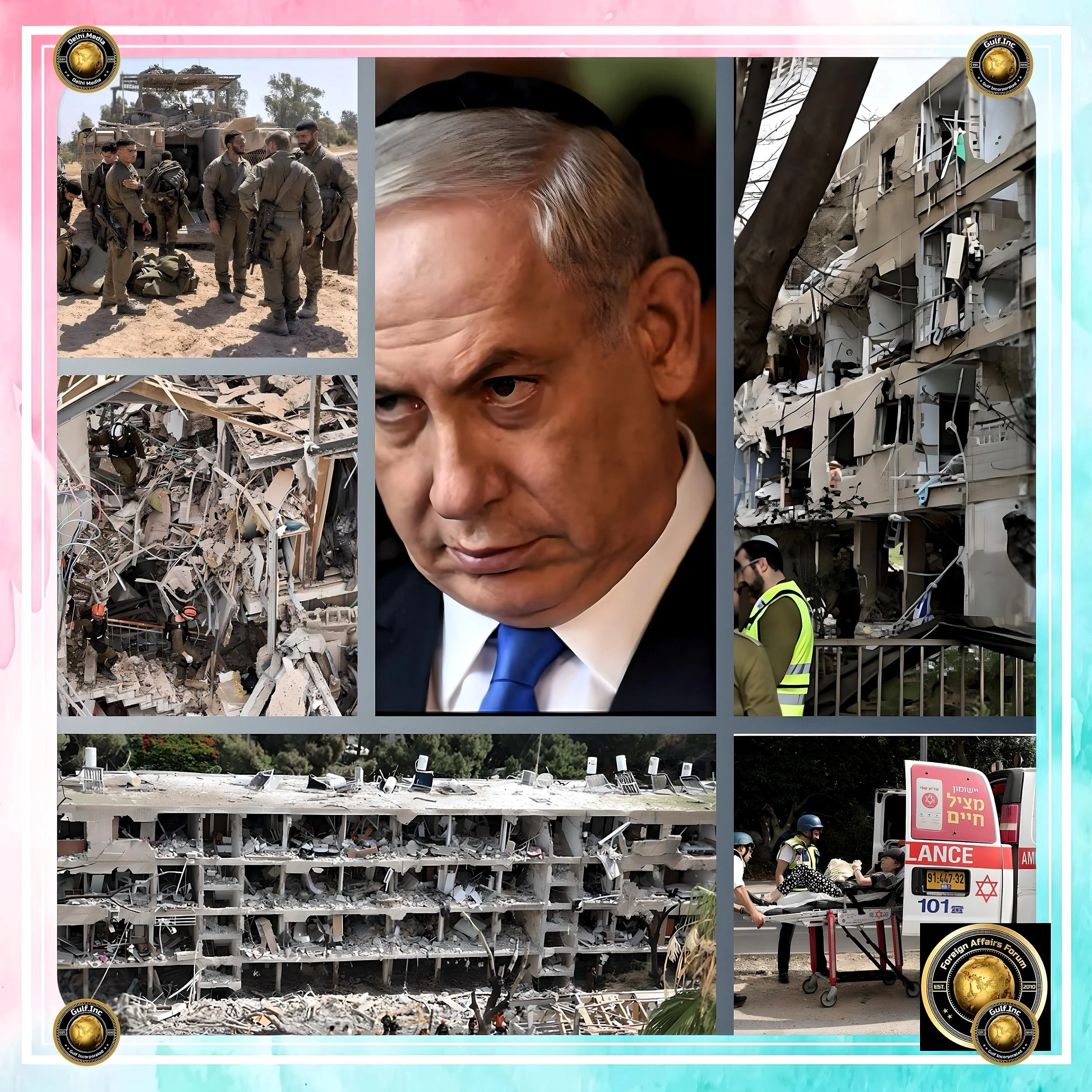
Israel finds itself in an unprecedented military predicament as it wages war simultaneously on multiple fronts.
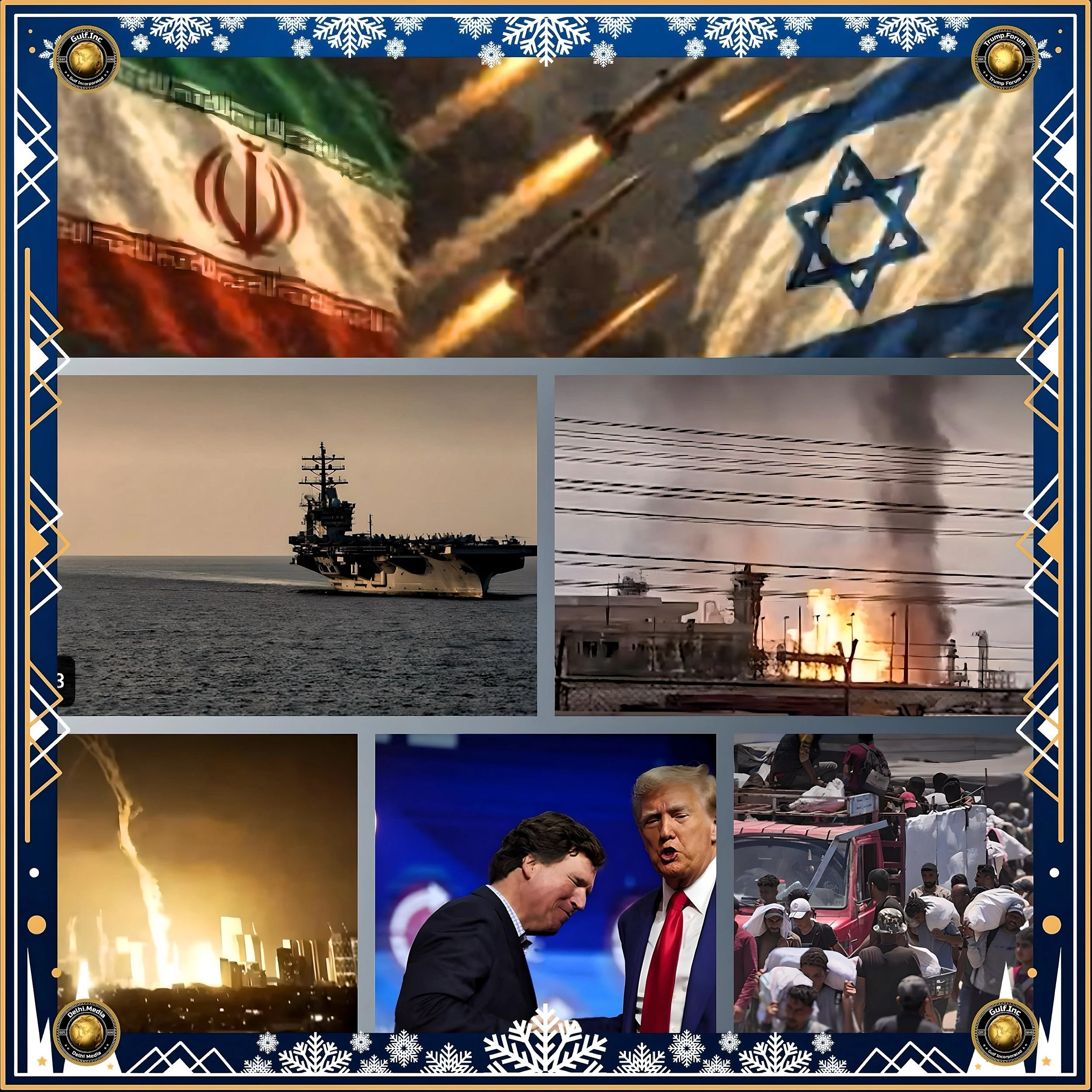
The conflict with Iran, which began on June 13, 2025, when Israel launched strikes against Iranian nuclear and military installations, has now entered its second week with no diplomatic breakthrough in sight.
This confrontation with Iran comes while Israel continues military operations in Gaza, where fighting resumed in March 2025 after a brief ceasefire, and maintains involvement in Syria, where it has conducted numerous strikes against alleged threats.
Despite its technological superiority and qualitative edge, the Israeli military is showing signs of being stretched thin across these multiple theaters.
With approximately 170,000 active personnel and 460,000 reservists, Israel’s forces are deployed across Gaza, the northern border with Lebanon, and the West Bank, and are now engaged in direct conflict with Iran.
This multi-front engagement has placed significant strain on Israel’s military capabilities and resources.
The Iran Conflict
Escalation and Nuclear Risks
The current Israel-Iran war has seen both sides exchange significant strikes.
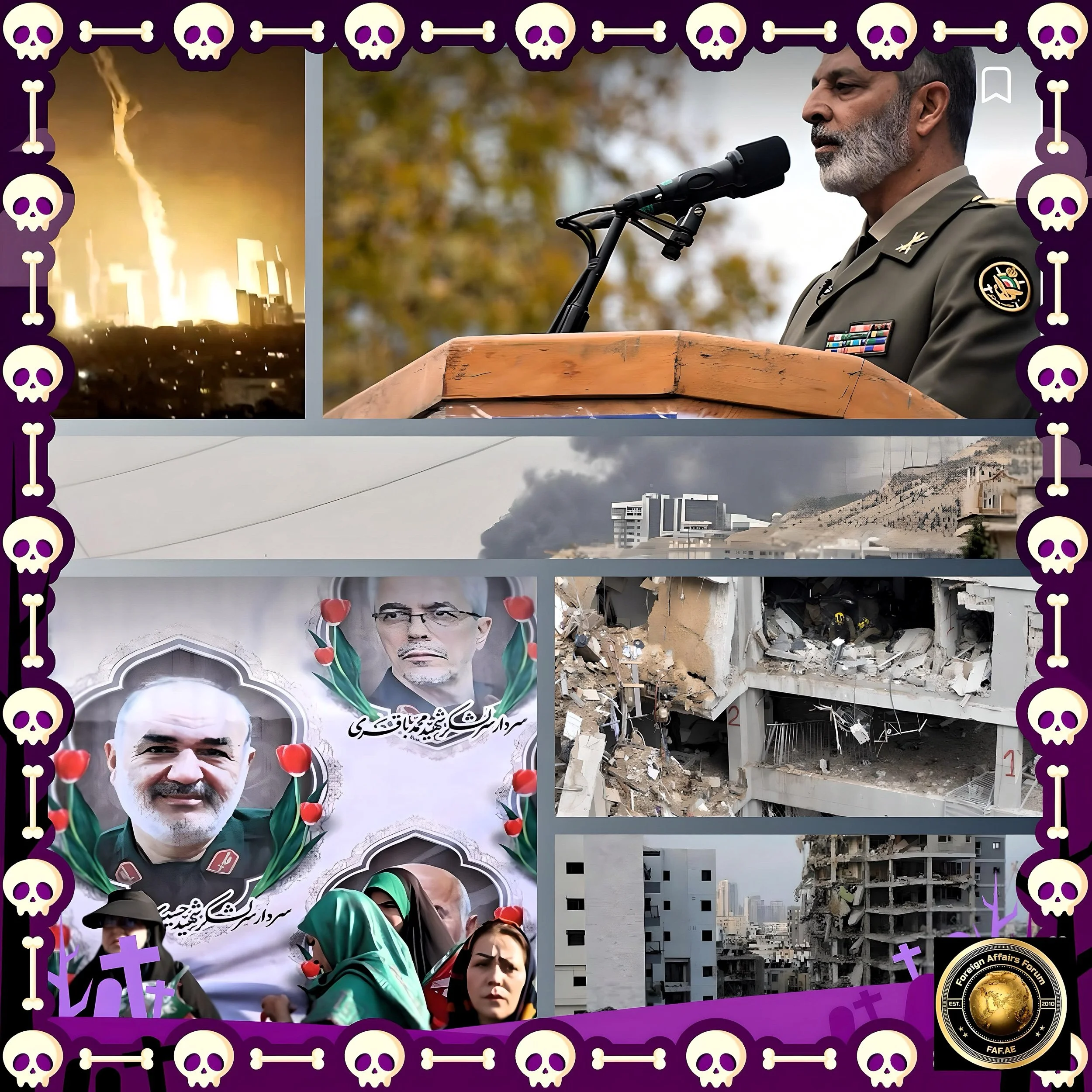
Israel has targeted Iranian nuclear facilities, military installations, and killed senior commanders, while Iran has launched approximately 450 missiles and 1,000 drones toward Israel.
The death toll has been substantial, with over 400 people killed in Iran (including 54 women and children) and at least 24 in Israel.
A particularly concerning aspect of this conflict is Israel’s targeting of Iranian nuclear facilities, which raises the specter of nuclear contamination.
The International Atomic Energy Agency (IAEA) Director General, Rafael Grossi, has warned about the risks associated with attacks on Iran’s nuclear sites.
While strikes on facilities like Natanz have caused “radiological and chemical contamination” within the facility, no external radiological impact has been detected.
However, Grossi has explicitly cautioned that an assault on Iran’s Bushehr nuclear power plant would result in “a significant release of radioactivity into the environment”.
The potential for a Chernobyl-like disaster exists if certain nuclear facilities are targeted. Unlike the situation at Zaporizhzhia in Ukraine, where the reactor design differed significantly from Chernobyl’s, an attack on Iran’s commercial nuclear power plant could have catastrophic regional consequences affecting millions of people.
Netanyahu’s Position and Domestic Criticism
Prime Minister Benjamin Netanyahu faces mounting criticism both internationally and domestically.
His government’s actions in Gaza have led to charges of genocide and war crimes from foreign leaders and former Israeli prime ministers.
Domestically, Netanyahu is accused of prolonging conflicts for political survival, with polls showing a majority of Israelis believe he prioritizes retaining power over returning hostages from Gaza.
Netanyahu has stated that Israel’s military operation in Iran will continue “for as long as it takes” to eliminate what he describes as the existential threat of Iran’s nuclear program and ballistic missiles.
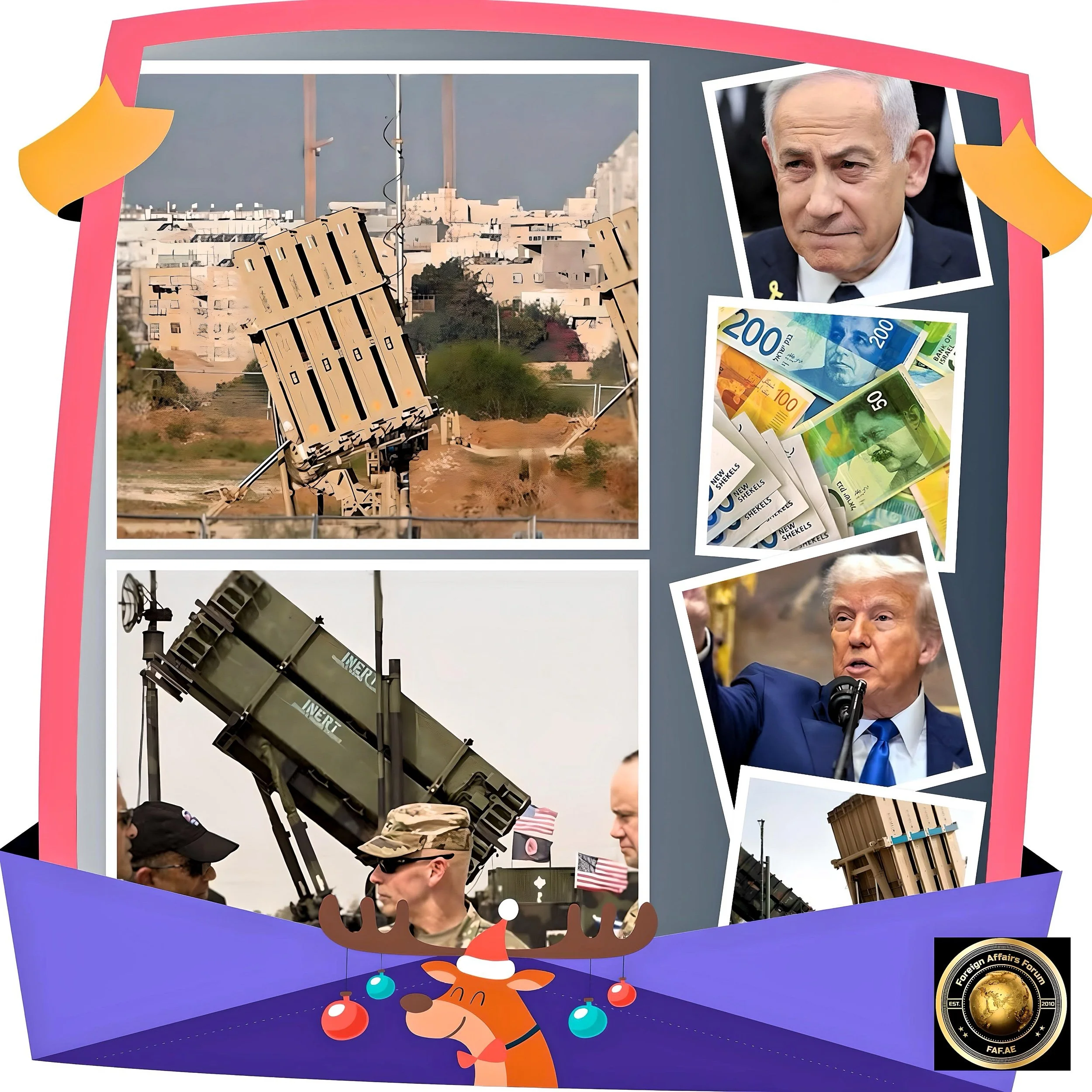
However, his ability to achieve these objectives may be limited without U.S. assistance, particularly regarding Iran’s deeply buried Fordo uranium enrichment facility, which is considered beyond the reach of Israel’s current capabilities.
The prime minister’s policies have also been criticized for putting millions of lives at risk, both in Israel and across the region.
His insistence on implementing what he calls the “revolutionary” Trump plan for Gaza, which involves relocating civilians, has further complicated prospects for peace.
Israel’s Strategic Options
Given these challenges, Israel faces several difficult strategic choices
Continue the Multi-Front Campaign
Israel could maintain its current approach of fighting on multiple fronts simultaneously. The Israeli military has claimed that its campaign in Iran has “already delayed for at least two or three years the possibility for them to have a nuclear bomb”.
However, this option risks further stretching military resources and increasing civilian casualties.
Seek Diplomatic Solutions
European powers have attempted to facilitate negotiations, though with limited success.
Turkish President Erdogan has suggested that resuming Iranian-U.S. talks on Tehran’s nuclear program is the only way to achieve a solution to the conflict. Israel could potentially engage with these diplomatic initiatives, particularly if pressure from the U.S. increases.
Strategic Withdrawal and Prioritization
Israel could strategically withdraw from certain fronts to consolidate its forces.
There are already signs of this approach, with the Israeli army withdrawing its paratrooper brigade from Syria to redeploy in Gaza.
This option would require difficult decisions about which fronts to prioritize.
Await U.S. Decision
President Trump has indicated he will take up to two weeks to determine whether the United States should intervene on Israel’s behalf.
This creates a window during which Israel might intensify its strikes on Iran while awaiting potential U.S. support, particularly for targeting the Fordo facility.
Regional and International Implications
The conflict has significant regional implications. Iran’s “axis of resistance” – its network of proxies including Hezbollah, Hamas, and Iraqi militias – has been weakened by recent Israeli actions.
However, the Houthi rebels in Yemen have threatened to resume attacks on U.S. vessels in the Red Sea if the Trump administration joins Israel’s campaign against Iran.
Internationally, Israel faces increasing isolation.
The Arab League Council has denounced Israel’s actions against Iran as “a clear breach of international law and a threat to regional security”.
European nations are divided in their approach to the conflict, with some supporting Israel while others call for restraint.
The Nuclear Dimension
The nuclear dimension of this conflict cannot be overstated. Israel’s strikes on Iran’s atomic facilities aim to prevent Iran from developing nuclear weapons.
However, these actions may paradoxically accelerate Iran’s nuclear ambitions, creating what strategists term a “commitment trap” where both sides endure escalating costs but cannot retreat.
Israel is widely believed to possess 80-200 nuclear warheads, while Iran, according to a May 2025 IAEA report, possesses approximately 408.6 kg of uranium enriched up to 60 percent—enough for 9-10 warheads if enriched to weapons-grade.
This nuclear dimension adds a layer of complexity and danger to the conflict.
Conclusion
Strategic Challenges in a Multi-Front Conflict
Israel is at a pivotal moment, facing a plethora of strategic challenges and inherent risks.
The ongoing multi-front military engagement is not only straining resources but also raising concerns about a potential catastrophic escalation, particularly involving nuclear facilities.
Prime Minister Netanyahu’s articulated objectives, coupled with the prevailing international landscape, suggest that diplomatic avenues are increasingly tenuous.
The most plausible course of action may require a calculated approach that combines tactical withdrawals from certain theaters of combat, ongoing targeted operations against Iranian assets with the expectation of U.S. intervention, and a later push for diplomatic engagement once military objectives are perceived to be sufficiently accomplished.
Significantly, if former President Trump fails to secure congressional approval—particularly given that this is predominantly perceived as an Israeli conflict—the complexities surrounding American involvement may escalate.
There are emerging indications of an imminent ceasefire, which could provide an opportunity to recalibrate regional dynamics, ideally steering towards enhanced stability and peace.
Nonetheless, the potential for miscalculation remains alarmingly high, especially concerning strikes on nuclear infrastructures that could precipitate widespread environmental contamination, adversely affecting millions.
Netanyahu's current policies have undeniably put countless lives at risk—both for Israelis vulnerable to Iranian missile strikes and for regional populations that could suffer from nuclear fallout.
Absent a substantial shift in strategic approach or an external mediating force, the situation is poised for further deterioration, threatening unprecedented instability and dire humanitarian repercussions.