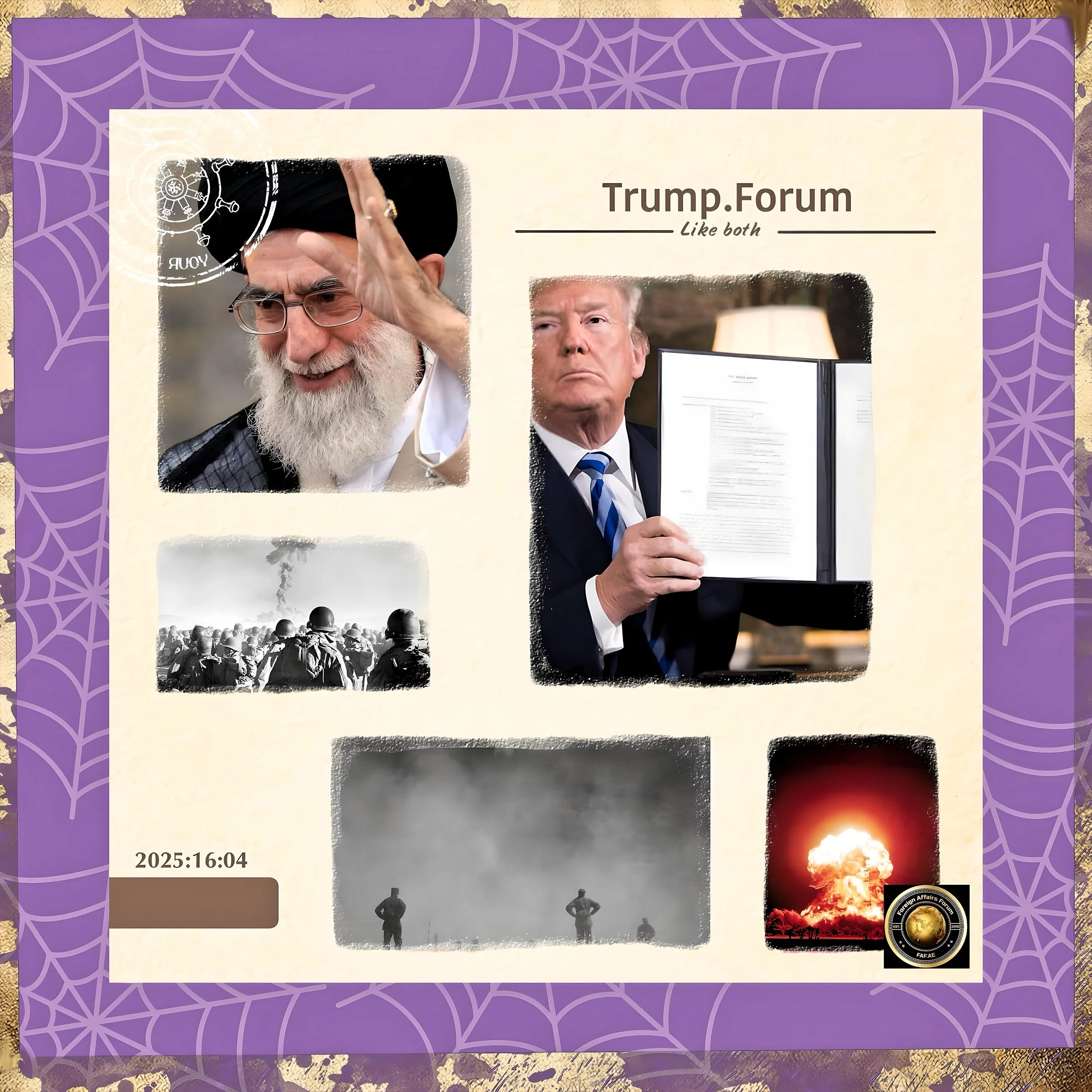
The “Trump to Tehran” Strategy: Synthesizing Maximum Pressure with Personal Diplomacy in Nuclear Negotiations
Introduction
The impending U.S.-Iran talks on April 12, 2025, mark a critical juncture in the decades-long nuclear standoff.
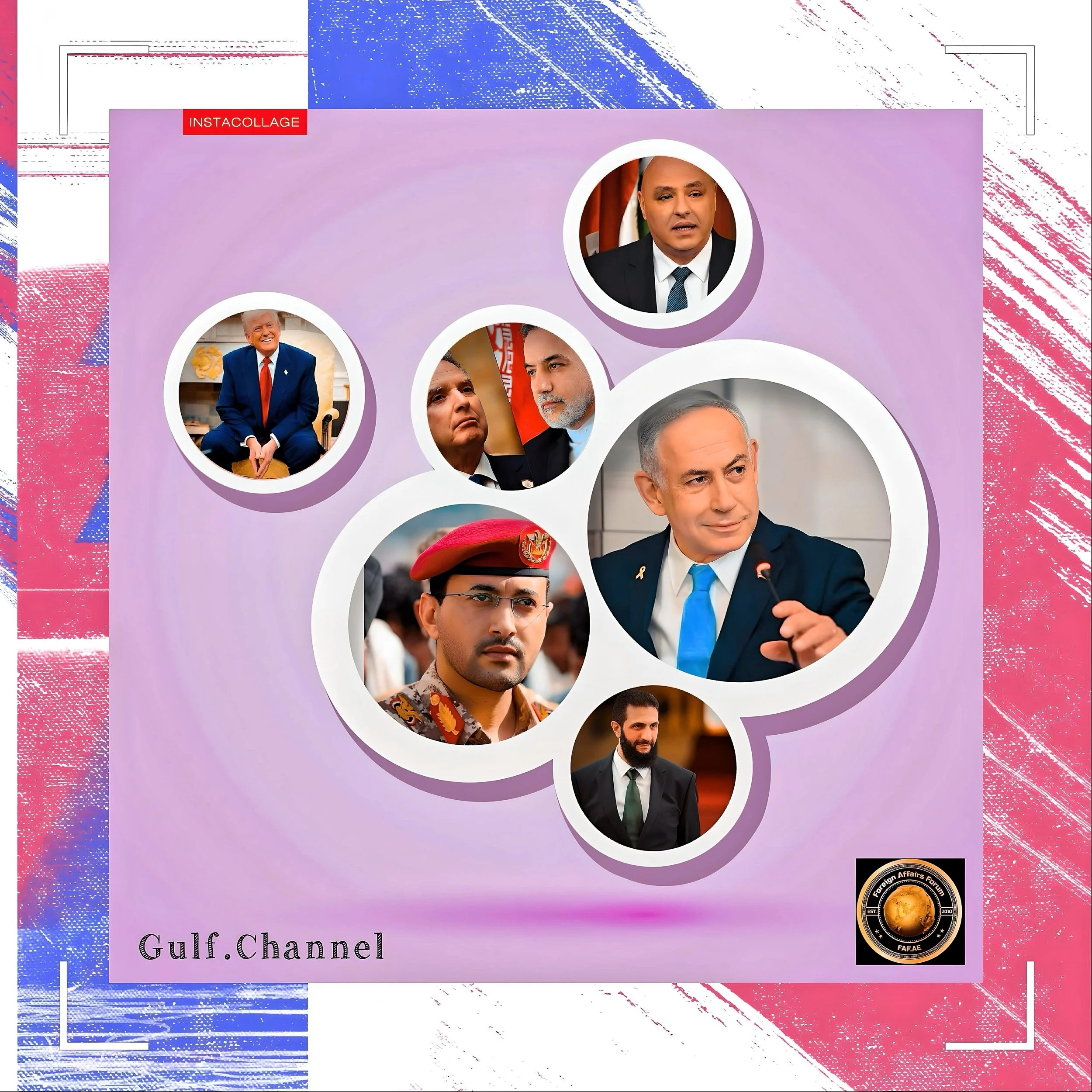
President Donald Trump’s dual strategy of “maximum pressure” and personal diplomacy—epitomized by his March 2025 letter to Supreme Leader Ali Khamenei—represents an unorthodox attempt to force Tehran into concessions while leaving room for a face-saving agreement.
FAF analyzes the viability of this approach, its geopolitical risks, and the structural challenges inherent in reconciling coercive tactics with high-stakes diplomacy.
Historical Context: From JCPOA Collapse to Maximum Pressure 2.0
The Legacy of the 2015 Nuclear Deal
The Joint Comprehensive Plan of Action (JCPOA) temporarily curtailed Iran’s nuclear program but collapsed after Trump’s 2018 withdrawal and reimposition of sanctions.
By 2025, Iran had amassed 60% enriched uranium—enough for six bombs if further processed—while expanding its ballistic missile arsenal and regional proxy networks.
Trump’s renewed “maximum pressure” campaign, launched in February 2025, aimed to weaken Iran’s economy by targeting oil exports and sanctioning Chinese refiners purchasing Iranian crude.
The Failure of Unilateral Coercion
Despite Trump’s claims that sanctions would force capitulation, Iran adapted through regional diplomacy (e.g., reconciling with Saudi Arabia) and deepening ties with Russia and China.
By 2024, Iran’s “Neighbors First Policy” had neutralized U.S. efforts to isolate Tehran, with joint military drills between Iran and Saudi Arabia undermining Washington’s Gulf alliances.
Meanwhile, Congressional bills like the Maximum Pressure Act (March 2025) expanded sanctions but failed to curb uranium enrichment.
The Trump-Khamenei Letters: Personal Diplomacy Amid Escalation
The Ultimatum Letter (March 2025)
Trump’s letter to Khamenei, delivered via Emirati intermediaries, demanded Iran dismantle its nuclear program, cease support for proxies like the Houthis, and disband Iraqi militias within two months.
It threatened “bombing like never seen before” if Tehran refused while offering sanctions relief and normalized relations in exchange for compliance.
Iran’s Strategic Ambiguity
Khamenei publicly dismissed direct talks as “neither wise nor honorable,” but Iran’s counteroffer of indirect negotiations through Oman revealed a calculated openness.
This duality reflects Tehran’s attempt to avoid appearing weak domestically while preserving diplomatic channels.
Foreign Minister Abbas Araghchi’s statement that “the ball is in America’s court” underscores Iran’s demand for unilateral U.S. concessions as a precondition.
The Mechanics of “Maximum Pressure as Diplomacy”
Coercive Leverage: Sanctions and Military Posturing
Oil Exports
The Treasury Department’s campaign to reduce Iranian oil exports to zero has been partially effective. China’s imports dropped 40% after sanctions on Shandong refineries.
Military Threats
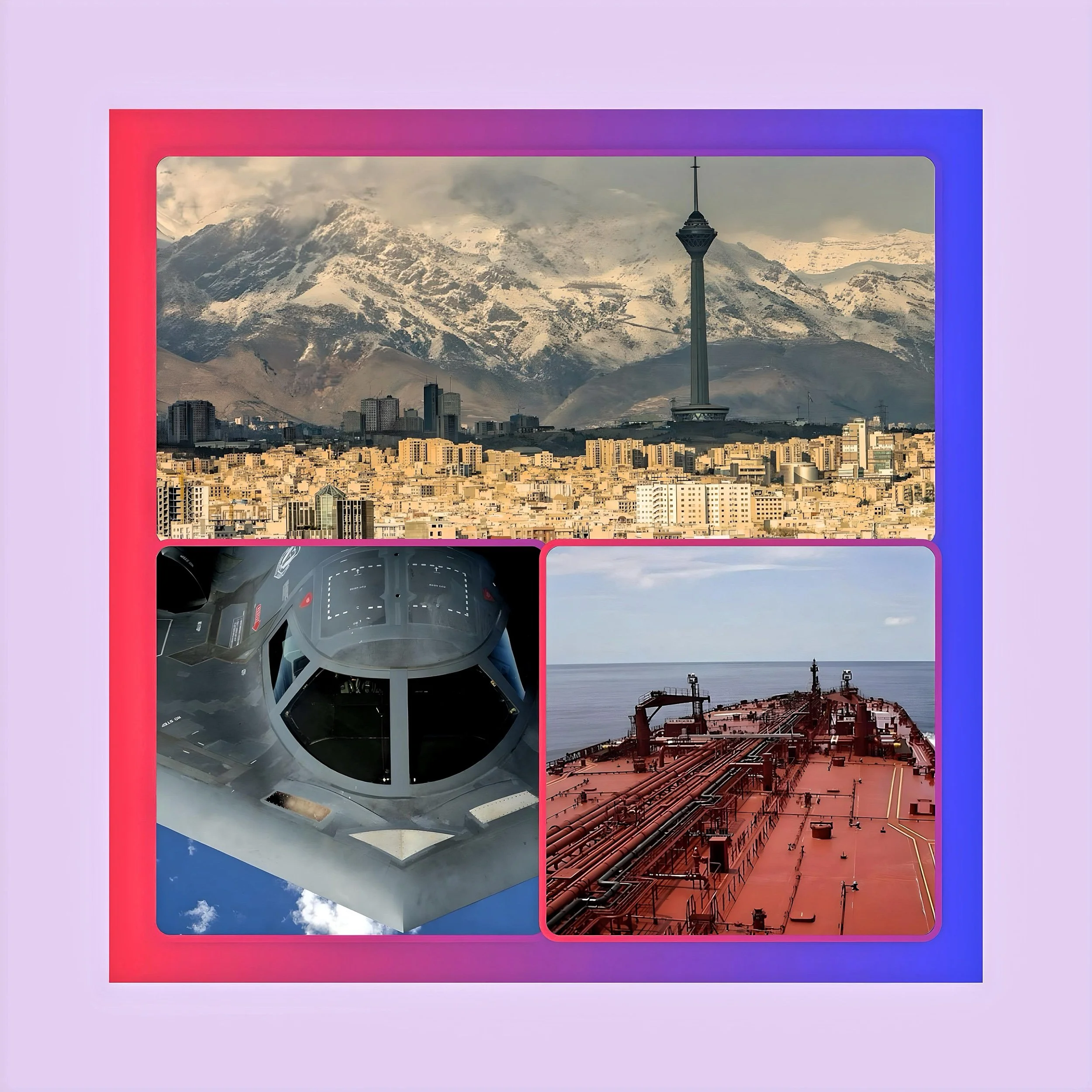
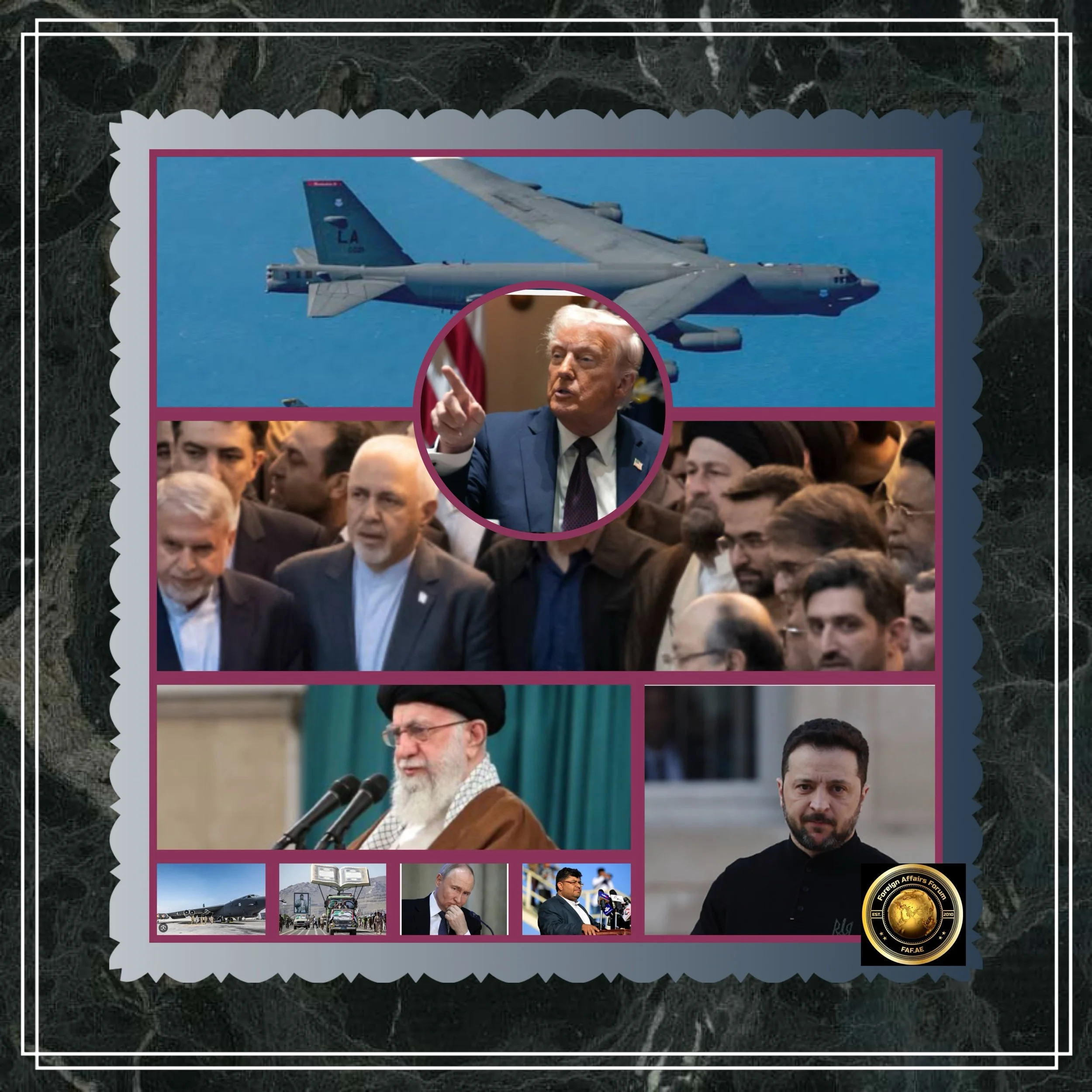
The deployment of B-2 stealth bombers to Diego Garcia and strikes on Houthi targets in Yemen signal readiness for escalation.
Trump’s explicit linkage of Houthi actions to Iranian command erodes Tehran’s plausible deniability, forcing it to choose between proxy abandonment or direct conflict.
Diplomatic Channels
Third-Party Mediation
Oman’s role as a mediator—a trusted intermediary since the 2013 JCPOA talks—provides protection for both sides.
Muscat’s neutrality allows Trump to claim direct engagement while allowing Iran to frame discussions as multilateral.
However, Russia’s parallel efforts to facilitate talks introduce competing agendas, with Moscow seeking to dilute U.S. influence.
Case Study
The Houthi Conflict as a Microcosm
Proxy Warfare and Escalation Risks
Trump’s March 2025 airstrikes against Houthi positions in Yemen—framed as retaliation for Iranian-backed attacks—highlight the tightrope between coercion and diplomacy.
By designating the Houthis as a Foreign Terrorist Organization (FTO), Trump forced Tehran into a bind: rein in its proxies or face direct retaliation.
Iran’s muted response, including quiet pressure on the Houthis to reduce Red Sea attacks, suggests a willingness to de-escalate temporarily.
Lessons for Nuclear Negotiations
The Houthi case demonstrates that targeted military action can extract limited concessions but risks entrenching Iranian defiance. For the nuclear talks, this implies that measured strikes on enrichment facilities could be leveraged to push Tehran toward compromise—a tactic advocated by Senators like Lindsey Graham.
Structural Challenges to the “Trump to Tehran” Strategy
Domestic Constraints
U.S. Politics
Bipartisan skepticism in Congress, exemplified by Rep. August Pfluger’s (R-TX) demand for “comprehensive dismantling” of Iran’s nuclear infrastructure, limits Trump’s flexibility.
The Maximum Pressure Act passed in April 2025, codifies hardline demands, making phased concessions politically untenable.
Iranian Politics
President Masoud Pezeshkian’s reformist leanings clash with Khamenei’s revolutionary guard, creating internal discord. Any perceived capitulation to U.S. demands risks provoking hardliner backlash.
Geopolitical Complications
China-Russia Counterpressure: Beijing’s continued oil purchases and Moscow’s diplomatic shielding at the UN Security Council undermine sanctions.
Israeli Opposition
Netanyahu’s insistence on “Libya-style disarmament” and threats of unilateral strikes complicate U.S. diplomacy.
Pathways to a Negotiated Settlement
Confidence-Building Measures (CBMs)
Sanctions Relief for Enrichment Freeze
Offer limited oil export waivers for capping enrichment at 5%—a step short of JCPOA levels but verifiable via IAEA monitors.
Houthi Ceasefire
Link sanctions waivers to Iran’s public commitment to halt arms shipments to Yemen.
Diplomatic Liaison Offices
Establish reciprocal interest sections in Oman to facilitate communication without formal recognition.
Grand Bargain Elements
Nuclear
Iran dismantles advanced centrifuges; U.S. lifts nuclear-related sanctions.
Regional
Iran withdraws Quds Forces from Syria, and the U.S. recognizes Tehran’s role in Gulf security dialogues.
Economic
Unfreeze $7 billion in Iranian assets for humanitarian trade; allow limited Chinese investment in energy projects.
Conclusion: The Perils and Promise of High-Wire Diplomacy
Trump’s fusion of maximum pressure and personal outreach represents a high-risk, high-reward strategy.
While the April 12 talks offer a narrow window for a breakthrough, success hinges on three factors:
Timeline Realism
The two-month deadline is likely insufficient for comprehensive deals but could yield interim agreements.
Third-Party Guarantees
Oman and Russia must broker compromises that let both sides claim victory, such as framing sanctions relief as “multilateral adjustments” rather than U.S. concessions.
Controlled Escalation
Limited military strikes on nuclear infrastructure, if paired with off-ramps, could pressure Tehran without triggering full-scale war.
Ultimately, the viability of the “Trump to Tehran” strategy rests on substituting the JCPOA’s multilateral framework with bilateral coercion. This gamble may temporarily freeze Iran’s program but risks inflaming regional tensions.
As Khamenei warned, the alternative to diplomacy is “reciprocal blows” neither side can afford.