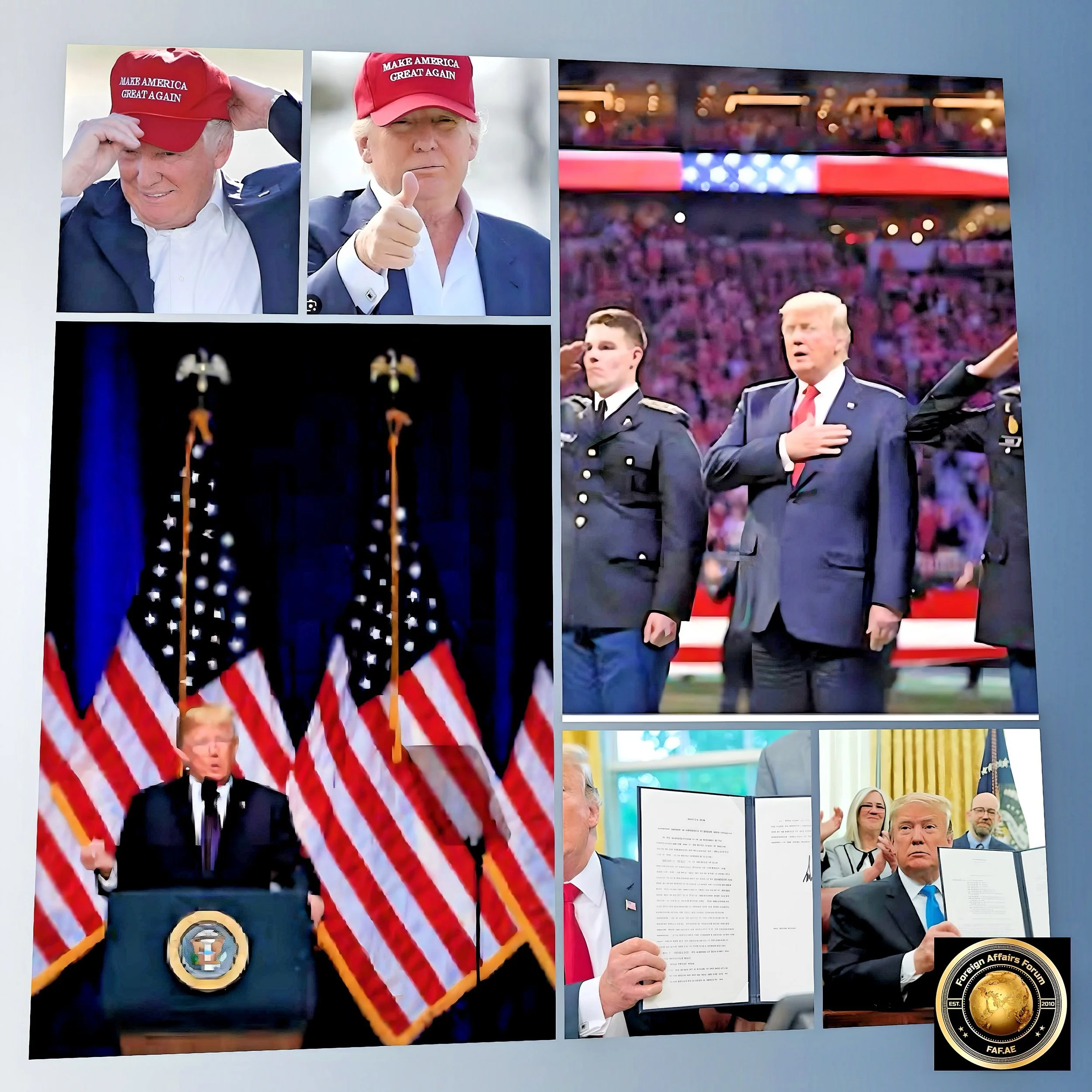
Preserve the “America First” doctrine: Trump to provide support to Israel in its initiatives, but not to engage military
Introduction
The ongoing Israel-Iran conflict has placed President Donald Trump at a critical crossroads that threatens to challenge his “America First” foreign policy doctrine fundamentally.
As Trump weighs whether to authorize U.S. military strikes against Iranian nuclear facilities, particularly the heavily fortified Fordow enrichment site, he faces mounting pressure from hawkish Republicans while confronting fierce opposition from the isolationist wing that helped propel him to power.
The Current Crisis and Trump’s Dilemma
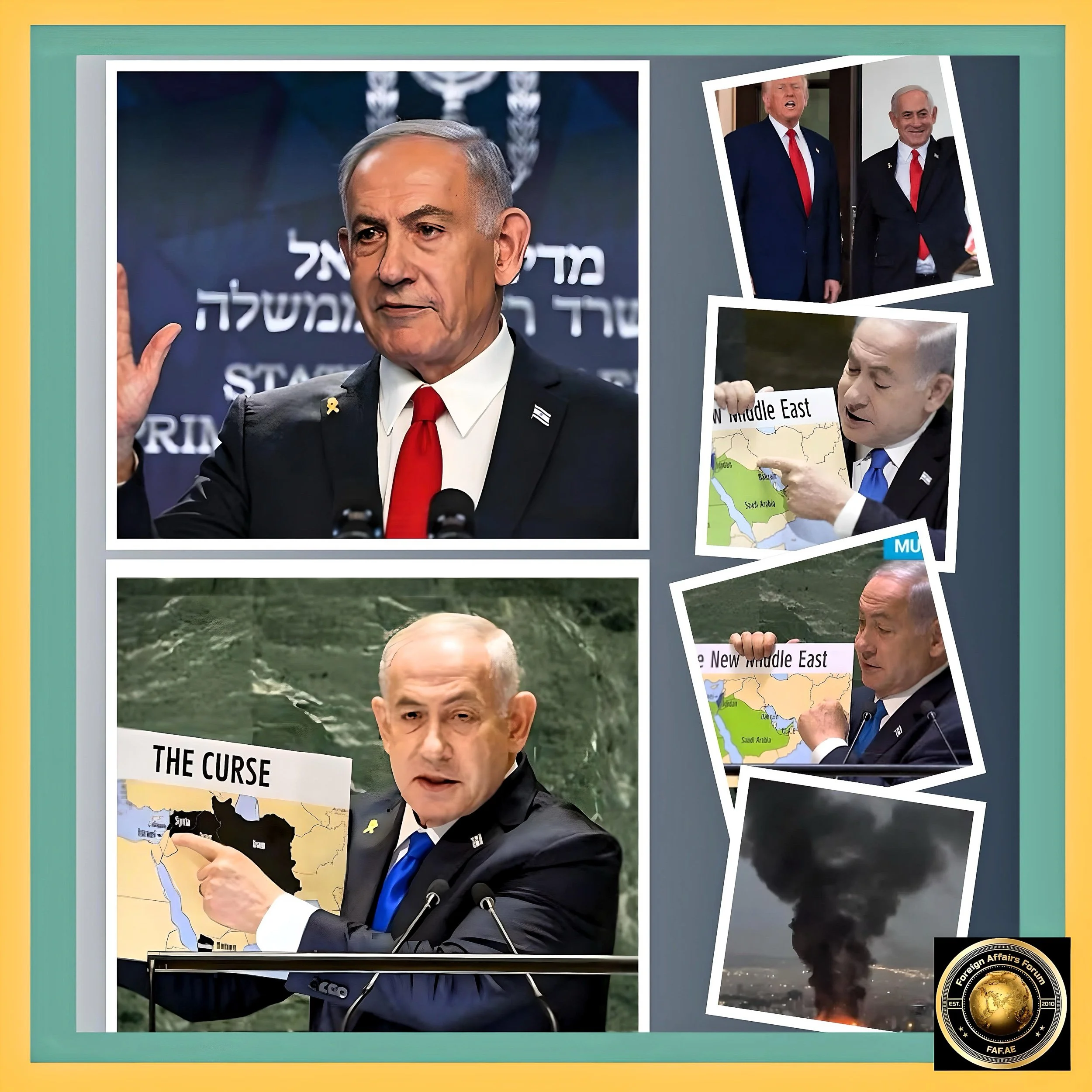
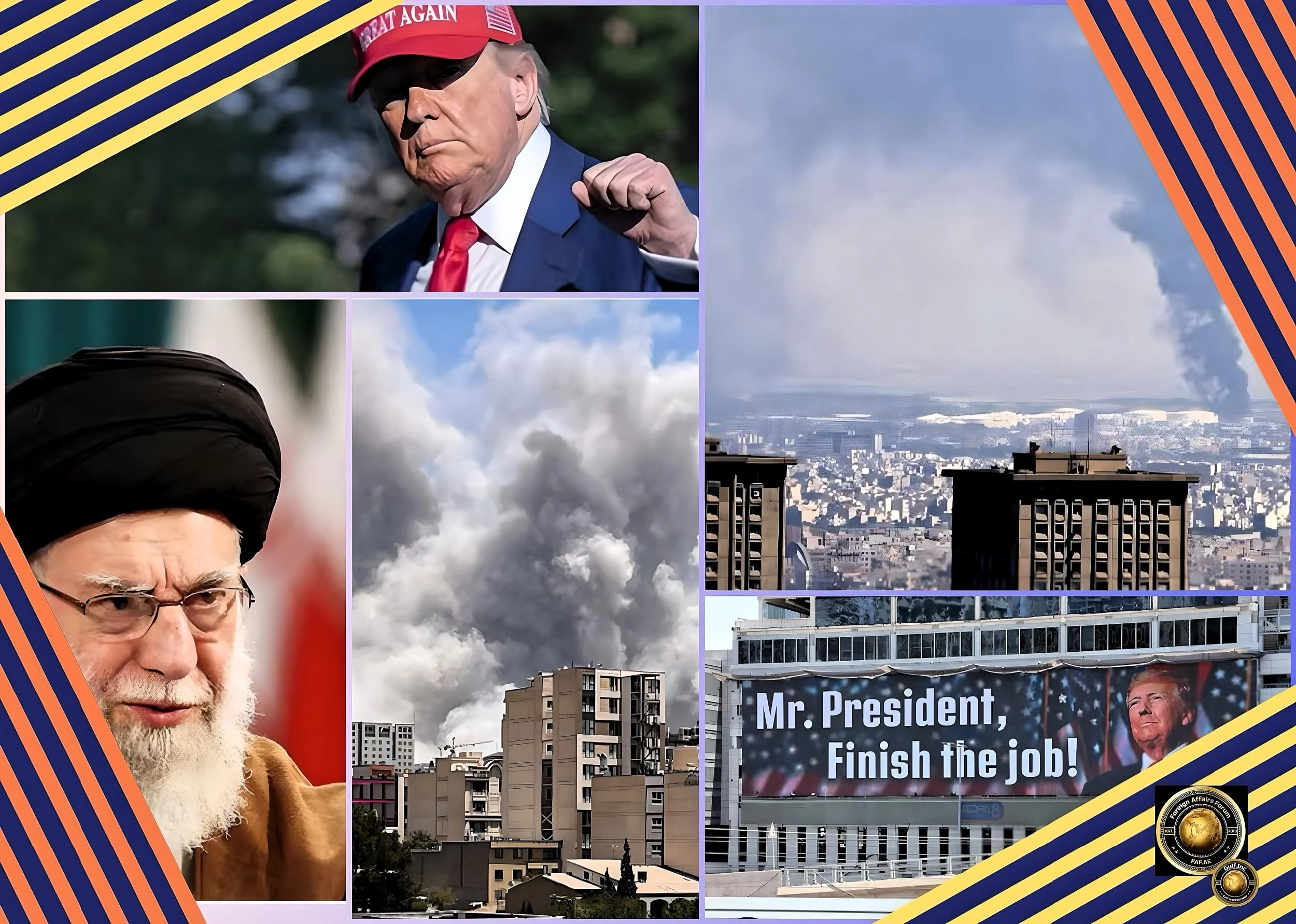
The conflict escalated dramatically on June 13, 2025, when Israel launched surprise attacks on dozens of locations across Iran with the stated aim of destroying Iran’s nuclear program.
The strikes have resulted in significant casualties, with Iranian health authorities reporting 224 killed and Israeli sources confirming 24 fatalities and 592 wounded.
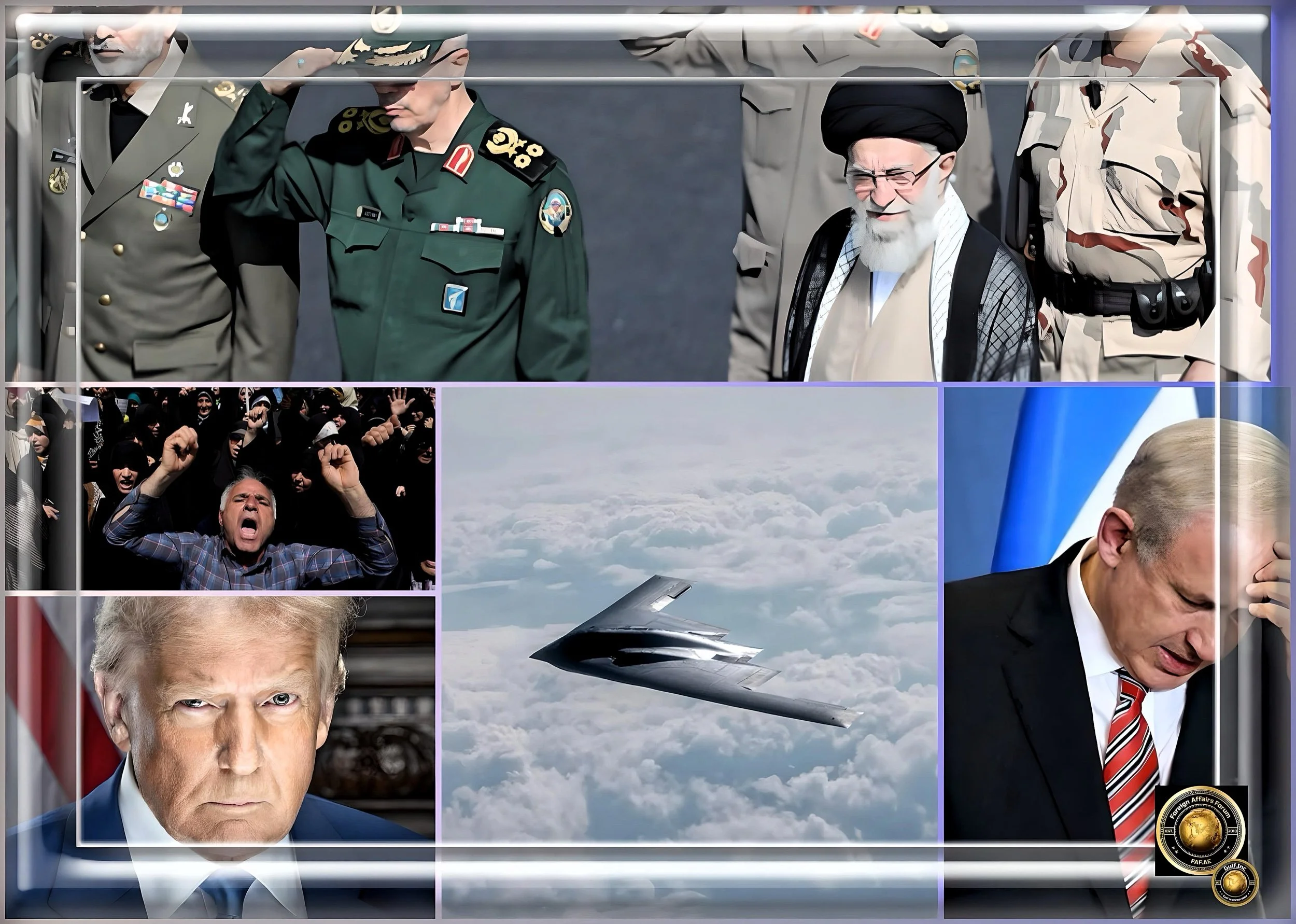
Trump has privately approved military attack plans against Iran but has withheld issuing a final order, pending Tehran’s response regarding its nuclear program.
Trump’s public statements reflect his internal struggle. “I may do it. I may not,” he told reporters, emphasizing that “nobody truly knows my plans”.
He has demanded Iran’s “unconditional surrender” and “total and complete victory,” while simultaneously noting signs that Iran might be interested in dialogue.
The Fundamental Tension: America First vs. Military Intervention
Defining America First
The “America First” doctrine, as articulated by Trump’s administration, emphasizes putting American interests, security, and prosperity above international commitments and foreign entanglements.
This approach “acknowledges the world's reality for what it is and other nations for what they are, rather than how the foreign policy establishment would like them to be”.
Crucially, America First “does not mean America alone, nor does it mean a return to isolationism,” but instead advocates for “focused and judicious use of military power” to avoid “prolonged efforts such as nation-building exercises abroad”.
The doctrine explicitly rejects the Washington establishment’s tendency to prioritize “multinational processes over the protection of American interests” and emphasizes avoiding “economic overreach and unnecessary military conflicts”.
This principle directly conflicts with potential U.S. military involvement in the Israel-Iran conflict.
The Historical Context
Trump’s first presidency demonstrated his commitment to avoiding “forever wars” in the Middle East while simultaneously maintaining that Iran “must not possess a nuclear weapon”.
His administration pursued a “maximum pressure” campaign against Iran through sanctions rather than military action, and he withdrew U.S. troops from Syria, Iraq, Somalia, and Afghanistan.
This track record established Trump’s credentials as a leader who prioritized diplomatic and economic pressure over military intervention.
The Split Within Trump’s Coalition
The Isolationist Opposition
Prominent Trump allies, including Tucker Carlson, Steve Bannon, and Congresswoman Marjorie Taylor Greene, have emerged as vocal opponents of U.S. military involvement in the Iran conflict.
Bannon warned that allowing the “deep state” to lead the U.S. into war with Iran would “disrupt” the Trump coalition, arguing that “if we are dragged into this conflict, which seems increasingly likely, it will not only fracture the coalition but also hinder the critical goal of deporting illegal immigrants from our country”.
Carlson has criticized Republican “warmongers” and emphasized domestic priorities, stating: “All of that is now overlooked because a leader from a country lacking majority support wants the U.S. to partake in a specific course of action, and I simply disagree”. Greene defended this position as truly “America First,” asserting that “if we intervene in this war, we will witness terror attacks right here on our soil”.
Conservative Congressman Thomas Massie aligned with Democrats to propose legislation preventing Trump from deploying U.S. forces against Iran without congressional consent, emphasizing that “Congress must determine such issues according to our Constitution”.
The Hawkish Push
Conversely, establishment Republicans like Senator Lindsey Graham are urging aggressive action against Iran.
Graham argued there’s “a one in trillion chance you’ll degrade the Iranian nuclear program through diplomacy” compared to “a 90% chance you’ll degrade it through military action by Israel, supported by the United States”.
He has characterized Iran as a “religious Nazi regime” and pushed for U.S. support of Israeli operations to “decimate the Iran nuclear program”.
This hawkish faction argues that Iran poses an existential threat that justifies military intervention, despite the potential contradiction with America First principles.
The Nuclear Threat Assessment
Iran’s Nuclear Capabilities
Iran has accumulated approximately 400 kilograms of uranium enriched to 60 percent purity, positioning it as a “nuclear threshold state”.
The International Atomic Energy Agency has expressed grave concern about Iran’s stockpiling of highly enriched uranium, noting that no other non-nuclear-weapon state possesses such quantities.
Enriching uranium to 60 percent significantly reduces the time needed to reach weapons-grade levels of 90 percent.
The Fordow facility, built deep underground and designed to withstand conventional attacks, represents the most critical target in Iran’s nuclear infrastructure.
Located near Qom and buried roughly 80 meters underground, the facility would require the most powerful U.S. bunker-buster bombs to destroy, with experts noting there is “no certainty” that even these weapons would fully succeed.
Strategic Implications
Former CIA station chief Dan Hoffman characterized Trump’s potential decision as “one of the most consequential of his time as president,” warning that “the day after” considerations are critical.
The risk includes Iran potentially doubling down on relationships with China, North Korea, and Russia to rebuild its nuclear program.
The Case for Supporting—Not Joining—Israel’s Fight
Maintaining America First Principles
Trump can maintain his America First credentials by providing Israel with intelligence, defensive systems, and diplomatic support without committing U.S. military forces to offensive operations.
This approach would honor his campaign promises to avoid foreign entanglements while still addressing the Iranian nuclear threat through an ally’s capabilities.
The United States has already demonstrated this balanced approach by helping Israel intercept retaliatory missile strikes from Iran while publicly maintaining it is “not participating directly in Israel’s offensive”.
This model allows Trump to support Israeli objectives without violating core America First principles.
Avoiding the Pitfalls of Previous Interventions
America’s direct wars of this century in Afghanistan, Iraq, and Libya “have done more harm than good, consuming vast quantities of blood and treasure”—an estimated $8 trillion and hundreds of thousands of lives.
Trump’s supporters elected him precisely to avoid such costly interventions, and direct involvement in an Iran war would represent a fundamental betrayal of that mandate.
Managing Domestic Political Consequences
Polling data reveals the political risks of military involvement. While 48 percent of Trump voters support continuing the conflict, 40 percent favor halting military action for talks.
More significantly, surveys suggest that 90 percent of MAGA supporters oppose aiding Israel in offensive operations, highlighting the potential for significant political backlash within Trump’s base.
Practical Military Considerations
Over 40,000 American military personnel are currently deployed in the Middle East, making them vulnerable to Iranian retaliation if the U.S. joins offensive operations.
Iran’s Supreme Leader has warned that “any U.S. intervention will be accompanied by irreparable damage,” and Tehran possesses numerous proxy groups capable of launching attacks against American bases.
Recommended Strategy: Calibrated Support
Trump should pursue a strategy that provides robust support to Israel while maintaining America First principles:
Intelligence and Defensive Support
Continue providing Israel with intelligence, defensive systems, and logistical support without committing U.S. forces to offensive operations.
Diplomatic Pressure
Maintain maximum pressure sanctions and diplomatic isolation of Iran while leaving military action to Israel.
Regional Deterrence
Use U.S. military presence defensively to deter Iranian retaliation against American interests while avoiding offensive participation.
Congressional Engagement
Work with Congress to ensure any military action has proper authorization, respecting constitutional limits on presidential war powers.
Conclusion
President Trump faces a defining moment in determining whether his second term adheres to the America First principles that defined his political movement.
While the Iranian nuclear threat is real and concerning, direct U.S. military involvement would represent a fundamental departure from his campaign promises and risk fracturing his political coalition.
By providing robust support to Israel without joining offensive operations, Trump can address the nuclear threat while maintaining his commitment to avoiding foreign entanglements.
This approach honors both America’s alliance with Israel and the mandate from voters who elected him to prioritize American interests over international conflicts.
The alternative—betraying America First for another Middle Eastern war—would undermine the very principles that brought Trump to power and risk the domestic agenda his supporters expect him to pursue.