Middle-East new War lord - Israel’s Regional Military Operations and the “Greater Israel” Concept
Introduction
FAF, Gulf.Inc Analysis of Current Geopolitical Dynamics in the Israel-Iran Conflict
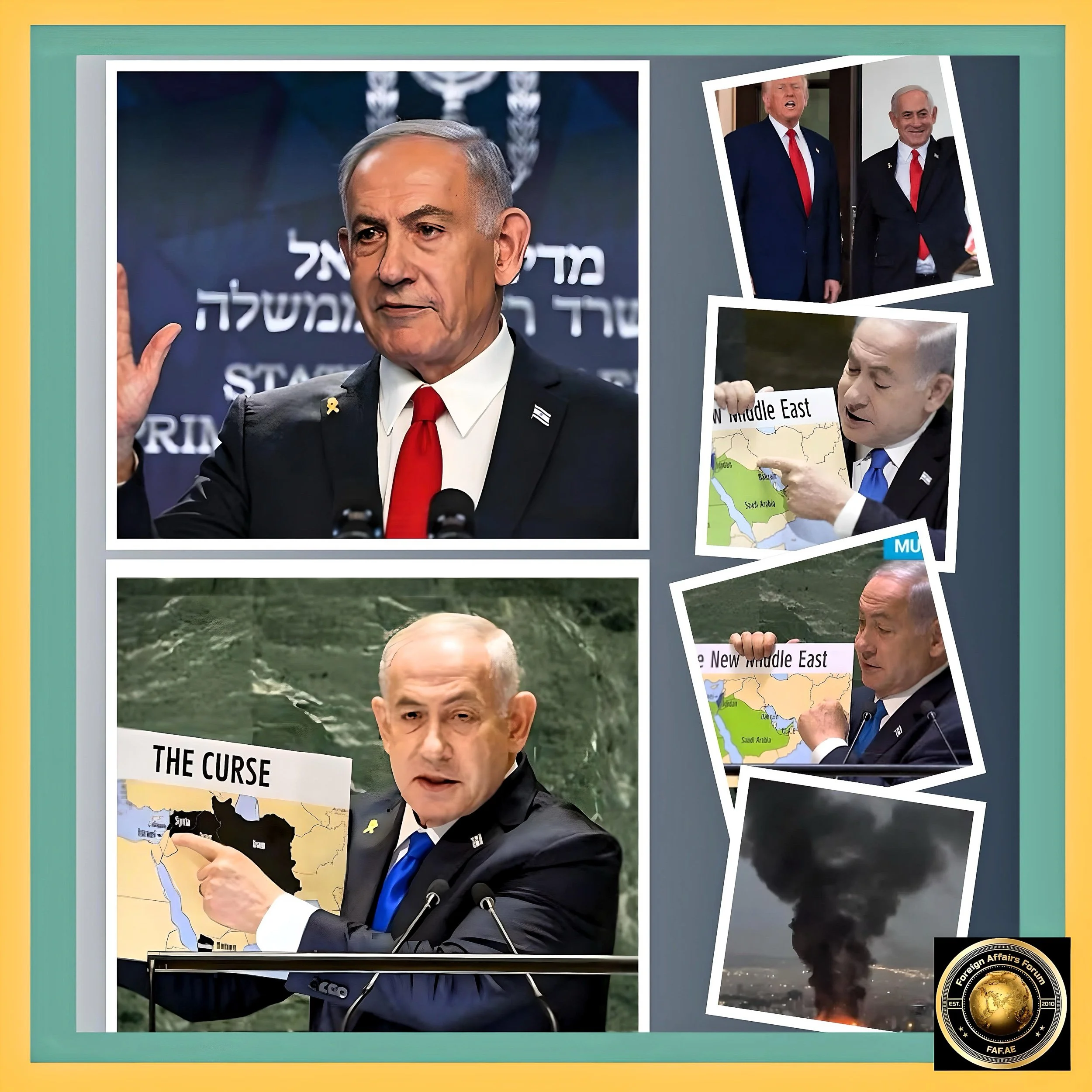
As tensions escalate between Iran and Israel, Prime Minister Benjamin Netanyahu has highlighted the personal sacrifices endured by his family due to the ongoing hostilities.
In a recent press conference, set against the backdrop of a missile-damaged hospital in Beersheba, Netanyahu articulated the profound emotional toll the conflict imposes on his personal life, particularly referencing the rescheduling of his son Avner's wedding on multiple occasions, which has also disappointed his son’s fiancée.
He further mentioned the strain on his wife, Sara.
However, Netanyahu's decision to reveal these personal struggles has drawn significant criticism from detractors who argue it diminishes the gravity of the humanitarian crisis unfolding in the region.
This prompts critical questions regarding the broader implications of the conflict: What are the ramifications of this personal narrative amidst the violence? Furthermore, what is the current status of the hostage negotiations involving Gaza?
The Concept of “Greater Israel”
The notion of “Greater Israel” has gained renewed attention amid Israel’s military operations across multiple fronts in the Middle East.
This concept, which has historical roots in Zionist ideology, envisions an expanded Israeli territory that includes significant portions of neighboring countries.
According to some interpretations, “Greater Israel” would encompass land stretching from the Euphrates to the Nile, covering parts of Lebanon, Syria, Jordan, Iraq, Gaza, and the West Bank.
The concept gained momentum after Israel’s victories in the 1967 Six-Day War, when the Movement for Greater Israel advocated for permanent settlement in newly seized territories.
Recent statements by Israeli officials have reignited concerns about territorial ambitions, such as Finance Minister Bezalel Smotrich’s 2024 remark that “the future of Jerusalem is to expand to Damascus”.
Similarly, controversy arose when The Jerusalem Post published (and later deleted) an article questioning whether Lebanon was part of Israel’s “promised territory”.
Critics point to symbolism in Israel’s flag, interpreting the blue stripes as representing the Nile and Euphrates rivers—a claim Israel denies. Palestinian authorities, including Hamas, have condemned maps depicting an expanded Israel, calling them an extension of Israeli occupation.
Israel’s Military Operations Across the Region
Gaza
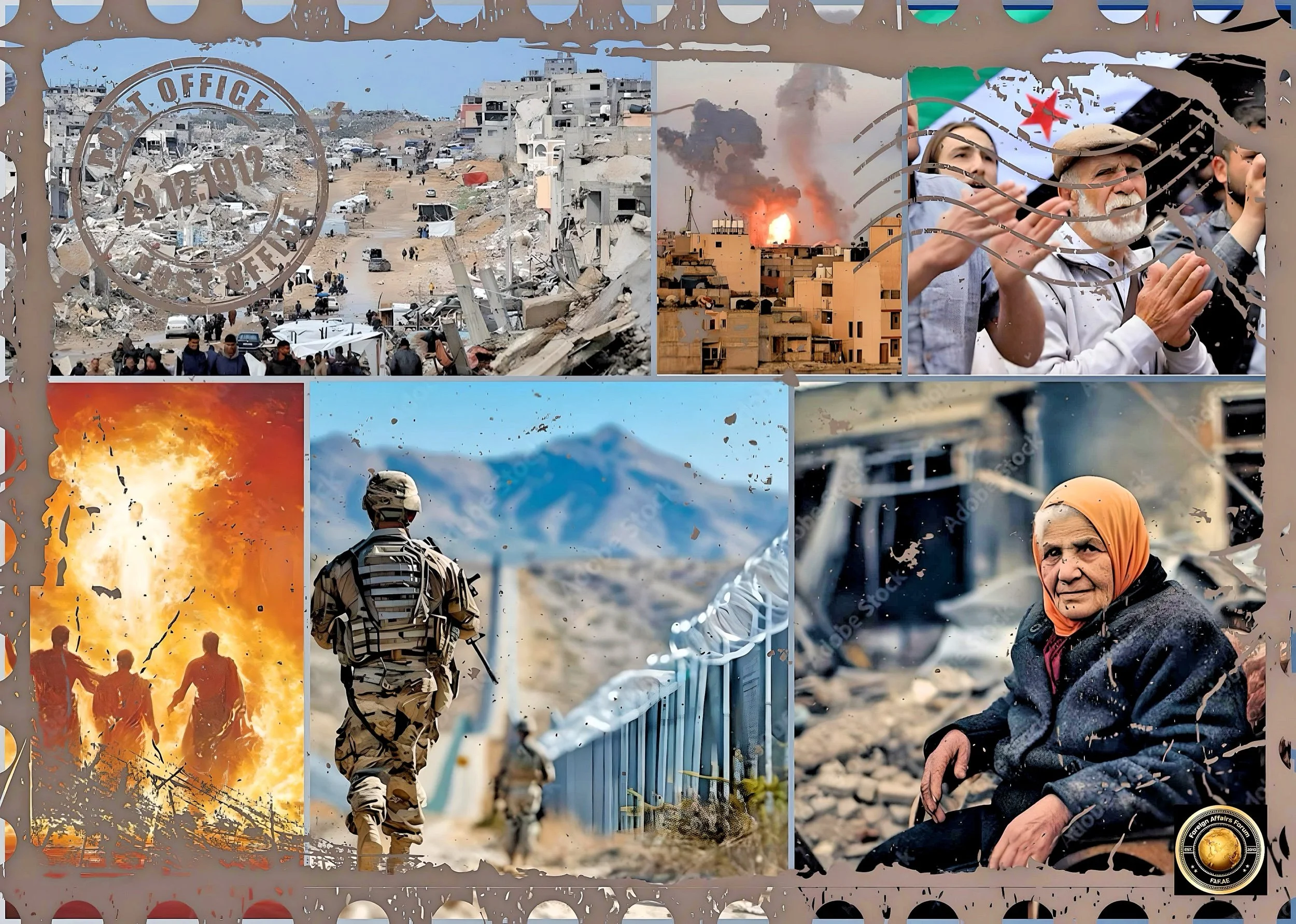
The Gaza conflict, which began after Hamas’ October 7, 2023 attack on Israel, has resulted in devastating humanitarian consequences. According to the latest figures as of February 2025:
At least 61,709 Palestinians killed, including 17,492 children
More than 111,588 Palestinians injured
Over 14,222 people missing and presumed dead
1,139 people killed in Israel during the October 7 attacks
The war has caused widespread destruction across Gaza, with almost all homes damaged or destroyed, 80 percent of commercial facilities impacted, 88 percent of school buildings damaged, and 50 percent of hospitals only partially functional.
The humanitarian crisis has been immense, with extensive devastation reported throughout the territory.
Syria
In December 2024, Israel invaded the buffer zone in southwestern Syria adjacent to the Israeli-occupied Golan Heights, taking advantage of the power vacuum created by the fall of the Assad regime.
This operation, codenamed “Operation Arrow of Bashan,” included extensive aerial and naval strikes on Syrian military targets across the country.
Israel’s stated objectives in Syria included
Securing complete control over the buffer zone and other strategic positions
Establishing a security zone beyond the buffer zone
Preventing Iranian arms smuggling routes to Lebanon
Destroying strategic heavy weapons systems throughout Syria
By February 2025, Israel had announced it would prolong the occupation of newly invaded territory in Syria throughout 2025.
Israel’s campaign in Syria was internationally condemned and accused of violating international law by Saudi Arabia’s foreign ministry.
Lebanon
On October 1, 2024, Israel invaded Southern Lebanon, marking its sixth invasion of Lebanon since 1978.
This followed nearly 12 months of conflict between Israel and Hezbollah, which had joined the Gaza conflict in support of Hamas.
Prior to the incursion, Israel had conducted major attacks in Lebanon, including an attack on electronic devices and the assassination of Hezbollah leader Hassan Nasrallah.
A ceasefire agreement, mediated by France and the United States, went into effect on November 27, 2024.
Under the agreement, Israeli forces were to withdraw from Lebanon by January 26, 2025, but Israel refused to do so, leading to a new deadline of February 18, 2025.
Even then, Israel did not fully withdraw, maintaining five military outposts on highlands in Southern Lebanon.
The Lebanese government reported 2,720 people killed in Lebanon during the invasion, mostly civilians, while Israel reported 56 of its soldiers and 2,762 Hezbollah militants killed.
Israeli operations in Lebanon have been described as having defeated Hezbollah and compelled the group to end its involvement in the October 7 War.
Yemen
On May 5, 2025, Israel launched a series of airstrikes against the Houthi movement in Yemen, in response to a Houthi ballistic missile attack on Ben Gurion Airport the day before.
The Israeli Air Force bombed and destroyed Sanaa International Airport, and the Israeli Navy joined the campaign in June 2025.
The Houthis had launched over 50 missiles and drones at Israel between the end of the Gaza ceasefire in March 2025 and the start of Israel’s operation against Iran in June 2025.
On June 10, 2025, Israel’s navy attacked docks in Yemen’s rebel-held port city of Hodeida, the first time that its naval forces conducted direct strikes against the Houthis.
Israeli Defense Minister Israel Katz threatened the Houthis with a naval and air blockade if attacks on Israel continued.
Iran
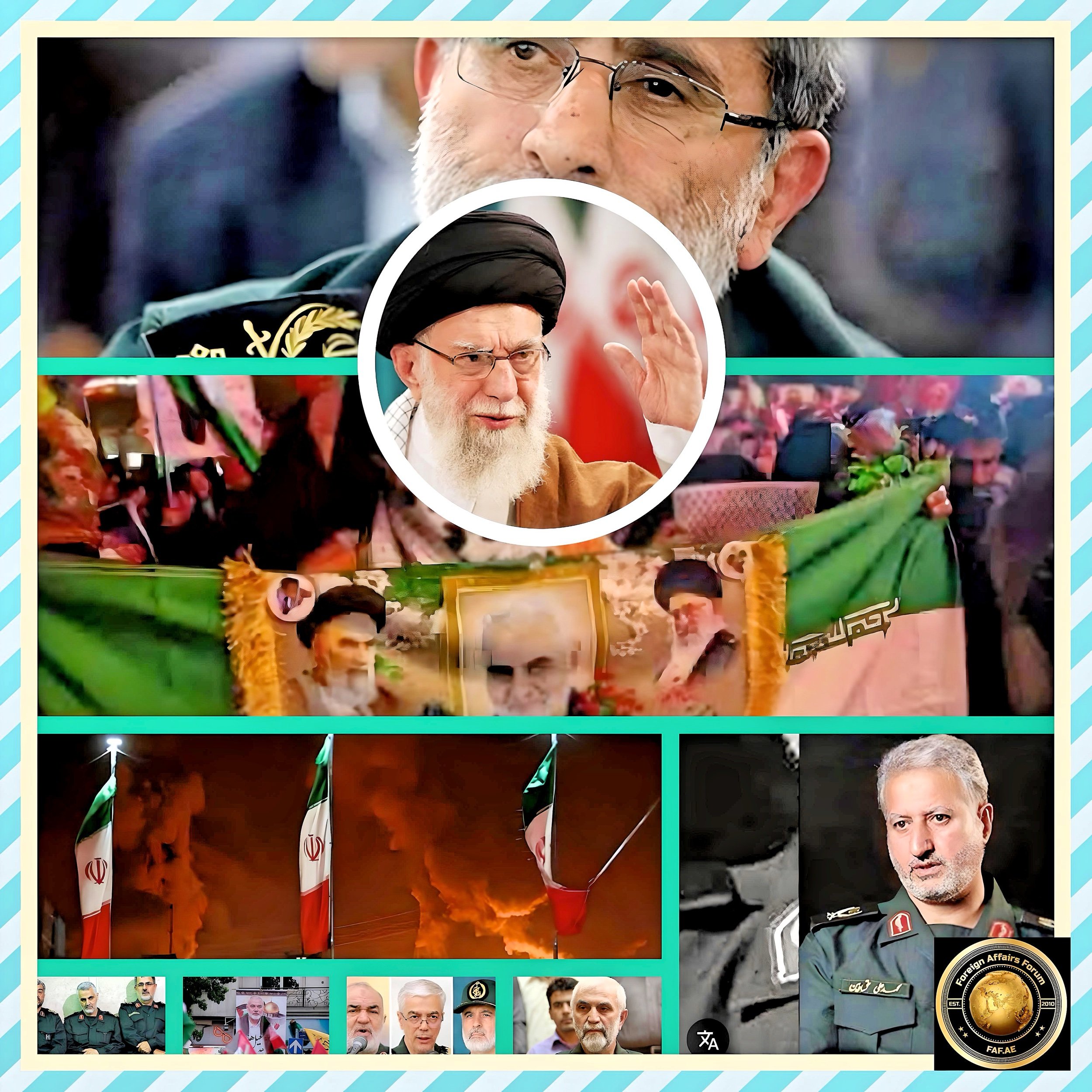
In 2024, the Iran-Israel proxy conflict escalated to a series of direct confrontations. On April 1, 2024, Israel bombed an Iranian consulate complex in Damascus, killing multiple senior Iranian officials.
In response, Iran launched strikes inside Israel on April 13, followed by Israeli retaliatory strikes in Iran on April 19.
Tensions increased after the July 31, 2024 assassination of Hamas political leader Ismail Haniyeh in Tehran.
On October 1, 2024, Iran launched a series of missiles at Israel, which was followed by Israeli retaliatory strikes against Iran on October 26. In June 2025, following these exchanges, the Iran-Israel war began.
Accusations of Antisemitism and International Response
Israel has faced criticism for its military actions, particularly in Gaza, with some international bodies accusing it of war crimes and possible genocide. In response, Israel and its supporters have often characterized criticism of Israeli policies as antisemitism.
In May 2025, Israel’s Diaspora Affairs and Combating Antisemitism Ministry released a report blaming world leaders, universities, media outlets, and social networks for allowing or encouraging antisemitism.
The report singled out the governments of South Africa, Ireland, and Spain, accusing them of leading the way in antisemitic rhetoric by voicing opposition to Israeli actions or policies.
Critics argue that accusations of antisemitism are used to shield Israel from legitimate criticism.
An open letter from Jewish writers stated, “Accusations of antisemitism at the slightest objection to Israeli policy have long allowed Israel to uphold a regime that human rights groups, scholars, legal analysts, and Palestinian and Israeli organisations have called apartheid”.
The letter further argued that such accusations create a chilling effect across politics and conflate Israel with all Jewish people.
Holocaust Memory and Current Conflicts
The Holocaust plays a significant role in shaping Israel’s approach to security threats.
Many Israelis draw parallels between Hamas and the Nazis, with Prime Minister Benjamin Netanyahu comparing Hamas to the Nazis for the October 7, 2023 attack.
For many Israelis, this attack represented a sign that the Jewish people are facing another existential battle.
A poll published in May 2024 found that 54 percent of Jewish Israelis believed there was a legitimate basis for comparisons between the Holocaust and the events of October 7.
The use of rhetoric conflating Hamas with the Nazi party has become increasingly common among Israeli leaders, with Netanyahu describing Hamas as “the new Nazis”.
However, this view is not universal within Israel. Netanyahu has vocal opponents who argue he is exaggerating the threat to Israel’s survival for political ends.
Some, including Holocaust survivors, insist there is an ethical imperative to focus on the fate of hostages held by Hamas, even if that means reining in military operations.
U.S.-Israel Relationship
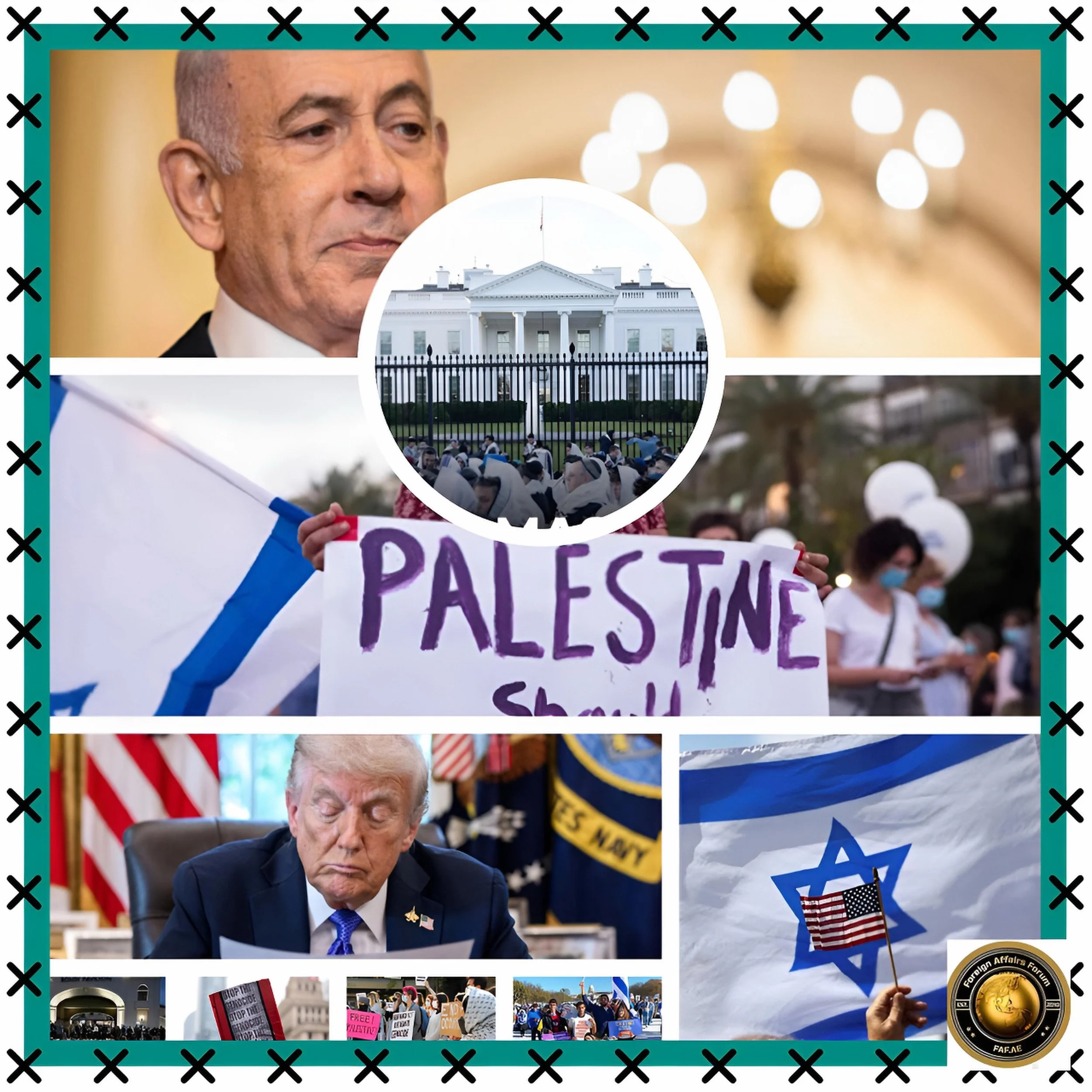
The United States has historically been Israel’s strongest ally, providing significant military and diplomatic support.
However, the nature of this relationship has evolved over time.
As Israel’s economy has grown, its dependence on U.S. aid has diminished proportionally—in 1981, U.S. aid was equivalent to almost 10% of Israel’s economy, but by 2020, at nearly $4 billion, it was closer to 1%.
This economic independence has coincided with a decreased sensitivity to American approval among Israelis.
Focus groups conducted after President Biden’s election found that Israelis no longer fear reprisal from American politicians, with participants expressing confidence that “Biden will be fine” regardless of Israel’s actions.
The relationship has been further complicated by shifting attitudes among Americans, particularly Democrats and left-wing activists who have become increasingly critical of Israel’s treatment of Palestinians.
Despite this, Democratic politicians have generally resisted their voters’ growing support for Palestinians.
International Legal Proceedings
Israel faces scrutiny from international legal bodies for its military operations. In May 2024, the International Court of Justice (ICJ) ruled that Israel must halt any military offensive in Rafah that could harm civilians.
While the ruling did not explicitly use the word “genocide,” it quoted the Genocide Convention, stating that “Israel must immediately halt its military offensive, and any other action in the Rafah Governorate, which may inflict on the Palestinian group in Gaza conditions of life that could bring about its physical destruction in whole or in part”.
Additionally, the International Criminal Court (ICC) prosecutor sought arrest warrants for leaders of both Israel and Hamas.
The ICC’s actions were criticized by Israel as equating a democratic country with a terrorist organization.
In June 2024, the UN Independent International Commission of Inquiry found that Israeli authorities were responsible for war crimes and crimes against humanity committed during military operations in Gaza since October 7, 2023.
The Commission also found that Palestinian armed groups were responsible for war crimes committed in Israel.
Conclusion
Israel's military operations across various fronts in the Middle East have sparked concerns regarding potential territorial ambitions tied to the notion of “Greater Israel.”
These military actions have led to significant casualties and extensive destruction, particularly in the Gaza Strip. Israel faces allegations of war crimes and potential genocide, often responding to such critiques by framing them as manifestations of antisemitism.
The Holocaust continues to be a significant factor influencing Israel’s security calculus, with many Israelis likening current existential threats to those posed by Nazi Germany.
Concurrently, the dynamics of Israel's relationship with the United States have transformed, as Israel has grown less reliant on American financial aid.
As international legal bodies scrutinize Israel’s operations, the ongoing discourse revolves around the tension between Israel’s assertion of self-defense and its responsibilities under international humanitarian law.
The protracted conflicts across multiple regions indicate a likelihood that Israel will further exacerbate regional tensions, often invoking the rhetoric of antisemitism to deflect criticism.
This trajectory may have profound implications for the geopolitical landscape of the Middle East, potentially giving rise to new power dynamics akin to a Gulf warlord scenario involving Israel.