Trump.2.0 Term : A web of confusion and contradictions - Fact check report
Introduction
FAF, Washington.Media analyzes numerous claims about President Donald Trump’s second term, which allegedly began on January 20, 2025.
FAF report examines each claim against available evidence to determine the accuracy and provide a context where needed.
White House Physical Changes
Rose Garden Paving Project
The claim that Trump is paving over the historic Rose Garden appears accurate. Construction to replace the grass with a stone surface began in June 2025.
Trump justified this decision by citing safety concerns, specifically mentioning that “people fall” during press conferences, particularly regarding women in high heels sinking into wet grass.
Flagpole Installation
Multiple sources confirm Trump's claim about installing two 100-foot flagpoles on the North and South Lawns. In April 2025, Trump personally identified the locations for these structures during a walk across the North Lawn.
He stated that the flagpoles were “needed for 200 years” and confirmed that he would privately fund them at his own expense.
The $100,000 cost estimate aligns with Trump’s public statements that the project would be “paid for by Trump.”
Ukraine Policy: A Critical Examination
Campaign Promises versus Actual Developments During the campaign, Trump asserted he could swiftly resolve the Ukraine-Russia conflict, claiming such a resolution could occur within 24 hours.
However, there is no documented evidence that he later revised this estimate to a six-month timeline or clarified his initial statement as “sarcastic.”
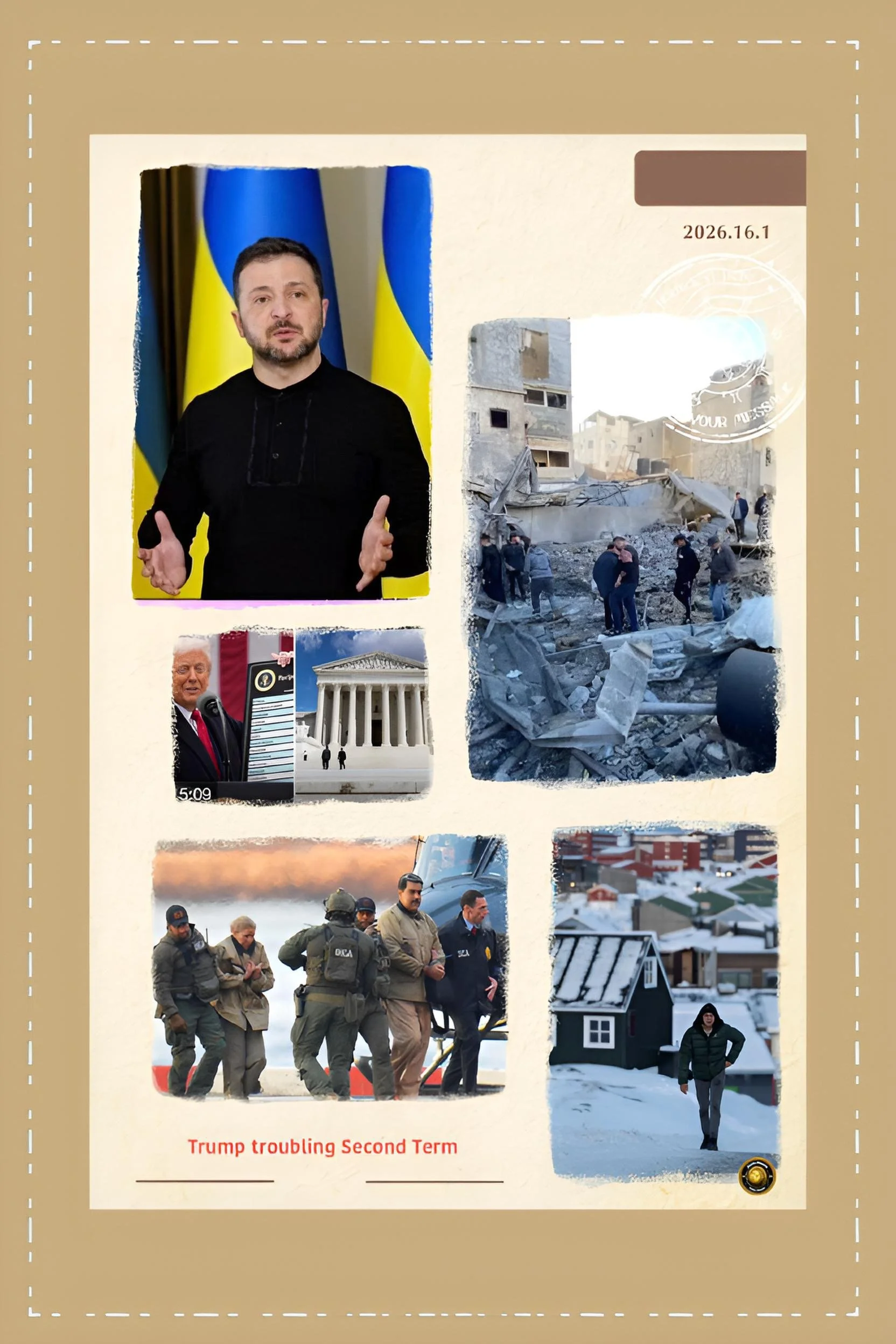
February 28, 2025, Oval Office Engagement The meeting on February 28, 2025, involving Trump, Vice President JD Vance, and Ukrainian President Volodymyr Zelenskyy was confirmed to be intensely contentious, described by sources as “unprecedented” due to its confrontational tone.
Accounts suggest that both Trump and Vance frequently interrupted Zelenskyy, resulting in a lack of constructive dialogue.
The meeting concluded prematurely without the anticipated signing of the Ukraine-United States Mineral Resources Agreement.
Suspension of Military Aid
Following this contentious meeting, the Trump administration suspended military aid to Ukraine, with confirmation that this decision was made on March 4, 2025, several days after the meeting.
A White House spokesperson indicated the pause was part of a strategy to review aid effectiveness towards conflict resolution.
While this suspension lasted roughly a week, the exact duration has not been explicitly confirmed by available sources.
Legal Challenges and Judicial Conflicts
Volume of Legal Challenges
Evidence substantiates the assertion that Trump has encountered over 250 legal challenges, leading to a minimum of 25 nationwide injunctions.
Former federal Judge John Jones III characterized this litigation landscape as “an all-out war on the lower courts,” highlighting the significant backlash to Trump's actions.
By late April 2025, nearly 250 legal disputes had emerged, which resulted in numerous injunctions that temporarily halted various executive orders.
Criticism of the Judiciary
Trump and his allies have engaged in unprecedented critique of the judiciary, including threats directed at judges such as impeachment and arrest.
Notably, the Article III Project, a consortium aligned with Trump, orchestrated a substantial campaign consisting of 164,000 communications to lawmakers advocating for the impeachment of Judge James Boasberg after he issued a temporary injunction against Trump’s deportation initiatives.
Supreme Court Decisions
Affecting Venezuelan Immigrants
The Supreme Court ruled against the Trump administration in a decision impacting Venezuelan immigrants, allowing the revocation of legal protections for approximately 350,000 individuals, thereby increasing their vulnerability to deportation.
However, there is no direct quote from Trump asserting, “The Supreme Court of the United States is not allowing me to do what I was elected to do.”
Executive Orders Issued
In his second term, Trump issued a remarkable volume of executive orders.
Analysis from The American Presidency Project at the University of California, Santa Barbara indicated that Trump issued 187 executive orders and memorandums within the first 87 days of his presidency, equating to an average exceeding two such directives per day.
While this does not directly validate the “over 160” claim, it does support the assertion of a high issuance rate.
Military Deployment in Los Angeles
The confirmed deployment of Marine Corps and National Guard units to Los Angeles in response to immigration protests involved approximately 200 Marines, integrated into a contingent of 700 joining 4,000 National Guard personnel.
These forces were mobilized to Los Angeles on June 10, 2025, equipped with riot gear for the protection of federal installations.
During a speech at Fort Bragg, Trump described the protests as “a full-blown assault on peace, on public order and national sovereignty,” asserting that the only flag to “wave triumphantly over the streets of Los Angeles” would be the American flag.
Iran-Israel Conflict Dynamics
U.S. Involvement Claims
The assertion regarding contradictory statements from the Trump administration concerning U.S. involvement in Israeli military actions against Iran appears accurate.
Initial pronouncements characterized Israeli operations as “unilateral,” but subsequent comments from Trump suggested potential U.S. involvement, including references to controlling Iranian airspace.
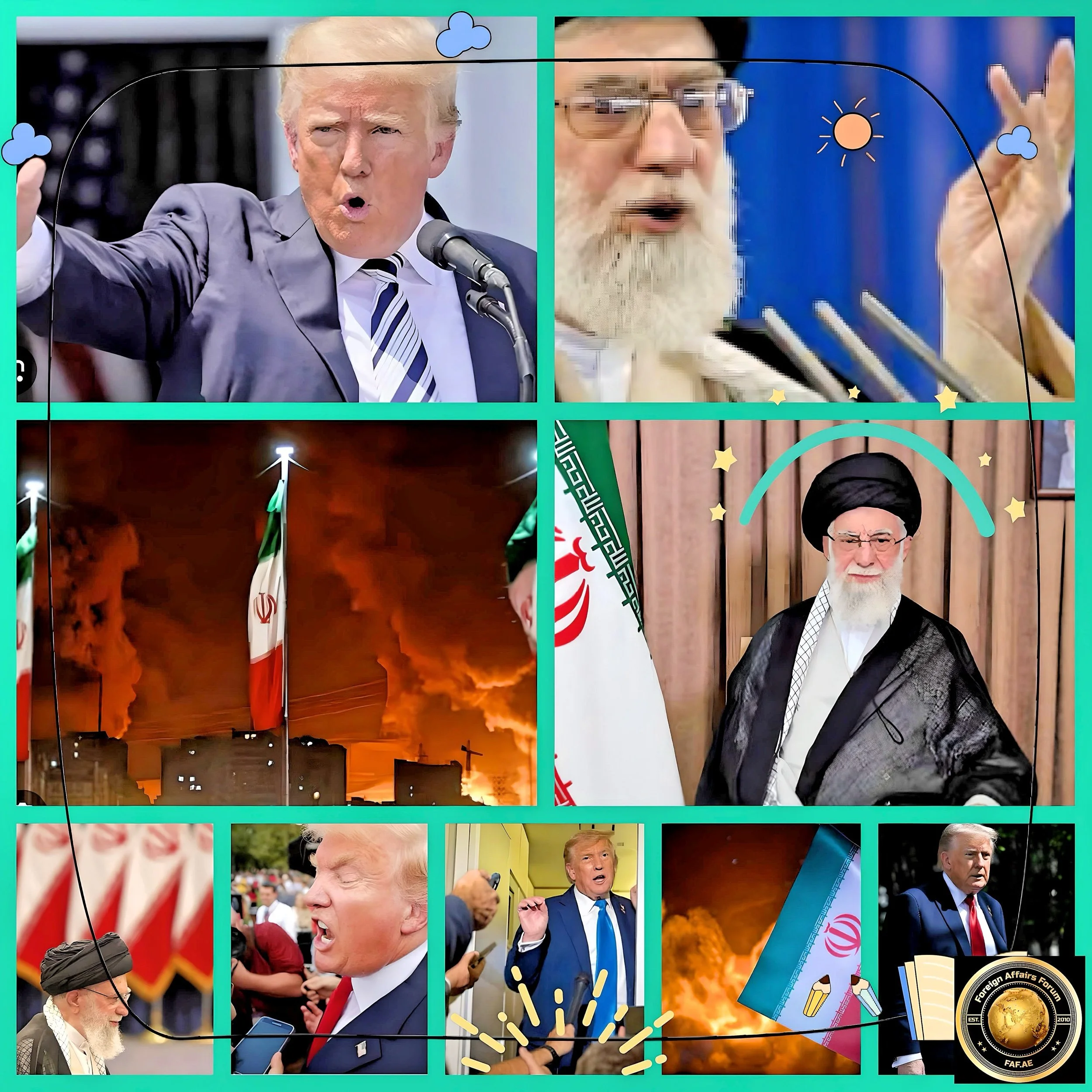
Threats Targeting Iranian Leadership Trump made provocative statements directed at Iranian Supreme Leader Ali Khamenei through Truth Social, declaring, “We know exactly where the so-called ‘Supreme Leader’ is hiding. He is an easy target, but is safe there — We are not going to take him out (kill!), at least not for now.” Additionally, he demanded Iran's “UNCONDITIONAL SURRENDER!” in a separate communication.
Potential Military Operations Against Iran
Sources have confirmed that Trump is contemplating joining Israeli military initiatives targeting Iranian nuclear facilities.
Reports indicate that on June 17, 2025, Trump dedicated over 80 minutes to reviewing potential military operations within the White House Situation Room, showing a serious inclination to support Israel's offensive measures against Iran’s nuclear infrastructure, particularly concerning Iranian underground enrichment sites.
Intelligence Community Discrepancies
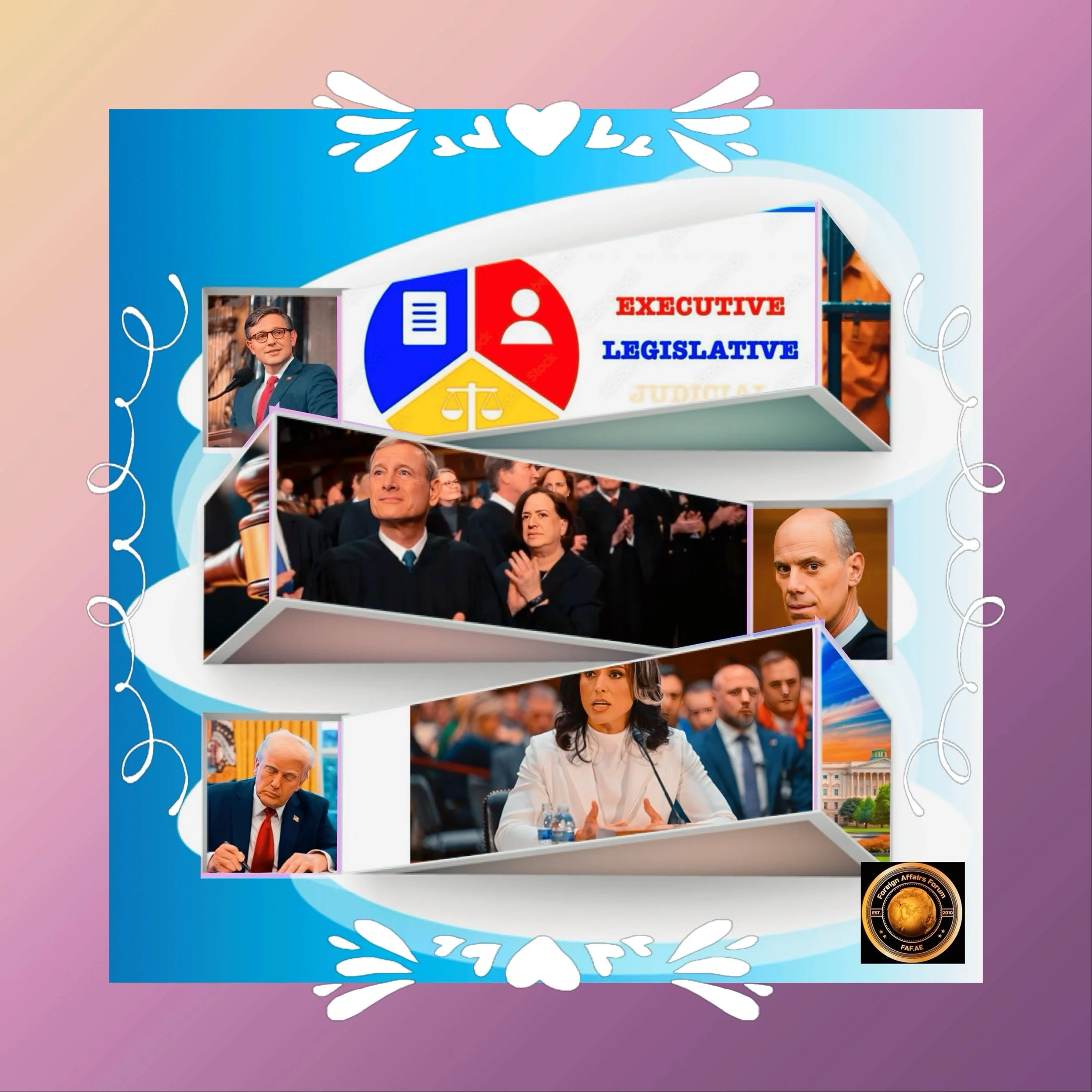
Trump publicly contradicted his Director of National Intelligence, Tulsi Gabbard, concerning vital intelligence matters in the context of U.S. foreign policy.
Further details of these contradictions remain critical to understanding the dynamics of Trump's approach to international relations and national security.
Education System Actions
A Critical Analysis
Actions Targeting Universities
The Trump administration has initiated substantial measures against elite institutions, specifically focusing on Harvard and Columbia.
A significant impact has been seen in the cancellation of approximately $11 billion in research funding and grants, with Harvard bearing the brunt of this, facing over $2 billion in losses.
Furthermore, the Department of Education has launched at least 104 investigations, predominantly targeting higher education entities, with 70 investigations focused solely on universities and colleges.
Dismantling the Department of Education
Trump's administration also took steps towards dismantling the Department of Education through an executive order announced on March 20, 2025, stating, “We’re going to eliminate it, and everybody knows it’s right.”
Following this directive, the agency experienced a dramatic reduction in personnel, with staff numbers slashed in half within a two-month timeframe.
It is important to note, however, that the complete abolition of the Department of Education would necessitate Congressional approval, which has not yet been achieved.
Conclusion
Many claims presented are substantiated by the available evidence; however, certain specific details require further scrutiny and validation.
The data analyzed largely corroborates the narrative of an administration grappling with constitutional constraints, navigating complex international diplomatic landscapes, and facing internal coordination challenges while pursuing an ambitious and often contradictory agenda.
The approach taken by the Trump administration has sparked considerable controversy across various dimensions, ranging from alterations to the White House grounds to foreign policy maneuvers and domestic governance issues.
Instances of conflict with the judiciary, military deployments, and inconsistent statements regarding international conflicts illustrate an administration that has embraced an unconventional and frequently adversarial governing style.