Ursala Von der Leyen urges G7 to unite against China's trade tactics
Introduction
Confronting China’s Economic Dominance
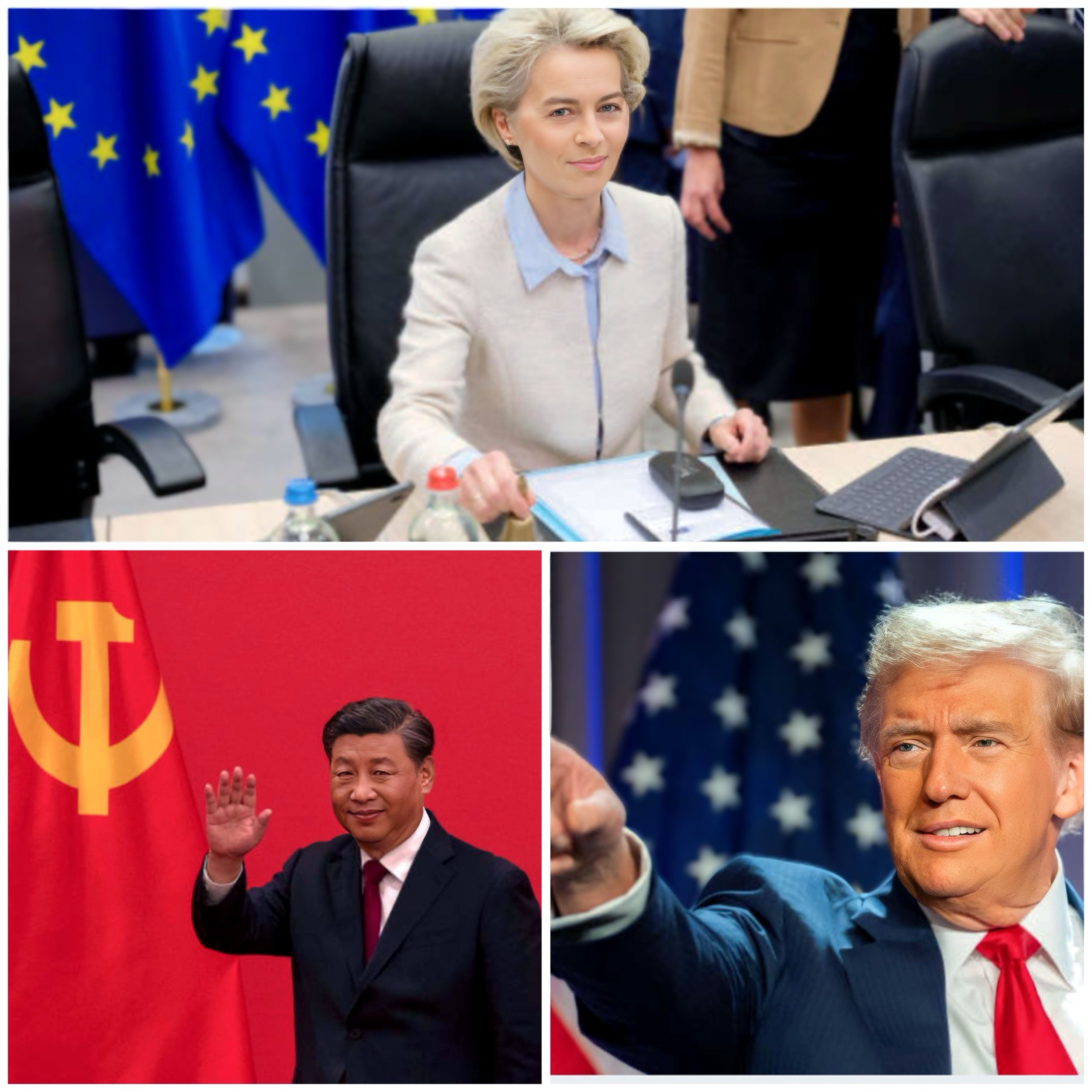
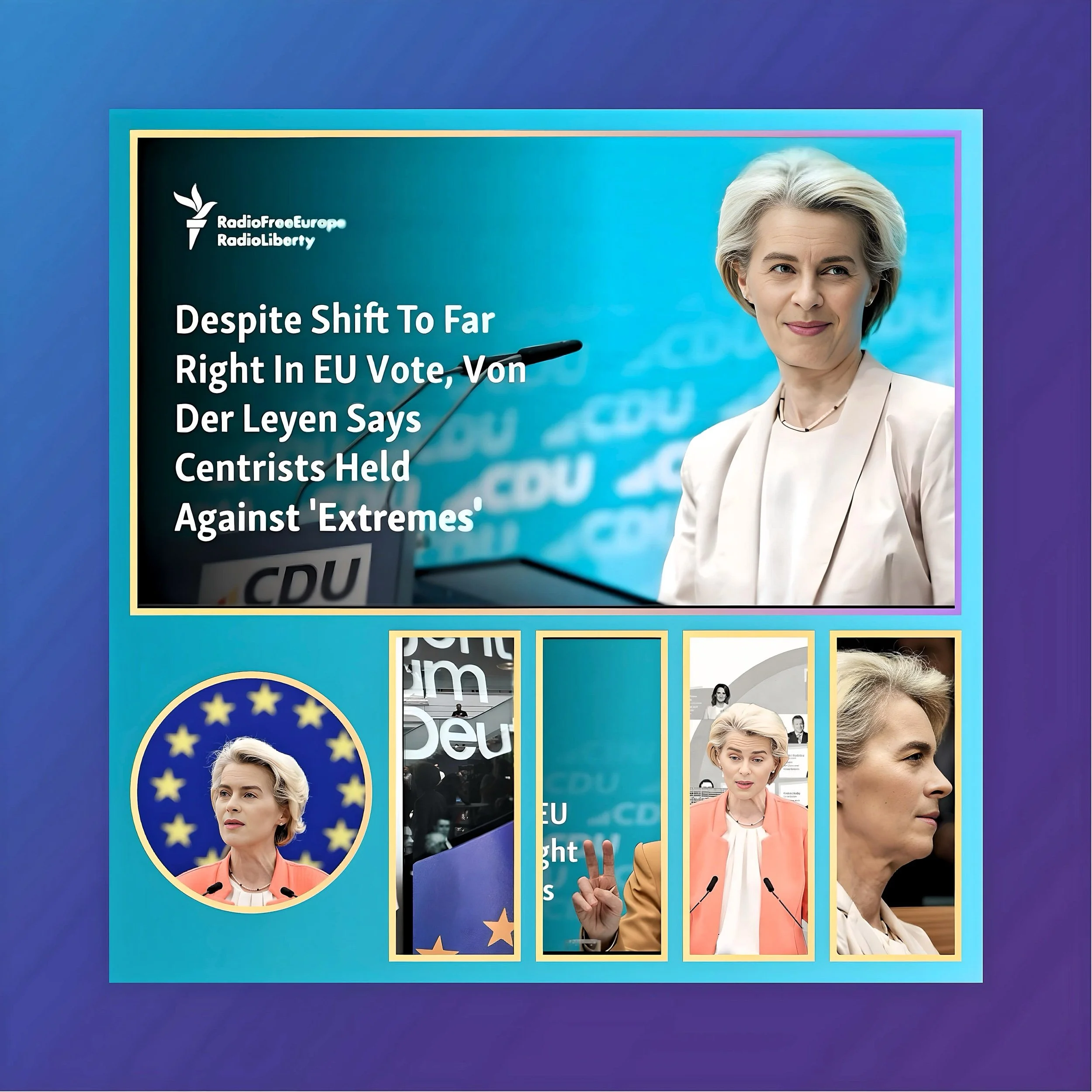
At the 51st G7 summit held in Kananaskis, Alberta, from June 15-17, 2025, European Commission President Ursula von der Leyen delivered a forceful critique of China’s trade practices, calling on G7 leaders to unite against what she described as Beijing’s pattern of “dominance, dependency and blackmail” in global trade.
In a significant diplomatic shift, von der Leyen directly appealed to U.S. President Donald Trump, declaring that “Donald is right” about the serious problems posed by China’s approach to international trade.
During a session focused on the global economy, von der Leyen identified China’s 2001 accession to the World Trade Organization (WTO) as the source of “the biggest collective problem” facing the global trading system.
She accused Beijing of refusing to operate within the constraints of the rules-based international system while continuing to define itself as a developing country despite its economic power.
China’s “Weaponization” of Critical Resources
The European Commission President highlighted China’s recent restrictions on exports of rare earth minerals and permanent magnets as evidence of Beijing’s willingness to weaponize its dominant position in critical supply chains.
Since April 2025, China has significantly limited exports of these materials, essential components for automotive manufacturing, batteries, and wind turbines.
“China is using this quasi-monopoly not only as a bargaining chip, but also weaponizing it to undermine competitors in key industries,” von der Leyen stated during one of the summit’s thematic sessions.
She emphasized that while China’s export restrictions were initially implemented in response to Trump’s tariffs, Beijing has applied them globally, harming European industries as well.
Von der Leyen’s concerns are well-founded, as China controls approximately 60% of the global rare earth supply and 90% of the processing and refining capacity of these critical minerals.
This dominance gives Beijing significant leverage over global supply chains for technologies ranging from electric vehicles to defense systems.
The “New China Shock”
In her address, von der Leyen warned of a “new China shock” emerging from Beijing’s industrial policies.
She accused China of “undercutting intellectual property protections and massive subsidies to dominate global manufacturing and supply chains,” describing these practices not as market competition but as “distortion with intent.”
The European leader pointed to China’s flooding of global markets with “subsidized overcapacity that its market cannot absorb,” specifically referencing the ongoing dispute over Chinese electric vehicles that the European Commission considers artificially underpriced.
Recent trade data supports these concerns, with Chinese customs figures showing monthly exports to Germany and France increasing by over 20% in April and May 2025.
G7 Response: Critical Minerals Action Plan
In response to these challenges, G7 leaders launched a Critical Minerals Action Plan on June 17, 2025.
The plan aims to reduce risks to critical mineral supply chains and decrease dependence on China through several key initiatives:
Monitoring for critical minerals shortages and coordinating responses to “deliberate market disruption”
Diversifying and onshoring mining, processing, manufacturing, and recycling, where possible
Developing standards-based markets for critical minerals that reflect the real costs of responsible extraction and processing
Increasing investment in responsible critical minerals projects within G7 countries and around the world
The action plan builds on previous G7 initiatives, including the Five-Point Plan for Critical Minerals Security established during Japan’s G7 Presidency in 2023.
Ministers from participating countries are tasked with producing a detailed roadmap for implementation before the end of 2025.
China’s Response to Criticism
China has responded forcefully to von der Leyen’s criticisms and the G7’s focus on critical minerals.
Chinese Foreign Ministry spokesperson Guo Jiakun expressed “strong dissatisfaction and firm opposition to those baseless and biased remarks that reflect double standards”.
Beijing has denied accusations of market distortion and overcapacity, characterizing such claims as “absolutely false” and merely “an excuse for trade protectionism”.
Chinese officials have also accused the G7 of interfering in China’s internal affairs and violating basic principles of international relations.
The exchange of accusations has dampened the perceived momentum in EU-China relations, which had been building since Trump’s return to office and implementation of sweeping tariffs.
The relationship is deteriorating despite earlier overtures from Beijing, including lifting sanctions on European Parliament members and re-engaging in talks over Chinese electric vehicles.
Shifting EU-China Relations
Von der Leyen’s hawkish tone at the G7 summit marks a significant shift from her earlier, more conciliatory approach to China.
In late January 2025, she emphasized the need for constructive engagement with Beijing and finding solutions of mutual interest.
However, the escalating trade tensions with the United States appear to have prompted a recalibration of the EU’s China strategy.
The European Commission has been monitoring potential trade diversion resulting from U.S. tariffs.
In May, Chinese exports to the U.S. dropped 34.5% year-on-year, while exports to France and Germany jumped by 24.1% and 21.5%, respectively.
The EU has activated a customs surveillance system to track patterns that might indicate diversion of goods originally intended for the U.S. market.
As the EU prepares for a bilateral summit with China in late July, von der Leyen’s G7 interventions suggest a hardening stance toward Beijing’s trade practices.
At the same time, her direct appeals to Trump indicate an effort to find common ground with the U.S. administration on addressing China’s economic policies rather than engaging in a trade war among allies.
Conclusion
Urasla Von der Leyen’s call for G7 unity against China’s trade tactics represents a significant moment in the evolving relationship between Western democracies and Beijing.
By highlighting China’s dominance in critical supply chains and its willingness to use that position as leverage, the European Commission President has articulated a clear challenge to the G7’s economic security.
The G7’s response, particularly through the Critical Minerals Action Plan, demonstrates a growing consensus on countering China’s influence in strategic sectors.
However, the effectiveness of these measures will depend on sustained cooperation among G7 members and their ability to develop viable alternatives to Chinese supply chains.
As global trade tensions evolve, the interaction between U.S.-China relations, EU-China engagement, and broader G7 cooperation will shape the international economic landscape in the months and years ahead.