The June 2025 Israel-Iran Conflict: A Critical Analysis of Claims and Reality
Executive Summary
The narrative presented describes a major military confrontation between Israel and Iran beginning on June 13, 2025, dubbed “Operation Rising Lion.”
FAF, Gulf. Inc analyzes elements of the Israel-Iran conflict that align with verifiable events.
The information requires careful fact-checking and analysis to separate documented occurrences from potentially exaggerated or fictional elements.
Verification of Core Claims
Operation Rising Lion: Factual Foundation
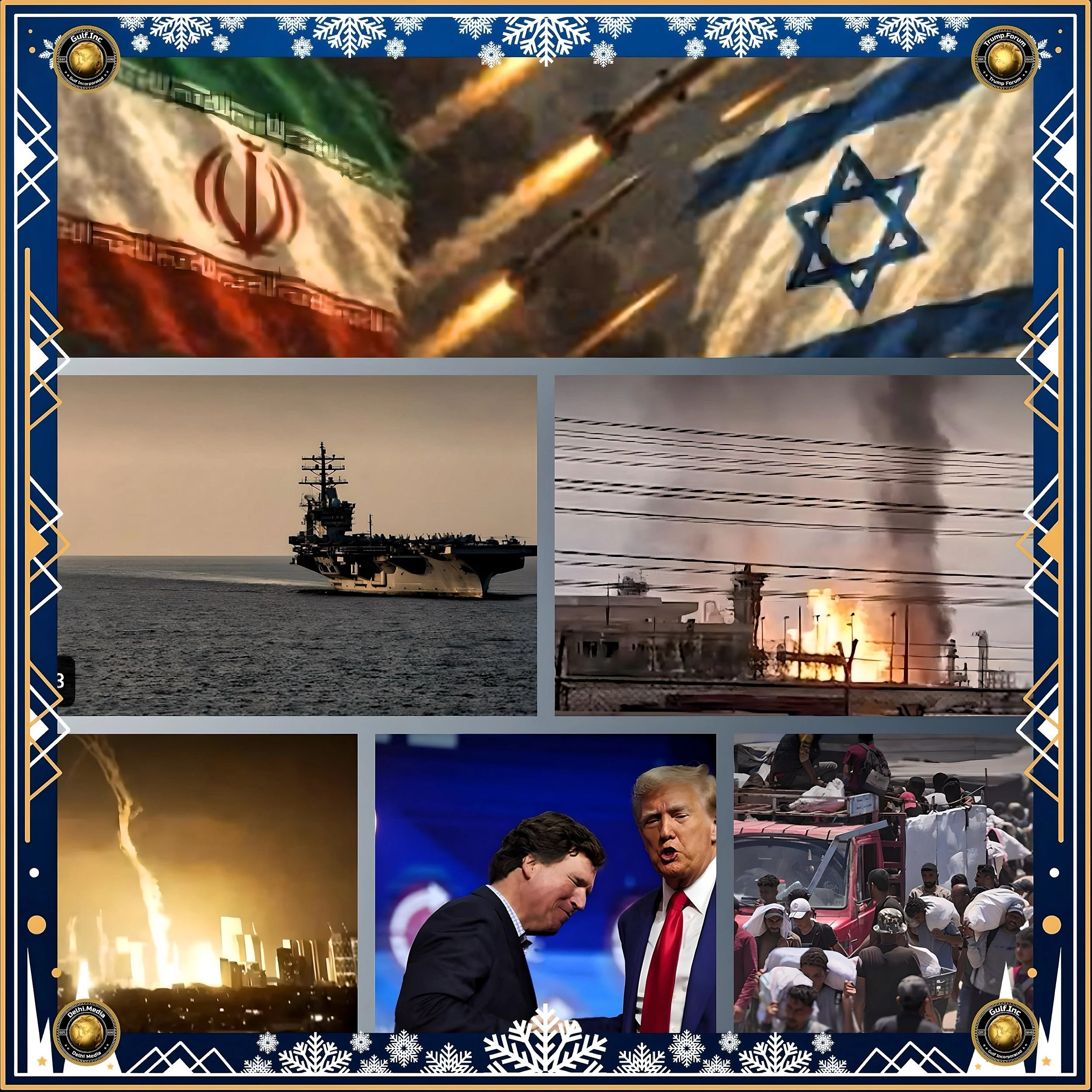
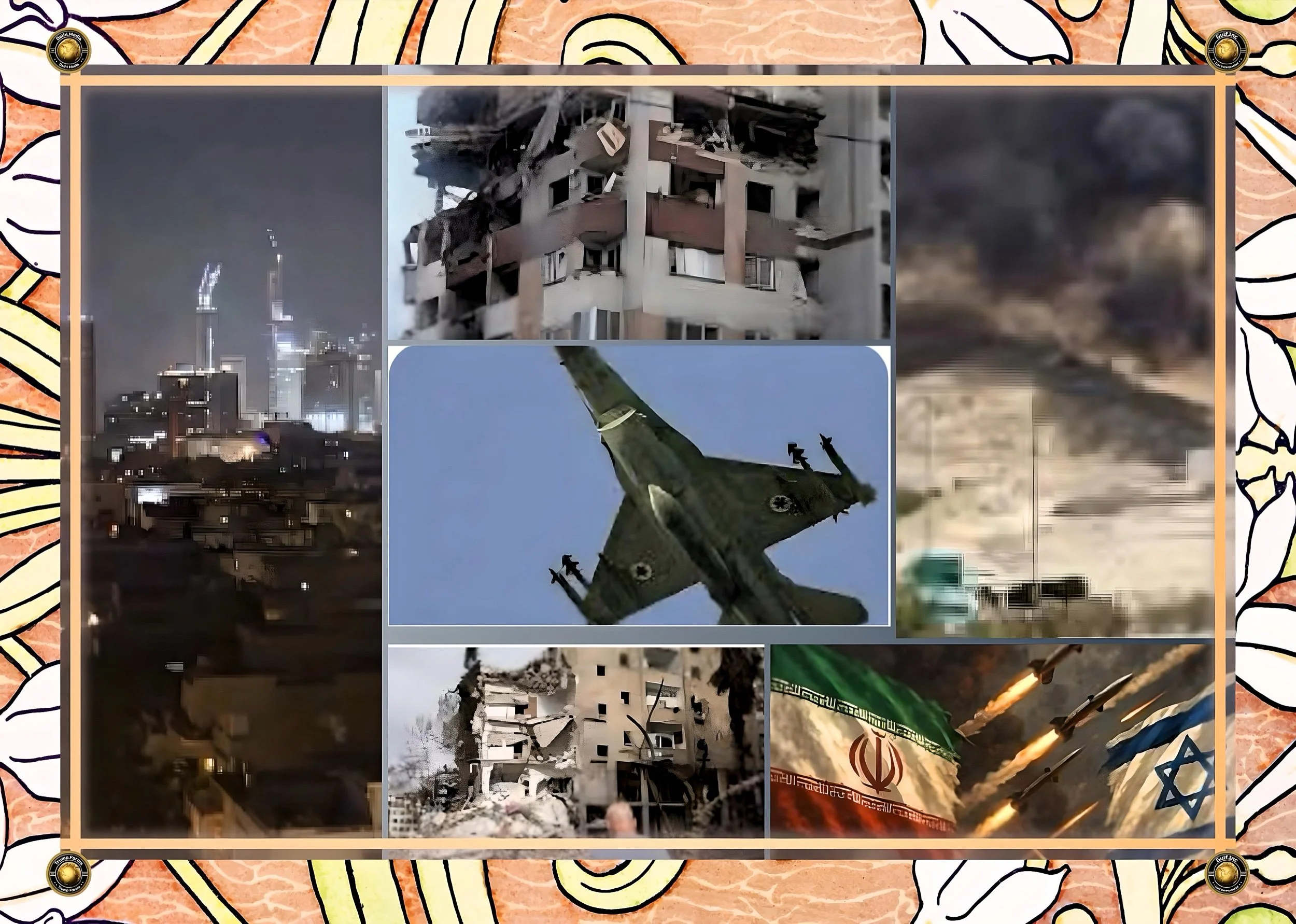
The operation described as “Operation Rising Lion” does appear in multiple credible sources, confirming Israel launched significant strikes against Iran beginning June 13, 2025.
The Israel Defense Forces (IDF) and Mossad reportedly targeted nuclear sites, military installations, and Iranian leadership figures.
The operation involved over 200 Israeli aircraft conducting precision strikes against more than 100 targets across Iran.
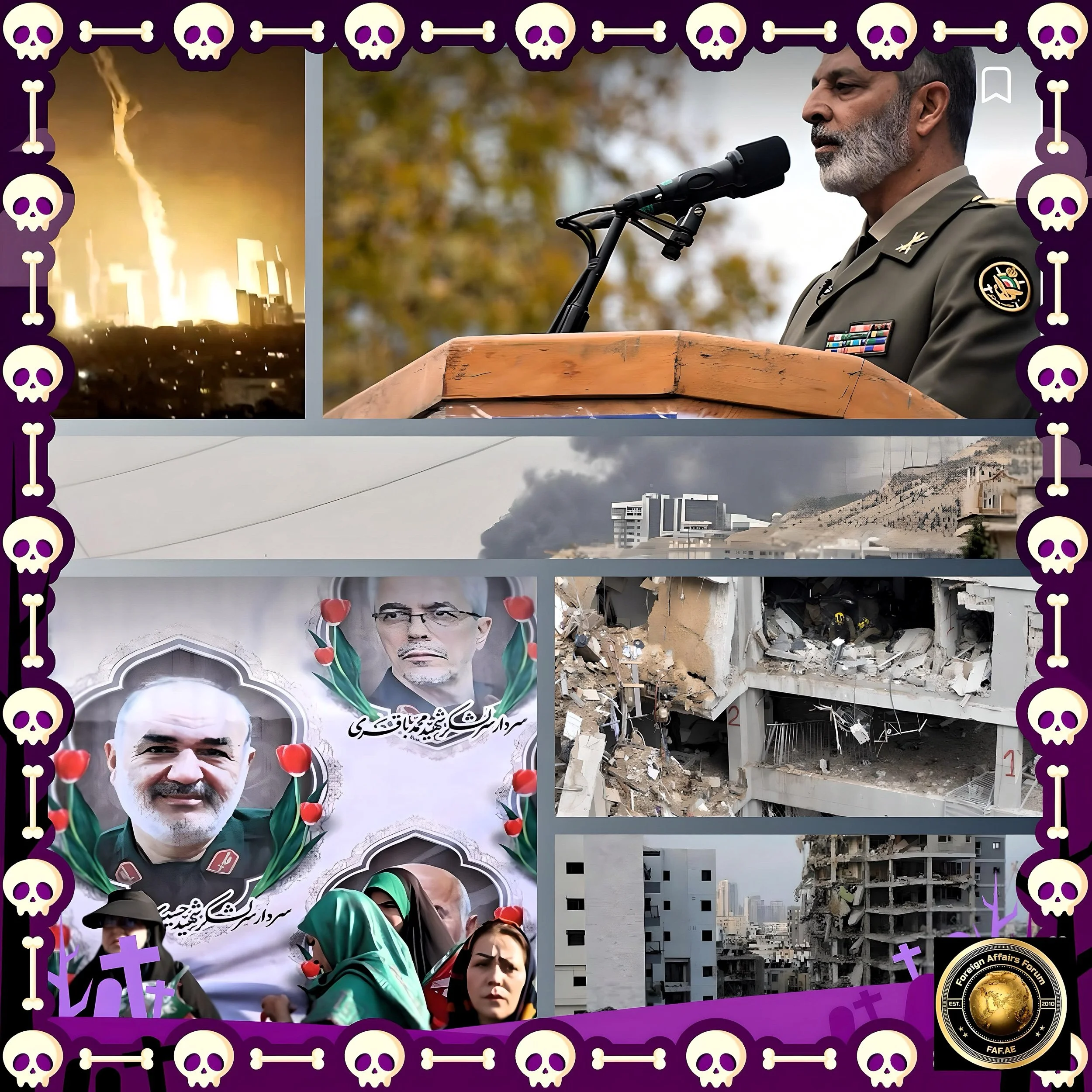
The strikes reportedly resulted in the deaths of several high-ranking Iranian officials, including IRGC commander Hossein Salami, Iranian Armed Forces Chief of Staff Major General Mohammad Bagheri, and nuclear scientists.
Israel’s intelligence agency Mossad allegedly used sophisticated tactics, including pre-positioned assets and coordination with the Israeli Air Force.
Casualty Figures and International Response
Iranian authorities reported 224 deaths, with over 90% being civilians, according to their health ministry.
Israeli fatalities were confirmed at 24 deaths.
These figures align with multiple international news sources reporting on the conflict’s progression.
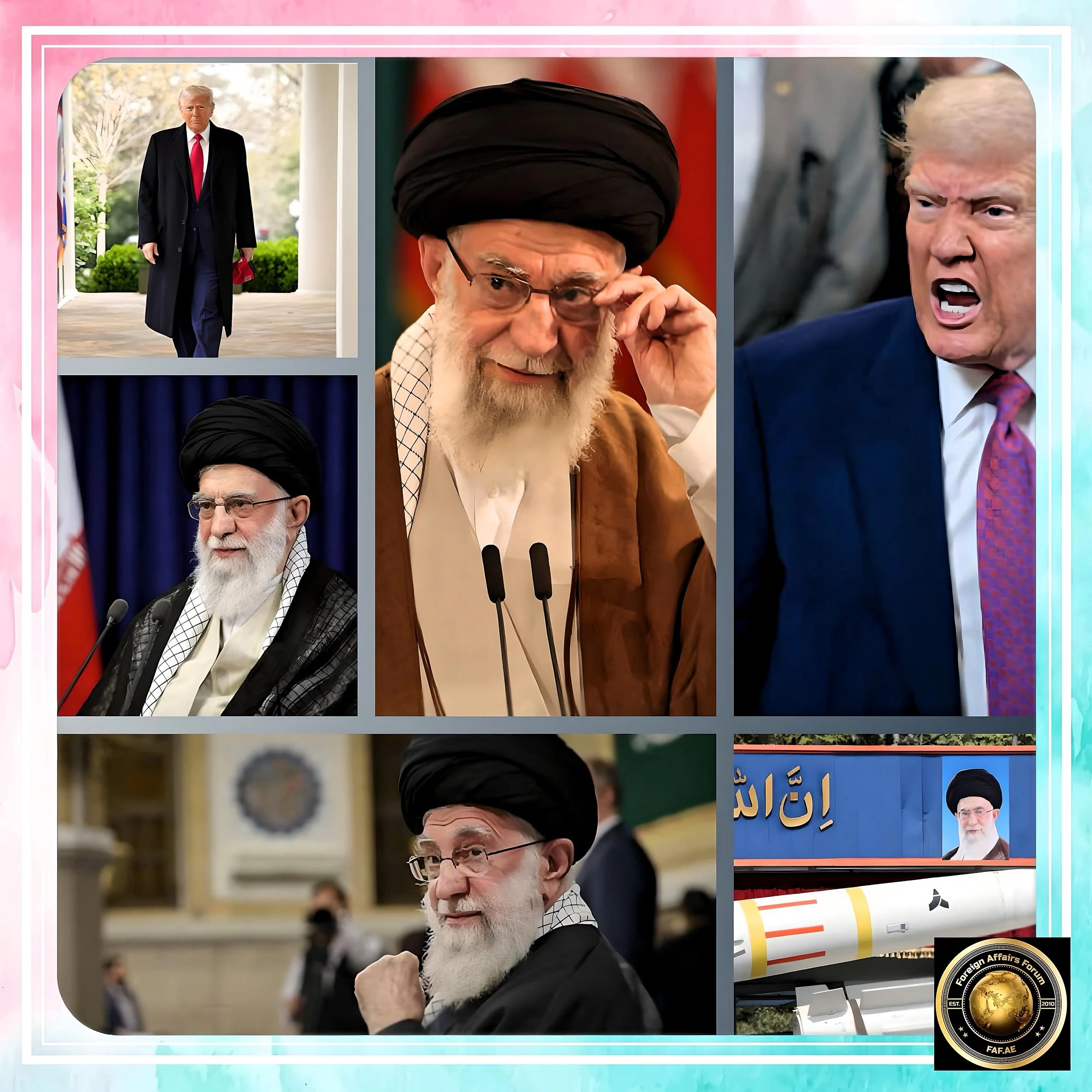
The international response included significant diplomatic activity. President Trump did depart the G7 summit in Canada early, citing the situation in the Middle East.
Trump posted on Truth Social urging the evacuation of Tehran and stating, “IRAN CANNOT HAVE A NUCLEAR WEAPON.” China closed its embassy in Tehran and advised its citizens to leave Israel via land borders.
Airspace Closures and Regional Impact
The conflict led to widespread airspace closures across the Middle East
Israel, Iran, Iraq, Jordan, Syria, and Lebanon all implemented various levels of airspace restrictions, causing significant disruption to commercial aviation.
Major airlines, including Lufthansa, KLM, and Emirates, canceled flights to the region.
Analysis of Nuclear Dimensions
Iran’s Nuclear Capabilities
According to IAEA reports from May 2025, Iran possessed sufficient uranium enriched to 60% purity to produce nine nuclear weapons theoretically.
The agency expressed “serious concern” about Iran’s significantly increased production of highly enriched uranium.
Iran’s nuclear program had reached a critical threshold where it could produce weapon-grade uranium in a matter of days or weeks.
Israeli Nuclear Arsenal
Israel is widely believed to possess approximately 90 plutonium-based nuclear warheads, with enough material for 100-200 weapons.
This estimate has remained consistent for decades, suggesting Israel’s nuclear posture is defined by deterrence needs rather than expansionist goals.
NPT Withdrawal Threats
Iran’s parliament began preparing legislation to withdraw from the Nuclear Non-Proliferation Treaty (NPT) following the Israeli strikes.
Iranian Foreign Ministry spokesman Esmaeil Baghaei confirmed the bill was being prepared, though emphasized Iran remained opposed to developing weapons of mass destruction.
The “Rogue States” Designation
The characterization of “rogue states” requires contextual analysis.
The U.S. State Department includes an official list of “State Sponsors of Terrorism” that, as of 2025, include Cuba, Iran, North Korea, and Syria.
The US removed sanctions imposed on Syria during Trump's visit to Saudi Arabia. However, the U.S. Senate did approve removing Syria from the informal “rogue states” list in June 2025, just days before the Israel-Iran conflict.
This timing highlights the politically fluid nature of such designations, which critics argue reflect U.S. geopolitical interests rather than objective international behavior standards.
Greater Israel Concept
The “Greater Israel” concept does exist in various interpretations within Israeli political discourse.
Based on biblical references to ancient Israelite territories, the most expansive versions envision Israeli sovereignty extending across large parts of the Middle East.
However, mainstream Israeli policy has not officially endorsed such territorial maximalism, and the concept remains primarily within far-right political circles.
Disinformation and Verification Challenges
Viral Misinformation
Fact-checking organizations identified numerous false or misleading visuals circulating on social media following the June 13 strikes.
AI-generated content, recycled footage from previous conflicts, and manipulated images were widely shared, complicating public understanding of events.
Media Verification
Legitimate news sources, including Reuters, CNN, BBC, and Al Jazeera, provided extensive coverage of the conflict, offering verifiable details about strikes, casualties, and international responses.
However, both sides' fog of war and information warfare tactics created challenges in verifying specific claims about military effectiveness and damage assessments.
International Law and Self-Defense Claims
Legal Justifications
Israel framed Operation Rising Lion as anticipatory self-defense, citing Iran’s proximity to nuclear weapons capability.
The timing coincided with IAEA findings of Iranian non-compliance with nuclear safeguards.
However, legal experts note that anticipatory self-defense claims must meet international law's strict necessity and proportionality requirements.
Iranian Response
Iran claimed its retaliatory strikes were justified under Article 51 of the UN Charter as legitimate self-defense.
The legal validity of both sides’ claims remains subject to international legal scrutiny and will depend on contested facts about the immediacy and nature of threats.
Regional and Global Implications
Economic Impact
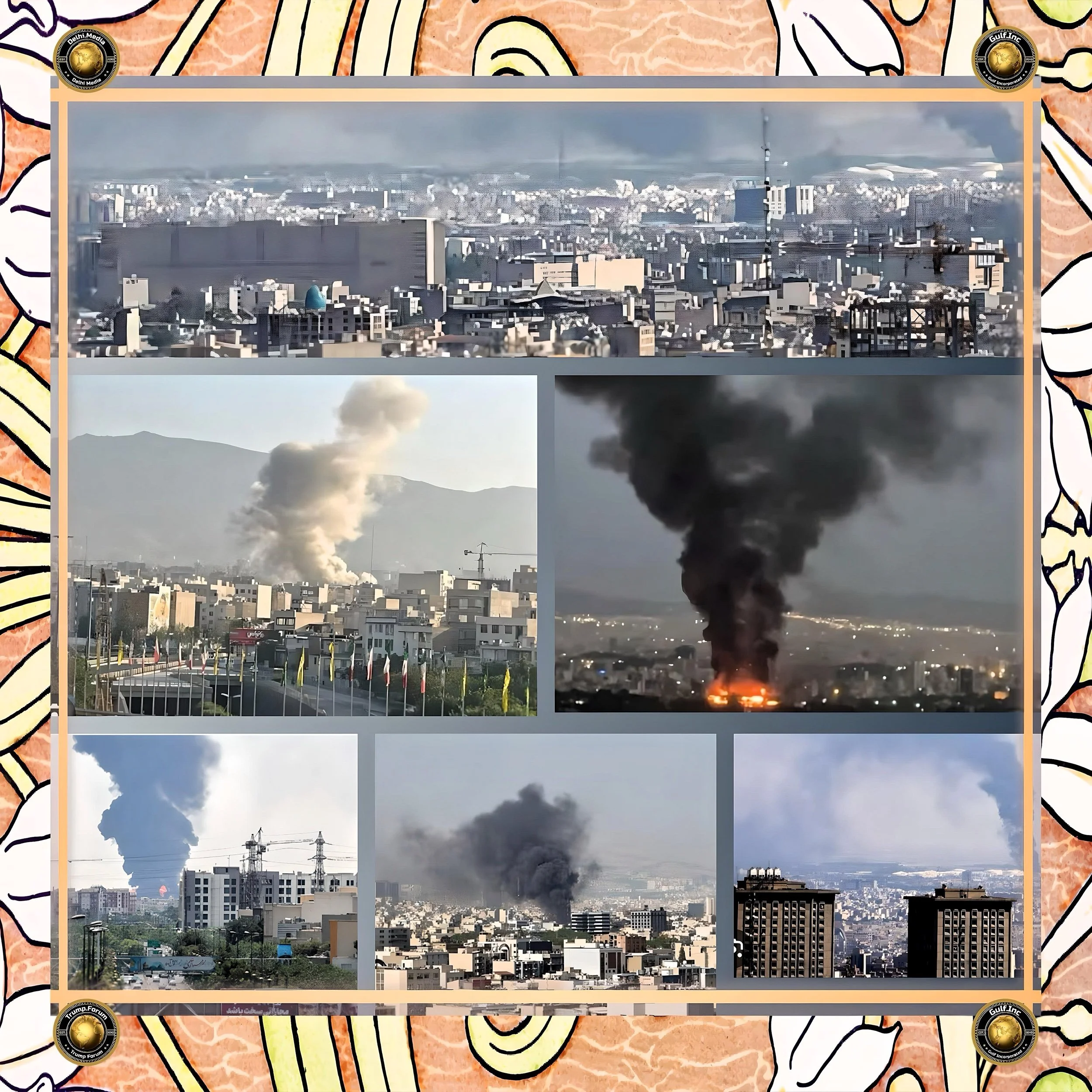
The conflict disrupted global energy markets and shipping routes through the Middle East. Oil production facilities in Iran were targeted, while regional transportation networks faced significant strain.
Alliance Dynamics
The crisis tested regional alliances and international partnerships. While the U.S. provided defensive support to Israel, other allies called for de-escalation.
China’s embassy closure and citizen evacuation advisories reflected broader international escalation concerns.
Assessment and Conclusions
The June 2025 Israel-Iran conflict represents a genuine escalation in Middle Eastern tensions, with verifiable military operations, casualties, and international responses.
However, several aspects of the narrative require scrutiny
Verified Elements
Operation Rising Lion did occur beginning June 13, 2025
Significant casualties were reported on both sides
International airspace closures and diplomatic responses occurred
Nuclear facilities and military targets were struck
High-ranking Iranian officials were reportedly killed
Areas Requiring Further Verification
Specific damage assessments to nuclear facilities
Exact casualty figures and civilian versus military ratios
Claims about “full air supremacy” over Iranian airspace
Long-term implications for regional power balance
The conflict undoubtedly represents a significant escalation in Israel-Iran tensions.
Still, the full scope of its transformative impact on regional and global order remains to be determined through continued monitoring and analysis of developments.
Critical Considerations
Information warfare and disinformation campaigns complicate accurate assessment
Both sides have strategic incentives to exaggerate or minimize various aspects
International law implications will require thorough legal analysis
Long-term consequences depend on whether the conflict expands or de-escalates
The situation demands continued careful monitoring through credible sources while maintaining skepticism toward unverified claims from any party to the conflict.