Vladimir Vladimirovich Putin: Contemporary Developments and Fifth Presidential Term Analysis
Introduction
The latest developments surrounding Russian President Vladimir Putin reveal a leader consolidating power while facing mounting international pressure and domestic challenges.
Putin’s 2024 election victory secured him a fifth presidential term with an unprecedented margin, yet his administration confronts significant obstacles, including ongoing warfare in Ukraine, international isolation, and persistent health speculation.
FAF, Moscow.Forum analysis examines Putin’s current position through multiple lenses, including his electoral mandate, military campaigns, diplomatic initiatives, and the broader implications for Russian governance and international relations.
Putin’s Fifth Presidential Term and Electoral Mandate
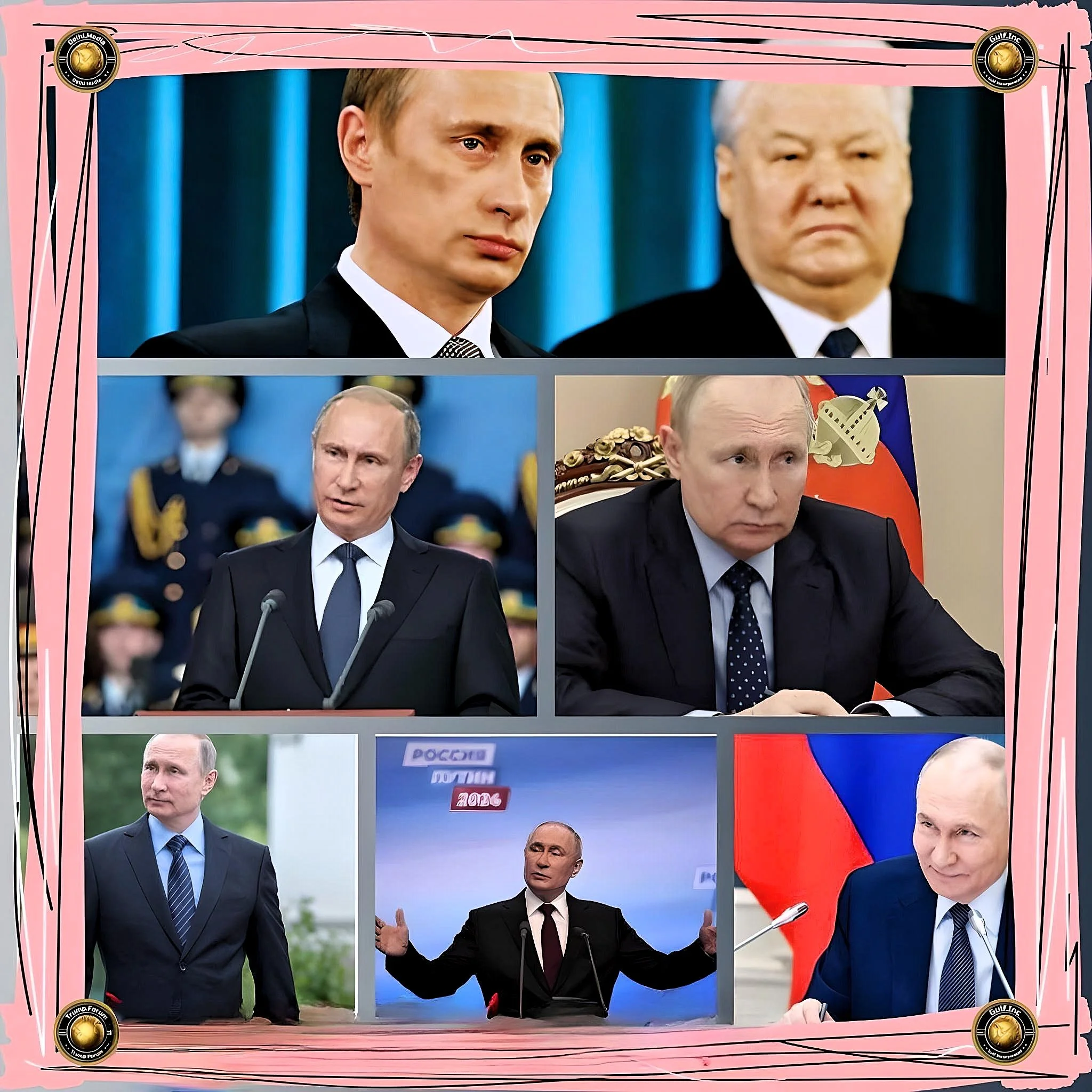
Vladimir Putin’s 2024 presidential election victory represents a significant milestone in his quarter-century rule over Russia.
Putin won the election with 88% of the vote, marking the highest percentage in a presidential election in post-Soviet Russia.
This overwhelming margin occurred despite international observers not considering the election free or fair, with Putin having increased political repressions after launching his full-scale war with Ukraine in 2022
The elections were also held in Russian-occupied territories of Ukraine, with reports of irregularities, including ballot stuffing and coercion.
The systematic exclusion of credible opposition candidates characterized the electoral process.
Boris Nadezhdin, who became the first person backed by a registered political party to announce his candidacy on an anti-war platform, was barred from running despite initially passing the required stages.
The most prominent opposition leader, Alexei Navalny, was barred from running due to a prior criminal conviction seen as politically motivated, and he died in prison in February 2024 under suspicious circumstances, just weeks before the election.
As a result, Putin faced no credible opposition, with anti-Putin activists calling on voters to spoil their ballots.
Putin’s inauguration ceremony on May 7, 2024, was boycotted by the United States and numerous European nations because of Russia’s war in Ukraine.
During the ceremony at the Grand Kremlin Palace, Putin stated that Russia would pass through the current “difficult” period stronger and emerge victorious, declaring, “We are a united and great nation, and together we will overcome all obstacles, realize everything we have planned, and together, we will win.”
The 2020 constitutional amendments reset Putin’s prior term count and established new term limits, potentially allowing him to remain in power until 2036.
Ukraine War Developments and Military Strategy
The ongoing conflict in Ukraine continues to define Putin’s fifth presidential term, with Russian forces making territorial gains while facing sustained Ukrainian resistance.
Since the start of 2025, Russia has reportedly captured 152 populated areas in Ukraine, nearly one per day.
Russian forces have expanded fighting to new regions, with troops penetrating the Dnipropetrovsk region in eastern Ukraine for the first time during the three years of conflict.
Small units of Russian soldiers began moving westward from the Donetsk area and entered Dnipropetrovsk, establishing a minor presence in the region.
The Ukrainian General Staff reported that Russian forces have sustained over one million casualties since the start of Russia’s full-scale invasion in February 2022, with over half occurring since January 2024.
Russian forces have reportedly sustained an average of 1,286 casualties per day between January and early June 2025 in exchange for marginal territorial gains.
Despite these losses, Russia continues its offensive operations, with 50,000 Russian troops surrounding the city of Sumy and Russian tanks positioned to target the regional capital.
Putin’s military strategy has evolved to embrace a prolonged conflict approach.
According to analysts, replacing Sergei Shoigu with Andrey Belousov as defense minister signals that Putin wanted to transform the economy into a war economy and is “preparing for many more years of war.”
Four Russian sources told Reuters that Putin was ready to end the war in Ukraine with a negotiated ceasefire that would recognize Russia’s war gains and freeze the war on the then front lines, as Putin wanted to avoid unpopular steps such as further mobilization and increased war spending.
International Diplomacy and Peace Negotiations
Putin’s diplomatic approach to ending the Ukraine conflict reveals his strategic calculations and negotiating position.
CPutin’s conditions for ending the war include a demand that Western leaders pledge in writing to stop enlarging NATO eastwards and lift certain sanctions on Russia.
According to three Russian sources familiar with the discussions, Putin seeks a “written” assurance from major Western nations to refrain from further expanding the NATO alliance to the east, which effectively rules out NATO membership for Ukraine, Georgia, Moldova, and other former Soviet states.
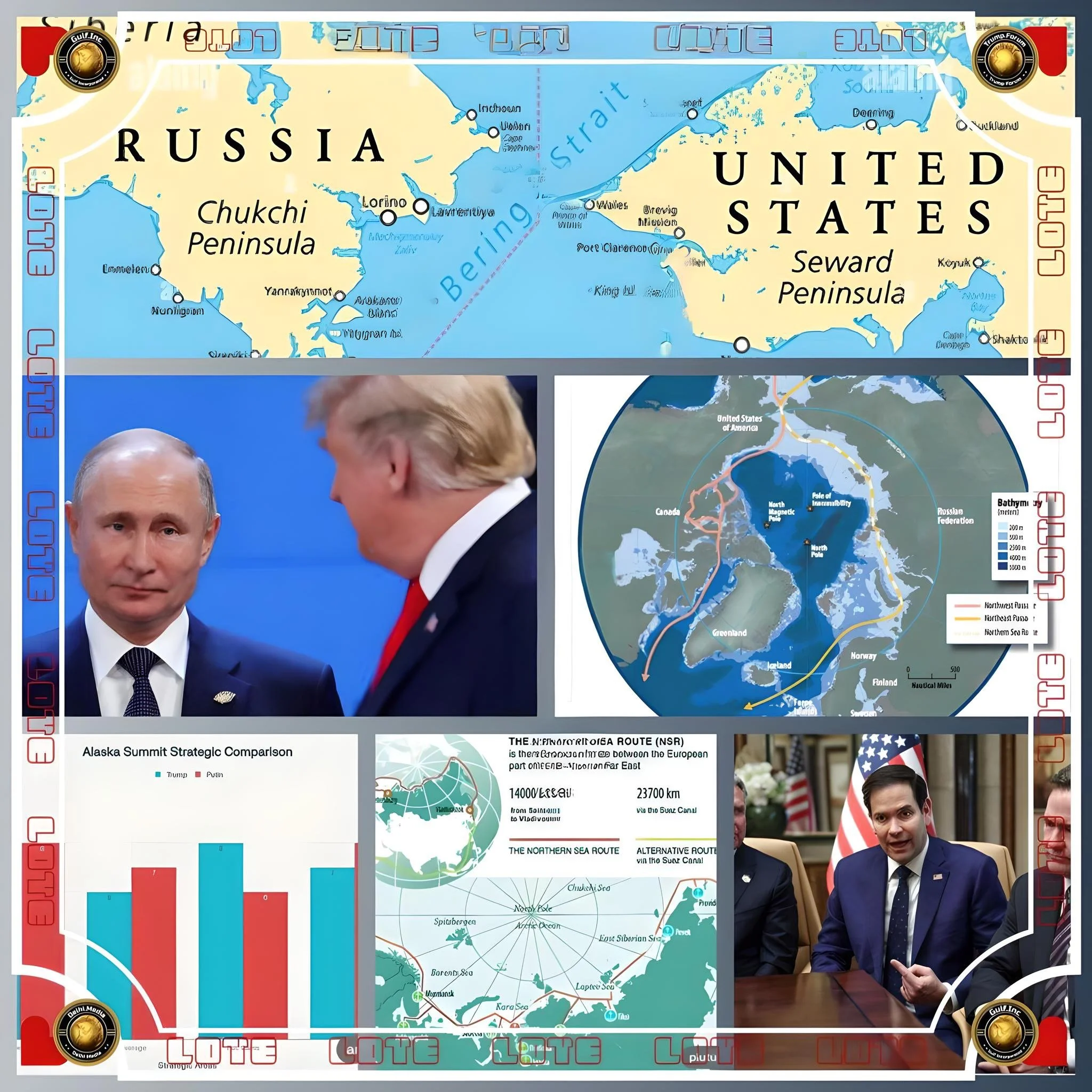
Recent diplomatic developments have involved direct communication with U.S. President Donald Trump.
Following a conversation with Trump that lasted over two hours, Putin indicated his willingness to collaborate with Ukraine on a memorandum outlining the framework of a peace agreement, including initiating a ceasefire.
The February 2025 Putin-Trump call was the first direct exchange of views between the leaders since the Russian invasion of Ukraine in February 2022.
However, Putin rejected a proposal by the United States and Ukraine for an unconditional 30-day ceasefire.
Trump has grown frustrated with Putin’s reluctance to engage in ceasefire discussions.
In April 2025, Trump criticized Putin’s determination to continue the war despite the horrific death toll, posting on social media: “Vladimir, STOP! Five thousand soldiers a week are dying. Let's get the Peace Deal DONE!”.
Trump has warned that Washington might impose additional sanctions if Moscow delays seeking a resolution.
Russia and Ukraine have continued prisoner exchanges, with the most recent involving 270 service members and 120 civilians on each side at the Ukrainian border with Belarus.
Domestic Politics and Popular Support
Putin’s domestic approval ratings remain remarkably high despite ongoing economic challenges and international isolation.
In May 2025, 86 percent of Russians approved of Putin’s activities as president, representing a nine percentage point increase from September 2022, when the figure declined following the announcement of partial mobilization.
The popularity level reflects the “rally around the flag” effect that has characterized Putin’s approval ratings during times of international conflict.
Putin’s political system has been transformed into what observers characterize as an authoritarian dictatorship with a personality cult.
Endemic corruption and widespread human rights violations, including the imprisonment and suppression of political opponents, intimidation and censorship of independent media, and a lack of free and fair elections have marked his rule.
Russia has consistently received very low scores on international governance indices, including Transparency International’s Corruption Perceptions Index, The Economist Democracy Index, Freedom House’s Freedom in the World index, and Reporters Without Borders’ Press Freedom Index.
The constitutional amendments of 2020 were approved by nearly 78 percent of Russians in a national referendum, with 47 percent believing the amendments were designed to prepare the political system for the period after 2024, allowing Putin to stay in power beyond traditional term limits.
These amendments effectively reset Putin’s previous presidential terms, potentially extending his presidency until 2036.
Health Speculation and Succession Concerns
Persistent speculation about Putin’s health has intensified amid his prolonged rule and the ongoing war in Ukraine.
Ukrainian President Volodymyr Zelensky made the bold statement that Putin “will die soon,” reflecting widespread rumors about the Russian leader’s physical condition.
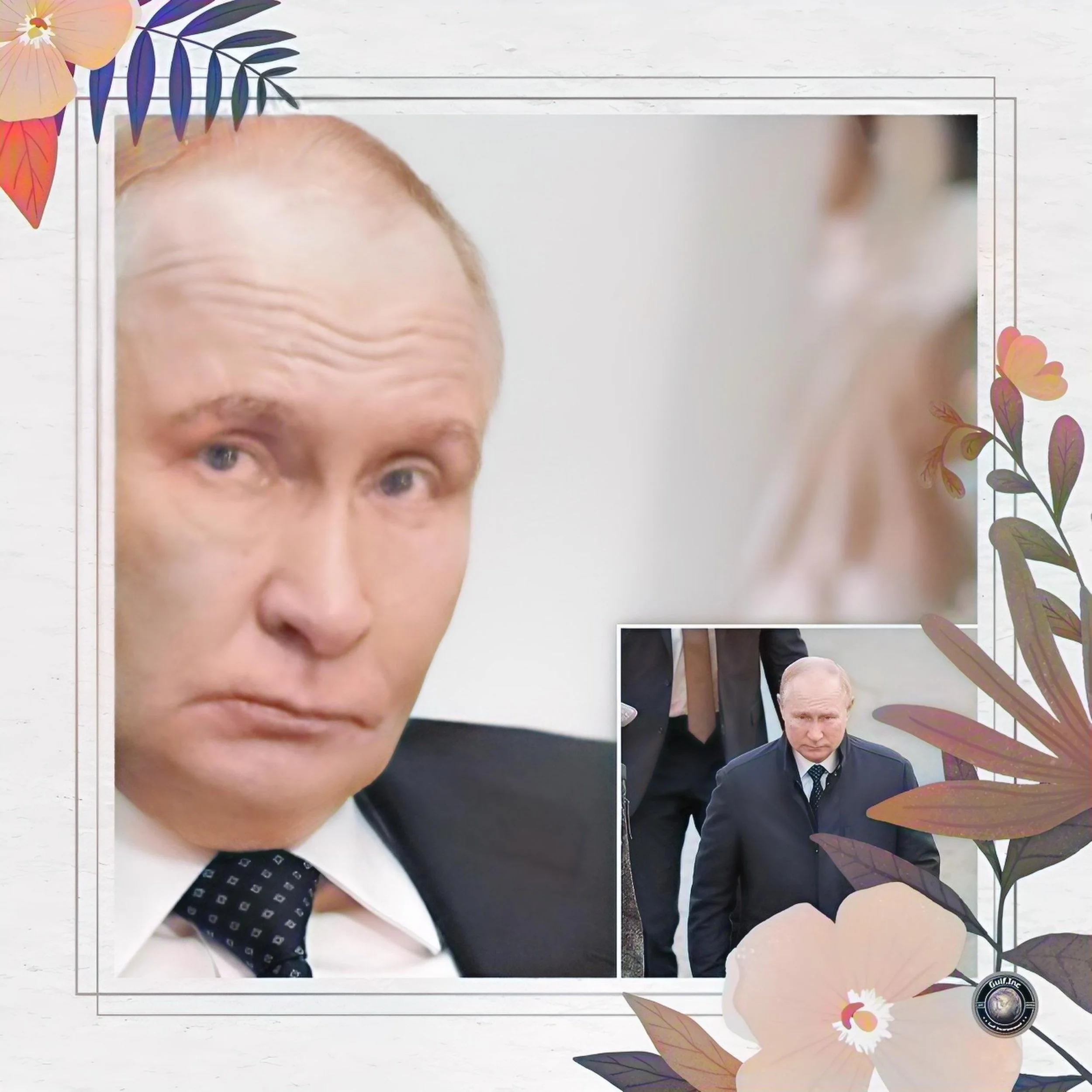
Reports suggest Putin may be struggling with serious health issues such as cancer and Parkinson’s disease, evidenced by shaking limbs, puffy features, and other physical symptoms observed during public appearances.
Various intelligence reports and media investigations have suggested Putin may be battling thyroid, prostate, and pancreatic cancer.
A leading thyroid cancer surgeon reportedly paid Putin at least 35 visits at his Black Sea resort in Sochi, according to a Proekt media investigation.
Reports also indicate that a neurosurgeon follows Putin around constantly, raising fears of neurological or oncological problems.
Some sources have connected Putin to multiple sclerosis, a chronic illness affecting the brain and spinal cord, which could explain his stiff posture, erratic gait, and mobility issues.
The Kremlin has consistently denied all reports of Putin’s poor health, with spokesperson Dmitry Peskov stating that “everything is fine with him, this is absolutely another fake rumor”.
Growing rumors suggest the Kremlin may be using Putin impersonators to hide the actual health condition, with intelligence sources and Japanese AI facial recognition analysis supporting claims that body doubles attend public events.
Despite these denials, the persistent health speculation raises questions about succession planning within the Russian power structure.
Nuclear Policy and Strategic Deterrence
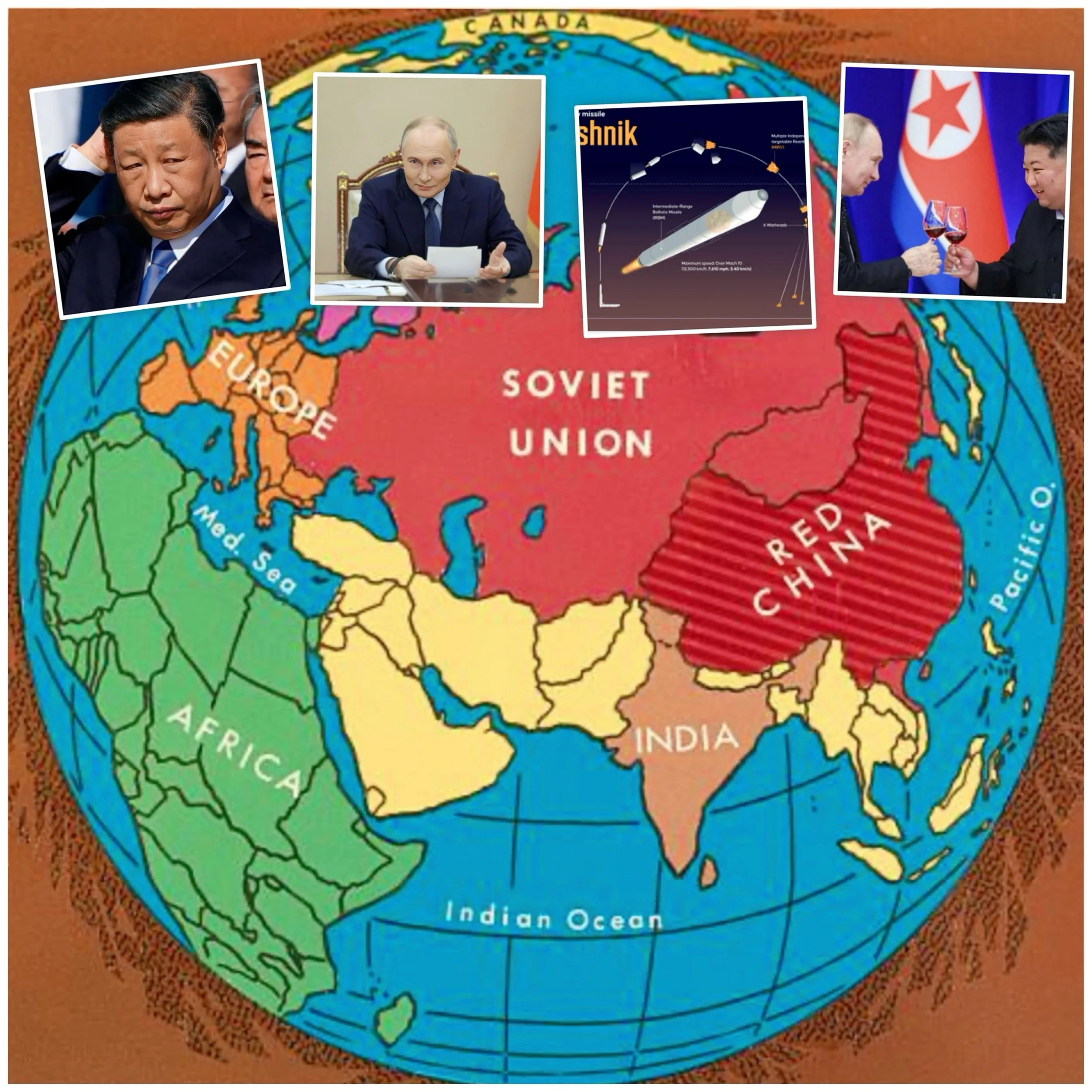
Putin has significantly escalated nuclear rhetoric and modified Russia’s nuclear doctrine as part of his broader strategic approach to the Ukraine conflict.
In September 2024, Putin warned the West that if attacked with conventional weapons, Russia would consider nuclear retaliation, representing an apparent deviation from the no first use doctrine.
Putin threatened nuclear powers that if they supported another country’s attack on Russia, they would be considered participants in such aggression.
Russia’s new nuclear doctrine, signed by Putin in November 2024, lowered the threshold for a nuclear strike in response to a broader range of conventional attacks.
The revised strategy indicates that any non-nuclear power aligned with a nuclear state, or receiving support from a nuclear state—effectively all 32 members of NATO—will be considered targets if Russia thinks it is under threat.
This modification came shortly after the Biden administration permitted Ukraine to utilize American-made weaponry for strikes within Russia.
Putin’s nuclear threats serve multiple strategic purposes, including deterring Western military support for Ukraine and maintaining domestic legitimacy through projections of strength.
Russia and the United States hold 88% of the world’s nuclear weapons, making Putin’s nuclear rhetoric particularly significant for global security.
Experts suggest Putin’s announcements are aimed at dissuading the U.S., U.K., and France from allowing Ukraine to use Western-supplied long-range missiles in strikes against Russia.
Economic Impact and Sanctions Regime
The extensive sanctions regime imposed on Russia following the Ukraine invasion has created significant economic challenges for Putin’s administration.
Since Russia’s invasion of Ukraine in February 2022, the Council of the European Union has adopted ten packages of sanctions against Russia and Belarus, aiming to weaken Russia’s ability to finance the war.
These sanctions specifically target the political, military, and economic elite responsible for the invasion while excluding areas such as food, agriculture, health, and pharmaceuticals.
Economic indicators demonstrate the impact of restrictive measures on the Russian economy.
According to the World Bank, International Monetary Fund, and Organisation for Economic Cooperation and Development, Russia’s gross domestic product dropped by 2.1% in 2022.
The sanctions have also affected Russia’s trade relationships, with both imports and exports experiencing significant fluctuations. Investment has declined, labor has become scarce, and the budget faces increasing pressure.
Despite these challenges, Putin has managed to maintain economic stability through various mechanisms, including increased defense spending and state control over key industries.
Reports indicate that the state controls as much as 70 percent of the Russian economy, allowing for centralized management of economic resources during the conflict.
However, oligarchs have noted that “there will be no money next year,” suggesting deepening financial constraints.
Conclusion
Vladimir Vladimirovich Putin’s fifth presidential term represents a critical juncture in Russian history, characterized by unprecedented electoral margins achieved through systematic repression, ongoing military engagement in Ukraine, and increasing international isolation.
His administration faces multiple challenges including mounting casualties in Ukraine, persistent health speculation, nuclear brinksmanship, and economic pressures from extensive sanctions.
Despite these obstacles, Putin maintains high domestic approval ratings and has consolidated authoritarian control over Russian political institutions.
The trajectory of Putin’s fifth term will likely be determined by the resolution of the Ukraine conflict, the sustainability of Russia’s war economy, and the broader geopolitical competition with Western nations.
His constitutional amendments potentially allow him to remain in power until 2036, but health concerns and succession planning may become increasingly important factors.
The international community continues to grapple with Putin’s challenge to the post-Cold War order, while domestic Russian society adapts to increasing authoritarianism and international isolation.
As Putin enters his 73rd year, questions about Russia’s future direction and leadership transition remain paramount concerns for both domestic and international observers.