G7 Summit in Canada 2025: Comprehensive Overview
Summit Details and Timing
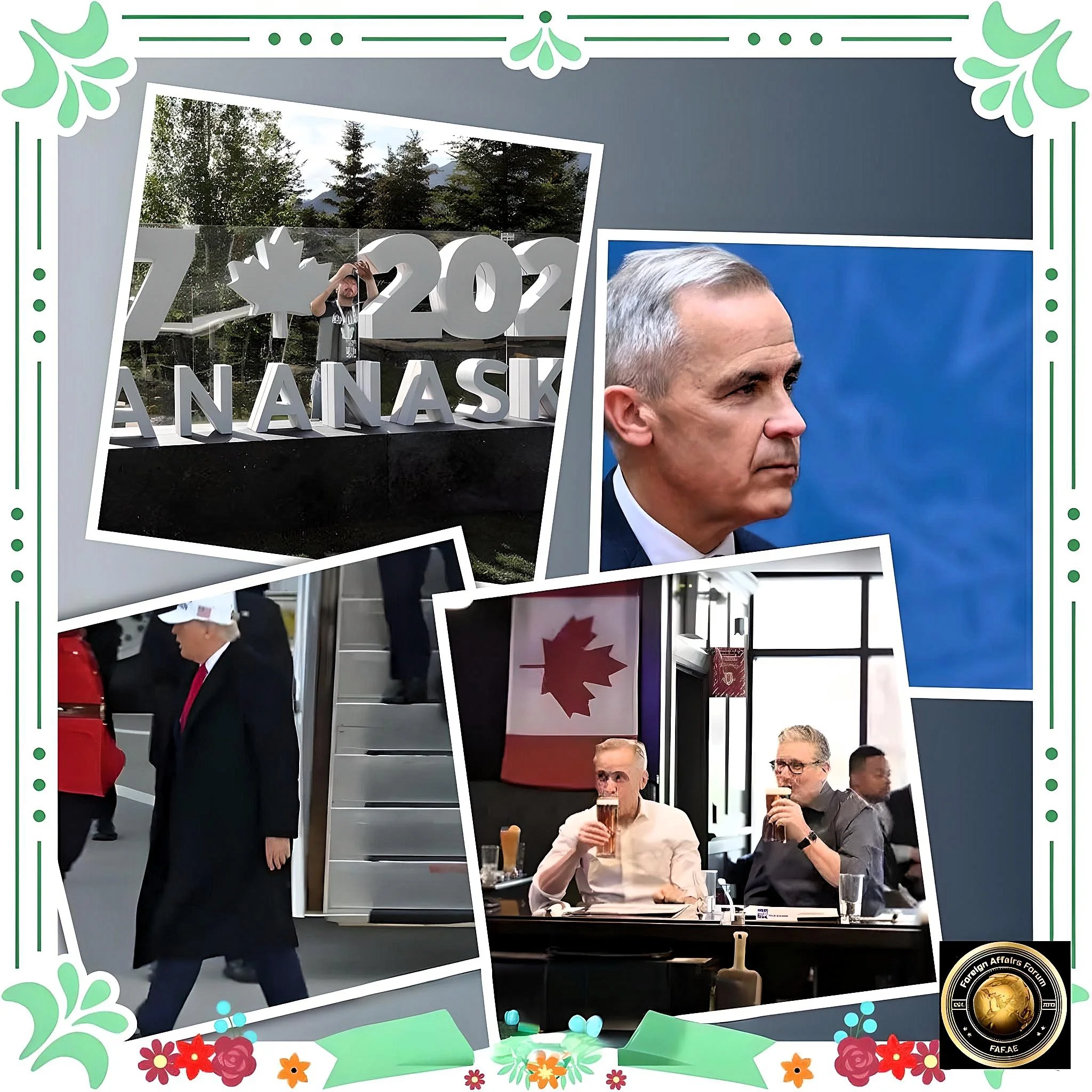
The 51st G7 summit will be held in Kananaskis, Alberta, Canada, from June 15 to 17, 2025.
This marks a significant milestone, as it celebrates the 50th anniversary of the first G7 meeting, which took place in 1975 in France.
Canada assumed the presidency of the G7 for the seventh time on January 1, 2025, making this their second time hosting the summit in Kananaskis since the G8 summit in 2002.
Location and Venue
The summit is being held in the secluded town of Kananaskis, Alberta, located at the foothills of the Canadian Rockies.
This picturesque mountain location provides a secure and intimate setting for high-level diplomatic discussions.
The area is under heavy security arrangements, with the Royal Canadian Mounted Police’s Integrated Safety and Security Group (ISSG) establishing a controlled access zone from June 10 to 18.
US Participation Confirmed
Yes, the United States is fully participating in the G7 summit.
President Donald Trump is attending the summit, marking his first G7 meeting since the 45th G7 summit in 2019.
Trump arrived in Canada on Sunday evening and will participate in all scheduled discussions.
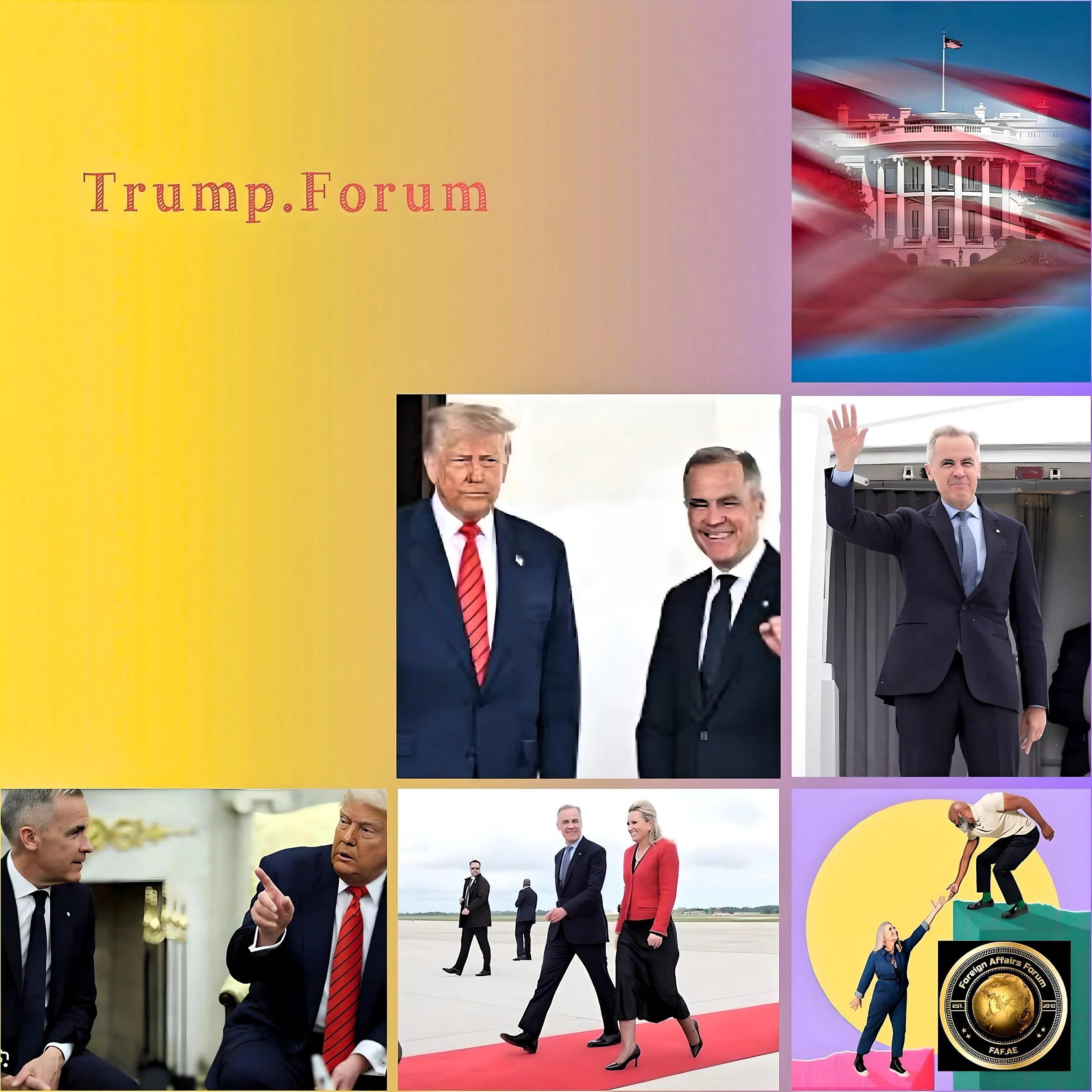
This summit represents the first face-to-face meeting between Trump and Canadian Prime Minister Mark Carney since their May White House meeting.
Core G7 Members and Leadership
The summit brings together leaders from all seven G7 member nations:
Canada (Host): Prime Minister Mark Carney
United States: President Donald Trump
United Kingdom: Prime Minister Keir Starmer
France: President Emmanuel Macron
Germany: Chancellor Friedrich Merz
Italy: Prime Minister Giorgia Meloni
Japan: Prime Minister Shigeru Ishiba
European Union: Council President António Costa and Commission President Ursula von der Leyen
Key Summit Priorities and Agenda
Canada’s Three Main Priorities
Prime Minister Carney has outlined three focal points for Canada’s G7 presidency:
Protecting communities and the world - including countering foreign interference and improving wildfire response capabilities
Building energy security and accelerating the digital transition - focusing on critical mineral supply chains and artificial intelligence advancement
Securing partnerships of the future - opening new markets and generating infrastructure investments
Major Discussion Topics
The summit agenda includes several critical global issues:
Middle East Crisis
The escalating Israel-Iran conflict has become a dominant topic, particularly following Israel’s extensive military strikes on Iranian facilities on Friday
Ukraine War
Continued support for Ukraine with President Volodymyr Zelenskyy attending as a guest
Global Economic Stability
Addressing trade tensions and Trump’s tariff policies affecting G7 partners
Energy Security
Discussions on reducing energy dependence and strengthening supply chains
Artificial Intelligence
Exploring opportunities and risks in the rapidly evolving AI landscape
Trade Tensions and US Relations
A significant backdrop to the summit is the ongoing trade dispute initiated by President Trump’s tariff policies.
Trump imposed aggressive trade tariffs on allies earlier this year, which were temporarily halted for all nations except China.
The summit provides an opportunity for bilateral negotiations, with several countries hoping to secure individual trade deals to avoid increased tariffs beyond the July 9 deadline.
The relationship between Trump and Canada remains particularly tense, especially after Trump suggested that Canada should become the 51st state of the United States.
Prime Minister Carney firmly rejected this suggestion in May, stating that Canada was “not for sale… ever.”
Invited Guests and Broader Participation
Beyond the core G7 members, Canada has invited several non-G7 leaders to participate in specific sessions:
Ukraine: President Volodymyr Zelenskyy
India: Prime Minister Narendra Modi
Brazil: President Luiz Inácio Lula da Silva
Mexico: President Claudia Sheinbaum
Australia: Prime Minister Anthony Albanese
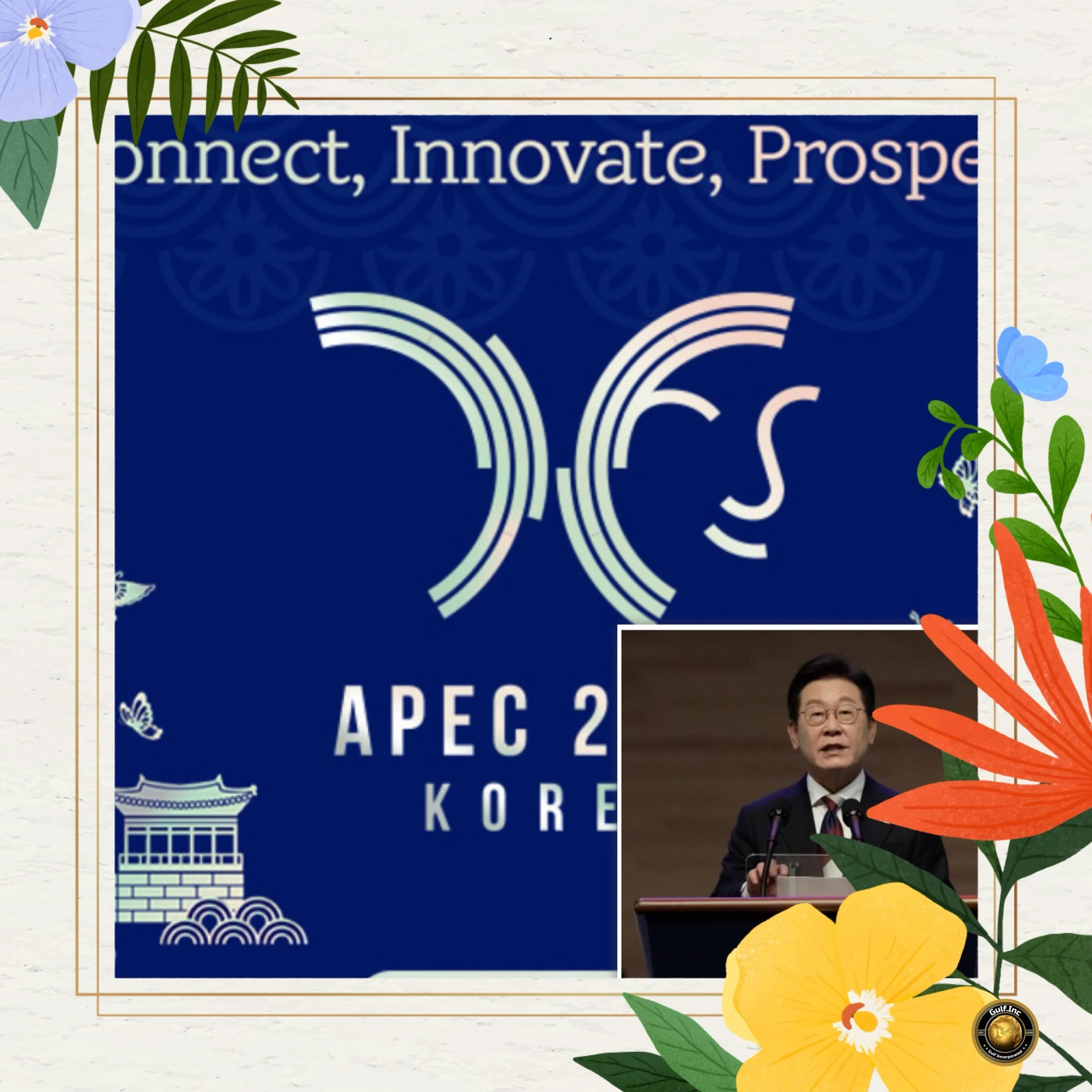
South Korea: President Lee Jae-Myung
South Africa: President Cyril Ramaphosa
International organizations, including NATO Secretary-General Mark Rutte, UN Secretary-General António Guterres, and World Bank President Ajay Banga, are also represented.
Security Measures and Logistics
The summit operates under extensive security arrangements coordinated by the RCMP.
A controlled access zone has been established around Kananaskis, and Highway 40 will be closed from June 10 to 18.
Three designated protest zones have been set up in Calgary and Banff, far removed from the summit venue. The Royal Canadian Air Force conducts low-level helicopter patrols throughout the event.
Expected Outcomes and Challenges
The summit faces several significant challenges that may impact its outcomes:
Potential Tensions
Trump Factor
The presence of President Trump, who walked out of the 2018 G7 summit in Canada, creates uncertainty about unity and consensus-building
Iran Crisis
The unexpected escalation of the Israel-Iran conflict has forced a revision of the original agenda
Trade Disputes
Ongoing tariff issues may overshadow other cooperative initiatives
Opportunities for Progress
Bilateral Agreements
The summit provides a platform for individual countries to negotiate separate deals with the US, potentially
Global Leadership
As the 50th anniversary summit, there’s symbolic importance in demonstrating continued G7 relevance
Crisis Response
The gathering allows for coordinated responses to multiple global crises
Historical Context
This summit marks exactly 50 years since the first G7 meeting in 1975.
It was initially called the G6 before Canada joined the following year.
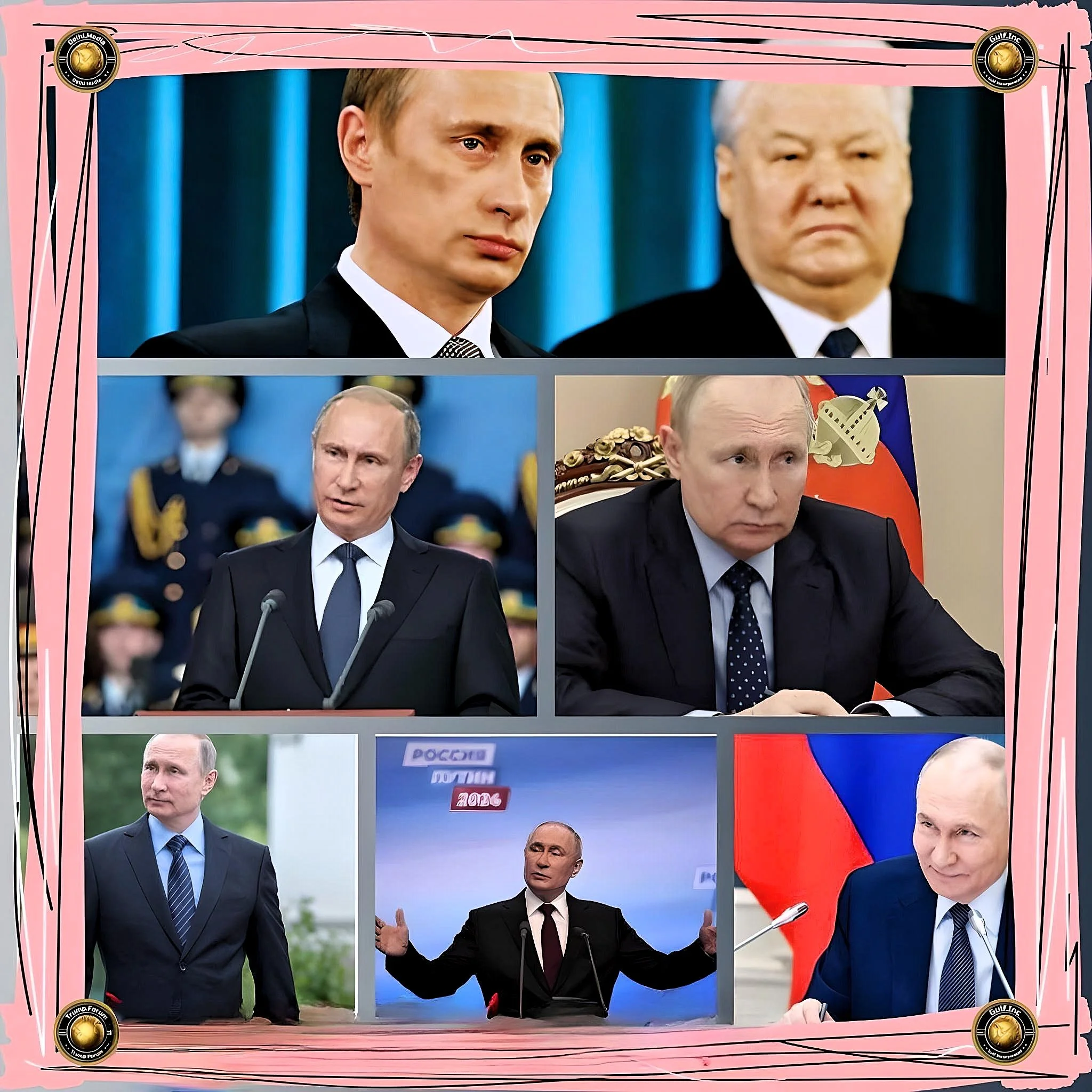
The group expanded to include Russia in 1998, becoming the G8, but Russia was effectively removed in 2014 following its annexation of Crimea.
FAF, analyzes the current format represents the world’s advanced democracies working together on global economic stability, international peace and security, and transnational challenges.
The timing of this anniversary summit, combined with the complex global situation involving multiple conflicts and economic uncertainties, makes it a particularly significant gathering for assessing the continued relevance and effectiveness of the G7 as a forum for international cooperation.