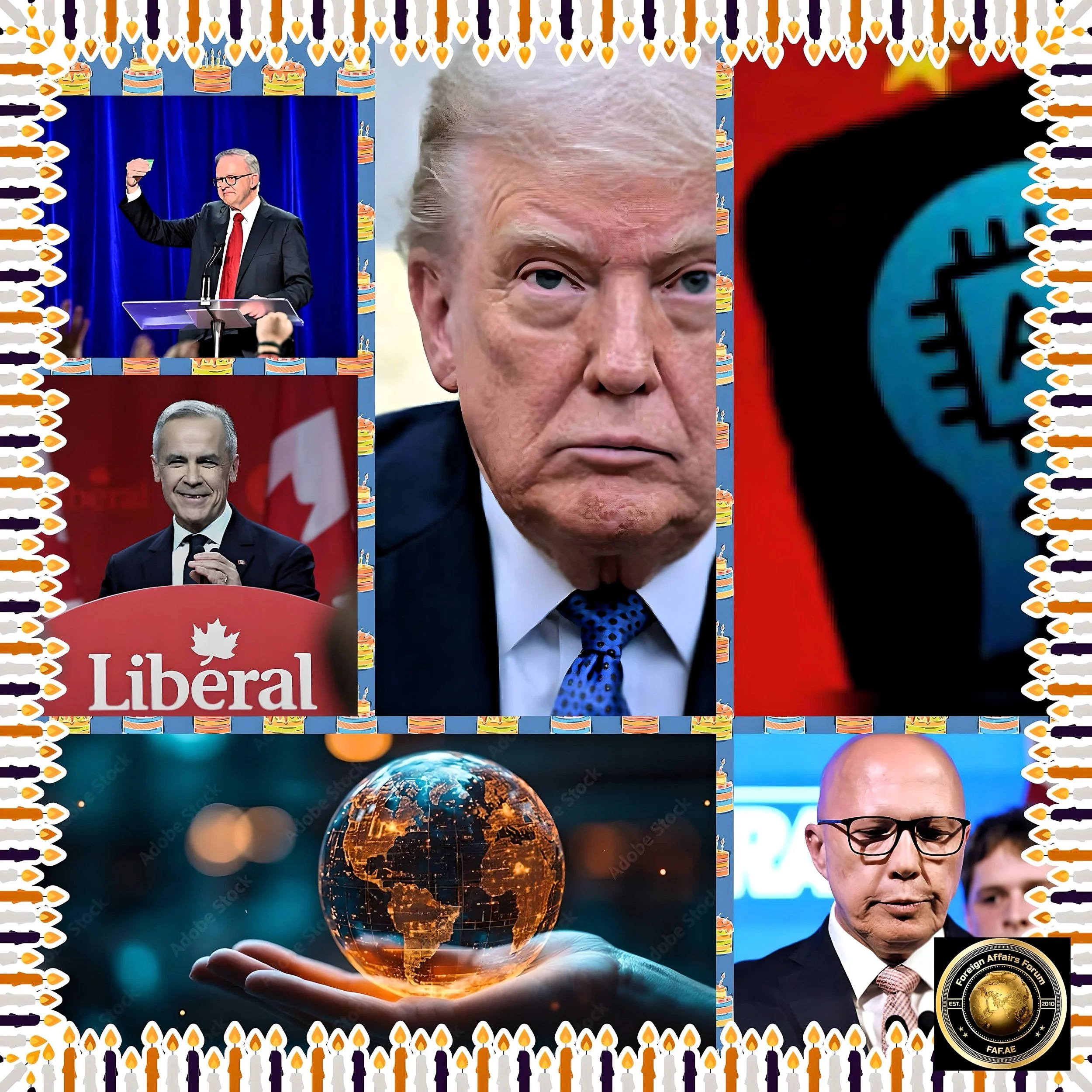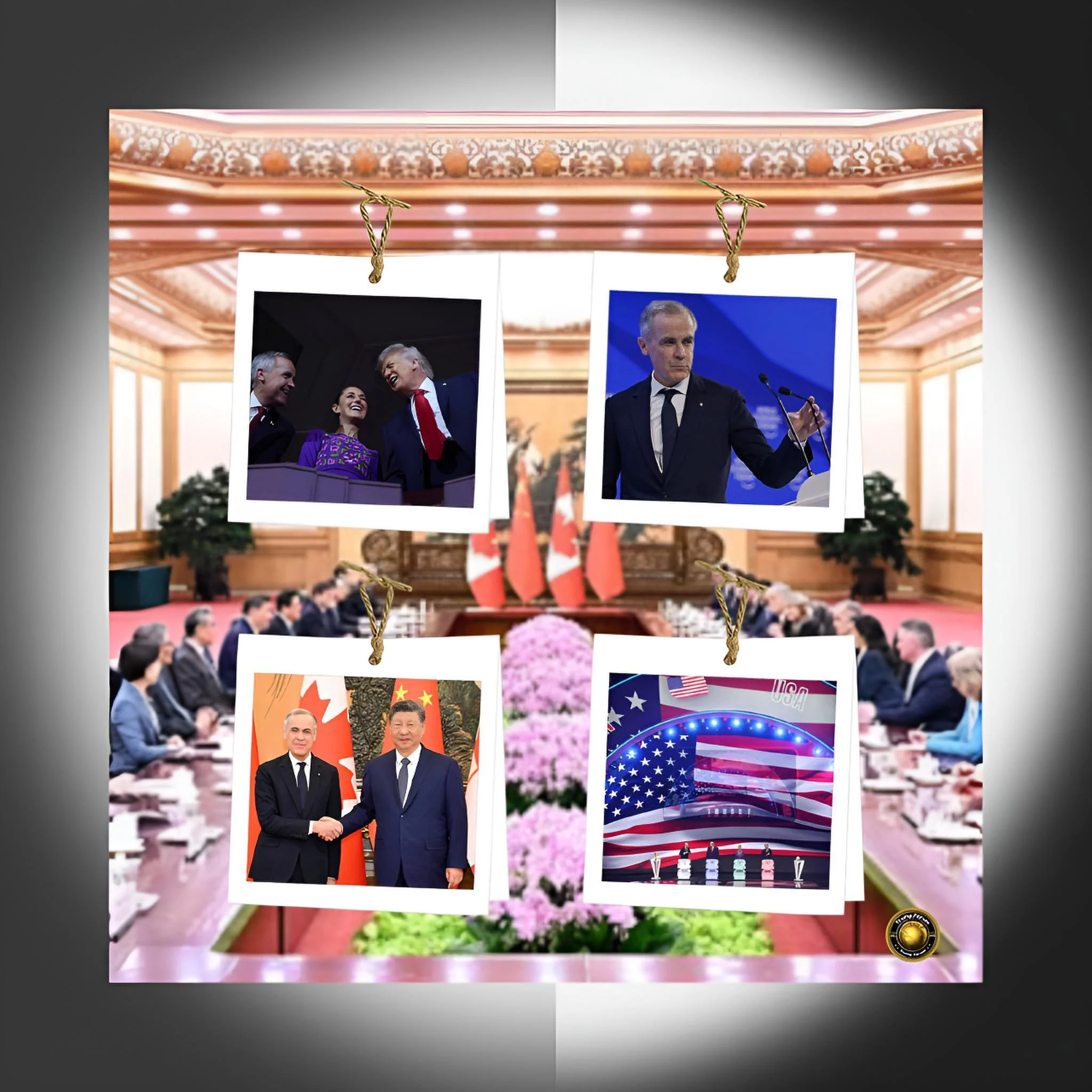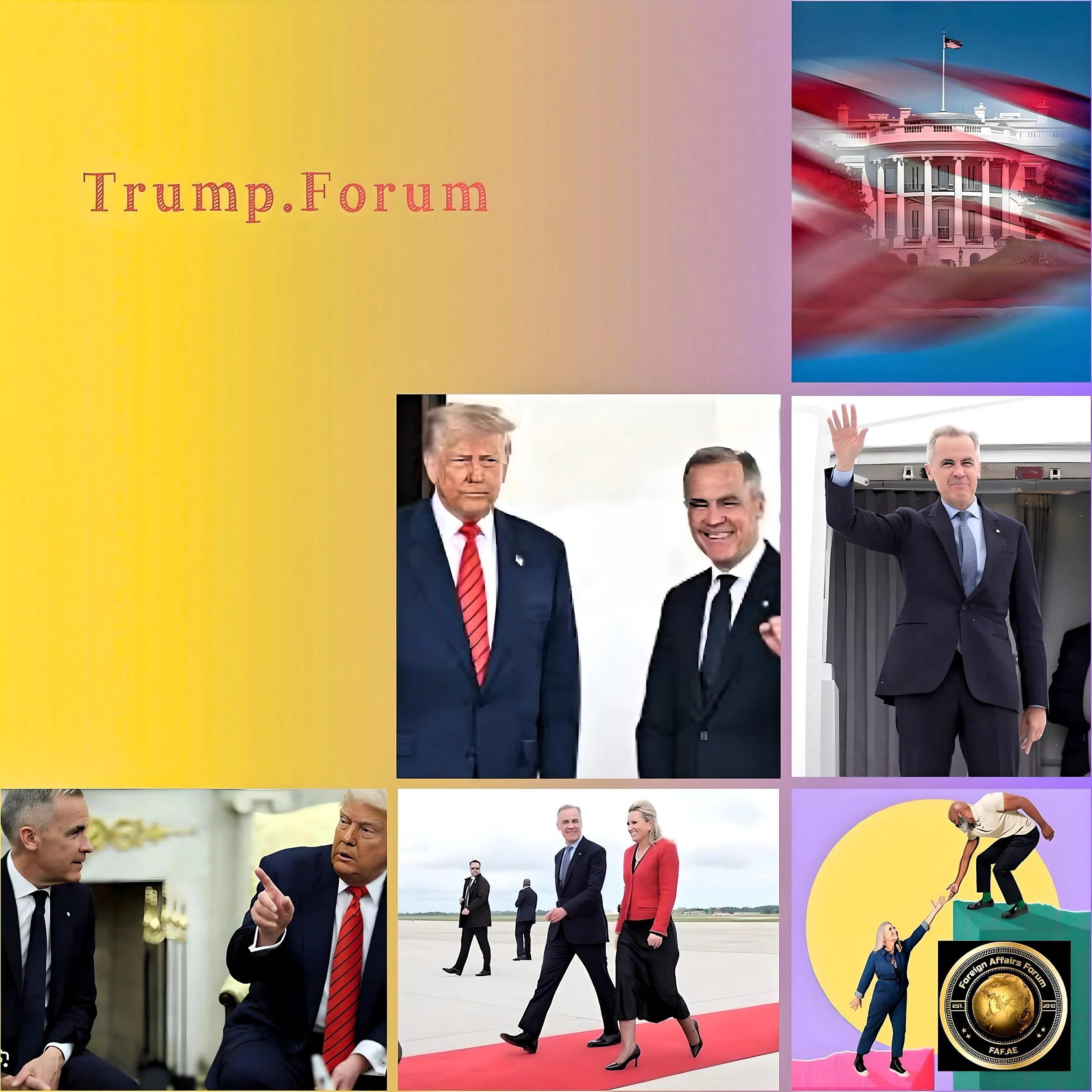
Canada is firmly off the market, akin to the White House and Buckingham Palace – a decisive statement made by Mike Carney during the Trump White House meeting
Introduction
Canadian Prime Minister Mark Carney firmly rebuffed US President Donald Trump’s suggestions about Canada becoming America’s 51st state during their first face-to-face meeting at the White House on May 6, 2025.
The meeting occurred amid escalating trade tensions between the two countries.
Both leaders discussed tariffs that have disrupted decades of close economic relations.
Trump’s ‘51st State’ Comments and Carney’s Response
During the Oval Office meeting, Trump suggested that Canada joining the United States would be “a wonderful marriage,” continuing his pattern of proposing Canadian annexation.
When Carney firmly rejected the suggestion, Trump responded with “Never say never, never say never,” maintaining his position that such a union would be beneficial.
Carney was unambiguous in his rejection, stating, “It’s not for sale, and it won’t be for sale—ever.”
The Canadian Prime Minister instead emphasized that “the opportunity is in the partnership and what we can build together,” attempting to redirect the conversation toward cooperative relations rather than annexation.
Trump has repeatedly framed joining the US as advantageous for Canadians, claiming it would represent “a massive tax cut” for Canadian citizens.
In previous statements on social media, Trump suggested that Canadian annexation would allow Canadians to “halve your taxes, enhance your military capabilities at no cost, and expand your industries dramatically, all without tariffs or taxes.”
Context of the High-Stakes Meeting
Carney’s visit to the White House came just over a week after he won Canada’s April 28 election on a platform that prominently featured standing up to Trump.
The election was significantly influenced by Trump’s tariffs and repeated suggestions about annexing Canada, which sparked widespread outrage among Canadian voters.
Before the meeting, Trump set a confrontational tone by posting on his social media platform, Truth Social, that the United States doesn’t need “ANYTHING” from Canada, specifically mentioning cars, energy, and lumber.
He claimed America is “subsidizing Canada by 200 Billion Dollars a year” while providing “FREE Military Protection.”
Despite this hostile rhetoric, Carney had stated before the meeting that he expected the talks to be “difficult but constructive.”
According to a senior Canadian government official, Carney’s private lunch with Trump following the Oval Office meeting was indeed “constructive,” though the details of their discussions weren’t fully disclosed.
Mike Carney statements to Trump at White house
During his first White House visit as Canadian Prime Minister, Mark Carney delivered a clear and memorable rebuke to President Donald Trump’s repeated suggestions that Canada could become the 51st state of the United States.
Carney’s remarks, crafted to resonate with Trump’s background in real estate, drew a direct analogy between Canada and iconic, untouchable properties:
“As you know from real estate, there are some places that are never for sale. We’re sitting in one right now. Buckingham Palace, which you visited, as well.
And having met with the owners of Canada over the course of the campaign the last several months, it’s not for sale, it won’t be for sale, ever. But the opportunity is in the partnership and what we can build together.”
Carney’s statement, delivered in the Oval Office, was a pointed response to Trump’s musings about a “wonderful marriage” that would integrate Canada into the US.
By referencing the White House and Buckingham Palace-symbols of national identity and sovereignty-Carney underscored that some places are simply not for sale, drawing a firm line on Canadian independence.
Trump, undeterred, responded with his signature phrase, “Never say never,” but Carney remained resolute, even mouthing “never” repeatedly as reporters looked on.
Privately, Carney also asked Trump to stop referring to Canada as the 51st state, emphasizing to reporters afterward that there is “a difference between wish and reality”.
Carney’s remarks were widely seen as a deft and assertive defense of Canadian sovereignty, delivered with diplomatic poise but unmistakable clarity.
The Ongoing US-Canada Trade War
The meeting took place against the backdrop of a significant trade war between the neighboring countries that began on February 1, 2025, when Trump signed executive orders imposing tariffs on goods from Canada and Mexico.
The conflict has disrupted decades of close trade relations between the North American allies.
Current Tariff Situation
The trade war has escalated through multiple rounds of tariffs:
In March 2025, the US imposed 25% tariffs on most Canadian goods, with 10% tariffs on energy and potash exports.
Canada retaliated with 25% tariffs on approximately C$30 billion (around $22 billion) worth of US imports, plus another 25% on C$29.8 billion (roughly $22 billion) due to Trump’s metal tariffs.
On April 9, 2025, Canada implemented 25% tariffs on US-produced vehicles.
These Canadian auto tariffs were explicitly designed to differ from Trump’s by considering the United States-Mexico-Canada Agreement (USMCA).
Economic Impact
The tariff conflict has had significant economic consequences for both nations.
Canada constitutes 14% of all US trade and is the leading destination for US exports, which are projected to reach $349.4 billion in 2024.
Conversely, the United States remains Canada’s top export market, absorbing over three-quarters of its exports.
In March 2025, the trade war led to a significant 6.6% decrease in Canadian exports to the US.
However, Canada has partially compensated by increasing overseas shipments by 24.8%, particularly to the United Kingdom, Netherlands, and Germany.
Post-Meeting Outcomes
Following the May 6 meeting, Carney confirmed to reporters that no decisions had been made regarding the tariffs.
During the discussions, Carney told Trump that the tariffs “did not make sense” and were “not in the interests of American competitiveness and jobs.”
When Trump was asked if Carney could say anything to persuade him to lift the tariffs, he bluntly replied, “No.”
This suggests that despite their private lunch's “constructive” nature, significant hurdles remain in resolving the trade dispute.
Conclusion
The first meeting between Canadian Prime Minister Mark Carney and US President Donald Trump highlighted the tense relationship between the neighboring countries.
While Carney firmly rejected Trump’s suggestion of Canada becoming the 51st US state, the broader issues of tariffs and trade tensions remain unresolved.
Despite the challenging start, both leaders appear to be maintaining diplomatic channels. Carney emphasizes partnership over annexation, and officials describe portions of their talks as “constructive.”
How the relationship develops in the coming months will be crucial for both economies and the future of North American trade relations.