Iranian Nuclear Peace Talks: Current Status and Diplomatic Positions
Introduction
Current State of Nuclear Negotiations
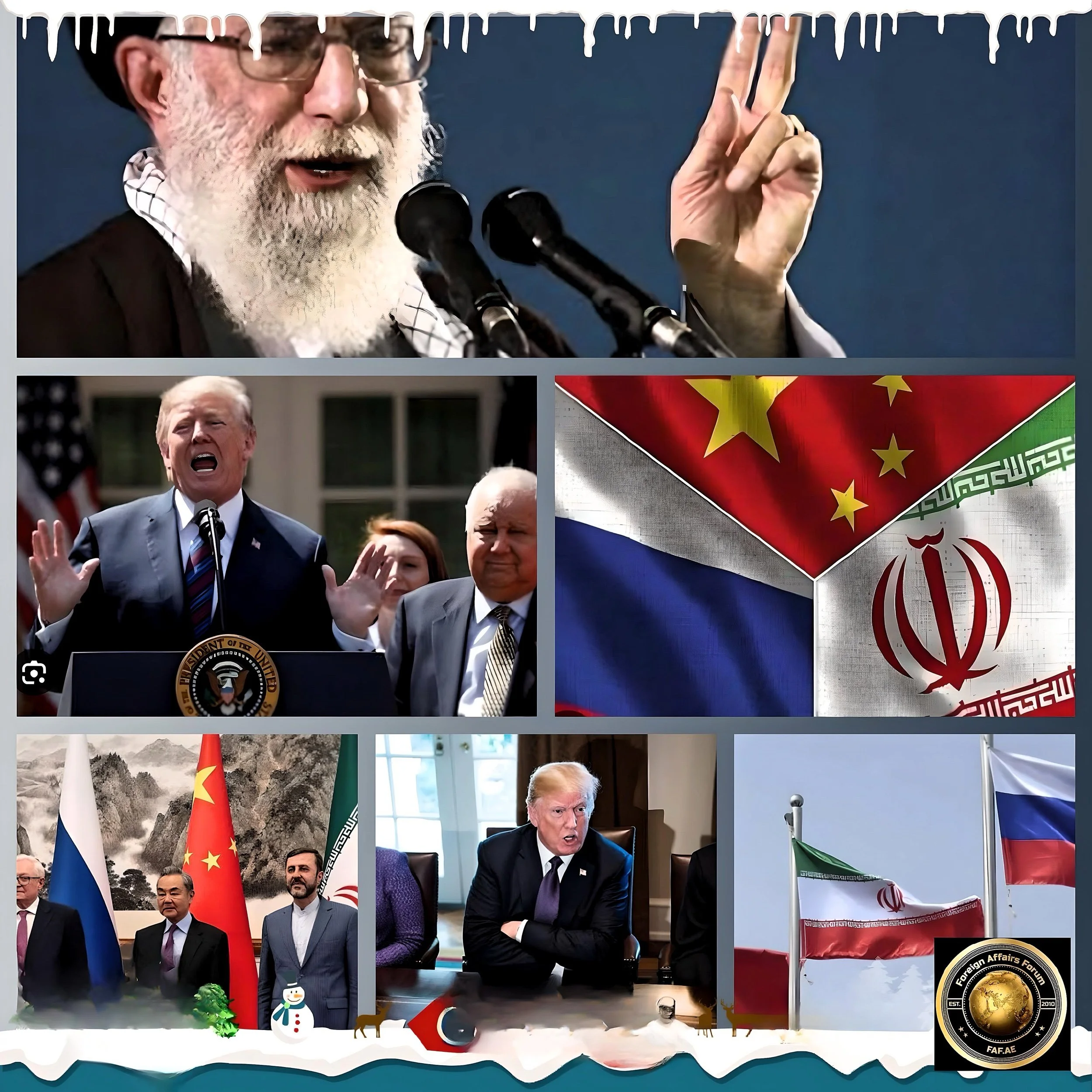
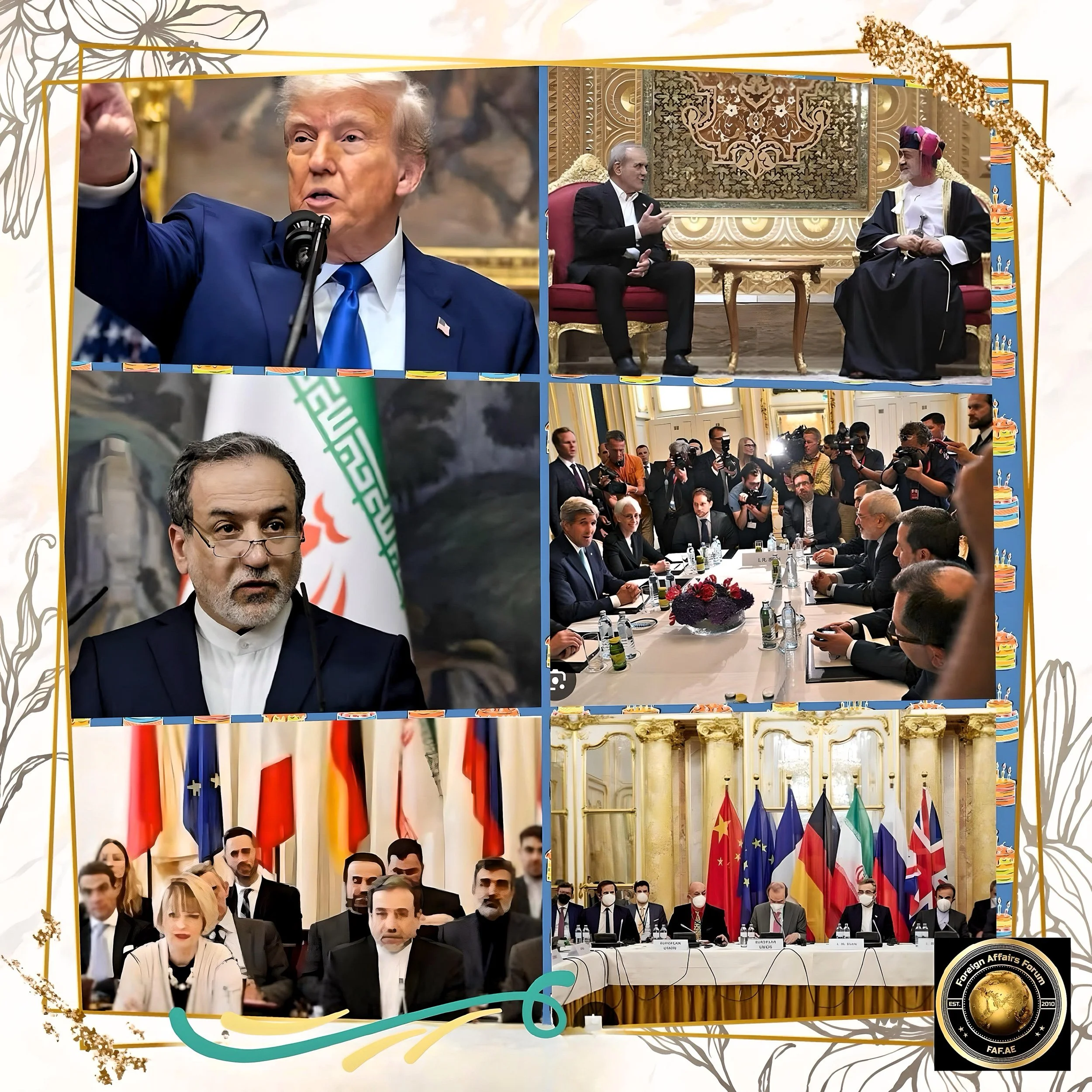
The United States and Iran have been engaged in nuclear negotiations since April 2025, with talks mediated through Oman to reach a comprehensive nuclear agreement.
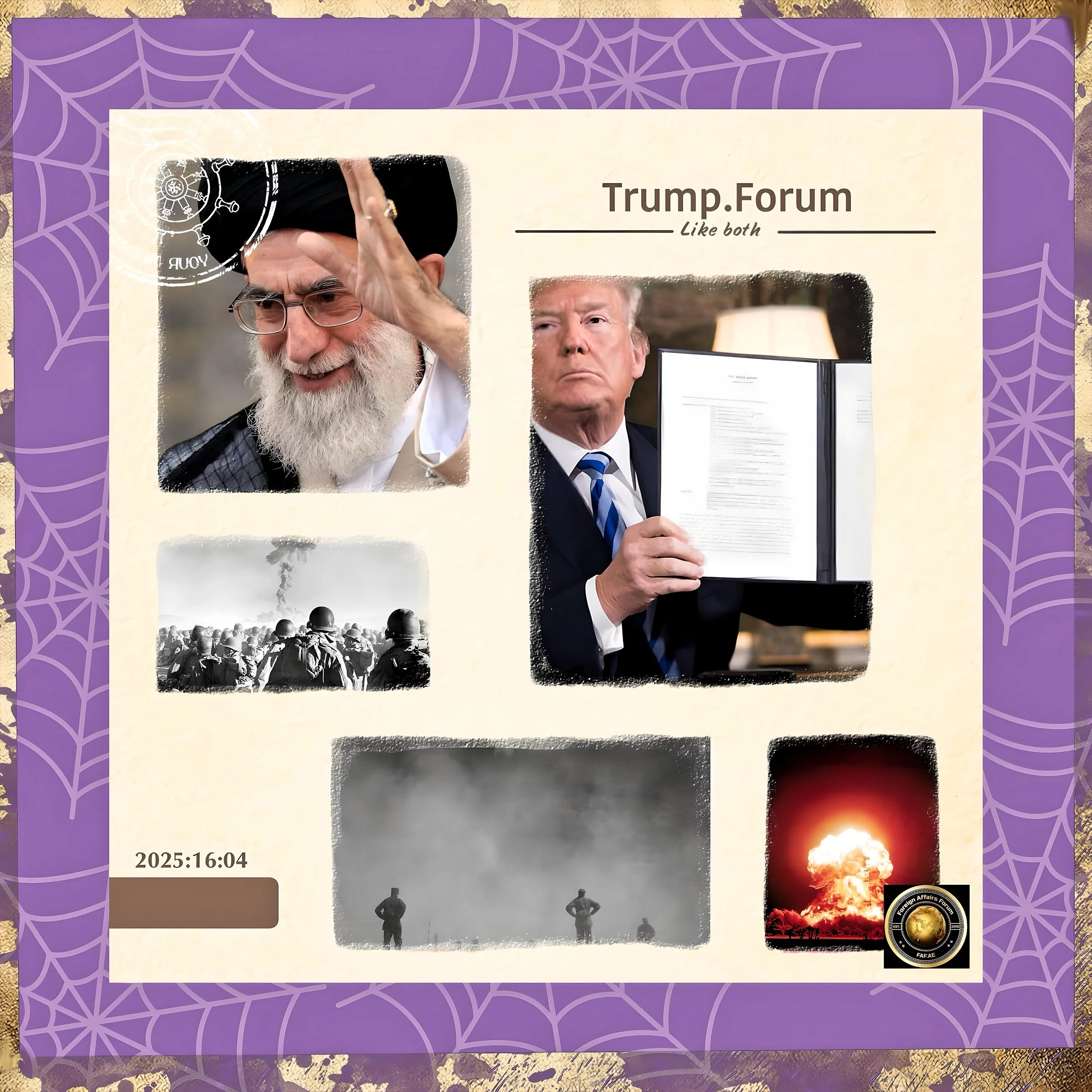
These discussions represent the sixth round of negotiations following Trump’s reinstatement of maximum-pressure sanctions after withdrawing from the 2015 nuclear deal during his first presidency.
FAF, Gulf.Inc. analyzes that the talks have reached a critical juncture, with Iran preparing to present a counter-proposal to the United States after rejecting the most recent American offer.
Iranian officials described the U.S. proposal as containing “ambiguities” and lacking crucial elements in previous negotiation rounds, particularly regarding sanctions relief.
Positions of Key Players
United States Position
The Trump administration has taken a hardline stance demanding that Iran halt entirely all uranium enrichment activities on its soil.
President Trump has characterized this as a “red line” and has stated that the U.S. “will not allow Iran to have a nuclear weapon.”
The U.S. proposal includes an interim arrangement that would initially permit Iran to continue low-level uranium enrichment while working toward a broader agreement that would eventually require cessation of all domestic enrichment.
In exchange, the United States has offered to support the construction of nuclear power plants in Iran and engage in discussions about regional enrichment facilities overseen by multiple countries.
However, Trump has expressed growing skepticism about reaching a deal, stating he is “getting more and less confident” about the negotiations and suggesting that “something happened” to Iran’s negotiating position.
Iranian Position
Iran has consistently maintained that uranium enrichment is a “nonnegotiable” right and has rejected the U.S. demand for a complete cessation of enrichment activities.
Tehran’s position can be summarized as “Zero nuclear weapons = we Do have a deal. Zero enrichment = we do NOT have a deal”.
Iranian officials are demanding explicit guarantees regarding sanctions relief, specifically seeking details on “how and through what mechanism” sanctions would be removed.
Iran has accumulated significant stockpiles of highly enriched uranium, with recent IAEA reports indicating record amounts of military-grade enriched uranium.
Iran’s Defense Minister has issued stark warnings, stating that if a conflict arises, “all U.S. bases are within our reach” and threatening to target American installations throughout the region.
Israeli Position
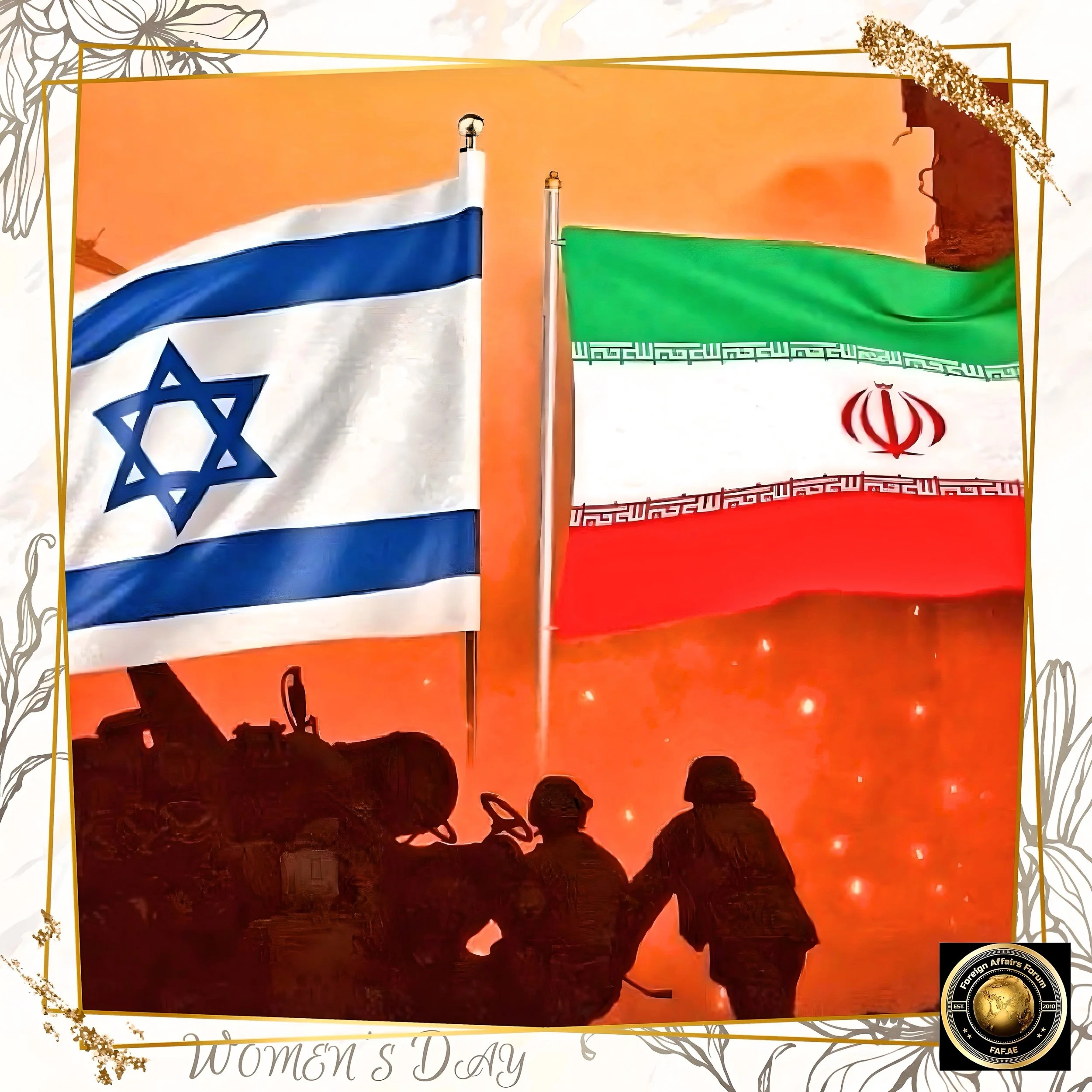
Israel has maintained strong opposition to any nuclear deal with Iran, with Prime Minister Netanyahu arguing that only a complete dismantling of Iran’s nuclear infrastructure would be acceptable. Netanyahu has drawn parallels to Libya’s 2003 agreement to abandon its nuclear, chemical, biological, and missile programs.
Intelligence reports suggest Israel is actively preparing for potential military strikes against Iranian nuclear facilities.
U.S. officials have been informed that Israel is “fully ready to launch an operation into Iran,” with preparations including movement of air munitions and completion of military exercises.
Israeli officials believe that only “a credible military threat” can compel Iran to agree to complete uranium enrichment cessation.
However, Trump has reportedly told Netanyahu that military action against Iran “must be taken off the table for now” while diplomatic negotiations continue.
U.S. Diplomatic Evacuation from Middle East
The United States has initiated significant diplomatic evacuations across the Middle East due to escalating tensions.
The State Department has ordered the departure of all non-essential personnel from the U.S. Embassy in Baghdad and authorized voluntary departures from Bahrain and Kuwait.
Defense Secretary Pete Hegseth has approved the voluntary departure of military dependents from locations across the Middle East, with the Pentagon standing ready to assist with potential evacuations.
This decision comes amid Iranian threats to strike U.S. bases in the region if negotiations fail.
President Trump acknowledged the evacuations, stating personnel is “being moved out because it could be a dangerous place, and we’ll see what happens.”
Predictions for Peace Talk Outcomes
Expert Analysis
Analysts present mixed assessments of the negotiations’ prospects.
The Carnegie Endowment notes that “an agreement is reached when all sides believe they have won,” suggesting that complementary positions and clear strategic objectives could make a deal achievable.
However, significant obstacles remain
The fundamental disagreement over uranium enrichment rights represents the core sticking point, with Iran refusing to accept complete cessation while the U.S. maintains this as a non-negotiable demand.
Potential Scenarios
Interim Agreement Possibility
Some experts suggest that an interim framework agreement could be reached, allowing both sides to continue negotiations while implementing limited confidence-building measures.
This approach would provide time for more detailed negotiations on contentious issues.
Negotiation Breakdown
Growing pessimism from Trump and Iran’s rejection of recent U.S. proposals suggests an increasing likelihood of negotiation failure. Iranian officials have described the current U.S. offer as a “non-starter” that fails to address Tehran’s core interests.
Military Escalation Risk
The combination of Israeli preparations for potential strikes, Iranian threats against U.S. bases, and ongoing diplomatic evacuations indicates a heightened risk of military confrontation.
The window for diplomatic resolution appears to be narrowing as both sides harden their positions.
Timeline Pressures
Several time-sensitive factors add urgency to the negotiations. Trump’s special envoy has aimed to finalize a deal within 60 days, a deadline that expires on June 12, 2025.
The Joint Comprehensive Plan of Action snapback mechanism expires in October 2025, potentially incentivizing Iran to prolong negotiations.
Conclusion
The current Iranian nuclear negotiations face significant challenges with fundamental disagreements over uranium enrichment rights, sanctions relief mechanisms, and verification procedures.
While both sides prefer diplomatic solutions, the positions remain far apart on core issues.
The recent U.S. diplomatic evacuations and Israeli military preparations suggest that the window for peaceful resolution may be closing, with an increasing risk of military confrontation if negotiations fail to produce breakthrough progress in the coming weeks.