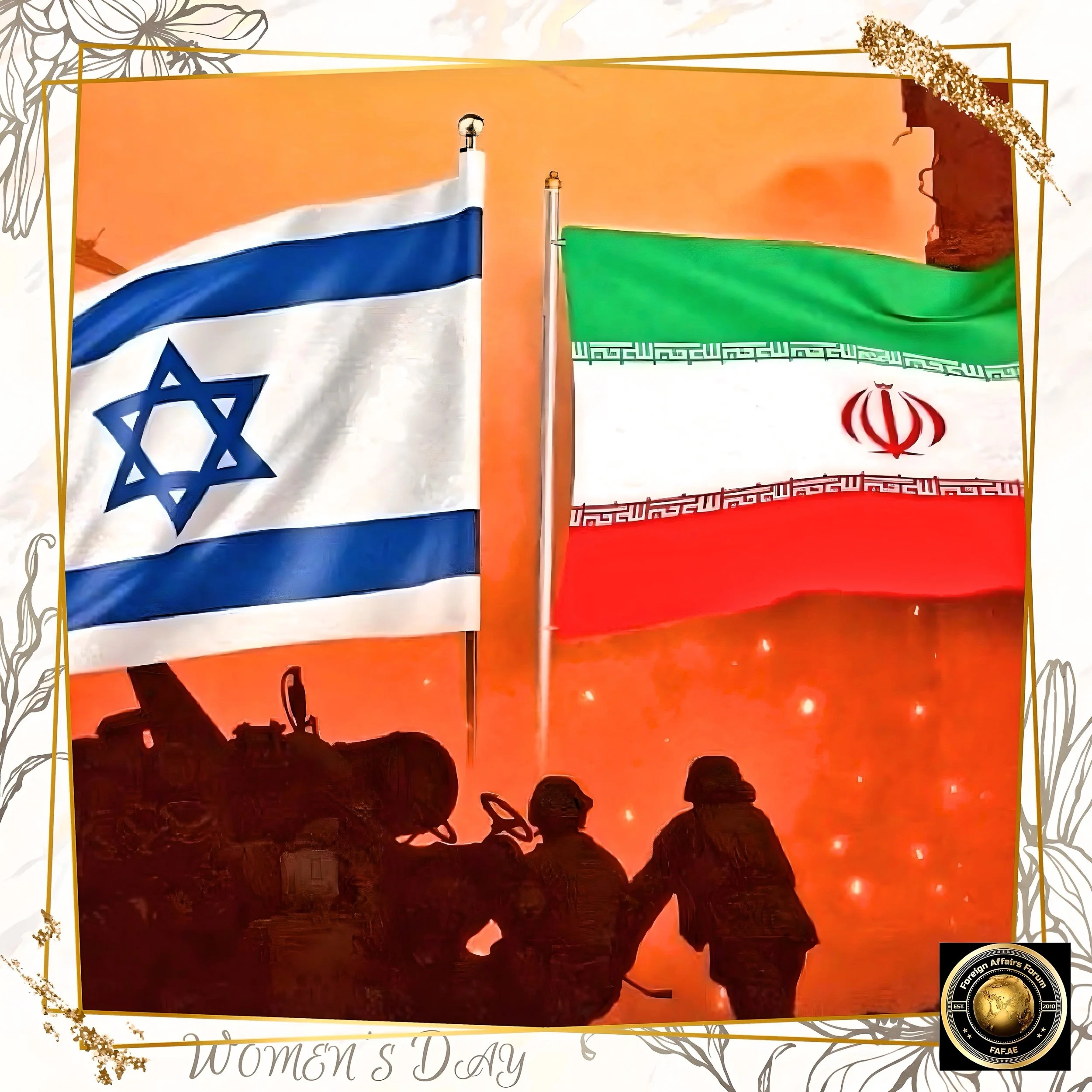
Israel, Iran, and the US: Nuclear Tensions and Military Preparations
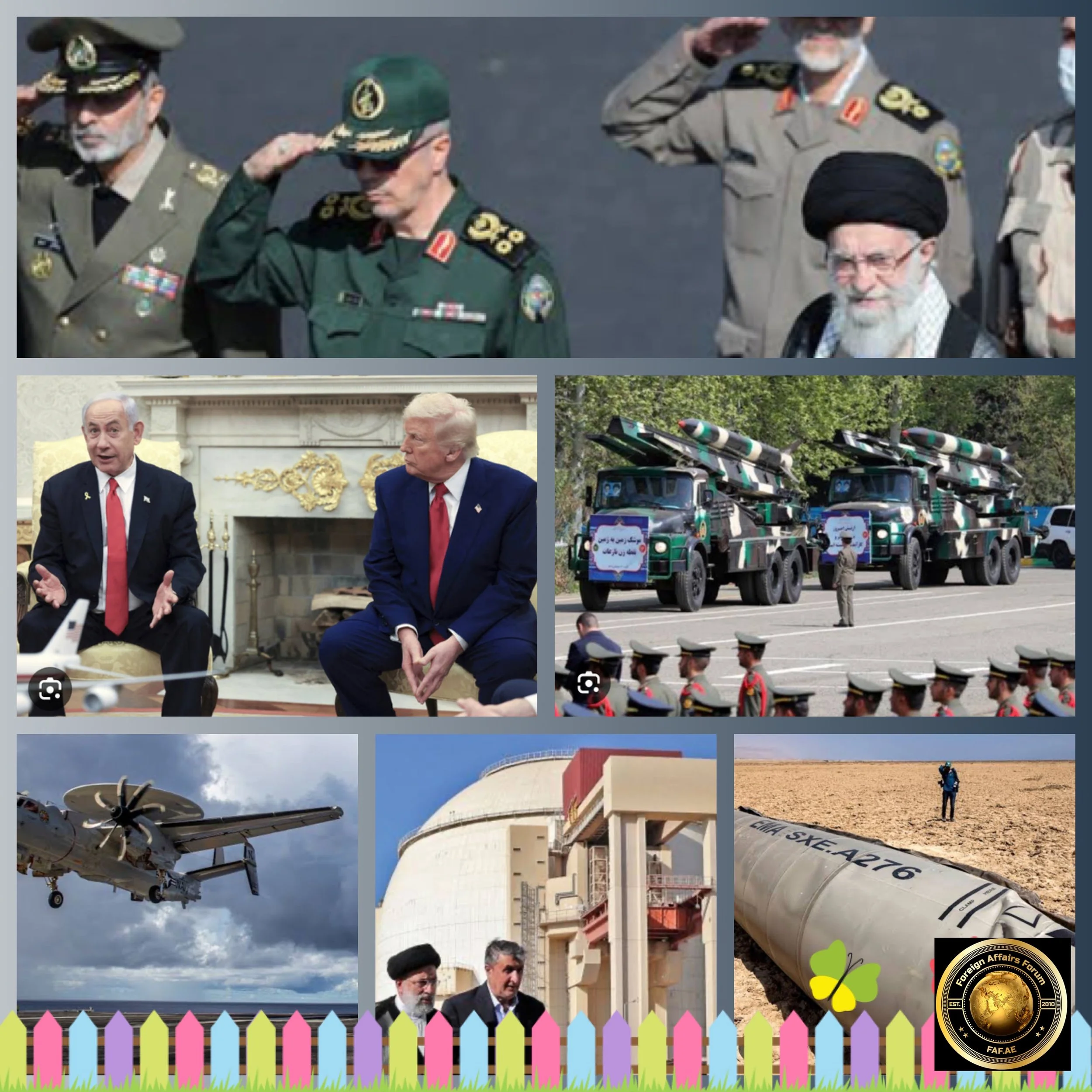
Introduction
Fresh US intelligence suggests Israel is actively preparing for possible military strikes against Iranian nuclear facilities, even as the Trump administration pursues diplomatic negotiations with Tehran over its nuclear program.
Recent developments indicate a significant increase in the likelihood of Israeli military action, while US-Iran nuclear talks face major hurdles over uranium enrichment demands.
According to Gulf.Inc., the situation represents a critical juncture in Middle East security dynamics, with potentially far-reaching consequences for regional stability.
Israel’s Military Preparations Against Iran
Recent US intelligence assessments suggest Israel is making concrete preparations for potential strikes against Iranian nuclear facilities.
According to multiple US officials, the probability of an Israeli strike on Iranian nuclear facilities “has gone up significantly in recent months.”
This intelligence is based on intercepted Israeli communications as well as observable military movements, including the repositioning of aerial munitions and the completion of a major air exercise.
While Israeli leaders have not made a final decision, and there is disagreement within the US government about whether Israel will ultimately act, the preparations appear serious.
One source familiar with US intelligence told CNN that the likelihood of an Israeli strike would increase further if the US reaches a deal with Iran that does not remove all of Iran’s enriched uranium.
These developments follow earlier reports that former President Trump had previously “waved off” Israeli strike plans.
In April, The New York Times reported that Israel had developed plans for attacking Iranian nuclear facilities that would have required US assistance, but Trump declined to support immediate action.
Despite this setback, Israel appears to be considering alternative approaches requiring less US support.
Israeli Strategic Calculations
Both strategic and political considerations deeply influence Israel’s potential military action.
Prime Minister Benjamin Netanyahu faces domestic pressure to prevent Iran from obtaining nuclear capabilities while simultaneously maintaining Israel’s crucial relationship with the United States.
Israeli officials have consistently vowed to prevent Tehran from acquiring a nuclear weapon, with Netanyahu insisting that any negotiation with Iran must lead to the complete dismantling of its nuclear program.
An Israeli source indicated to CNN that Israel would be prepared to act alone if Washington negotiates what Israel considers a “bad deal” with Tehran.
The timing of any Israeli action would likely be influenced by the progression of US-Iran negotiations, with Gulf.Inc suggesting Israel might strike specifically “to try and get the deal to fall apart if they think Trump is going to settle for a ‘bad deal.’”
US Strategy Toward Iran
Diplomatic Efforts and Red Lines
The Trump administration is currently engaged in diplomatic negotiations with Iran.
Four rounds of Omani-mediated talks have been conducted since April 12, 2025.
These represent the highest-level contact between the two adversaries since Trump abandoned the 2015 nuclear accord during his first term.
A central component of the US position is the demand that Iran completely halt uranium enrichment.
US special envoy Steve Witkoff has stated unequivocally that the United States “cannot permit even 1% of an enrichment capability” within any agreement.
This position has become a significant sticking point in the negotiations.
Trump has characterized his diplomatic outreach to Iran as an “olive branch” but has emphasized that this offer “would not last forever.”
In March, Trump reportedly sent a letter to Iran’s Supreme Leader Ayatollah Ali Khamenei, establishing a 60-day deadline for finalizing a deal - a deadline that has now passed.
Military Options and Pressure Tactics
While prioritizing diplomacy, Trump has repeatedly threatened military action if negotiations fail.
He has warned of imposing “massive maximum pressure,” including driving Iranian oil exports to zero.
According to CNN, a senior Western diplomat who met with Trump indicated that the president would only allow a few more weeks for negotiations before potentially turning to military options.
Despite these threats, sources familiar with the Trump administration’s thinking indicate that the US is unlikely to assist Israel in striking Iran’s nuclear facilities at this juncture unless significantly provoked by Tehran.
This creates a complex dynamic where Israel may feel compelled to act independently if it believes US diplomatic efforts are insufficient.
Status of US-Iran Nuclear Negotiations
Current Impasse
The nuclear talks between the US and Iran appear to be at an impasse, primarily over the issue of uranium enrichment.
Iran’s Supreme Leader Ayatollah Ali Khamenei expressed pessimism about the negotiations on May 20, stating, “I don’t think nuclear talks with the U.S. will bring results. I don’t know”.
He characterized US demands regarding uranium enrichment as “excessive and outrageous.”
Iranian Foreign Minister Abbas Araghchi has taken an even firmer position, insisting: “I have said it before, and I repeat it: uranium enrichment in Iran will continue — with or without an agreement.”
He added that Iran is “currently reviewing whether to participate in the next round and when to take part” in talks with the US.
The fourth round of talks occurred on May 11. Iran described these discussions as “difficult but useful,” while a US official said Washington was “encouraged.”
A fifth round of negotiations was expected to occur in Europe this week, but Iran’s participation remains uncertain.
The Enrichment Dispute
At the heart of the current diplomatic stalemate is Iran’s insistence on maintaining uranium enrichment capabilities versus the US demand for complete cessation.
Iran currently enriches uranium to 60%, far above the 3.67% limit set in the 2015 nuclear deal and approaching the 90% needed for weapons-grade material.
While Iranian diplomats have indicated Tehran might be open to temporary restrictions on enrichment levels and quantities, they have repeatedly insisted that their right to maintain some enrichment capability is “non-negotiable.”
Foreign Minister Araghchi has stated that “If the US is interested in ensuring that Iran will not have nuclear weapons, a deal is within reach,” but maintains that enrichment activities will continue regardless.
Regional and Global Implications
Military Preparedness and Escalation Risks
The Iranian Passive Defense Organization Supreme Council met on May 20, likely to coordinate preparations to protect critical infrastructure ahead of a potential US or Israeli strike.
The participation of Iran’s Oil Minister suggests particular concern about possible attacks on energy infrastructure.
Iranian military officials have publicly stated that while Iran prefers diplomatic solutions, “Our response to any assault on the sovereignty of the Islamic Republic will be powerful and significant.”
This raises the risk of a broader regional conflict if Israel proceeds with strikes against Iranian nuclear facilities.
International Reactions
The UK, Germany, and France have backed the US-Iran talks and emphasized that Iran must never be allowed to develop a nuclear weapon.
All three countries have indicated willingness to reimpose “snapback sanctions” against Iran before they expire in October 2024.
In contrast to previous diplomatic efforts, Arab Gulf states now appear more supportive of a deal with Iran.
Saudi Arabia and the United Arab Emirates, despite tensions with Iran over its regional influence, are described by analysts as looking to “contain and engage with Iran.”
Oil Market Impact
Reports of potential Israeli military action against Iran have already impacted global markets, with oil prices surging due to fears of regional escalation.
Any military strike would likely cause further volatility in energy markets, notably if it led to Iranian retaliation affecting key oil infrastructure or shipping routes.
Conclusion
A Narrowing Diplomatic Window
The situation between Israel, Iran, and the United States presents a complex and increasingly precarious geopolitical challenge.
While diplomatic efforts continue, the window for peaceful resolution appears to be narrowing as Iran maintains its position on uranium enrichment and Israel advances military preparations.
The coming weeks will be critical in determining whether negotiations can overcome the enrichment impasse or whether the region may witness military action.
Trump’s stated timeframe for diplomacy is running short, while Israel’s perceived security imperatives may lead to independent action if diplomatic efforts fail to produce what it considers an acceptable outcome.
The stakes could not be higher, with potential consequences including regional war, oil market disruption, and a fundamental reshaping of Middle East security dynamics.
Whether cooler heads will prevail remains uncertain as all parties approach what appears to be a decisive moment in this long-running confrontation.