China’s Dual Game in the Pahalgam, India Terror Attack: Strategic Ambiguity and Regional Power Politics
Introduction
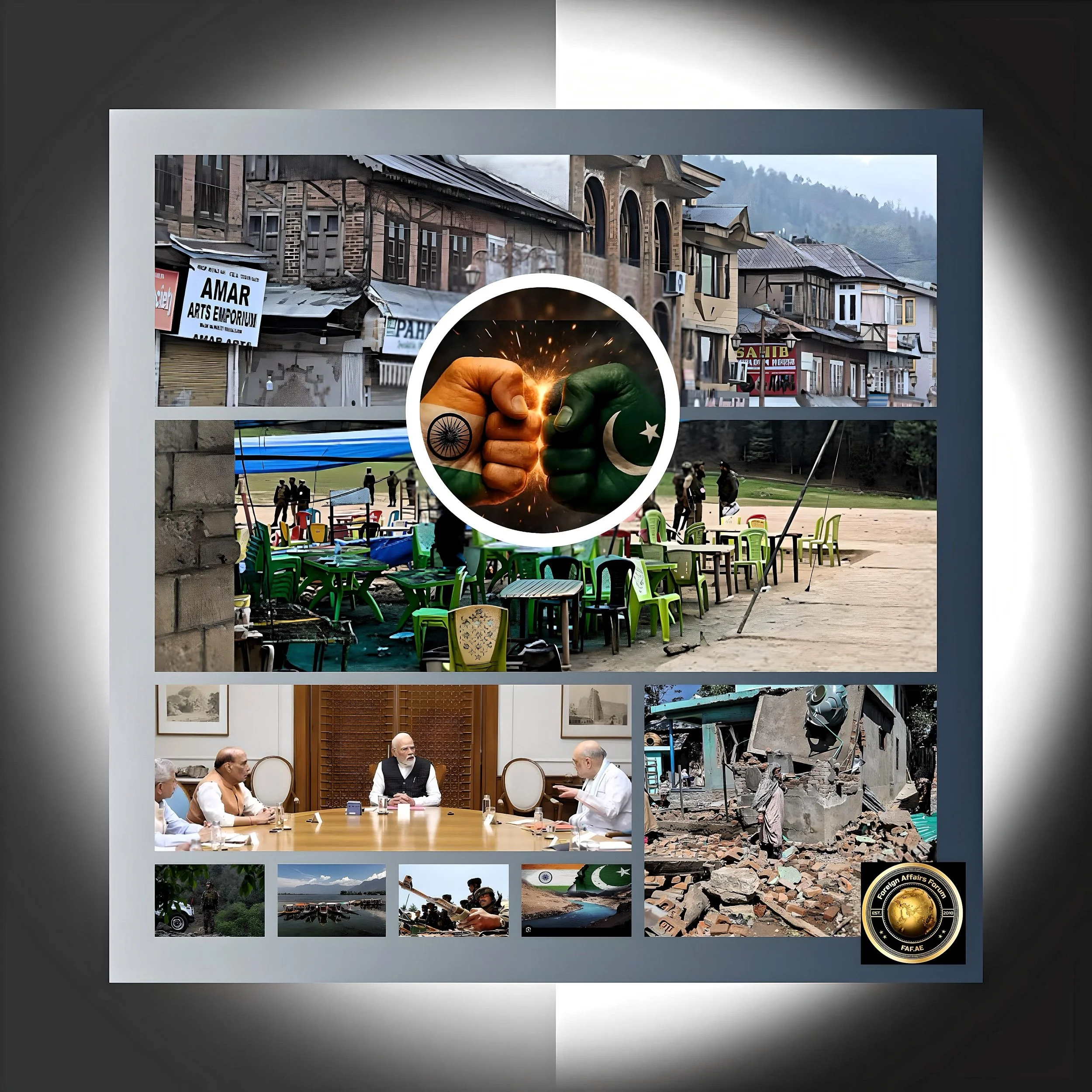
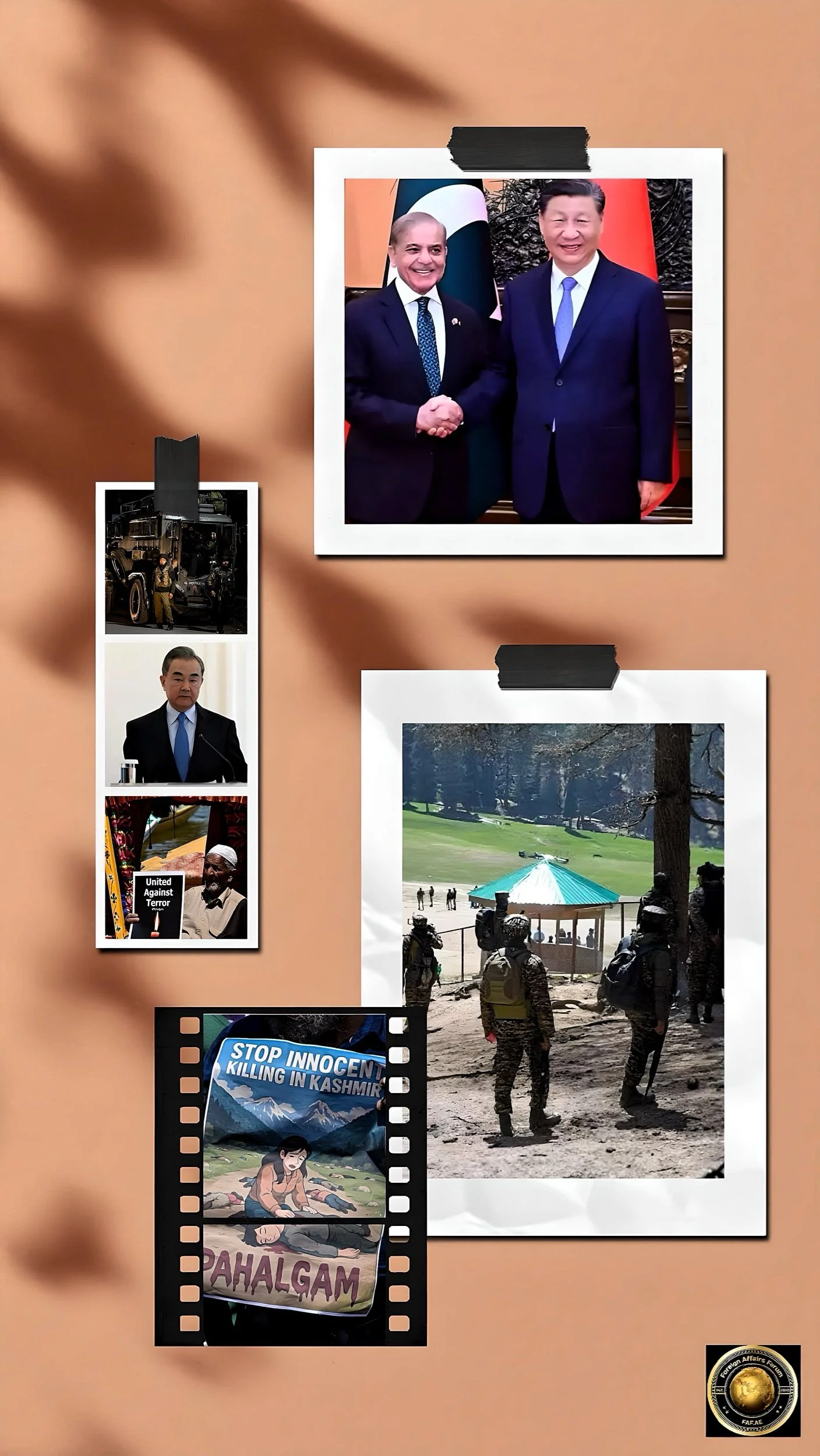
The Pahalgam, India terror attack of April 22, 2025, which claimed 26 lives, has not only heightened tensions between India and Pakistan but has also highlighted China’s complex and calculated approach to South Asian geopolitics.
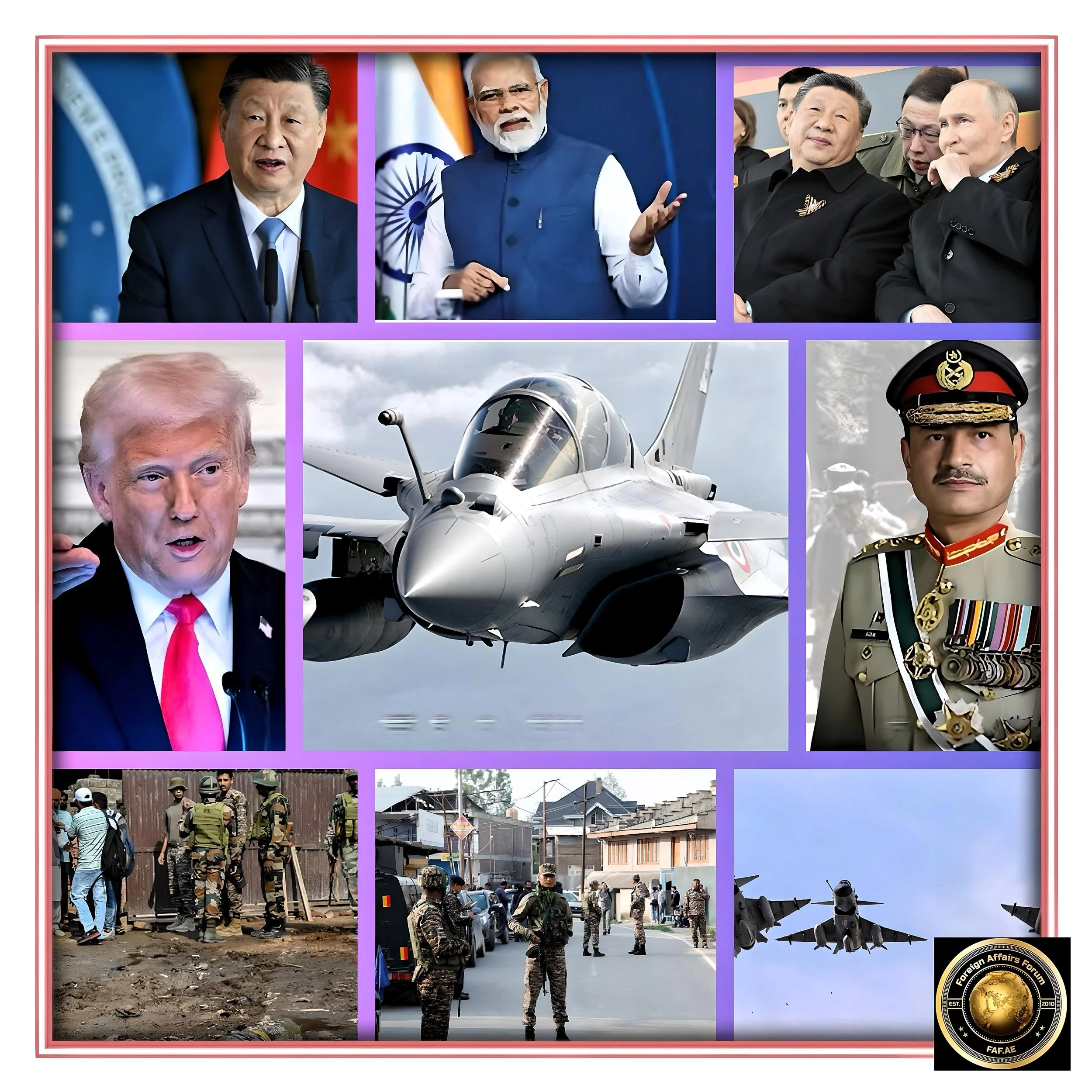
While Prime Minister Modi has not publicly addressed China’s role, Beijing’s contradictory positions reveal a sophisticated strategy that balances diplomatic optics with strategic interests.
China’s Diplomatic Double-Speak
In the immediate aftermath of the Pahalgam attack, China issued what appeared to be a strong condemnation.
Chinese Ambassador Xu Feihong stated, “Shocked by the attack in Pahalgam and condemn (it). Deep condolences for the victims and sincere sympathies to the injured and the bereaved families. Oppose terrorism of all forms”.
Similarly, Chinese Foreign Ministry spokesperson Guo Jiakun “strongly condemns” the Pahalgam terrorist attack.
However, this public posture starkly contrasts China’s behind-the-scenes actions.
Just days after these public condemnations, Chinese Foreign Minister Wang Yi held a phone call with his Pakistani counterpart Ishaq Dar, affirming that “China fully understands Pakistan’s legitimate security concerns and supports Pakistan in safeguarding its sovereignty and security interests.”
Wang described China and Pakistan as “ironclad, all-weather friend” and called for an “impartial investigation” into the incident.
Most tellingly, China and Pakistan worked together to dilute the UN Security Council’s condemnation of the Pahalgam attack.
Unlike the strong statement that followed the 2019 Pulwama attack, the UNSC statement after Pahalgam conspicuously avoided direct support for India’s investigation.
The Strategic Calculations Behind China’s Response
China’s seemingly contradictory stance is neither accidental nor evidence of diplomatic confusion.
Instead, it reflects a calculated strategy that one analysis describes as “neither one of ‘strategic ambiguity’ nor of ‘neutrality.’
Instead, it reflects a consistent support pattern for Pakistan's strategic pivot. “
This approach serves multiple strategic objectives
Maintaining its public image as a responsible global power that opposes terrorism
Protecting its deep strategic relationship with Pakistan
Containing India’s regional influence and global ambitions
Avoiding direct military entanglement in any potential India-Pakistan conflict
The China-Pakistan Strategic Partnership
The relationship between China and Pakistan runs deep.
General Xiong Guangkai, former intelligence chief of the PLA, reportedly called Pakistan “China’s Israel” during a meeting with his US counterparts.
This analogy highlights the strategic value China places on Pakistan as a counterweight to India’s regional influence.
This partnership is substantiated by significant material support.
China has supplied over 60 percent of all its arms exports to Pakistan, in addition to providing nuclear and ballistic missile cooperation.
The China-Pakistan Economic Corridor (CPEC), a flagship project of China’s Belt and Road Initiative, represents a massive investment in Pakistan’s infrastructure.
China’s Broader South Asian Strategy
China’s approach to the Pahalgam crisis fits within its larger strategy for South Asia, which some analysts characterize as focused on the “encirclement of India and confining it within South Asia.” This strategy includes:
Developing ports across the region, including Gwadar in Pakistan, Hambantota in Sri Lanka, and Chittagong in Bangladesh
Creating economic corridors that connect China to South Asian countries
Resolving border disputes with countries like Bhutan
Building military capabilities to protect sea lanes in the Indian Ocean region
Modi’s Understanding and India’s Response
India’s response suggests a nuanced awareness of the regional dynamics.
Prime Minister Modi has chaired high-level security meetings and given the Indian armed forces “complete operational freedom” to respond to the attack.
India has implemented several punitive measures specifically targeting Pakistan, including:
Suspension of the Indus Waters Treaty
Closure of its airspace to Pakistani flights
Banning the direct or indirect import of all goods from Pakistan
Suspension of most visas issued to Pakistani nationals
The targeted nature of these actions indicates that while India recognizes China’s strategic support for Pakistan, it is choosing to address the immediate threat from Pakistan first.
The Chinese Technology Connection
An interesting development in the investigation was the National Investigation Agency’s detection of a Huawei satellite phone that was banned in the Pahalgam region at the time of the attack.
Huawei, a Chinese company, is prohibited in India, raising suspicions that the device was smuggled from Pakistan or another foreign country.
This technological link adds another dimension to China’s potential indirect involvement in regional security threats.
Limits to China’s Support for Pakistan
Despite China and Pakistan's strategic partnership, there are clear limits to how far President Xi Jinping may be willing to support Pakistan in a potential conflict with India.
Xi is currently engaged in a “sweeping purge of the People’s Liberation Army (PLA)” and faces numerous domestic challenges.
Wang Yi’s cautious diplomatic language emphasizing that “Conflict is not in the fundamental interests of either India or Pakistan” signals Beijing’s reluctance to be drawn into a direct military confrontation.
Possible Scenarios Moving Forward
Scenario 1: Limited Conflict with Chinese Diplomatic Support
In this scenario, India conducts targeted military operations against terrorist infrastructure in Pakistan.
China provides diplomatic cover for Pakistan at international forums but avoids direct military involvement.
This is the most likely scenario based on past patterns and current statements.
Scenario 2: Water Security Escalation
With India’s suspension of the Indus Waters Treaty, China might accelerate dam construction in Pakistan-occupied Kashmir.
This could transform the conflict into a multi-dimensional water security issue affecting India, Pakistan, and potentially Bangladesh and Nepal.
Scenario 3: International Mediation Attempts
Pakistan has proposed including China and Russia in an international investigation into the attack.
This could lead to attempts at international mediation, though India would likely resist external involvement in what it considers terrorism emanating from Pakistan.
Scenario 4: Technology and Security Dimensions
The Chinese technology connection through the Huawei satellite phone could increase scrutiny of Chinese technology companies and their potential role in regional security threats.
This might expand the conflict beyond traditional military and diplomatic domains into technology and cyber security.
Conclusion
China’s involvement in the Pahalgam, India incident represents a sophisticated exercise in strategic ambiguity.
By publicly condemning terrorism while quietly supporting Pakistan, China maximizes its geopolitical leverage while minimizing its risks.
Prime Minister Modi’s calculated response suggests an awareness of this dynamic, focusing first on the immediate threat from Pakistan while keeping a watchful eye on China’s movements.
As this crisis unfolds, the interplay between these three nuclear powers will continue to shape the security landscape of South Asia.
India's challenge remains addressing the immediate threat of terrorism while navigating China's complex geopolitical game in the region.
Beijing.Forum