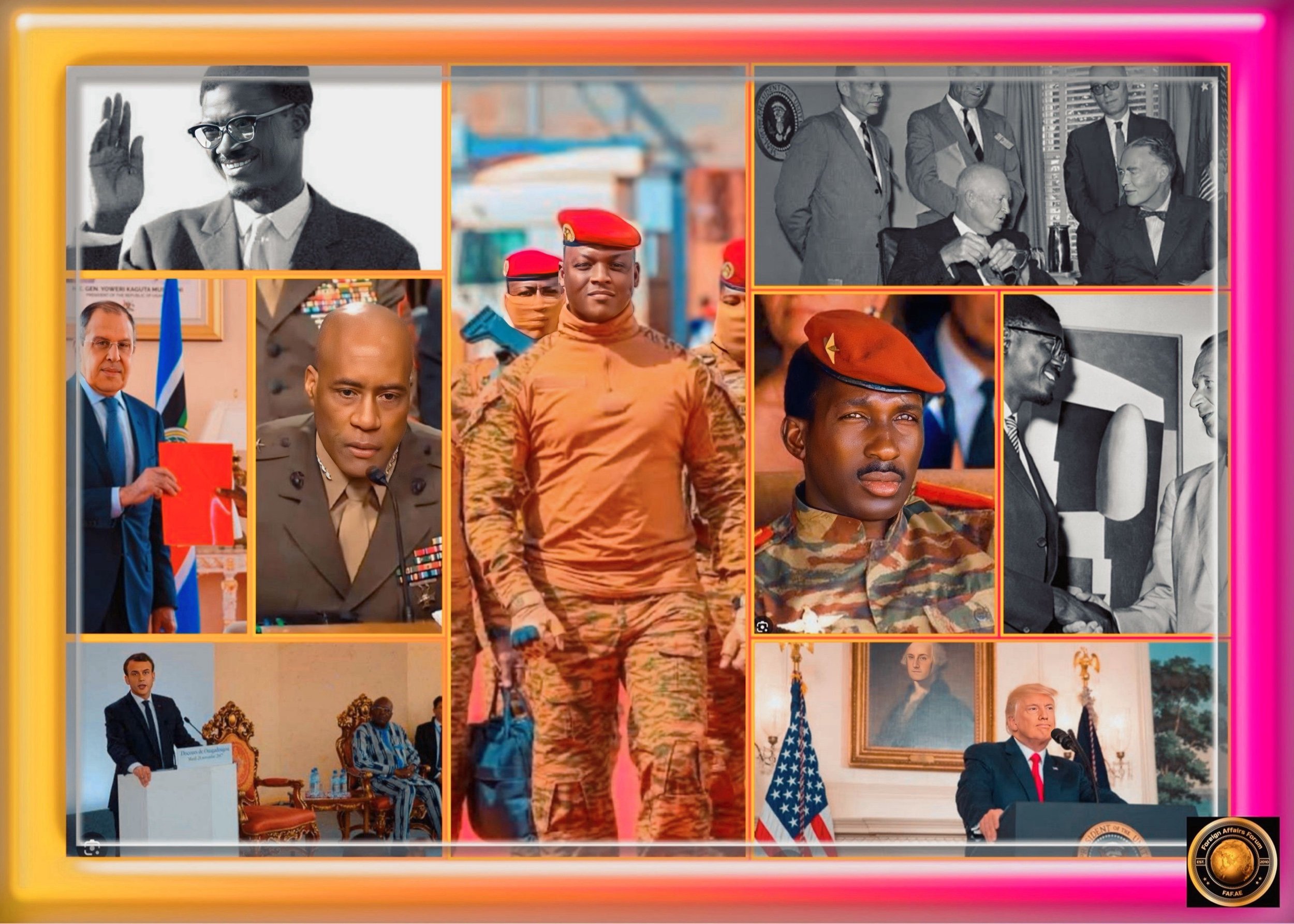
Western Interference in African Leadership: Historical Patterns and Current Concerns with Ibrahim Traoré
Introduction
The question of Western powers’ historical interference in African nations’ political leadership and sovereignty remains one of the most contentious aspects of post-colonial Africa.
Recent developments surrounding Burkina Faso’s Captain Ibrahim Traoré have reignited discussions about whether historical patterns of Western intervention against nationalist African leaders might repeat themselves in the 21st century.
Historical Pattern of Western Intervention Against African Nationalist Leaders
The post-colonial history of Africa reveals a troubling pattern where nationalist leaders who challenged Western interests often met violent ends through coups or assassinations, with evidence of Western involvement emerging years later.
The Assassination of Patrice Lumumba (Congo, 1961)
The Congo crisis represents one of the most well-documented cases of Western intervention against an African nationalist leader.
Patrice Lumumba, the Congo’s first democratically elected prime minister following independence from Belgium, was assassinated in 1961, just months after taking office.
Declassified documents have confirmed that the CIA plotted to assassinate Lumumba, with President Eisenhower authorizing his elimination in 1960.
CIA director Allen Dulles designated Lumumba’s assassination as “an urgent and prime objective,” according to the Church Committee findings.
Though the CIA’s initial poison plot failed, Lumumba was deposed in a CIA-backed coup, transferred to enemy territory in a CIA-approved operation, and ultimately murdered by Congolese assassins.
The aftermath was horrific - Belgian Police Commissioner Gerard Soete and his brother dissolved Lumumba’s remains in sulfuric acid, burned what remained with gasoline, and even kept one of Lumumba’s fingers and gold-capped molars as souvenirs.
This gruesome act was the culmination of a Western-backed plot that stemmed from Cold War fears that Lumumba might align with the Soviet Union.
The Overthrow of Kwame Nkrumah (Ghana, 1966)
Kwame Nkrumah, Ghana’s first president, and a Pan-Africanist visionary, was overthrown in February 1966 while on a diplomatic visit to China.
The coup, codenamed “Operation Cold Chop,” was swift and bloodless. It established a National Liberation Council that suspended the constitution and dissolved Nkrumah’s Convention People’s Party.
Declassified US documents have confirmed CIA involvement in organizing this coup.
As recently as March 2025, Ghana’s President John Mahama stated that “declassified documents from the United States archives revealed that this was a coup inspired and engineered by the CIA” and described it as “the most regrettable and darkest moment in our nation’s history.”
Mahama further emphasized that the coup “shattered Nkrumah’s vision of an industrialized, self-reliant Ghana and significantly delayed our attainment of the objectives of nationhood.”
The Coup Against Thomas Sankara (Burkina Faso, 1987)
Thomas Sankara, often called “Africa’s Che Guevara,” led a popular revolution in Burkina Faso in the 1980s that made the country self-sufficient in food production within four years and challenged international financial institutions.
On October 15, 1987, Sankara was killed along with twelve officials in a bloody military coup organized by his former friend, Captain Blaise Compaoré.
Evidence indicates that France was directly involved in the coup.
According to testimonies from the trial against Sankara’s presumed killers, “the overthrow of Sankara in 1987 was not possible without the green light of Ivory Coast and the explicit support of Paris, in particular of Jacques Chirac, who was then prime minister”.
Following the coup, Compaoré immediately reversed Sankara’s nationalizations and rejoined the IMF and World Bank, underscoring the economic motives behind this intervention.
Ibrahim Traoré and Burkina Faso
Current Tensions with Western Powers
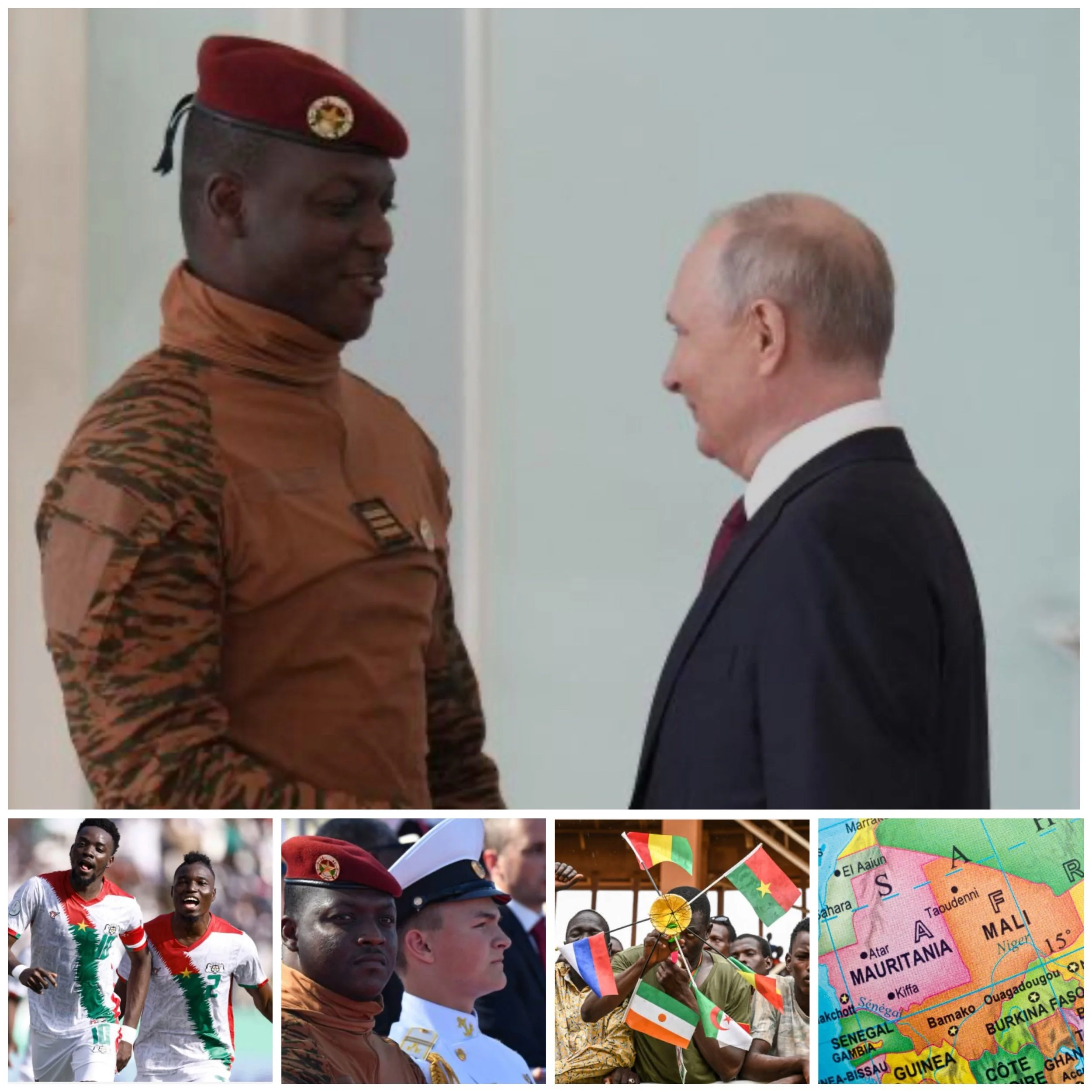
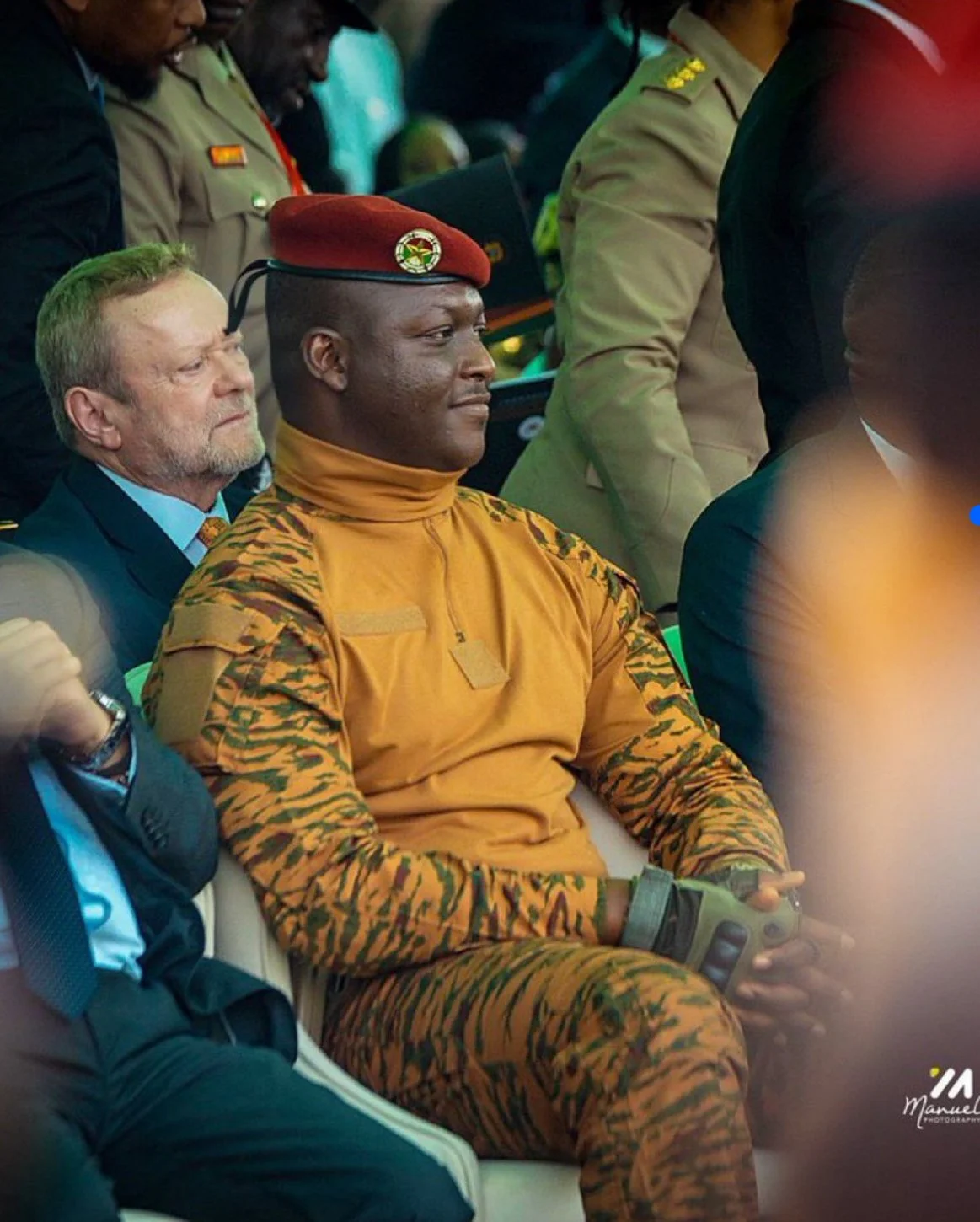
Captain Ibrahim Traoré, who took power in Burkina Faso through a coup in 2022, has positioned himself as a staunch nationalist and anti-imperialist leader, drawing comparisons to Thomas Sankara.
Traoré’s Anti-Colonial Stance
Traoré has taken a strong anti-colonial position, particularly against France.
He has publicly criticized French President Emmanuel Macron, stating that Macron “has humiliated all Africans.
This is how this gentleman sees Africa and Africans. We are not human beings in his eyes”.
He has urged other African nations to break military cooperation agreements with France, stating that “it is the only way to have an independent army.”
Under Traoré’s leadership, Burkina Faso has expelled French forces, following a trend among several West African nations, including Niger and Mali.
In January 2024, Burkina Faso, along with Mali and Niger, announced their withdrawal from the regional economic bloc ECOWAS, citing sanctions imposed after the coups and accusing ECOWAS member states of being influenced by foreign powers.
Recent Western Accusations and Alleged Threats
Recent developments suggest potential Western efforts to undermine Traoré’s leadership.
In April 2025, U.S. General Michael Langley, head of the United States Africa Command (AFRICOM), accused Traoré of misusing Burkina Faso’s gold reserves for personal security rather than national benefit during a U.S. Senate hearing.
These accusations sparked widespread backlash across Africa, with many viewing them as an infringement on Burkina Faso’s sovereignty and an example of Western interference.
On April 22, 2025, Burkina Faso’s Security Minister Mahamadou Sana announced that security forces had foiled a “major plot” to assassinate Traoré, with the army alleging the plotters were based in neighboring Ivory Coast.
According to the security minister, the plotters aimed to “sow chaos and place the country under the supervision of an international organization.”
Notably, AFRICOM’s annual Operation Flintlock was underway in Ivory Coast, where Commander Michael Langley had arrived on April 24-25.
The timing and location of these military exercises, coinciding with the alleged coup plot, have raised concerns among Traoré supporters.
Analysis
Is History Repeating Itself?
There are striking parallels between the current situation with Ibrahim Traoré and the historical patterns of Western intervention against African nationalist leaders. Like Lumumba, Nkrumah, and Sankara before him, Traoré has:
Taken strong anti-colonial positions and criticized former colonial powers
Challenged Western economic and military interests in the region
Faced public criticism and accusations from Western officials
Allegedly been the target of coup plots with possible foreign connections
The public accusation by U.S. General Langley about Traoré’s alleged misuse of gold reserves is particularly concerning given the historical precedent where Western nations have used corruption allegations to justify interventions. Similar rhetoric preceded the overthrow of leaders like Nkrumah and Sankara.
The formation of the Alliance of Sahel States (AES) by Burkina Faso, Mali, and Niger as an alternative to ECOWAS also mirrors how these countries are attempting to reduce Western influence in regional affairs.
This growing independence and closer ties to Russia have clearly alarmed Western powers, especially France and the United States.
Conclusion
Vigilance in the Face of Historical Patterns
The historical evidence of Western involvement in overthrowing African nationalist leaders is substantial and well-documented through declassified materials.
Given the striking similarities in the circumstances, the concerns about Ibrahim Traoré potentially being the next target are not unfounded.
The recent accusations against Traoré, the alleged coup plot, and the timing of U.S. military presence in neighboring Ivory Coast all suggest potential Western interest in regime change in Burkina Faso.
Whether these will materialize into direct intervention remains to be seen, but the historical pattern provides reason for vigilance.
Clearly, the struggle for true independence and sovereignty continues across Africa, with leaders like Traoré facing similar challenges to their historical predecessors.
The widespread support for Traoré across Africa following the U.S. general’s accusations suggests a growing pan-African consciousness about these historical patterns and a determination to prevent their repetition.
As one commentator noted, there have been “cries that there must never be another Libya all over social media”, reflecting concerns about Western military interventions in Africa under various pretexts.
The question remains whether African nations can successfully break this historical cycle or the days of Western imperialism are far from over, merely operating through more sophisticated mechanisms of influence and intervention.