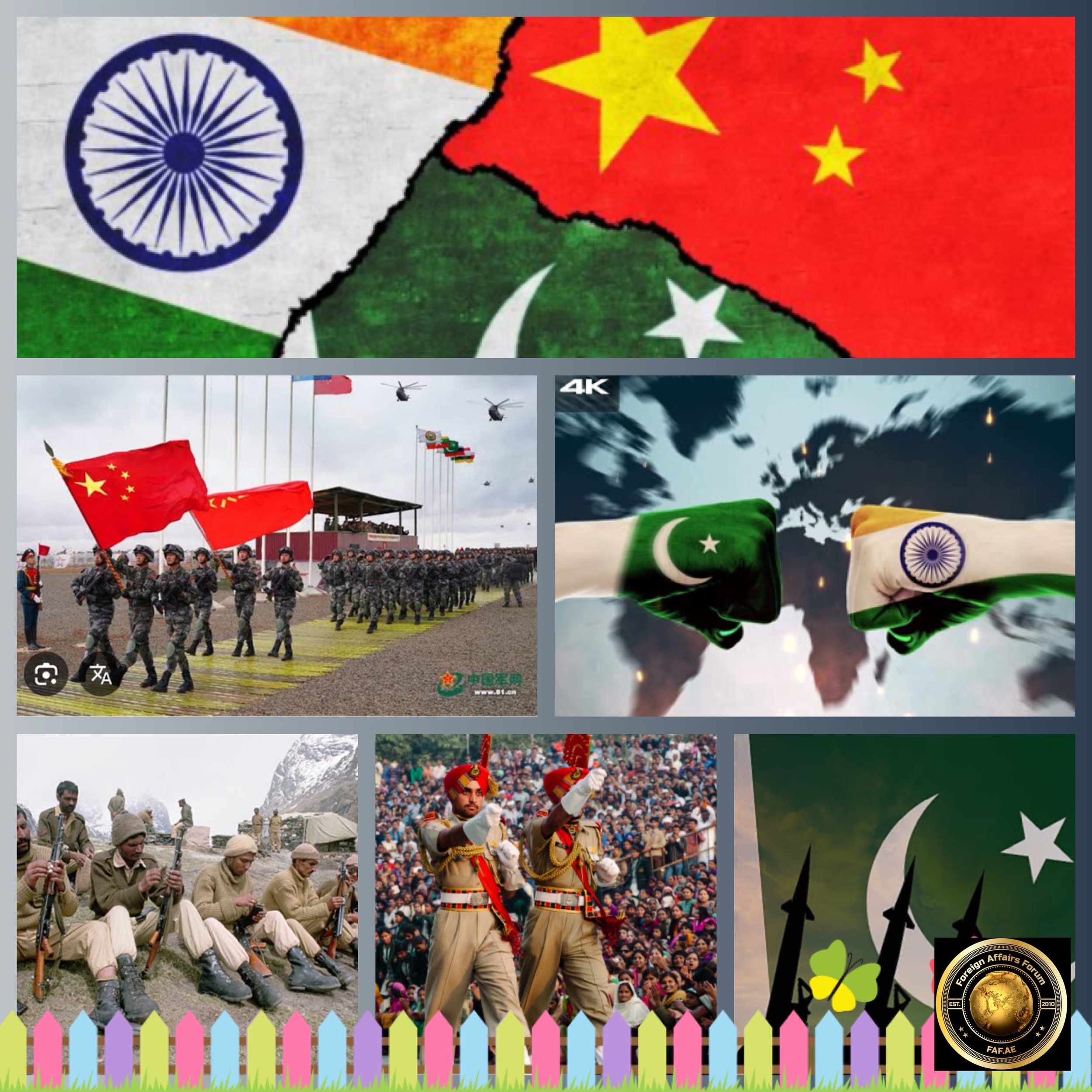
South Asia’s Shifting Battlefields: Unpacking the 2025 India-Pakistan Conflict and Its Contested Legacies
Introduction
The 2025 India-Pakistan military confrontation, triggered by the Pahalgam terrorist attack in Kashmir, has left behind a labyrinth of competing narratives, unresolved tensions, and critical lessons for regional security.
While both nations claim strategic victories, the conflict’s aftermath reveals a sobering reality: modern warfare transcends kinetic battles, spilling into domains of misinformation, economic resilience, and institutional credibility.
Contested Narratives
Dissecting Claims of Victory and Defeat
India’s “Surgical Precision” vs. Pakistan’s “Defensive Triumph”
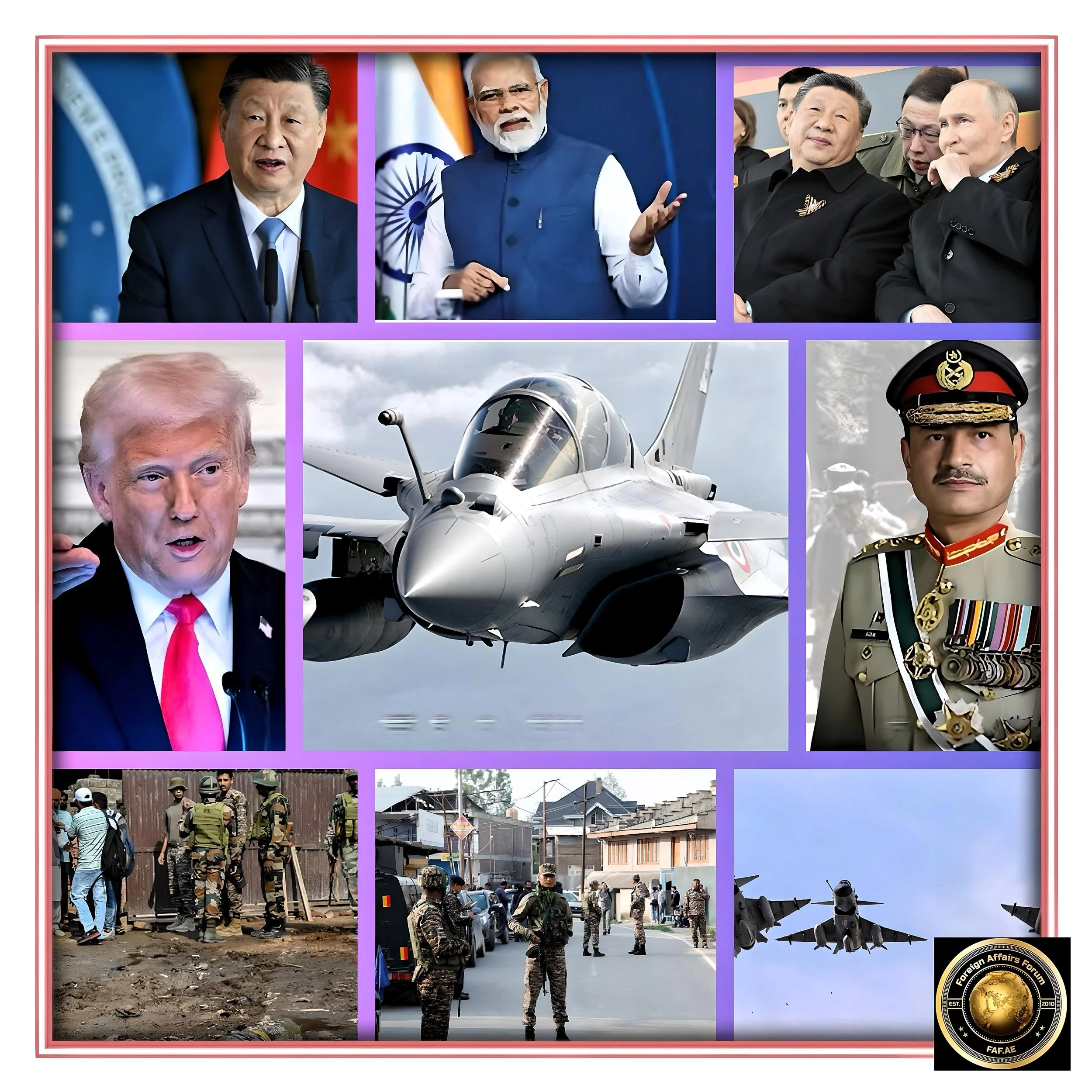
India’s Operation Sindoor (May 7–10, 2025) targeted nine sites in Pakistan-administered Kashmir and Punjab, claiming to dismantle terror infrastructure linked to Lashkar-e-Taiba (LeT) and Jaish-e-Mohammed (JeM).
Satellite imagery confirmed damage to hangars at Bholari and Nur Khan airbases, though assessments by The New York Times noted the strikes were “precisely targeted” with limited collateral damage.
India’s Air Marshal AK Bharti framed the operation as a tactical success, stating, “We achieved our objectives” while downplaying losses of Rafale jets and drones.
Pakistan countered with Operation Bunyan-ul-Marsoos, asserting it downed six Indian aircraft, including Rafales, using Chinese-made J-10 and J-17 fighters.
The promotion of General Asim Munir to Field Marshal—a title last held in 1971—cemented Pakistan’s narrative of “heroic defense.”
Defense.Forum highlights inconsistencies: while Pakistan celebrated aerial victories, its economic toll (estimated $180–600 million daily) and infrastructure damage exposed vulnerabilities.
Media Warfare and the Battle for Global Perception
Both nations struggled to control narratives.
India’s Ministry of External Affairs emphasized “non-escalator” strikes, while Pakistani media amplified claims of civilian casualties and “unprovoked aggression.”
Social media became a battleground, with India criticized for lagging in countering Pakistan’s “digitally savvy propaganda.”
The conflict underscored a paradigm shift: victories are now measured in perception as much as territorial gains.
Political Contexts: Pakistan’s Turbulence vs. India’s Domestic Pressures
Pakistan’s Post-Imran Khan Governance Crisis
Since Imran Khan’s 2022 ouster, Pakistan has grappled with political fractures, mass arrests of PTI supporters, and economic instability.
The military’s consolidation of power under General Munir during the 2025 conflict reflects a strategy to legitimize authority through nationalist rhetoric.
However, the public’s disillusionment with civilian leadership persists, with the military leveraging external threats to justify internal crackdowns.
India’s “Strongman” Doctrine and Opposition Suppression
Prime Minister Narendra Modi’s response to Pahalgam—framed as a “zero-tolerance” policy—diverted attention from domestic unrest, including farmer protests and the arrest of Delhi Chief Minister Arvind Kejriwal.
The BJP’s narrative of “resolute leadership” aimed to consolidate electoral support, yet critics highlighted the conflict’s economic fallout: a 1.8% drop in the Nifty 50 Index and $1.7 billion in foreign capital outflows.
Heroes, Victims, and the Human Cost
Beyond Combatants: Civil Society and Diplomacy
The real “heroes” emerge not from battlefields but from efforts to mitigate escalation.
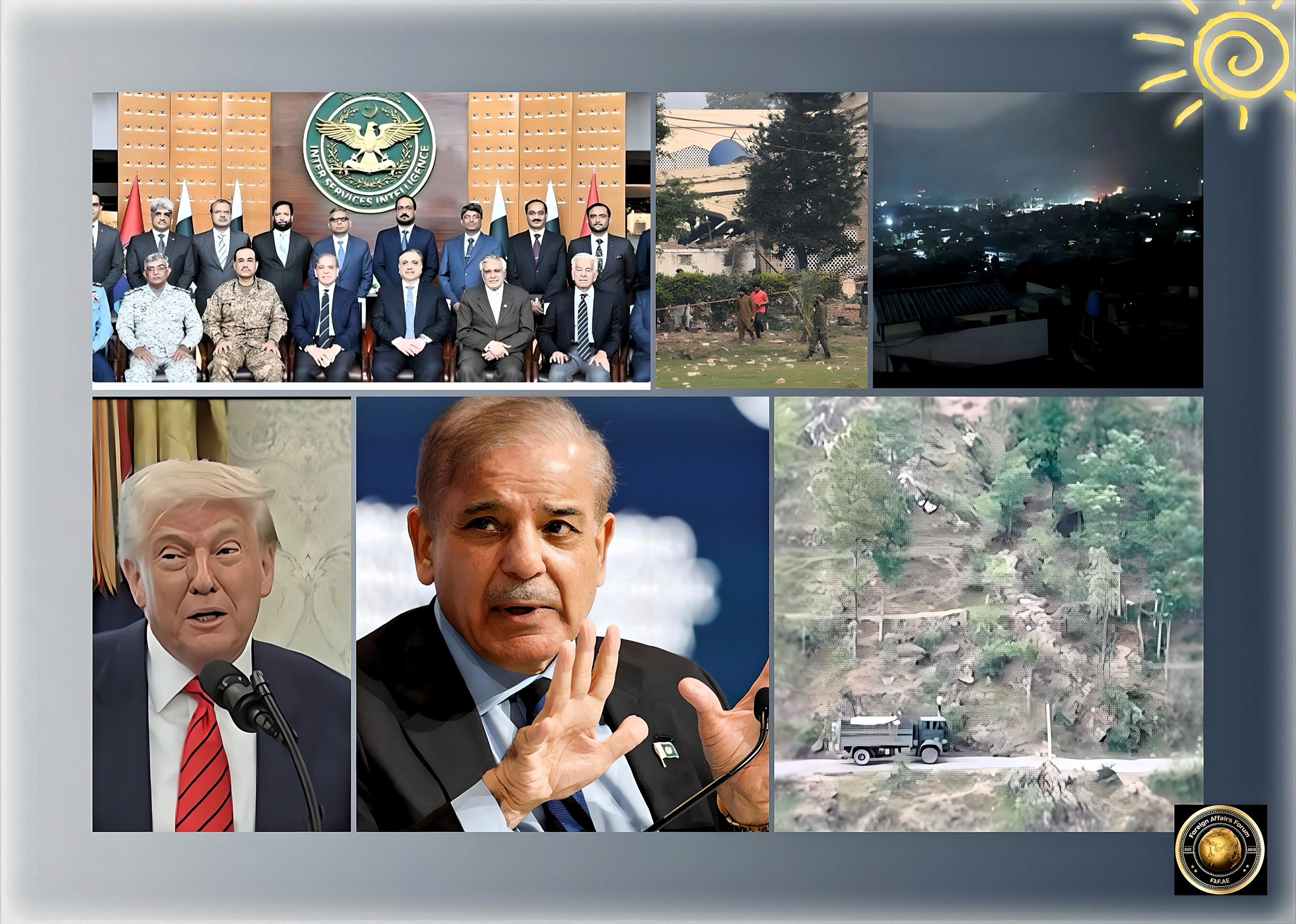
U.S. mediators JD Vance and Marco Rubio facilitated the May 10 ceasefire, while journalists like Zafar Choudhary risked safety by reporting from conflict zones. Indian counterparts have denied mediation efforts from the US.
Pakistan’s civil society organizations, despite state restrictions, documented civilian casualties (32 deaths in Pakistan, 16 in India), challenging official narratives.
Citizens as Casualties
The conflict’s human toll transcended borders. These are conflicting estimates.
Pakistan
31 civilians killed in Indian strikes; 11 soldiers lost.
India
Five soldiers and 16 civilians died in retaliatory shelling.
Kashmiris endured the brunt, with cross-border shelling displacing thousands and destroying critical infrastructure.
Lessons and Future Projections: Is There Ever a Winner?
Economic and Strategic Reckonings
India faced reputational blows: its Rafale jets, touted as “game-changers,” proved vulnerable to Chinese-Pakistani defenses.
However, the conflict showcased indigenous tech like BrahMos missiles, aligning with Modi’s “Atmanirbhar Bharat” (self-reliant India) vision.
Pakistan’s military-industrial complex (e.g., Fauji Cement) gained short-term legitimacy but deepened dependency on China.
The promotion of Munir risks perpetuating a “forever war” mentality. IMF loan approval seems encouraging to wage future unprovoked wars to run its failed economy.
The Next War: Cyber, Climate, and Nuclear Shadows
A 2019 study eerily predicted a 2025 nuclear exchange.
While this was avoided, future conflicts may involve:
Cyberattacks
Targeting financial systems and critical infrastructure.
Water Wars
Climate stress and the suspended Indus Waters Treaty could reignite disputes.
Proxy Conflicts
Militant groups like TRF, despite Pakistani denials, remain wild cards.
Conclusion
War’s Pyrrhic Victories and the Path Ahead
The 2025 clash reaffirmed that modern wars have no true winners—only varying degrees of loss.
Citizens endure displacement and economic hardship; nations sacrifice diplomatic capital; and militarism eclipses governance.
The lesson for India and Pakistan is clear: investing in dialogue frameworks (e.g., revived Shimla Agreement terms) and people-centric policies is urgent.
As the dust settles, tomorrow's heroes will prioritize reconciliation over rhetoric, ensuring South Asia’s stability in an era of fragile deterrence.