Trump-Ramaphosa White House Confrontation: A Diplomatic Theater of Power and Restraint
Introduction
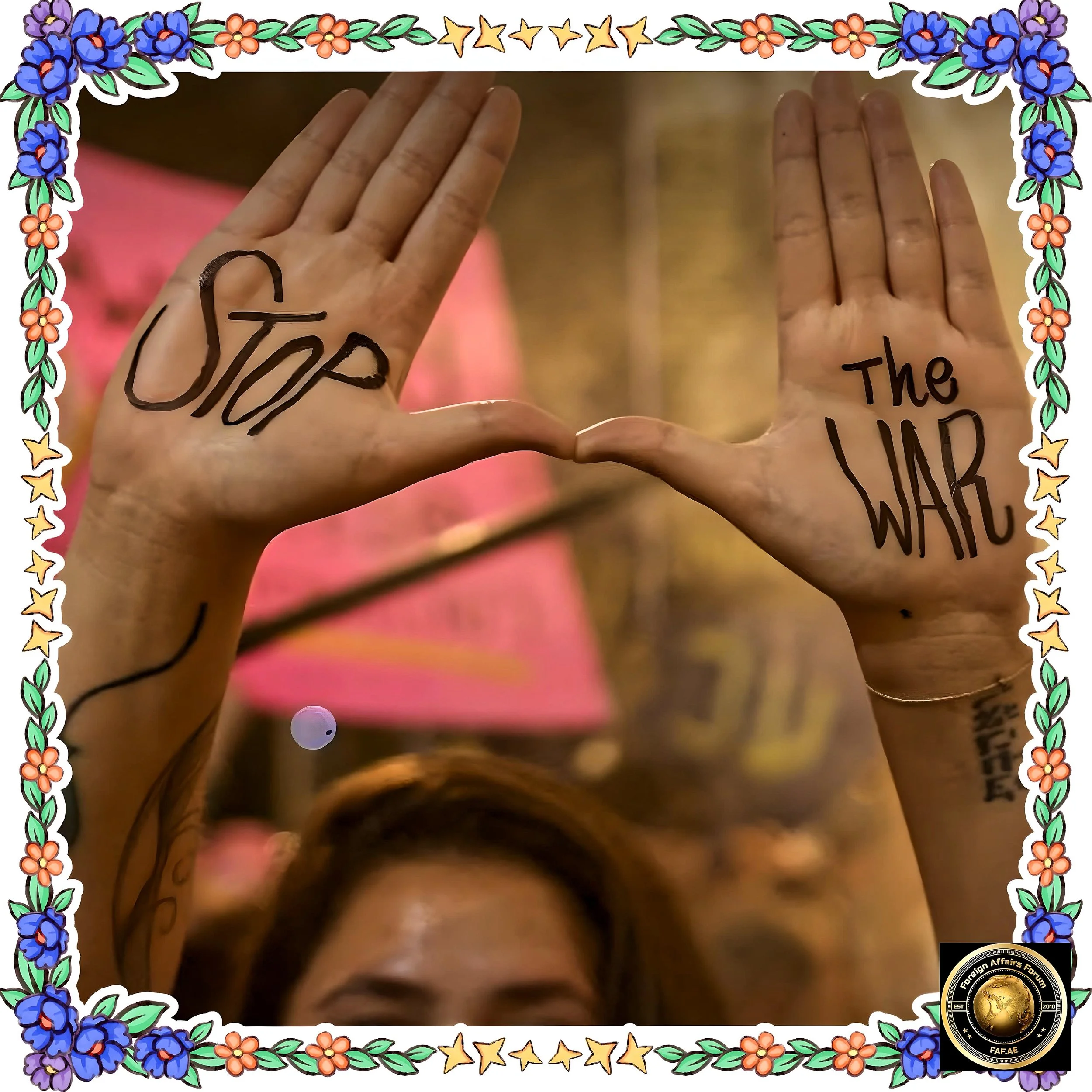
Stop war - In the ‘White house’ with guests‼️
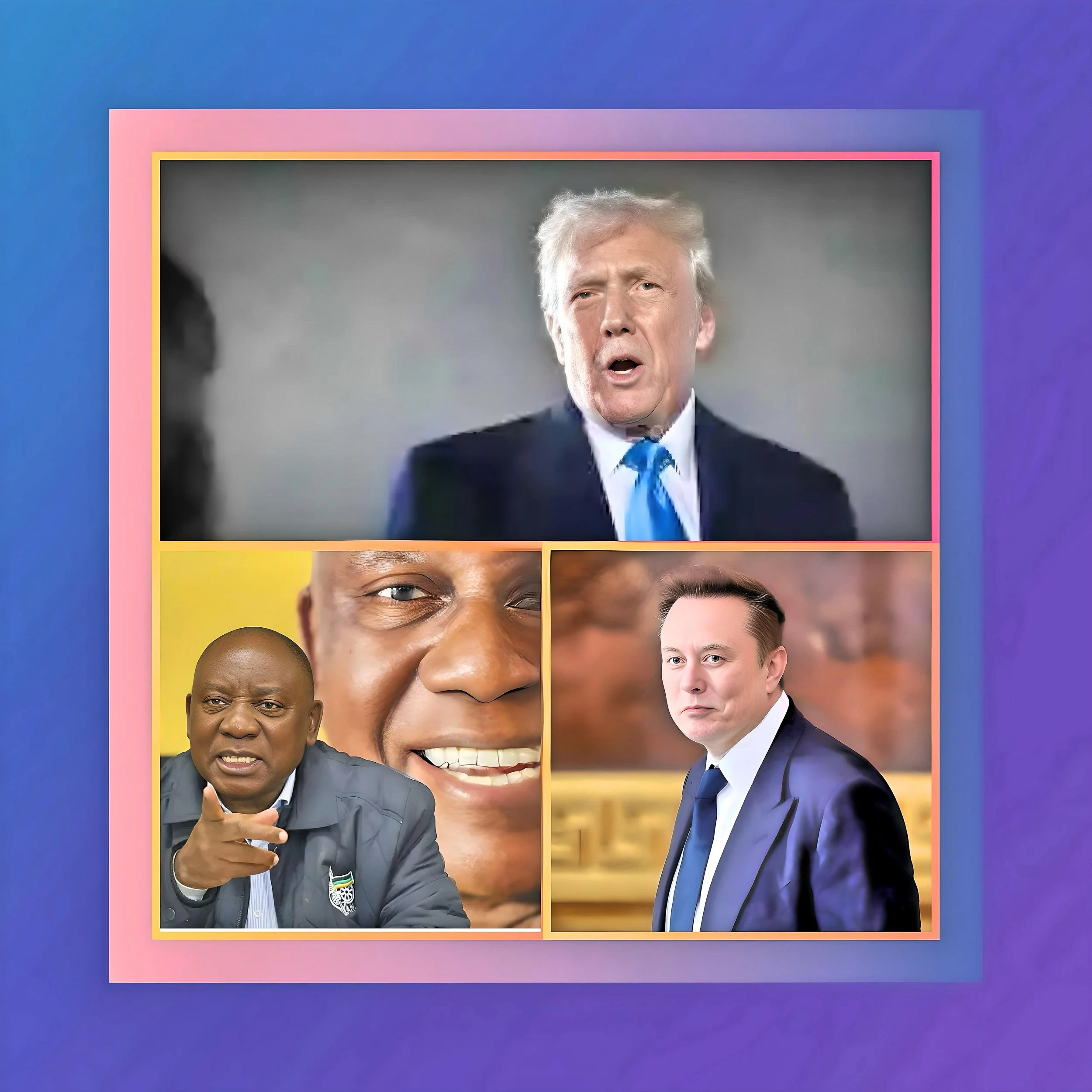
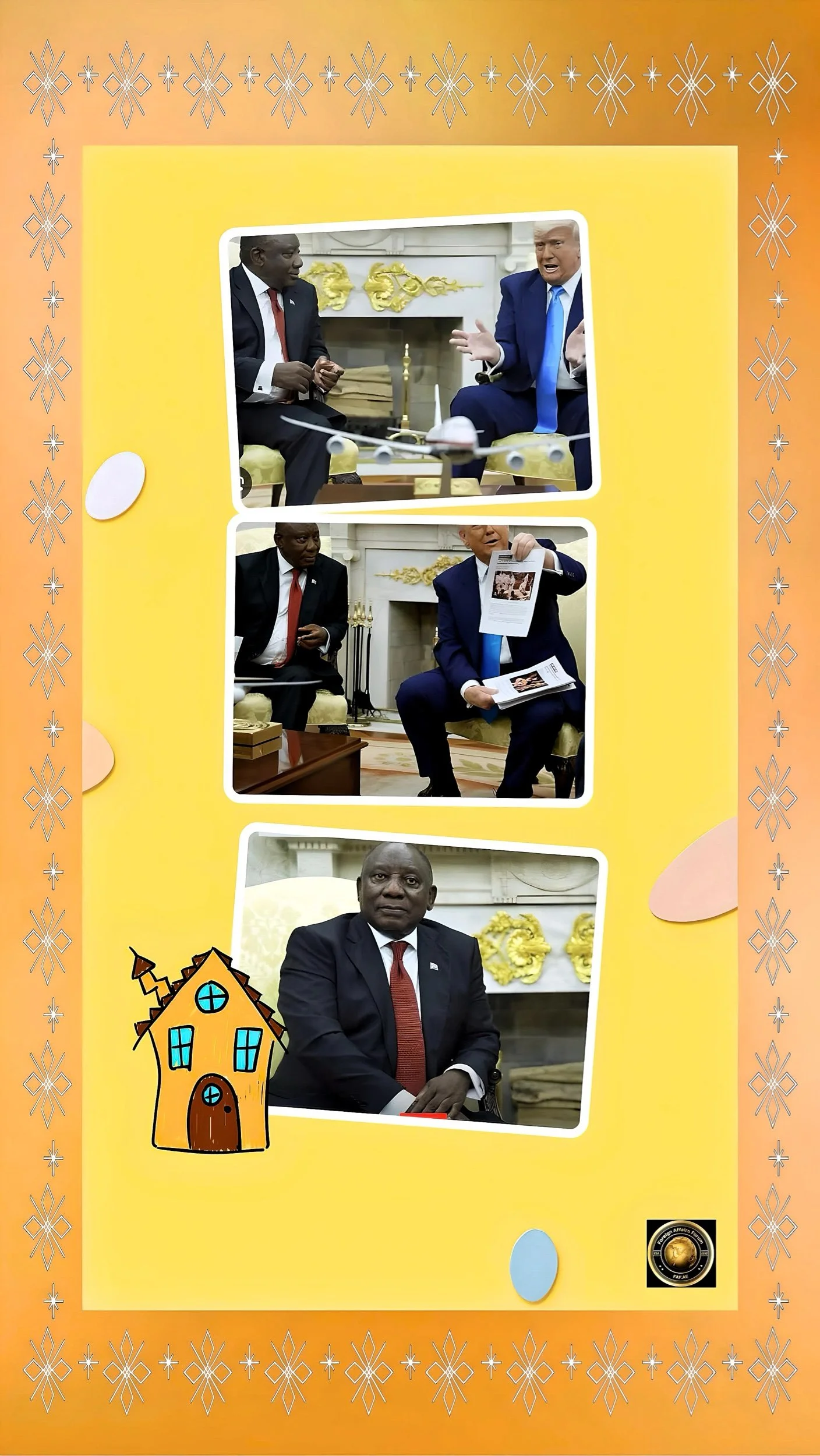
The extraordinary White House meeting between U.S. President Donald Trump and South African President Cyril Ramaphosa on May 22, 2025, represents a stark transformation of traditional diplomacy into what many observers have characterized as political theater.
The encounter, marked by Trump’s orchestrated confrontation over disputed “white genocide” claims and Ramaphosa’s measured response, reveals complex dynamics of power, racial politics, and international relations that extend far beyond the Oval Office walls.
Africa.Media shares ‘while neither leader emerged as a clear victor, the meeting’s theatrical nature and substantive outcomes highlight the evolving—and increasingly unpredictable—landscape of U.S. foreign policy under Trump’s second term.”
The Choreographed Confrontation
Trump’s Multimedia Ambush Strategy
The meeting began cordially with discussions about golf before transforming into what multiple sources described as a carefully orchestrated confrontation.
Trump instructed aides to “dim the lights” and activated television screens that had been wheeled into the Oval Office moments before Ramaphosa’s arrival.
The presentation featured a video montage displaying what Trump claimed was evidence of systematic persecution against white South Africans, including footage of opposition politicians chanting anti-apartheid slogans and images of white crosses that Trump alleged marked the graves of murdered white farmers.
This theatrical approach represents a departure from traditional diplomatic protocols. Trump transformed historically “staid diplomatic photo sprays” into “punishing, hour-long tests of nerve in the heart of the US presidency, played out on live television.”
The multimedia presentation was accompanied by printed articles that Trump claimed documented murders of white South Africans, repeatedly emphasizing the word “death” as he flipped through the materials.
Ramaphosa’s Calculated Response
Despite the confrontation's unexpected nature, Ramaphosa demonstrated remarkable composure throughout.
Drawing on his extensive negotiating experience as the African National Congress’s chief negotiator during the apartheid transition in the early 1990s, Ramaphosa responded with what observers characterized as “calm, measured” diplomacy.
When confronted with Trump’s claims, he maintained that “if there was Afrikaner farmer genocide, I can bet you, these three gentlemen would not be here,” referring to the white golfers and businessmen present in his delegation.
Ramaphosa’s strategy involved bringing strategic allies to the meeting, including prominent white South Africans such as luxury goods tycoon Johann Rupert and champion golfers Ernie Els and Retief Goosen.
This diplomatic shield proved effective in demonstrating the multiracial nature of his delegation while providing credible voices to counter Trump’s narrative.
Winners and Losers in the Diplomatic Drama
Ramaphosa’s Domestic Victory
Within South Africa, Ramaphosa emerged as a clear winner in terms of public perception and domestic support.
South African and social media commentators widely praised his handling of what many termed a “Trump ambush.”
Veteran journalist Milton Nkosi captured the prevailing sentiment, asking, “What else could Cyril have done?
You’re in a no-win situation”. Social media users commended Ramaphosa for remaining “calm, composed, and humble in the face of bigotry and falsehoods.”
The positive domestic reaction reflects an appreciation for Ramaphosa’s diplomatic experience and ability to maintain dignity under pressure.
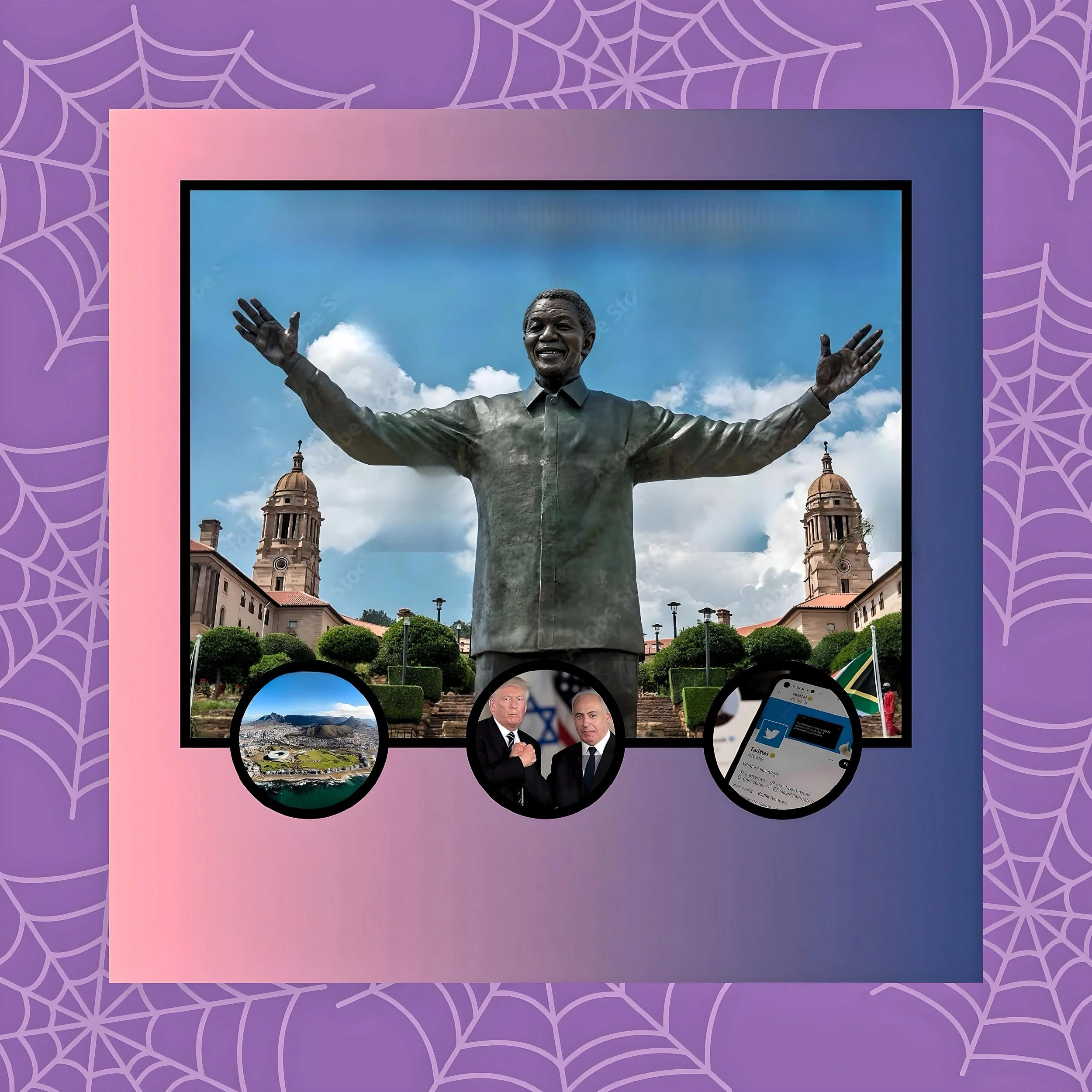
His background as a protégé of Nelson Mandela and his role in dismantling apartheid gave him moral authority and practical negotiating skills that served him well in this challenging encounter.
Trump’s Mixed Messaging Success
From Trump’s perspective, the meeting served multiple domestic political objectives.
As former U.S. ambassador to South Africa Patrick Gaspard noted, the white farmer genocide narrative represents a “perfect trifecta” for Trump, allowing him to “appeal to a domestic audience fixated on perceived existential threats while diverting attention from internal economic challenges.”
The presence of Elon Musk, who has been vocal about alleged anti-white policies in South Africa, reinforced this messaging strategy.
However, foreign policy experts and international observers significantly criticized Trump's approach.
Gaspard described the encounter as “deeply offensive and damaging to a partnership we have with a crucial nation in sub-Saharan Africa,” arguing that it “undermines the dignity of the Oval Office.”
International Community’s Concerns
The international community largely viewed the meeting as problematic for broader diplomatic norms and U.S. leadership.
Multiple sources highlighted concerns that Trump’s confrontational approach could deter other world leaders from accepting White House invitations, potentially undermining American diplomatic influence.
The meeting was repeatedly compared to Trump’s earlier confrontational encounter with Ukrainian President Volodymyr Zelensky, suggesting a concerning pattern in Trump’s approach to foreign leaders.
Key Highlights and Substantive Outcomes
The Theatrical Centerpiece
The most memorable moment occurred when Trump requested the lights be dimmed and presented his multimedia display.
The video featured South African opposition leader Julius Malema chanting “Shoot the Boer,” an anti-apartheid slogan, alongside images of alleged burial sites of white farmers.
Trump’s dramatic commentary—“Death, death, death”—as headlines flashed on screen created what many described as an unprecedented spectacle in the Oval Office.
Ramaphosa’s response demonstrated both diplomatic skill and factual grounding. He pointed out that the politicians featured in the video were not government officials, and their rhetoric did not represent government policy.
He also noted that he had never seen the footage of alleged burial sites and requested information about where it was filmed.
Economic and Trade Discussions
Despite the confrontational opening, both leaders claimed progress on substantive issues during their private discussions following the televised portion of the meeting.
Ramaphosa indicated that South Africa had presented a comprehensive trade agreement proposal to Trump, including potential purchases of liquefied natural gas from the United States.
Trade Minister Parks Tau confirmed the proposal was “met with a favorable response.”
Ramaphosa also suggested that future discussions would focus on collaboration in rare earth metal mining, an area of strategic importance for both nations.
Additionally, he claimed to have convinced Trump to reconsider attending the G20 summit in South Africa in November, despite the Trump administration’s earlier announcement of a boycott.
The Elon Musk Factor
The presence of South African-born billionaire Elon Musk added another layer of complexity to the meeting.
Musk, who has accused Ramaphosa of pursuing anti-white policies, observed the exchange from behind one of the Oval Office’s gold sofas.
Johann Rupert, the luxury goods tycoon in Ramaphosa’s delegation, directly addressed Musk during the meeting, advocating for Starlink deployment at South African police stations and emphasizing that violent crime affects all racial groups.
Media Coverage and International Reactions
Fact-checking and Credibility Concerns
International media coverage consistently characterized Trump’s claims about white genocide in South Africa as “baseless,” “unfounded,” and “widely discredited.”
The BBC’s fact-checking analysis noted that Trump’s claims were “demonstrably false.”
At the same time, other outlets emphasized that violent crime in South Africa affects all communities, with Black citizens comprising the overwhelming majority of victims.
The international media’s response highlighted concerns about spreading conspiracy theories in diplomatic settings and the potential impact on bilateral relations between the United States and African nations.
Comparative Analysis with Previous Encounters
Media coverage repeatedly drew parallels between the Ramaphosa meeting and Trump’s earlier confrontation with Ukrainian President Zelensky.
However, analysts noted key differences in the outcomes.
While the Zelensky meeting “devolved into a heated argument involving both Trump and Vice President JD Vance,” Ramaphosa’s encounter “never escalated into anger or hostility.”
This distinction was attributed to Ramaphosa’s diplomatic experience and strategic preparation for the meeting.
Global South Implications
Several commentators noted the broader implications for U.S. relations with Global South nations.
The confrontational approach toward South Africa and similar treatment of other developing nations has raised concerns about American diplomatic influence in regions where China is expanding its presence.
Senator Chris Van Hollen warned that if South Africa “continued to feel marginalized by the U.S., it could also adversely affect American interests.”
Conclusion
The Trump-Ramaphosa meeting represents a watershed moment in contemporary diplomacy, illustrating the theatrical nature of Trump’s foreign policy approach and the resilience of experienced diplomatic leadership under pressure.
While neither leader achieved a complete victory, Ramaphosa’s measured response earned domestic praise and international respect, while Trump succeeded in promoting his preferred narrative to his domestic base.
The encounter’s broader significance lies in demonstrating how traditional diplomatic norms continue to evolve under Trump’s presidency.
The transformation of the Oval Office into what observers characterized as a “political ambush” venue raises fundamental questions about the future of American diplomatic leadership and its ability to maintain constructive relationships with key international partners.
The meeting’s mixed outcomes—combining confrontational theater with claims of substantive progress on trade and cooperation—suggest that both nations must navigate an increasingly complex bilateral relationship.
The international community’s critical response indicates that such dramatic diplomatic encounters may ultimately undermine rather than strengthen American influence on the global stage, particularly in regions where competitors like China actively seek to expand their diplomatic and economic presence.