Socio-Economic and Political Winners and Losers in US Alliance Prioritization
Introduction
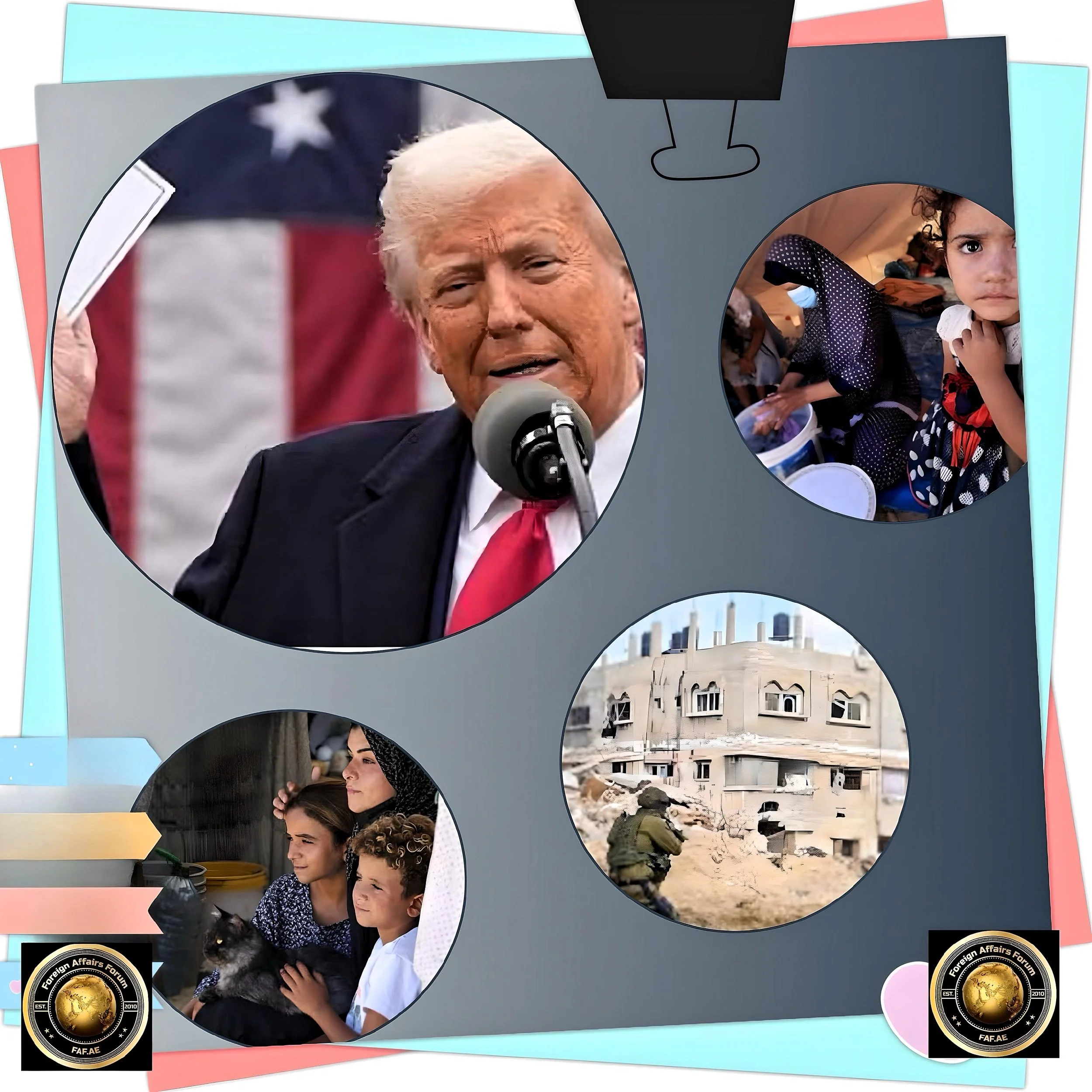
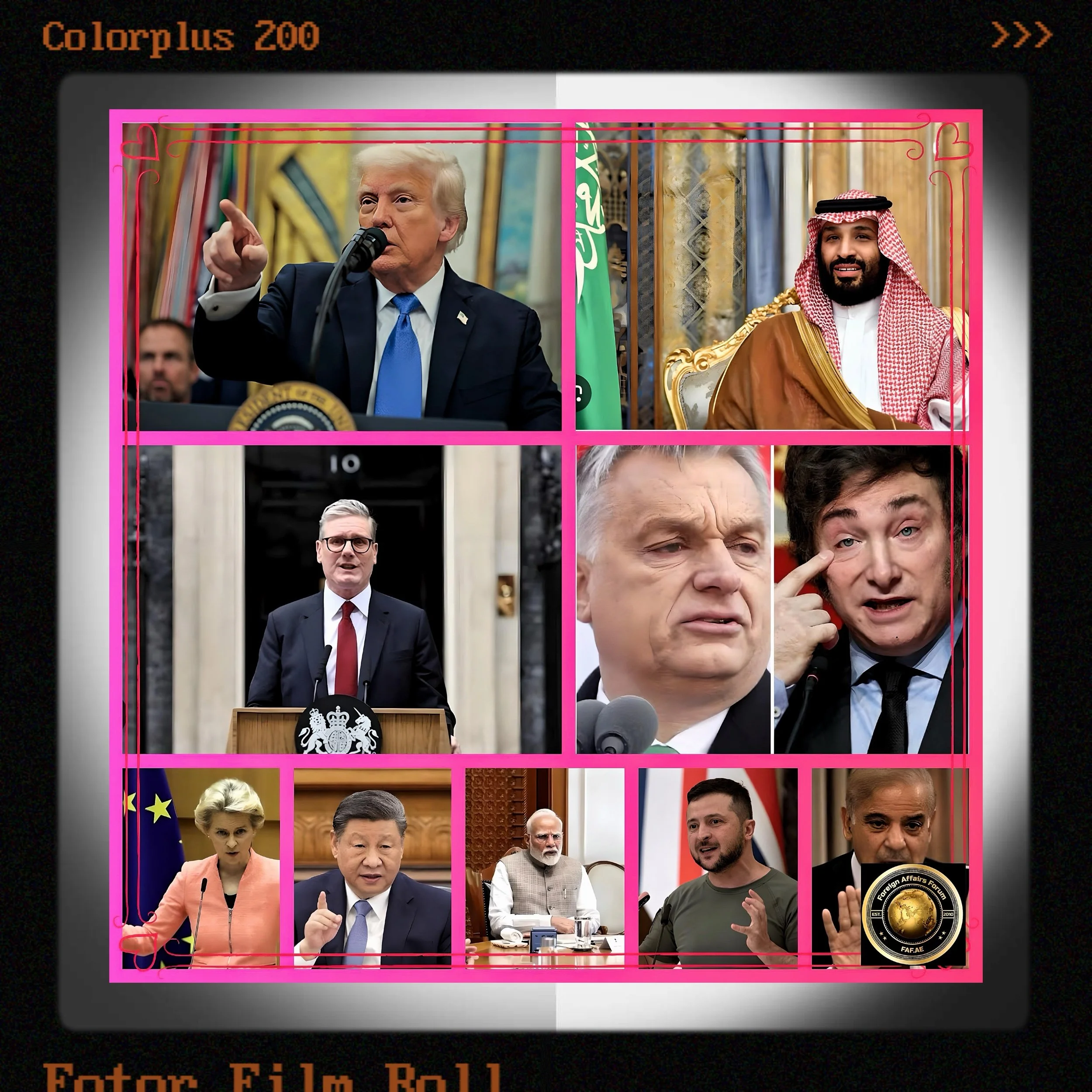
The United States shifting alliance priorities under the Trump administration have created clear socio-economic and political winners and losers.
Traditional partners in Europe, the Middle East, and North America face strained relations and economic penalties, while nations aligning with Washington’s transactional foreign policy gain strategic and financial benefits.
FAF, Political. Buzz analyzes these dynamics through the lens of recent trade conflicts, aid restructuring, and geopolitical realignments.
Transatlantic Relations
Erosion of Traditional Partnerships
European Union: Economic and Strategic Setbacks
The EU has emerged as a significant loser in the US trade war, with projected GDP growth downgraded to 1.1% in 2025 due to tariffs and policy uncertainty.
The Trump administration’s 25% tariffs on EU steel, aluminum, and automotive imports have disrupted integrated supply chains, particularly in Germany’s auto sector.
Retaliatory EU measures, such as targeting American agricultural exports, have further escalated tensions, with both sides risking $10 trillion in cumulative losses.
Politically, Vice President JD Vance’s confrontational rhetoric at the 2025 Munich Security Conference alienated EU leaders, marking a “watershed moment” in transatlantic relations.
While the EU has stepped up military aid to Ukraine (proposing €40 billion in 2025), this reflects necessity rather than strength, as reduced US support forces Europe to shoulder greater security burdens.
The “Special Relationship” and the Recent UK-US Tariff Deal
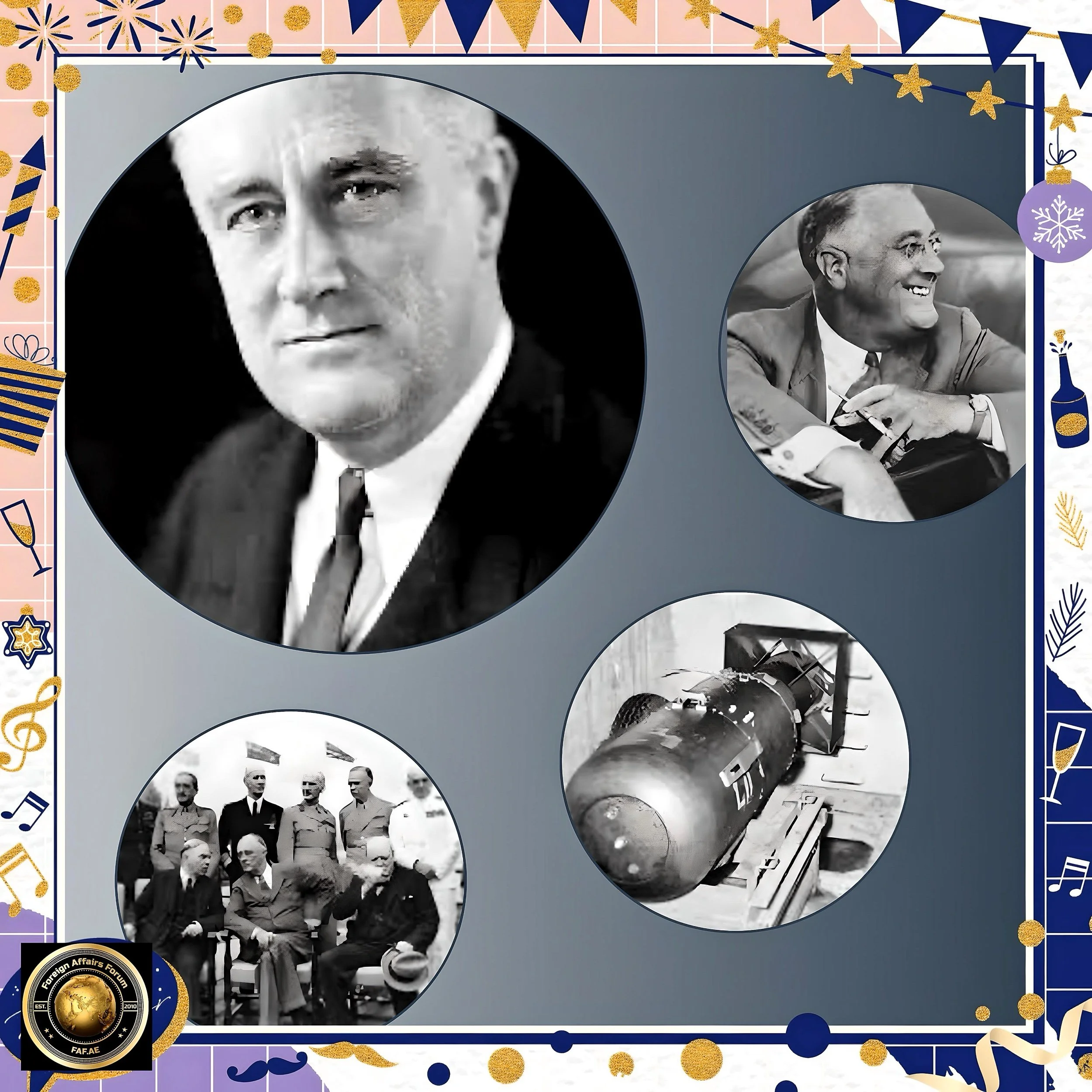
The “Special Relationship” between the United Kingdom and the United States is a term used to describe their close diplomatic, military, and economic ties, dating back to World War II and popularized by Winston Churchill in 1946.
While the relationship has seen highs and lows, it has generally been marked by deep intelligence, defense, and trade cooperation.
Did the UK Gain from the Recent Tariff Deal Overall?
Economic Impact: Mitigating Harm, Not Eliminating It
The new UK-US trade deal, signed in response to sweeping tariffs imposed by the US in 2025, is best characterized as a damage-limitation exercise rather than an outright economic gain for the UK. Here’s a breakdown
Tariffs Before and After
The US imposed a 10% tariff on all imports, with even higher rates on cars (27.5%) and steel/aluminum (25%).
The new deal reduces car tariffs to 10% (for up to 100,000 vehicles per year) and eliminates tariffs on UK steel and aluminum exports.
For most other goods, the 10% tariff remains in place.
Net Economic Effect
Without any deal, the UK economy was projected to lose £10.8 billion in GDP by 2030 and see 137,000 jobs at risk.
The new deal reduces the projected GDP loss to £4.3 billion and the number of jobs affected to 59,000.
While the deal saves “thousands” of jobs in the automotive and steel sectors, the UK is still worse off than before the tariffs were imposed.
Strategic and Political Considerations
The deal is politically significant for the UK government, demonstrating an ability to protect key industries and jobs in the face of US protectionism.
Some experts describe the negotiation as “skillful,” achieving sectoral relief with only modest UK concessions, such as limited US beef and ethanol access.
However, the overall economic relationship remains less favorable than before the US tariff hikes, and the UK is still seeking a broader agreement with the US and the EU.
Criticism and Limitations
Economy.Inc notes that the deal does not restore the pre-tariff status quo; the UK is still worse off than before the tariffs, and the 10% baseline tariff on most goods remains a drag on trade.
Digital services, financial services, and many other sectors have made little progress, and further negotiations are needed.
The deal is not a comprehensive free trade agreement but a set of sectoral fixes.
Did the UK gain from the tariff deal overall?
The UK did not gain in absolute terms compared to the pre-tariff situation.
However, the deal significantly reduced the economic harm that would have resulted from the full force of US tariffs, saving billions in GDP and tens of thousands of jobs, especially in the automotive and steel sectors.
The agreement is a partial win—it transforms a significant loss into a manageable setback rather than delivering net new gains for the UK economy.
The “Special Relationship” facilitated a pragmatic compromise, but the UK is still seeking broader, more favorable trade terms in the future.
Middle East: Selective Empowerment and Instability
Winners: Israel and Strategic Autonomy
Israel remains the top regional beneficiary, receiving $17.9 billion in US military aid since October 2023 and political backing for controversial policies, including proposals to resettle Palestinians in Jordan and Egypt.
This support reinforces Israel’s military dominance but exacerbates regional tensions, particularly with Arab states opposing Gaza-related plans
However, per Gulf.Inc, there is a strong sentiment that Israel is becoming a burden on the US and is viewed as a chaotic ally.
Recent developments indicate that Trump is intentionally distancing himself from Netanyahu, as demonstrated by his decision to bypass Israel during his Gulf visit.
Real gainers - Saudi, Qatar, and UAE from Trump visit
Per Gulf.Inc review, all three Gulf nations leveraged Trump’s transactional diplomacy to secure unprecedented business, defense, and technology agreements.
Saudi Arabia advanced its nuclear ambitions, Qatar gained tangible security assurances and economic wins, and the UAE positioned itself as a regional AI powerhouse.
While sometimes inflated in headline value, the deals mark a new phase in U.S.-Gulf relations, with the Gulf states emerging as central partners in Trump’s foreign policy agenda.
In summary, Saudi Arabia, Qatar, and the UAE emerged as clear winners from Trump’s 2025 Middle East visit, each securing concrete benefits that align with their long-term economic and strategic goals.
Losers: Egypt and Jordan’s Precarious Position
Egypt faces a potential loss of $1.5 billion in annual US military aid amid demands for governance reforms and pressure to accept Palestinian refugees.
Jordan, whose aid was suspended in January 2025, risks destabilization as Trump’s resettlement plan clashes with King Abdullah’s refusal to compromise regional stability.
Both nations are now exploring partnerships with Russia and China, though these alternatives lack the economic heft of US support.
Indo-Pacific: Strategic Gains Amid Trade Tensions
Who lost or gained US attention after the India - Pakistan War
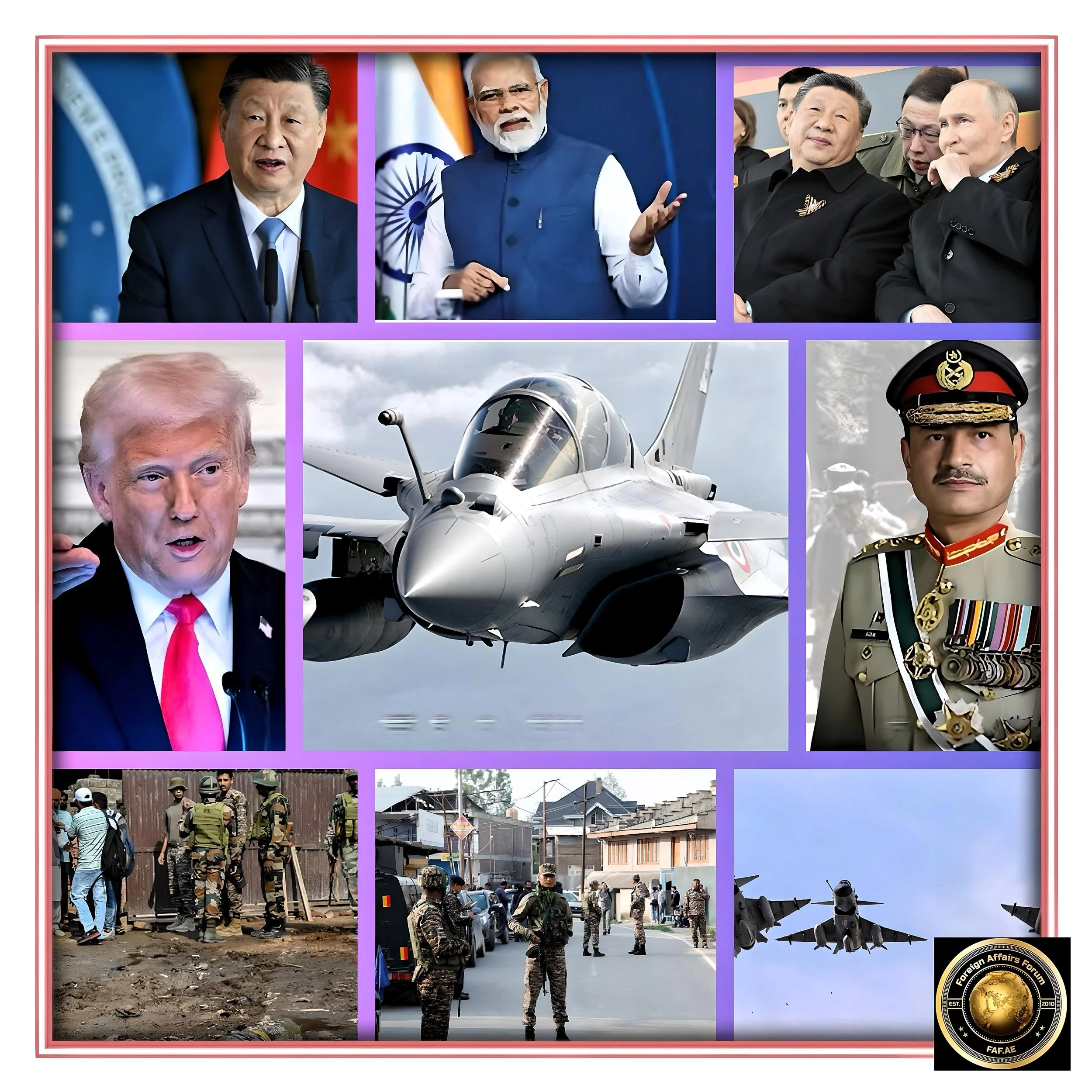
The United States did not entirely lose attention toward India after the 2025 India–Pakistan war, nor did Pakistan “gain” at India’s expense.
Instead, per the Defense Forum, the conflict led to a recalibration of U.S. engagement with both countries, with nuanced shifts in diplomatic dynamics and perceptions of U.S. favoritism.
U.S. Attention: Rebalancing, Not Abandonment
Continued Strategic Interest in India
The U.S. remains committed to its long-term strategic partnership with India, especially as a counterweight to China in the Indo-Pacific.
Apple's policy shift to manufacture in India is factual and confirms the US commitment.
With rising tensions with China per Delhi, America has no choice but to go to India.Media
Successive U.S. administrations have viewed India’s economic growth and regional stability as vital to American interests.
The U.S. continues to endorse India’s strategic autonomy and counterterrorism priorities, and India retains its status as a Major Defense Partner, though not as a Major Non-NATO Ally (MNNA).
Temporary Diplomatic Frustration
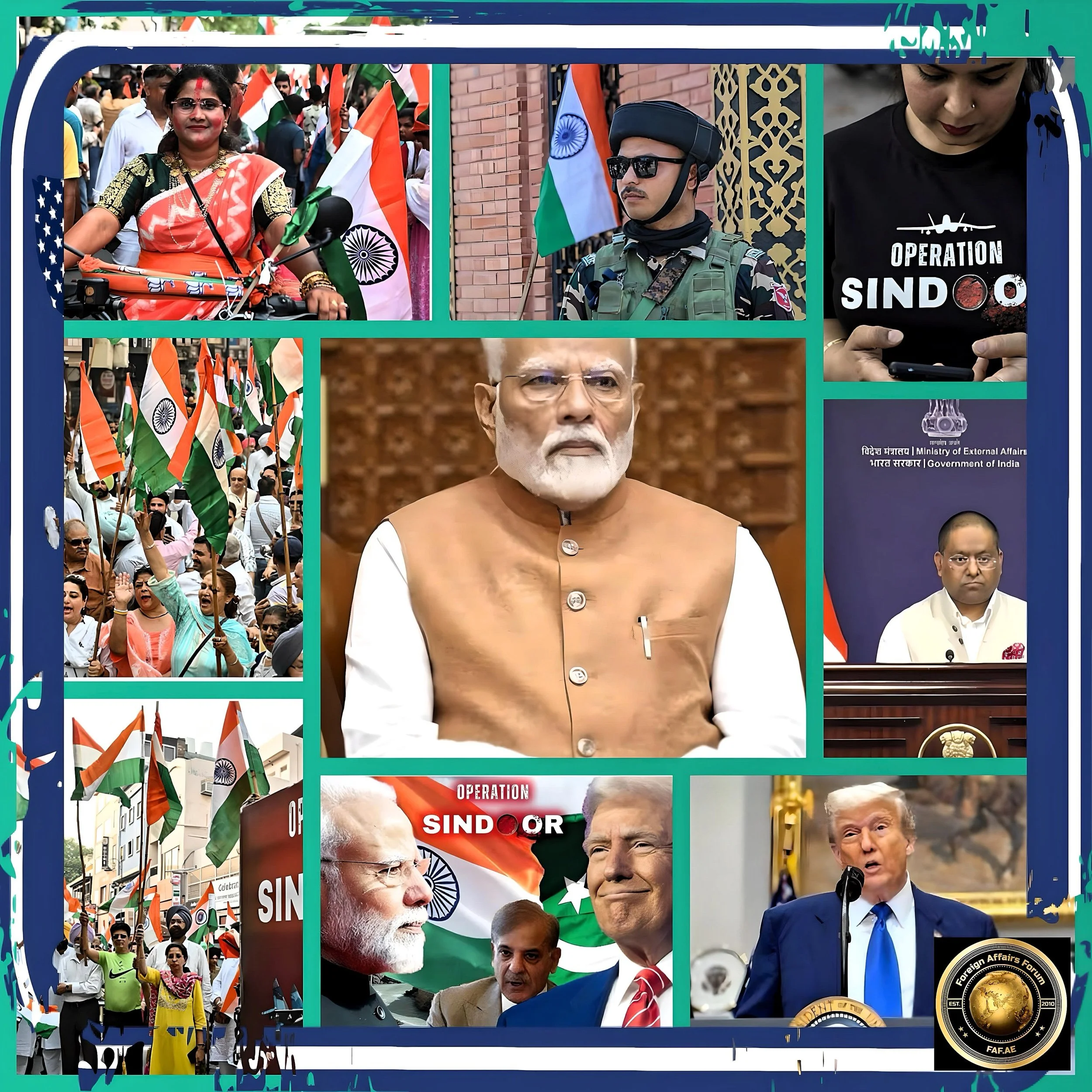
During the 2025 conflict, U.S. mediation—publicly claimed by President Trump—was welcomed by Pakistan but viewed by India as undermining its preference for bilateral crisis resolution and its resistance to third-party involvement, especially in Kashmir.
Indian officials were frustrated by what they saw as a U.S. portrayal of equivalence between India and Pakistan, which they believe diminishes India’s stature as a responsible regional power and the primary victim of cross-border terrorism.
No Loss of Core U.S.–India Partnership
Despite these diplomatic irritations, no evidence exists that the U.S. has fundamentally shifted away from India or deprioritized its partnership. In other words, there is no economic shift or loans to India.
As economy.Inc, stated ‘Words dont matter but actions do.”
The U.S. still sees India as a key ally in the Indo-Pacific, and the conflict is viewed as a distraction from shared strategic objectives—especially countering China—not as a reason to downgrade ties.
Pakistan’s Gains: Diplomatic, Not Strategic
Heightened U.S. Engagement
Pakistan benefited diplomatically from the U.S.-brokered ceasefire, using the opportunity to internationalize the Kashmir issue and to gain recognition for its willingness to negotiate.
The U.S. reaffirmed Pakistan’s MNNA status, which provides privileged military cooperation and access to certain defense benefits.
No Major Strategic Shift
While Pakistan gained short-term diplomatic attention and leveraged the crisis to highlight its grievances, these gains are not equivalent to a long-term strategic realignment.
Per Washington.Media, the U.S. continues to condition its support on Pakistan’s counterterrorism cooperation and economic reforms, and there are ongoing debates in Washington about whether to make this support more conditional.
The U.S. did not lose attention toward India after the 2025 conflict; instead, it remains focused on India as a strategic partner, though the episode highlighted diplomatic tensions over crisis management and third-party involvement.
Pakistan gained diplomatic leverage and attention during the crisis, but this did not translate into a fundamental shift in U.S. priorities or a downgrading of the U.S.–India relationship.
Both countries emerged from the conflict with a mix of gains and losses, but the U.S. continues to balance its relationships in South Asia with an eye toward broader strategic interests
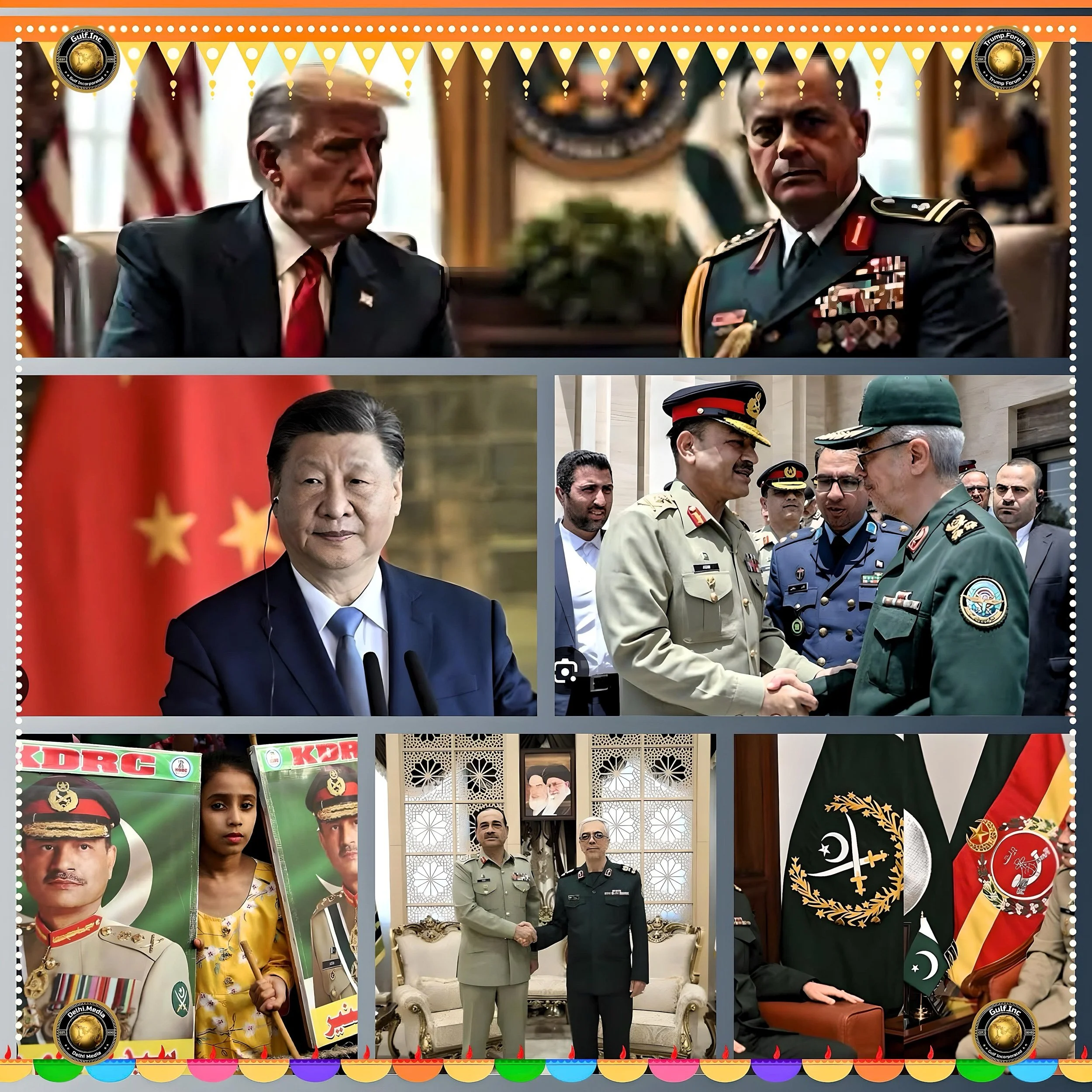
Pakistan: Gaining or losing from the US, China, and IMF after the war with India?
Following the recent military conflict with India, Pakistan’s relationships with the US, China, and the IMF have been sharply tested.
The aftermath reveals a complex mix of support, heightened scrutiny, and significant new challenges—overall, the balance tilts toward Pakistan losing more than it gains in the short term.
IMF: Stricter Conditions and Growing Risks
Expanded Conditionality
In direct response to the war and its fiscal fallout, the IMF has imposed 11 new conditions on Pakistan, raising the total to 50 structural benchmarks.
These include parliamentary approval of a record Rs 17.6 trillion budget, higher energy tariffs, reforms in agricultural taxation, and the removal of incentives for special economic zones by 2035.
Defence Spending Pressures
The IMF report highlights a sharp increase in Pakistan’s defense budget—up 12% to Rs 2.414 trillion, with government indications of an even higher allocation post-conflict.
This surge in military spending threatens to crowd out development and social sector investments, undermining the very reforms the IMF is demanding.
Warning on Sustainability
The IMF has explicitly warned that renewed or sustained tensions with India could derail Pakistan’s fiscal and reform agenda, putting the bailout program at risk.
The country’s fragile economic turnaround is now at greater risk of reversal
IMF mistake under pressure from US
Did the IMF Extend a Loan to Pakistan Under US Pressure During the India-Pakistan War
During the recent escalation of military conflict between India and Pakistan in April-May 2025, the International Monetary Fund (IMF) approved a $1 billion loan tranche to Pakistan as part of a larger $7 billion bailout program.
This decision was made despite strong objections from India, which argued that such financial assistance could be misused to fund cross-border terrorism and undermine regional security.
Was US Pressure Involved?
Yes, credible reports indicate that the IMF loan to Pakistan was extended under significant US pressure, and this was closely tied to efforts to de-escalate the conflict between India and Pakistan.
Multiple sources report that the United States played a key diplomatic role in brokering a ceasefire between India and Pakistan, which India has openly denied.
Behind the scenes, the US allegedly linked the disbursement of the IMF loan to Pakistan’s acceptance of a ceasefire. No facts back the assumption(s).
According to Washington.Media, the US warned Pakistan that continued access to IMF bailout funds was contingent on compliance with de-escalation efforts.
This economic leverage was used to nudge Pakistan toward agreeing to a ceasefire with India.
There are rumors that Indian officials and media outlets have described the US as having exerted pressure both on Pakistan to accept the ceasefire and on the IMF board to approve the loan despite Indian objections.
The information requires verification.
Why Did the US (and IMF) Act This Way?
The primary reasons for US involvement and IMF approval were
Regional Stability
The US has a longstanding interest in preventing a full-scale war between two nuclear-armed states.
By leveraging the IMF loan, the US sought to incentivize Pakistan to halt hostilities and accept a ceasefire.
Economic Crisis in Pakistan
Pakistan faced a severe economic crisis, with dwindling foreign reserves and mounting external debt.
The IMF loan was seen as a financial lifeline necessary to stabilize Pakistan’s economy and prevent a potential default.
IMF Mandate
The IMF stated that its decision was based on Pakistan’s progress in implementing economic reforms and the urgent need to support financial stability.
However, given the geopolitical sensitivities, the Fund also acknowledged the “reputational risk” and the need for “careful communication” to underscore its neutral role.
US Influence at IMF
As the IMF’s largest shareholder, the US has significant sway over major lending decisions.
Washington.Media indicate that the White House’s support was crucial for the loan’s approval.
Indian Response
India abstained from the IMF vote but lodged strong protests, warning that funds could be diverted to support terrorism or military operations against India.
Indian officials and political opposition criticized the Modi government for “buckling under US pressure” and failing to block the loan.
The IMF’s loan extension to Pakistan during the India-Pakistan conflict was closely linked to US diplomatic efforts to de-escalate the crisis.
The US used its influence to ensure the loan’s approval, making it a tool to pressure Pakistan into accepting a ceasefire.
Thus, the loan was not purely an economic decision but also a geopolitical maneuver aimed at stabilizing the region and averting a wider war.
It's clear now that Pakistan understands that a strategic approach to securing future IMF loans may involve escalating tensions with India. As Pakistan's economic situation evolves, this poses a significant risk of a full-scale future war.
Per the defense forum, how long will the US and IMF continue influencing Pakistan's policy toward India?
China
Diplomatic and Strategic Support but Limited Financial Relief
Political Backing
China has reiterated its “firm” support for Pakistan’s sovereignty and territorial integrity in the wake of the conflict, promising continued partnership in security and development.
CPEC and Economic Cooperation
Both sides have pledged to upgrade the China-Pakistan Economic Corridor (CPEC) and expand industry, energy, and mining cooperation.
However, there is no evidence of fresh financial bailouts or large-scale emergency aid from China following the war, per Beijing.Forum
Limits to Support
China’s backing is primarily diplomatic and strategic.
Key creditors, including China, are now more cautious, demanding fiscal discipline before extending new loans.
Beijing is unlikely to underwrite further military adventurism or absorb the costs of Pakistan’s economic instability.
US: Diplomatic Mediation, but No Major Economic Windfall
Ceasefire Facilitation
The US shares they played a role in brokering the ceasefire between India and Pakistan, helping to end the most intense conflict in decades, which is contradictory to India’s claim. However, India has denied the claim.
No New Aid or Trade Concessions
There is no indication of significant new US economic assistance or trade concessions for Pakistan in the immediate aftermath of the conflict, Washington.Media reports.
What is the US focus?
The US focus remains on regional stability or economic largesse, which remains to be understood.
However, FAF believes Trump sees Pakistan as his next target to make ‘deals.’
On the same lines, the Trump organization, led by Erox Trump, has made significant real estate developments without spending a penny in major metropolis areas, notably the Trump Tower in Gurugram, India, Pune, Mumbai, and Kolkata—Tribeca and Unimark partner with the Trump organization.
The Trump organization is managed by Eric Trump, avoiding conflict of interest. It needs to be seen as the ‘Trump’ brand name is only being used to facilitate profits.
Ongoing Economic Vulnerability
Pakistan’s export markets and access to finance remain vulnerable, with no sign of a significant boost from Washington to offset the costs of war.
Economic and Social Impact
Worsening Fiscal Position
The war has strained Pakistan’s fragile public finances, with higher defense spending, disrupted trade, and increased risk premiums for international borrowing.
Development Setbacks
Resources are being diverted from critical sectors such as health, education, and poverty alleviation to defense, threatening to reverse recent gains and stall the country’s development agenda.
Increased Poverty and Instability
With poverty rates already high at 25.3 % by the end of 2024 and more people expected to fall below the poverty line, the economic shock of war is likely to worsen social indicators and deepen structural vulnerabilities.
In the aftermath of the conflict with India, Pakistan is losing more than it is gaining from its key international partners
The situation at the end?
The IMF’s support is now tied to even stricter and more numerous conditions, with the risk of program suspension if tensions persist.
China offers strong diplomatic backing but is not providing substantial new financial relief, emphasizing discipline and stability.
The war has left Pakistan more isolated, fiscally constrained, and exposed to economic and social setbacks, with its international partners urging restraint and reform rather than offering unconditional support
China: Mixed Outcomes in Trade War
While US tariffs have slashed Chinese imports, Beijing leverages BRICS alliances and state-coordinated supply chains to redirect trade flows.
The EU’s pivot to Chinese markets amid US tensions offers partial compensation, though China’s technology sector faces barriers in Western markets.
Americas: Realignments and Economic Fallout
Winners: Argentina’s Pro-US Pivot
President Javier Milei’s alignment with Trump has yielded a $20 billion IMF bailout and defense partnerships, including a bid for NATO global partner status and F-16 acquisitions.
US Treasury Secretary Scott Bessent’s endorsement of Milei’s reforms underscores Argentina’s shift from China-dependent policies.
Losers: Mexico and Canada’s Trade Woes
Mexico faces a 2% GDP contraction risk from US tariffs, with automakers like GM considering a stateside production shift.
Canada’s $4.78 billion auto-sector remission program highlights the uneven impact of tariffs, favoring US-based manufacturers over integrated North American supply chains.
Eastern Europe and Beyond: Security Crises
Ukraine: Diminishing US Support
The suspension of $66.5 billion in US military aid in March 2025 has forced Ukraine to rely on EU commitments, weakening its position in peace talks with Russia.
Reduced intelligence sharing and artillery shortages jeopardize frontline stability, emboldening Russian advances.
The US and Ukraine recently signed a minerals treaty. The US is also pressuring Russia and Ukraine for a cease-fire as the EU imposes a fresh set of sanctions on Russia.
Hungary and Italy: Opportunistic Gains
Hungary’s reconciliation with the Trump administration secures political backing for Prime Minister Viktor Orbán’s policies, while Italy’s strategic alliance renewal focuses on joint technology and defense initiatives.
Conclusion
A Fragmented Global Order
The US prioritization of transactional alliances over traditional partnerships has reshaped global dynamics.
Economic winners like Israel, Argentina, and India gain strategic depth and financial concessions. At the same time, losers like the EU, Ukraine, and Jordan face destabilizing aid cuts and trade penalties, as reported by Economy.Inc
This realignment risks fragmenting multilateral institutions, empowering authoritarian states like Russia and China, and undermining long-term US influence.
Diversifying partnerships and increased self-reliance may offset losses for traditional allies, but the socio-political costs of fractured alliances will persist.