Modi’s Diplomatic Rebuttal: Countering Trump’s Claims on Ceasefire, Kashmir, and Trade
Introduction
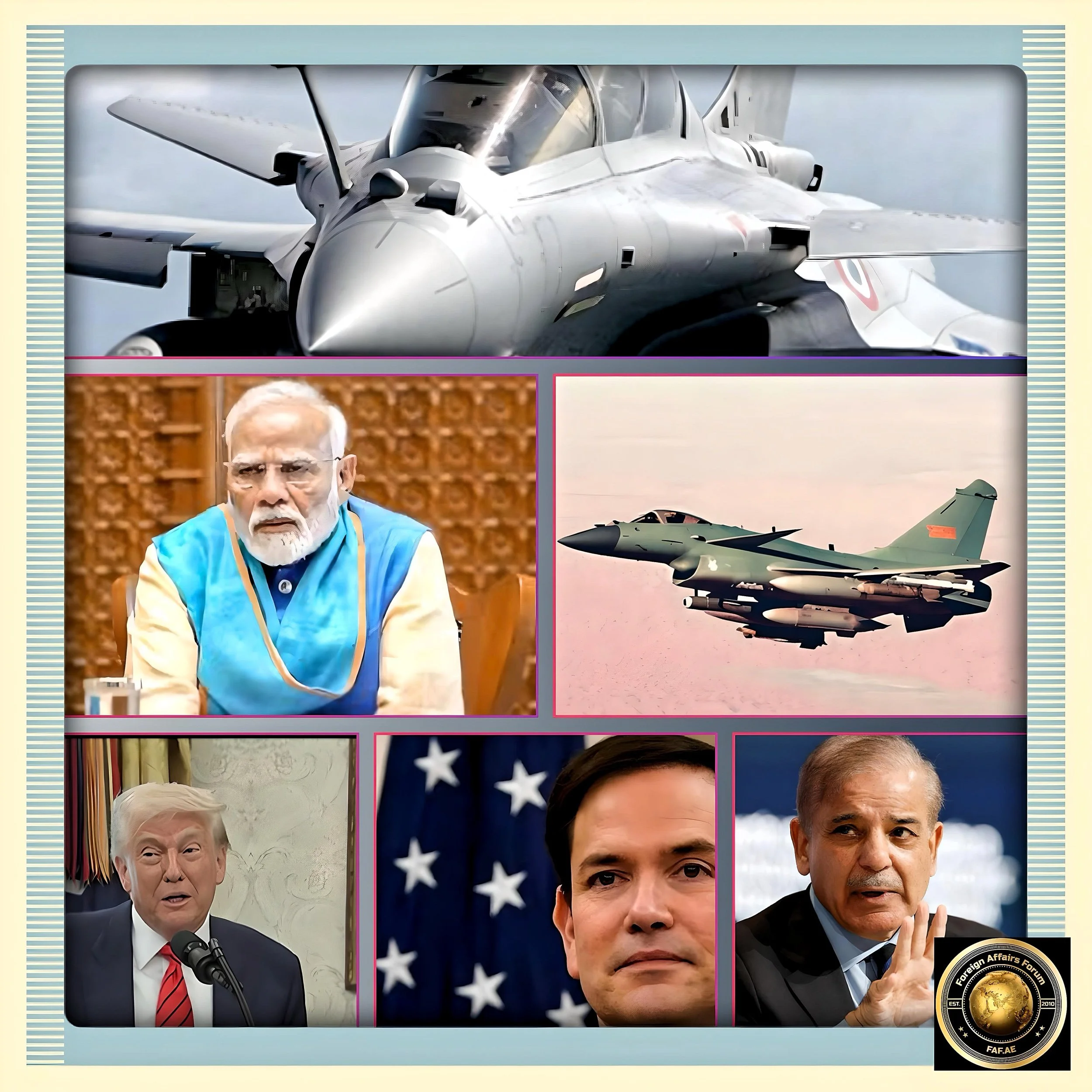
Recent tensions between U.S. President Donald Trump and Indian Prime Minister Narendra Modi have centered on Trump’s repeated assertions about mediating the India-Pakistan ceasefire, resolving the Kashmir conflict, and leveraging trade deals.
These claims, widely circulated in international media and forums, have prompted sharp rebuttals from New Delhi, aiming to safeguard India’s sovereignty and counter perceived misrepresentations.
Ceasefire Claims: Military Action vs. U.S. “Mediation”
Trump’s Narrative
Trump has consistently claimed credit for brokering the May 2025 ceasefire between India and Pakistan, framing it as a U.S.-led diplomatic success.
He asserted that his administration intervened to prevent a “bad nuclear war,” using trade incentives to de-escalate tensions.
In a speech to U.S. troops in Qatar, Trump stated, “I don’t wanna say I did, but I sure as hell helped settle the problem between Pakistan and India.” He also linked the ceasefire to future trade agreements, suggesting, “Let’s do a trade instead of war.”
India’s Rebuttal
The Indian government categorically rejected these claims, emphasizing that the ceasefire resulted from direct military-to-military negotiations, not U.S. mediation. The Ministry of External Affairs (MEA) clarified:
No Third-Party Involvement
The ceasefire terms were finalized via a hotline call between the Directors General of Military Operations (DGMOs) of India and Pakistan on May 10, 2025, after Pakistan’s DGMO requested de-escalation following India’s precision strikes on Pakistani airbases.
Military Compulsion
MEA spokesperson Randhir Jaiswal stressed, “It was the force of Indian arms that compelled Pakistan to stop its firing.”
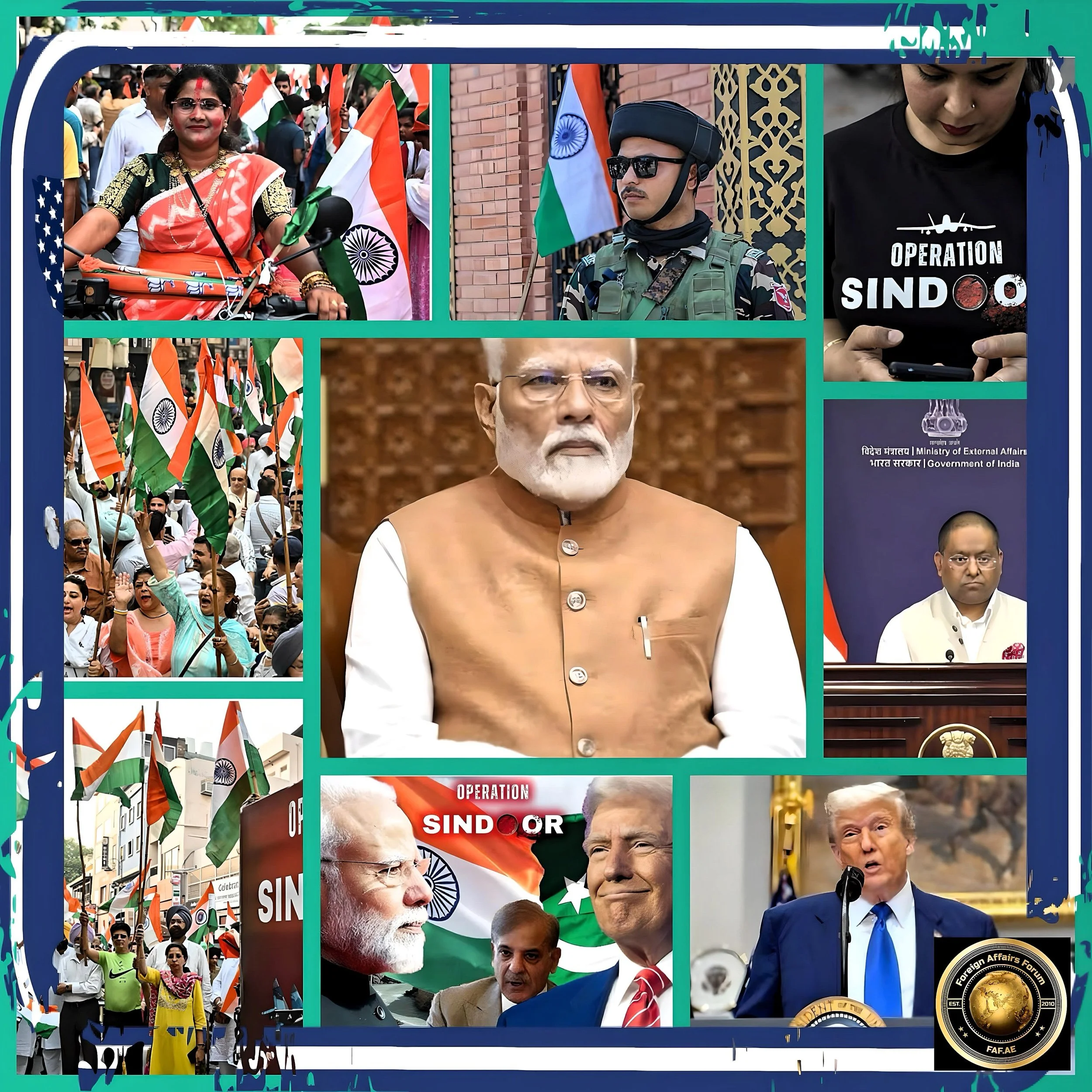
India’s Operation Sindoor, launched in response to the April 22 Pahalgam terror attack, targeted terror infrastructure in Pakistan-occupied Kashmir (PoK), leading to Pakistan’s capitulation
Nuclear Blackmail Dismissed
India dismissed Trump’s nuclear escalation rhetoric, noting that military engagements remained strictly conventional.
The MEA highlighted Pakistan’s denial of convening its Nuclear Command Authority during the conflict.
Kashmir: Rejecting Mediation, Reasserting Bilateralism
Trump’s Offers
Trump repeatedly offered to mediate on Kashmir, framing it as a “1,000-year fight” requiring U.S. intervention.
He linked this to his ceasefire claims“I will work with you both to see if, after a ‘thousand years,’ a solution can be arrived at concerning Kashmir.” Pakistan welcomed these overtures, but India rebuffed them.
India’s Stance
India reiterated its longstanding policy of bilateral resolution under the Simla Agreement (1972) and Lahore Declaration (1999). Key points include:
No Scope for Mediation
The MEA asserted, “The only outstanding matter is the vacation of illegally occupied Indian territory by Pakistan.”
Domestic Backlash
Opposition parties, including the Congress, criticized Trump’s statements as undermining Modi’s “strongman” image.
Congress leader Jairam Ramesh questioned Modi’s silence, asking, “What has he agreed to, and what linkage is there between this and the stoppage of Operation Sindoor?”.
Trade: Denying Leverage and “Zero-Tariff” Claims
Trump’s Assertions
Trump claimed India offered a “zero-tariff deal” in exchange for peace, stating, “If you stop it, we’ll do trade. If you don’t stop it, we’re not gonna do any trade.”
He framed this as a novel use of economic pressure to resolve conflicts.
India’s Response
The MEA and Commerce Ministry rejected any linkage between trade and the ceasefire:
No Trade Discussions
Officials clarified that trade was never raised during India-U.S. conversations about the conflict. Foreign Secretary Vikram Misri noted, “The trade issue did not come up in any of these discussions.”
Ongoing Negotiations
While a bilateral trade deal is under discussion, India emphasized it would not concede to U.S. pressure. Commerce Minister Piyush Goyal’s visit to Washington focused on mutual benefits, not concessions.
Political Fallout in India
Modi’s Domestic Challenges
Trump’s claims have sparked domestic criticism, with opponents accusing Modi of compromising India’s sovereignty:
Opposition Pressure
The Congress party demanded transparency, with MP Manish Tewari asking, “Is it a fact that India has offered a zero-tariff deal? That needs an explicit answer”.
Media and Public Reaction
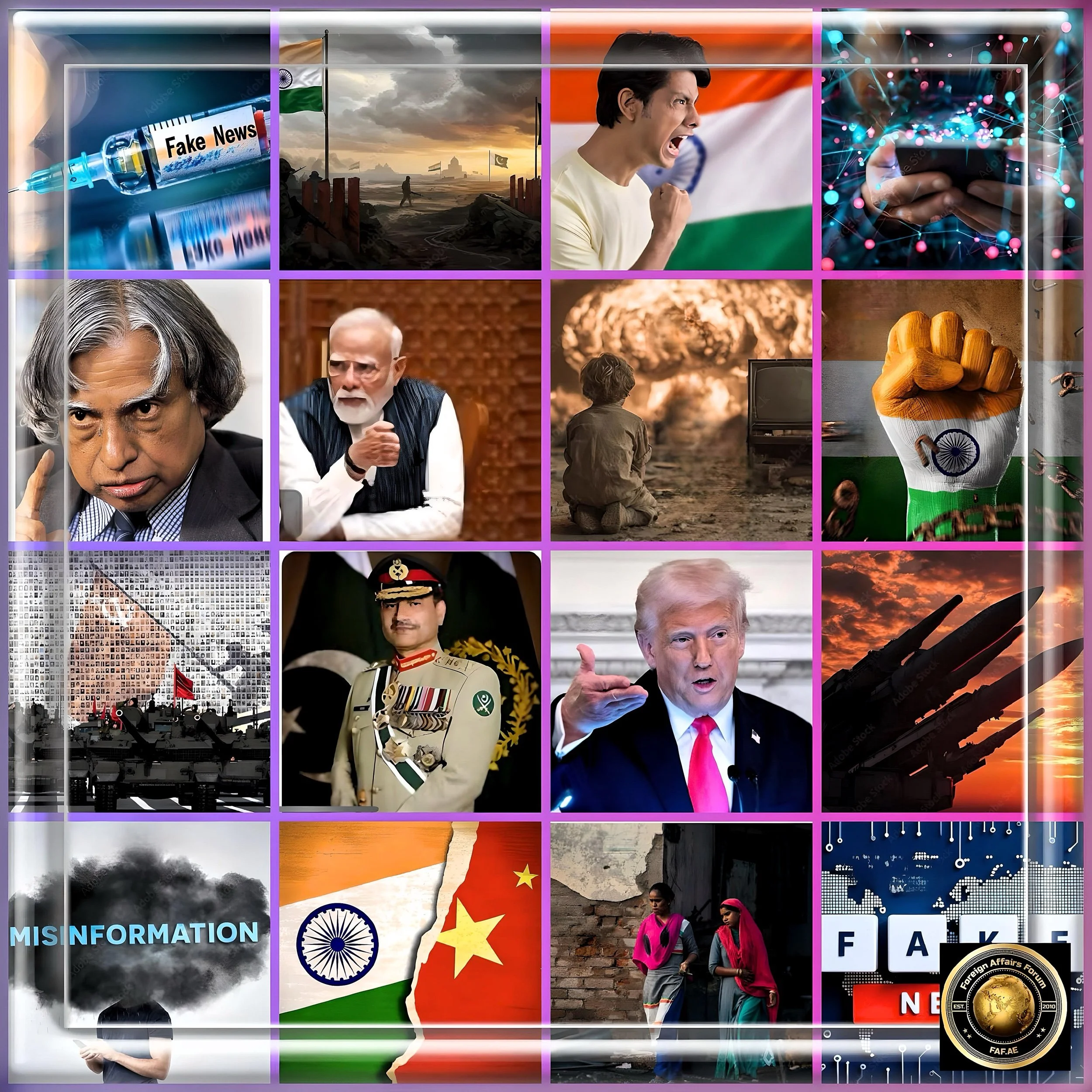
Trump’s boasts became fodder for social media ridicule, with users mocking his self-aggrandizement and questioning Modi’s silence
Strategic Messaging
Modi’s government has prioritized assertive diplomacy to counter Trump’s narrative
Public Addresses
Modi framed the ceasefire as a tactical pause, vowing, “India will strike with precision and decisiveness against terrorist groups thriving under nuclear blackmail.”
Global Outreach
India highlighted Pakistan’s cross-border terrorism in multilateral forums, securing the UN Security Council's condemnation of the Pahalgam attack .
Conclusion: Sovereignty vs. Spectacle
The Modi-Trump friction underscores the tension between India’s insistence on bilateralism and Trump’s penchant for transactional diplomacy.
While Trump’s claims aim to bolster his image as a dealmaker, India has systematically debunked them through official channels, emphasizing military resolve and policy consistency.
However, the episode reveals vulnerabilities in India’s diplomatic playbook, particularly in managing U.S. administrations that prioritize spectacle over substance.
As the MEA’s rebuttals demonstrate, New Delhi remains committed to defending its strategic autonomy, even as it navigates the complexities of great-power politics.