The Pakistan-Saudi Arabia Pact: Implications for South Asia
Executive Summary
The recent agreement between Pakistan and Saudi Arabia holds significant implications for the geopolitical landscape of South Asia.
This pact, which encompasses various sectors, including defense cooperation, economic collaboration, and cultural exchange, aims to strengthen the ties between the two nations.
With Pakistan’s strategic position near critical trade routes and its crucial role in the Islamic world, this partnership could potentially reshape alliances and influence regional stability.
One of the key components of the pact is the enhancement of military cooperation. Both countries are expected to conduct joint military exercises, share intelligence, and collaborate on defense technology.
This military alignment is particularly important given the rising tensions in the region, especially concerning neighboring India and the evolving dynamics in Afghanistan.
On the economic front, the agreement is poised to boost trade and investment flows. Saudi Arabia, looking to diversify its economy under Vision 2030, sees Pakistan as a vital partner in its efforts to expand its economic footprint in South Asia.
This could lead to increased Saudi investments in infrastructure projects, energy development, and agriculture within Pakistan.
Culturally, the pact fosters deeper ties between the peoples of both nations through initiatives aimed at promoting education, religious tourism, and cultural exchanges.
Such initiatives not only strengthen bilateral relations but also enhance mutual understanding and cooperation among the broader Muslim community in South Asia.
In summary, the Pakistan-Saudi Arabia pact signifies a pivotal moment that could alter the balance of power in South Asia.
As both nations work towards common goals, the ramifications of this partnership will likely resonate throughout the region, affecting political dynamics, economic development, and cultural interactions.
Introduction
Strategic Mutual Defense Agreement: A Paradigm Shift in Regional Geopolitics
The Strategic Mutual Defense Agreement between Pakistan and Saudi Arabia, formally executed on September 17, 2025, signifies a pivotal transformation in the geopolitical landscape of the Middle East and South Asia.
This agreement emerges in the context of heightened tensions following the intense India-Pakistan confrontation of May 2025 and the contentious diplomatic maneuvers of former President Trump in the region.
Details of the Defense Pact: An Unprecedented Alliance
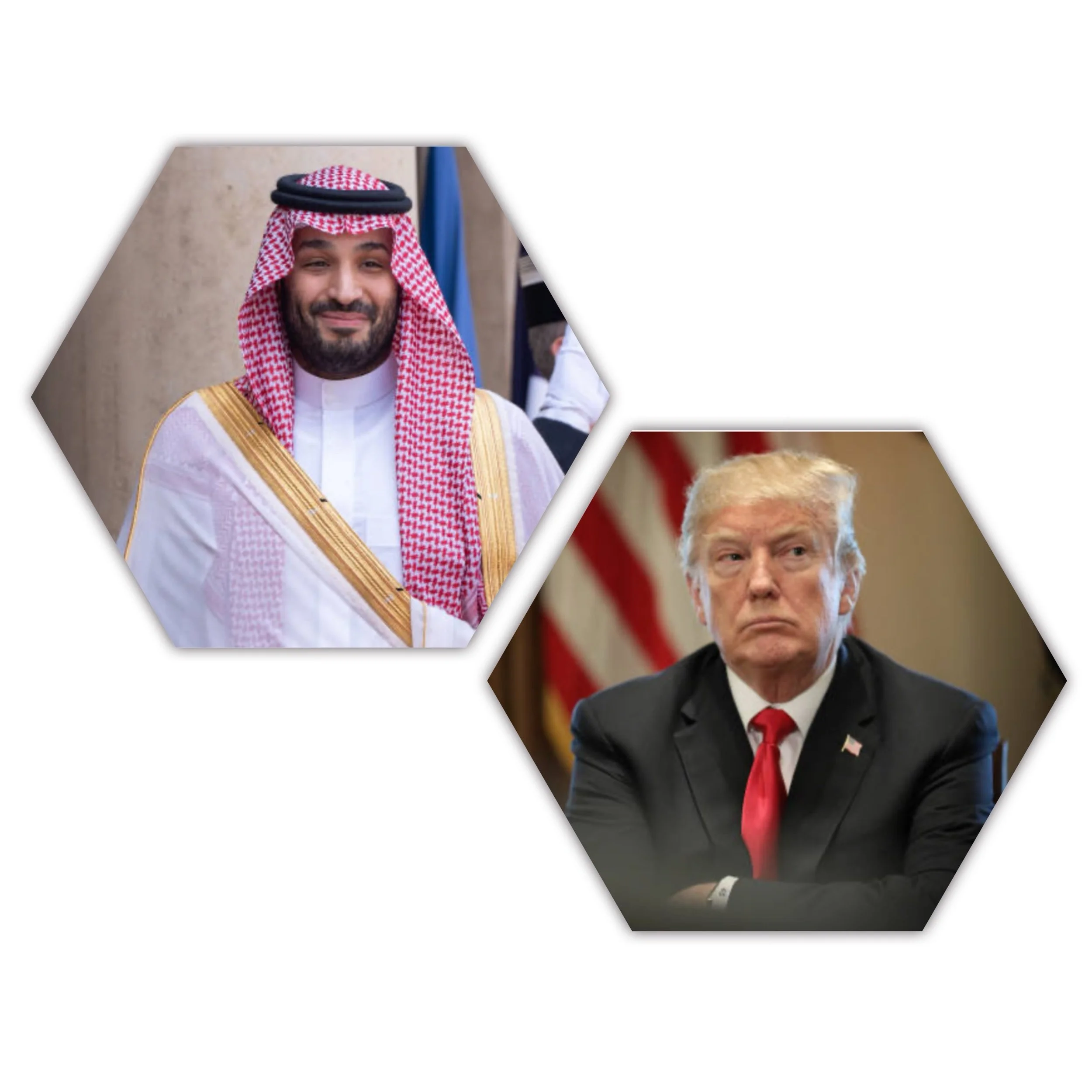
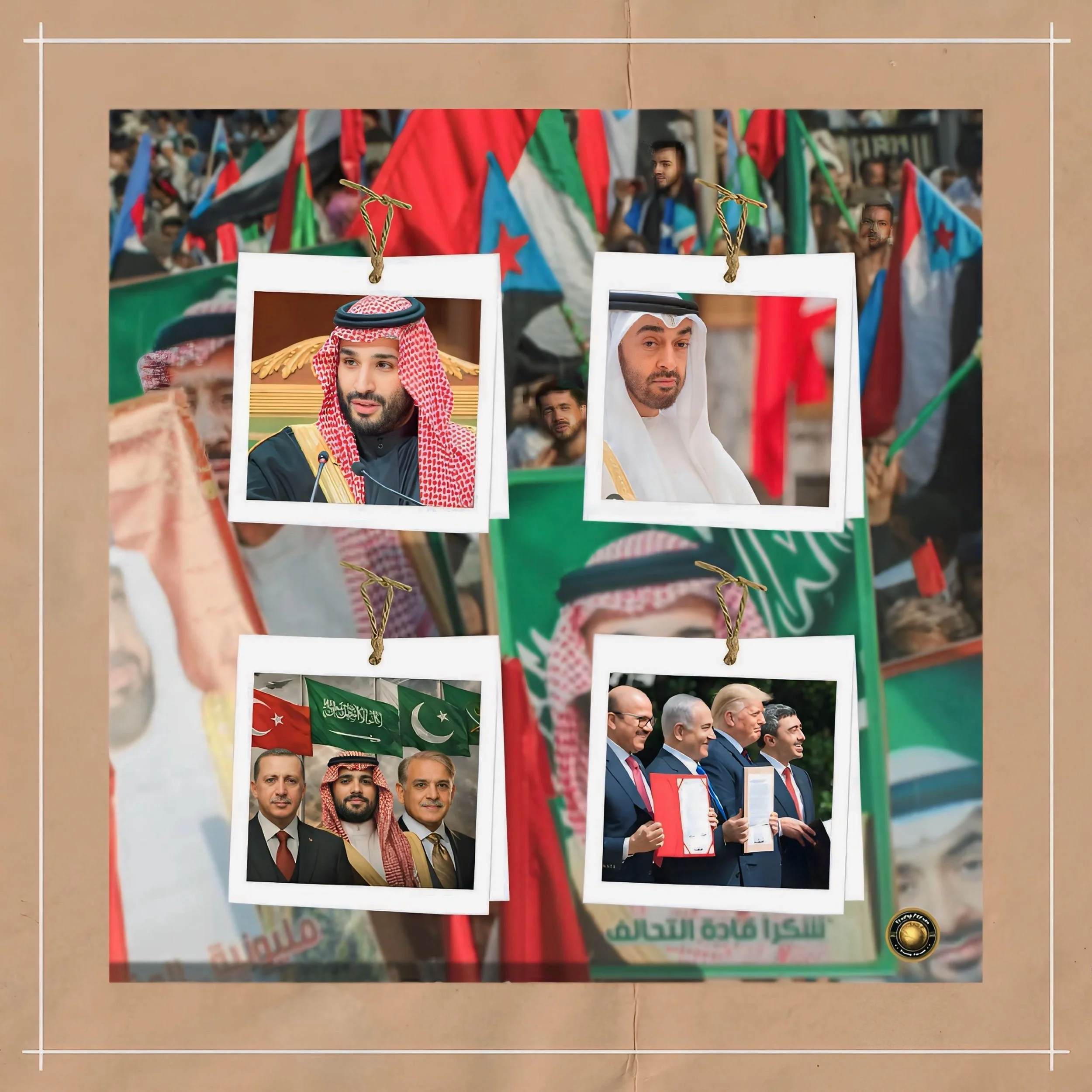
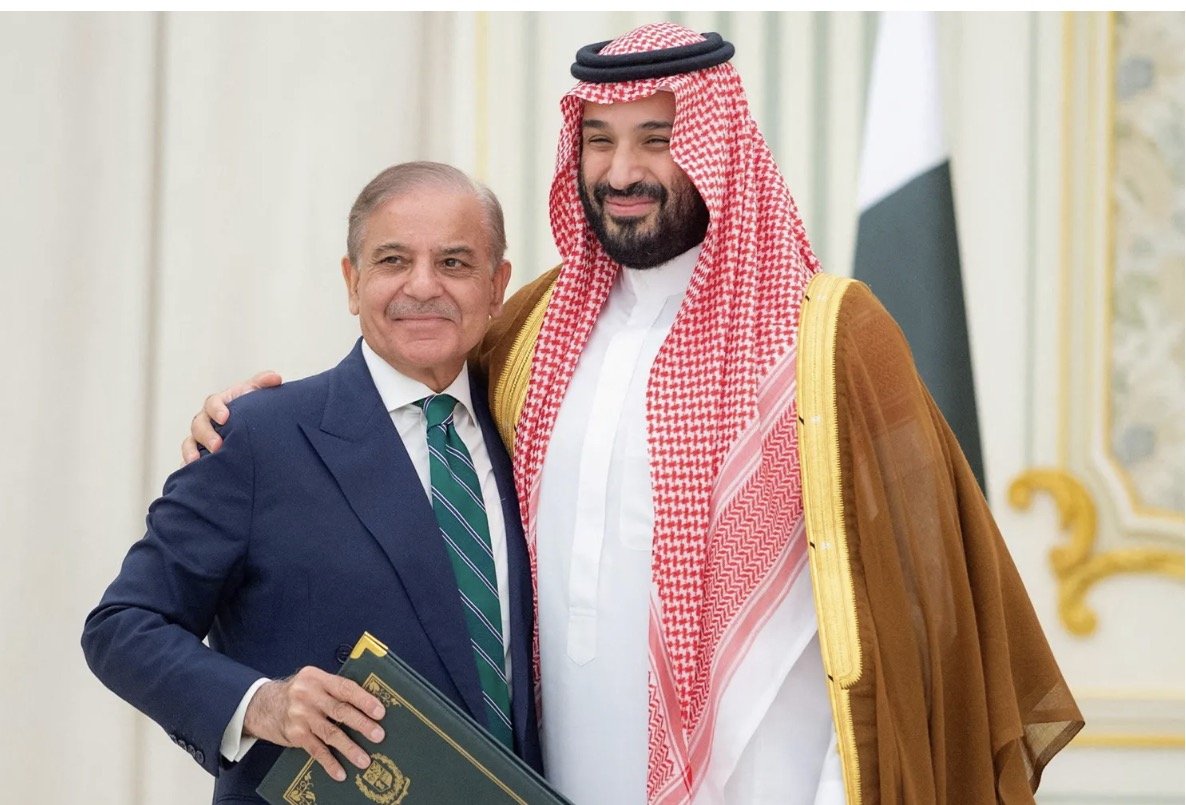
The agreement, marked by significant ceremonial emphasis in Riyadh with Saudi Crown Prince Mohammed bin Salman and Pakistan's Prime Minister Shehbaz Sharif, establishes a robust mutual defense commitment wherein aggression against either signatory is regarded as aggression against both.
This NATO Article 5-like clause represents Saudi Arabia's inaugural foray into a comprehensive mutual defense arrangement with another state.
Crucially, Pakistan's Defense Minister Khawaja Asif confirmed that, under this pact, Pakistan's nuclear arsenal—approximately 170 warheads and advanced delivery systems capable of reaching various Middle Eastern targets—would be made accessible to Saudi Arabia.
This development fundamentally alters the regional balance of power, providing Saudi Arabia with a nuclear deterrent for the first time and effectively dismantling Israel's previous nuclear monopoly in the region.
The 2025 India-Pakistan Crisis: A Precursor to the Pact
The defense agreement arises from the backdrop of the most severe military confrontation between India and Pakistan in decades.
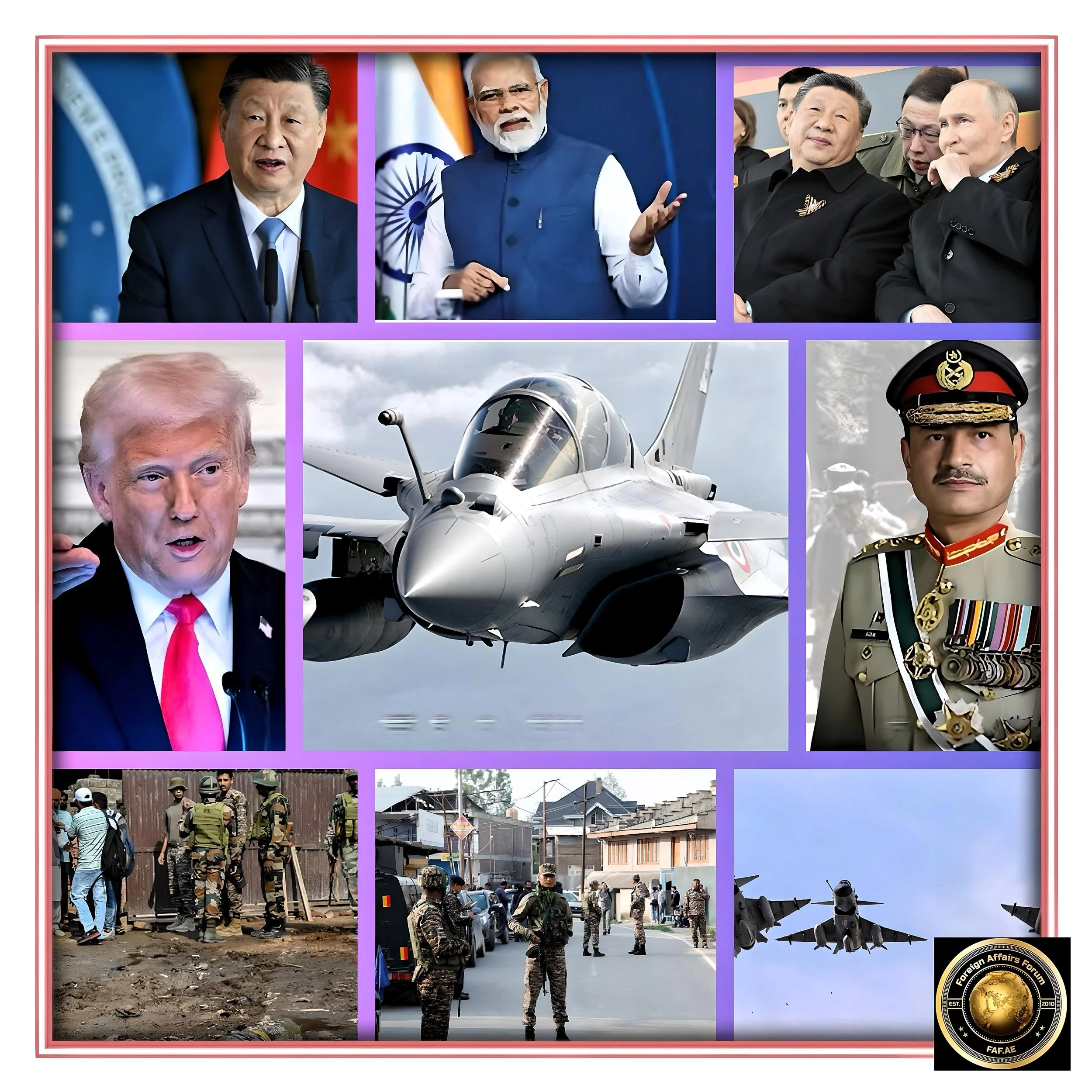
Commencing from May 7 to May 10, 2025, the conflict was triggered by a terrorist attack in Pahalgam, Indian-administered Kashmir, which resulted in 26 civilian fatalities on April 22.
India attributed the attack to Pakistan-based militant organizations Jaish-e-Mohammed and Lashkar-e-Taiba, claims that Pakistan robustly denied.
Escalation Dynamics
In a dramatic escalation, India executed Operation Sindoor on May 7, targeting nine alleged militant facilities in Pakistan and Pakistan-administered Kashmir with missile strikes.
These operations represented the most extensive Indian incursion into Pakistani territory since the 1971 conflict.
In response, Pakistan activated Operation Bunyan-un Marsoos, asserting the downing of multiple Indian aircraft and introducing missile strikes on each other's military airbases.
This marked a significant shift with the utilization of drone warfare, adding a technological dimension to the ongoing rivalry.
Trump’s Role: Controversial Mediation Claims
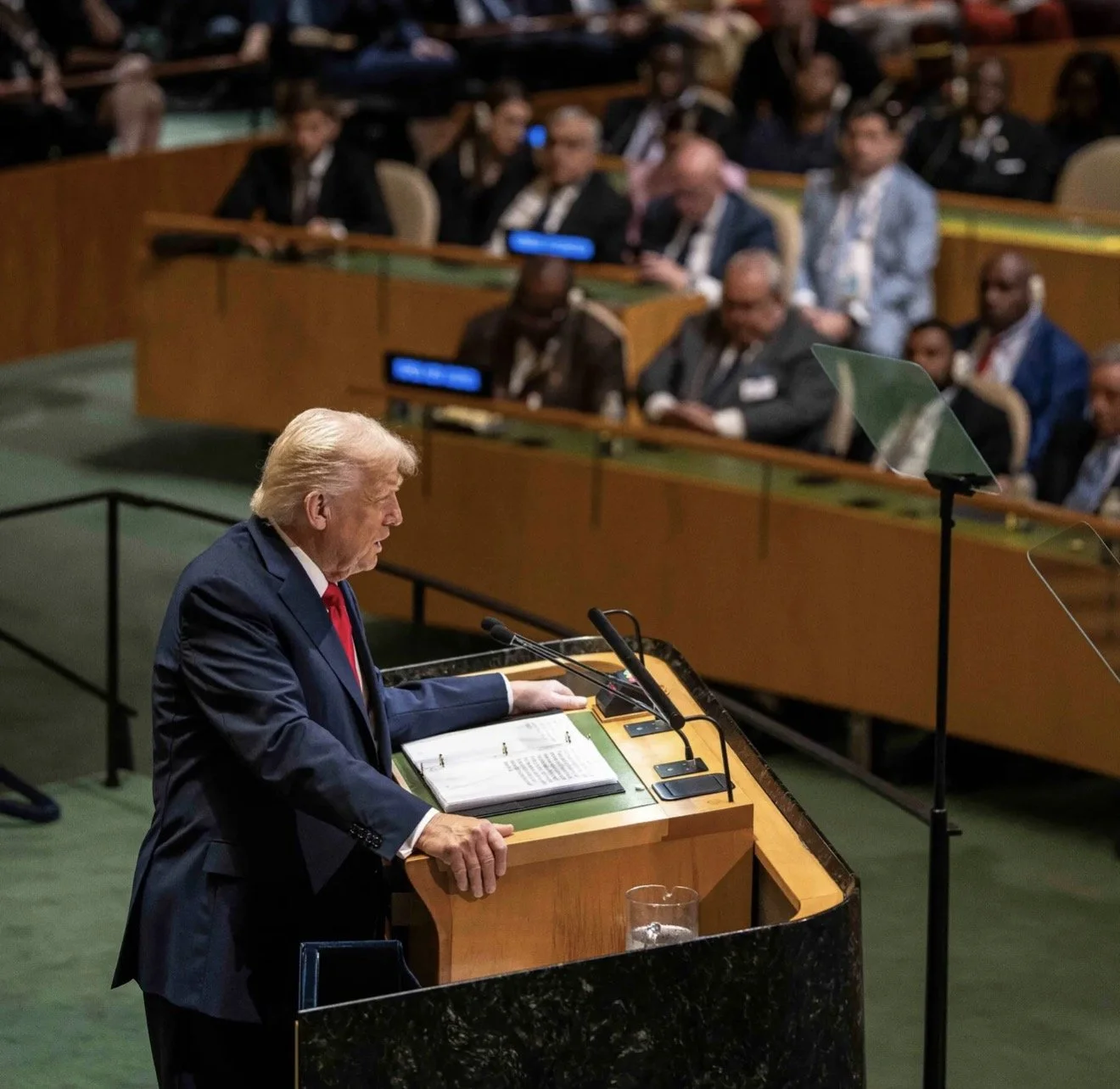
Former President Trump’s intervention during the ceasefire negotiations has sparked significant diplomatic debate.
Trump claimed to have “stopped a war” between the two nuclear-armed nations through U.S. mediation, asserting, “We stopped India and Pakistan from fighting. I believe that could have turned into a nuclear disaster.”
The White House Meeting: A Diplomatic Provocation
In a historically unusual move, Trump hosted Pakistan's Army Chief, Field Marshal Asim Munir, for a private lunch at the White House on June 18, 2025.
This marked a rare occasion where a U.S. president engaged with a senior military official from Pakistan without the presence of civilian representatives.
Trump's rationale for the meeting incited ire in India, as he noted, “The reason I had him here was to thank him for not going to war with India.”
Notably, the Pakistani military chief advocated for Trump's nomination for a Nobel Peace Prize in light of averted nuclear conflict.
India’s Firm Stance Against U.S. Mediation
The Indian government has categorically refuted any assertion of U.S. involvement in the ceasefire. Foreign Secretary Vikram Misri firmly stated that communications between the Director Generals of Military Operations (DGMO) of both countries led to the de-escalation, emphasizing a direct bilateral approach.
Prime Minister Modi conveyed to Trump that there were no discussions regarding U.S. mediation at any point, reaffirming India's long-standing policy against third-party intervention in its disputes with Pakistan.
In summary, the dynamics surrounding the Strategic Mutual Defense Agreement, coupled with the latest India-Pakistan military encounter, reflect shifting paradigms in regional security architecture, underscored by the contentious role of external powers in mediatory capacities.
Strategic Implications for South Asia
Enhanced Pakistani Risk Tolerance
The recently formalized defense pact between Saudi Arabia and Pakistan has significantly recalibrated Pakistan's strategic calculus concerning India.
With Saudi Arabia providing substantial financial backing and implicitly extending a nuclear guarantee to the Kingdom, it is likely that Pakistan will adopt a more risk-tolerant posture in future conflicts with India.
This presents a precarious dynamic, as Pakistani policymakers may feel emboldened to escalate tensions, secure in the knowledge of significant external support.
From India’s perspective, this development represents a considerable diplomatic setback.
India has invested considerable effort in cultivating relations with Gulf Arab states, with particular emphasis on strengthening ties with Saudi Arabia.
Strategist Brahma Chellaney has observed that Saudi Arabia was cognizant of the implications this agreement would have for India's national security, yet chose to proceed regardless.
The potential formation of an “Islamic NATO” could further complicate India’s endeavors to deepen trade and investment relationships across the Gulf region—an area where India has made significant strides in diversifying its partnerships beyond historical allies.
For China, which serves as Pakistan's primary benefactor, this new alignment introduces a complex balancing act.
While Beijing is likely to support Pakistan’s enhanced security framework, it will be imperative for China to ensure that this burgeoning Saudi alliance does not undermine its own influence in Islamabad.
Analysts predict an increase in Chinese military supplies and infrastructure investments to sustain its primary position in Pakistan’s strategic environment.
On a broader scale, the implications of this pact challenge the prevailing U.S.-led security architecture.
The growing skepticism regarding U.S. security guarantees among traditional allies is underscored by the timing of this agreement, following Israel’s unprecedented airstrike on Qatar—an event that has raised concerns about American reliability as a security guarantor.
Saudi officials have characterized the pact as a “comprehensive defensive agreement that encompasses all military means,” signaling Riyadh’s intent to cultivate independent deterrence capabilities rather than remain solely reliant on U.S. protection.
Most alarmingly, the explicit extension of Pakistan's nuclear umbrella to Saudi Arabia introduces significant nonproliferation concerns.
Former U.S. diplomat Zalmay Khalilzad has cautioned that such developments occur in perilous times, particularly in light of Pakistan's capability to target regions across the Middle East and potentially the United States.
This evolution could incite a regional arms race, as other Gulf states might seek similar nuclear assurances or endeavor to develop their own capabilities to preserve strategic equilibrium.
Evolution Toward Multipolar Security Arrangements
The recent Saudi-Pakistan defense pact indicates a significant shift towards regional security coalitions that operate without reliance on the hegemonic assurances of major powers.
In the context of evolving geopolitical dynamics, nations across the Middle East and South Asia are increasingly endeavoring to diversify their strategic partnerships to mitigate vulnerability to the influence of the United States or China.
India’s Strategic Repertoires
In light of this development, India faces a spectrum of complex strategic decisions.
Diplomatic Initiatives
New Delhi may need to amplify its diplomatic engagement to reinforce alliances with other regional powers, notably Iran, Russia, and emergent Gulf states that remain unaligned with the Saudi-Pakistani bloc.
Military Modernization
The implications of the pact may expedite India's defense modernization initiatives and deepen military collaboration with established partners such as the United States, France, and Israel to sustain a strategic equilibrium in the region.
Economic Strategies
Leveraging its extensive economic ties within the Gulf, India could establish alternative influence networks aimed at counterbalancing the rising Saudi-Pakistani alliance.
Conclusion
Long-Term Implications
Emerging from the crisis of May 2025 and subsequent controversial U.S. interventions, the Pakistan-Saudi defense agreement notably reconfigures the security architecture of South Asia.
This pact, bolstered by Saudi financial backing and the extension of nuclear guarantees, elevates Pakistan’s strategic posture and introduces new instability risks within the region.
For India, this development symbolizes both a significant strategic challenge and a potential opportunity to expedite its own alliance-building initiatives.
Crucially, the overarching question remains whether this realignment fosters a stable balance of power via mutual deterrence or exacerbates the prospects for miscalculation and conflict escalation in future India-Pakistan confrontations.
The effectiveness of the agreement in deterring aggressive maneuvers while circumventing nuclear proliferation risks will ultimately dictate its ramifications for regional security.
As the foremost realignment of security dynamics in the Middle East and South Asia in decades, this pact's implications are poised to extend beyond the immediate stakeholders, potentially transforming the geopolitical landscape from the Arabian Peninsula to the Indian subcontinent.