Elon Musk’s DOGE Exit Strategy: Assessing the $100 Million Gamble, Business Fallout, and Recovery Plans
Introduction
As Elon Musk prepares to significantly scale back his role in the Trump administration’s Department of Government Efficiency (DOGE), his brief but tumultuous tenure leaves behind a complex legacy of political entanglements and business challenges.
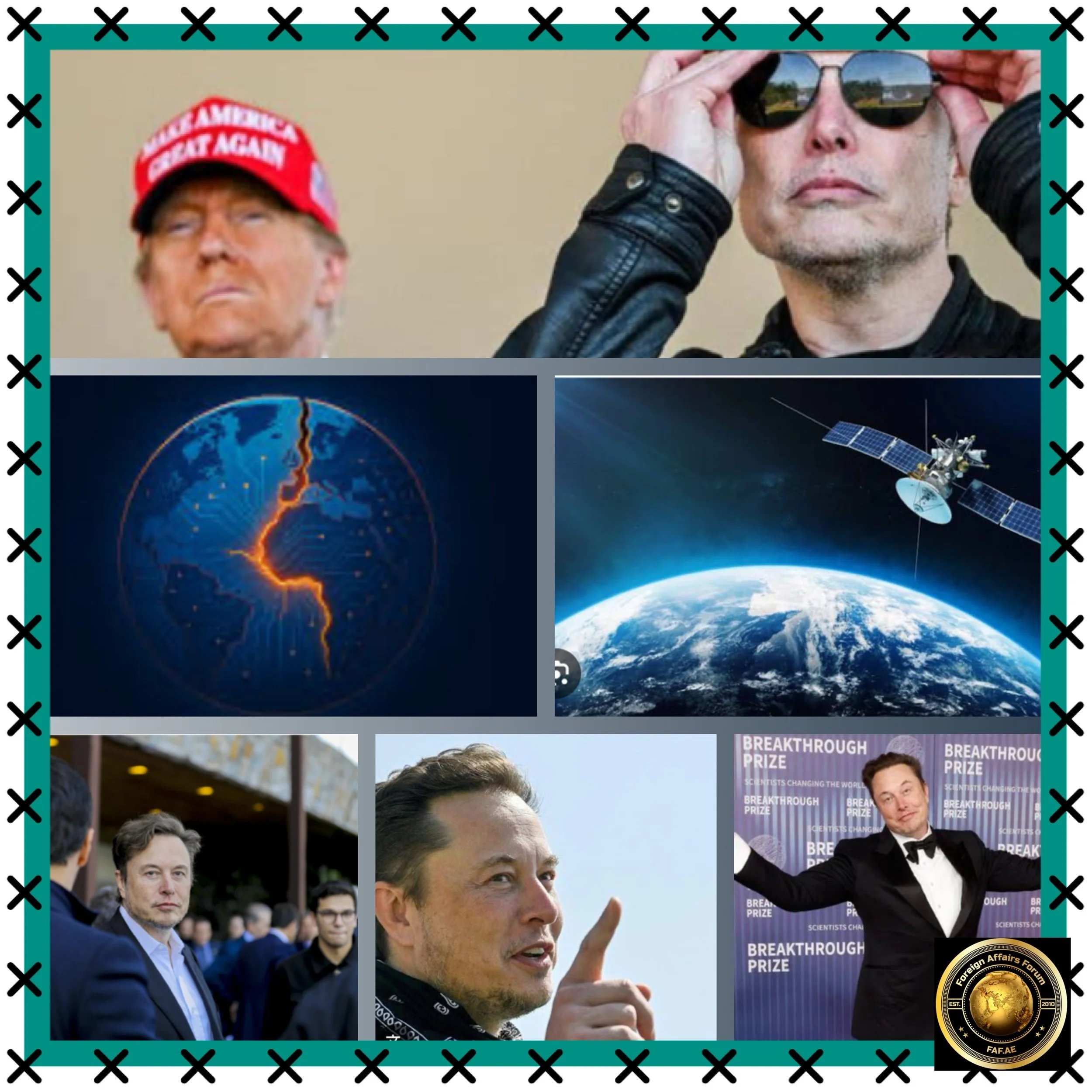
The world’s richest person confronted unprecedented backlash, which affected his business empire, particularly Tesla, as his political activities alienated core customer bases worldwide.
His plan to donate $100 million to Trump-affiliated political groups represents one of the most unusual financial moves by someone serving in government, occurring against a backdrop of plummeting Tesla sales and market value.
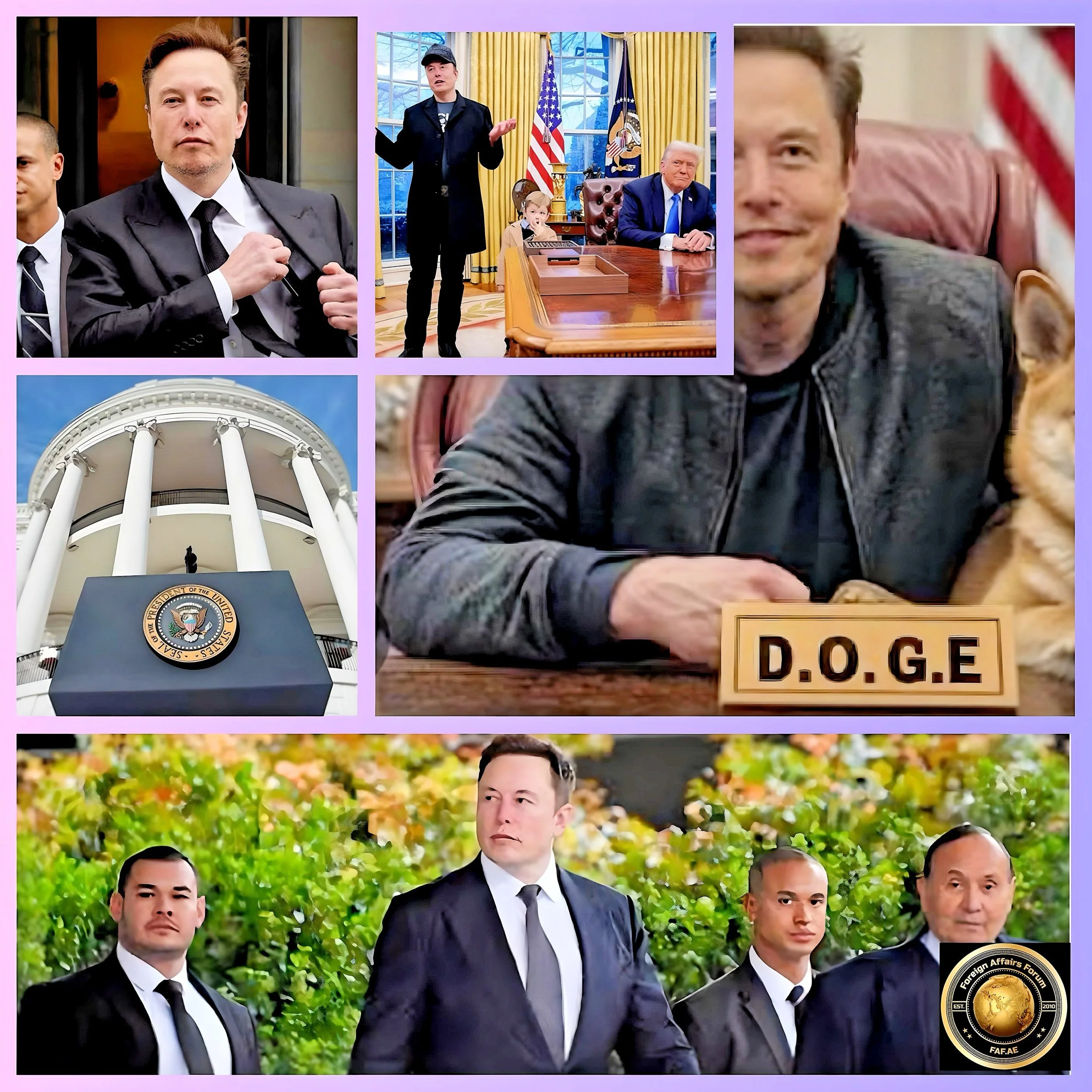
The DOGE Role and Planned Departure
Elon Musk’s controversial stint as head of the Department of Government Efficiency (DOGE) is winding down. The billionaire announced plans to reduce his involvement significantly starting in May 2025.
As a “special government employee,” Musk’s official position limited him to 130 days of service annually, a threshold he’s approaching if counted from Trump’s January 20 inauguration.
While Musk has indicated he would maintain a reduced commitment of “one or two days per week” to government matters following May, his focus is shifting back to his struggling business empire.
During his abbreviated tenure, Musk led an aggressive cost-cutting initiative that claimed to target $1 trillion in government spending reductions - approximately 15% of the federal budget - an effort he described as saving about “$4 billion a day, every day, seven days a week”.
The DOGE team, composed of young coders and technology specialists deployed across various government agencies, bypassed traditional processes and sometimes even federal regulations to execute budget cuts, terminate contracts, and dismantle entire agencies.
Over 100,000 government workers, including highly skilled scientists and professionals, lost their jobs in critical areas like public health, foreign assistance, and disaster response.
Controversies and Missteps
Musk’s government work was marked by a series of high-profile mistakes that damaged both his credibility and the efficiency claims of the DOGE initiative.
The Trump administration mistakenly laid off employees connected to the nation’s nuclear arsenal as part of broader Energy Department cuts, only to scramble to rehire them afterward.
Similarly, Department of Agriculture workers involved in the government’s bird flu response were terminated before officials attempted to reinstate them.
During a Cabinet meeting, Musk admitted that DOGE had inadvertently canceled Ebola prevention efforts before reinstating them.
DOGE’s public demonstrations of cost savings were further undermined by inaccuracies, including mislabeling an $8 million contract as $8 billion and counting a single $655 million USAID contract three times.
These errors prompted multiple lawsuits challenging DOGE’s authority and actions, with one judge ruling that Musk and DOGE likely acted unconstitutionally in dismantling USAID.
The $100 Million Political Contribution
Unprecedented and Controversial
In March 2025, reports emerged that Musk had signaled his intention to donate $100 million to political groups affiliated with President Trump’s operation.
This move was described as “unheard of” for someone serving as a White House staffer, even in a part-time capacity.
The timing proved particularly controversial immediately after President Trump staged a remarkable show of support for Tesla, displaying five of the company’s vehicles at the White House and personally announcing plans to purchase a Tesla Model S.
The planned donation appeared strategically directed not toward Musk’s own super PAC (America PAC), which had previously supported Trump, but rather to entities directly controlled by Trump’s political apparatus.
Potential recipients included Make America Great Again Inc. (MAGA Inc.), a super PAC, and Securing America Greatness, a political nonprofit founded by close Trump allies.
Political Return on Investment
This substantial donation followed Musk’s previous political spending of approximately $288-290 million through America PAC during the 2024 election cycle, making him Trump’s most prominent financial supporter.
While the full impact of this planned $100 million contribution remains to be seen, it appears designed to maintain Musk’s political influence even as he scales back his direct government involvement.
The investment yielded immediate returns when Trump publicly defended Musk against growing protests targeting Tesla, describing critics as “radical left lunatics” and characterizing vandalism against Tesla charging stations as “domestic terrorism.”
Trump went beyond verbal support, transforming the White House South Lawn into a Tesla showroom and inspecting vehicles alongside Musk in what observers described as “a remarkable endorsement of Musk’s company by the most powerful person in the federal government.”
Business Empire in Decline
Tesla’s Unprecedented Crisis
The most significant consequence of Musk’s political activities was the severe impact on his business empire, particularly on Tesla.
The electric vehicle manufacturer experienced its first-ever sales decline in 2024, a trend that dramatically worsened in early 2025.
Tesla delivered approximately 337,000 electric vehicles in Q1 2025, representing a steep 13% drop from the previous year and marking the company’s weakest quarterly performance in almost three years.
Financial results were equally concerning, with Tesla reporting a staggering 71% drop in profits for Q1 2025, with net income plunging from $1.39 billion to just $409 million.
Revenue declined by 9%, falling from $21.3 billion to $19.3 billion, while the company’s critical gross margin contracted from 17.4% to 16.3%.
These disappointing results reflected a broader decline in Tesla’s market position, with investors adjusting to the new reality of a company facing both reputational and competitive challenges.
Market Value Collapse
The market response to these deteriorating fundamentals was severe. Tesla shares lost approximately half their value since reaching a record high in December 2024, erasing more than $500 billion in market capitalization.
By April 2025, Tesla had become the S&P 500’s worst-performing stock, with shares down over 40% for the year.
This collapse reflected current sales declines and growing investor skepticism about the company’s ability to recover its once-sterling brand reputation.
While the stock briefly rallied after Musk announced his plans to refocus on Tesla, gaining nearly 8% in a single day, many market analysts remained unconvinced that this management shift would sufficiently address the company’s fundamental problems.
One prominent investor, Ross Gerber, summarized the situation bluntly: “His time is very valuable, and I think Tesla needs his attention.
But it doesn’t change that people don’t want the Tesla brand. I don’t know how you fix that.”
Global Backlash
Regional Impact and Brand Damage
The impact of Musk’s political activities varied significantly by region, with particularly severe consequences in markets historically receptive to electric vehicles but less aligned with Musk’s political perspectives.
In Germany, where Musk had used his X platform to endorse the far-right Alternative for Germany (AfD) party ahead of national elections, Tesla registrations plummeted by 76% in February 2025 compared to the previous year - this while overall EV registrations in Germany surged by nearly a third during the same period.
Similar patterns emerged in other markets, with Tesla sales dropping by 45% in France during the first two months of 2025 and falling by more than a third in Australia over four months.
Even in California, historically Tesla’s strongest U.S. market, registrations declined for the fifth consecutive quarter, with an 11.6% drop in 2024.
The “Tesla Takedown” Movement
The sales collapse coincided with organized global protests against Tesla and Musk.
A movement dubbed “Tesla Takedown” coordinated demonstrations at more than 500 Tesla showrooms worldwide in March 2025. Protesters carried signs urging consumers to “boycott Tesla” and labeling Musk a “fascist.”
These protests gained traction across political divides, with participants citing concerns ranging from Musk’s influence over the Trump administration to specific policy decisions associated with DOGE, such as cuts to the Department of Veterans Affairs.
Beyond organized protests, Tesla faced more aggressive forms of resistance, including vandalism of charging stations and attacks on dealerships.
President Trump condemned these incidents as “domestic terrorism,” but they nonetheless contributed to an atmosphere of crisis surrounding the Tesla brand.
Recovery Strategy
Musk’s Three-Pronged Approach
Facing unprecedented challenges across his business empire, Musk has begun implementing a multi-faceted recovery strategy centered on three core elements: management refocus, product innovation, and image rehabilitation.
Refocusing Management Attention
The most immediate element of Musk’s recovery plan involves redirecting his attention from political activities to Tesla’s operations.
During Tesla’s Q1 2025 earnings call, Musk announced that starting in May, his “allocation to DOGE will drop significantly,” emphasizing his intention to “devote much more of my time to Tesla.”
This management shift acknowledges that his divided attention had contributed to Tesla’s difficulties. However, Musk maintained he would continue dedicating one or two days weekly to government matters “as long as the president wishes.”
The market’s positive reaction to this announcement, with Tesla shares gaining nearly 8% the following day, suggests investors consider Musk’s focus crucial to the company’s prospects.
However, skepticism remains about whether management attention alone can overcome more serious brand damage, with marketing expert Sue Benson noting: “Musk could reverse his political career and dedicate 100% of his time to Tesla, but the rot has set in.”
Product Innovation Pipeline
Musk’s recovery strategy heavily emphasizes Tesla’s product roadmap, with several significant launches planned for mid-to-late 2025.
The company intends to introduce a more affordable Model Y variant, potentially addressing price sensitivity in a market increasingly filled with lower-cost alternatives.
Tesla’s more ambitious plan is to launch a paid robotaxi service in Austin by mid-2025, representing a new revenue stream less dependent on consumer vehicle purchases.
Perhaps most significantly, Musk continues to tout Tesla’s autonomous driving capabilities, predicting that “millions of Teslas will operate autonomously by the second half of 2025,” with self-driving cars potentially available in several U.S. cities by year-end.
This technological focus represents an attempt to shift the narrative away from political controversies and back to Tesla’s innovation credentials.
Image Rehabilitation Efforts
The third element of Musk’s recovery strategy involves explicit attempts to rehabilitate his public image.
This effort began even before his announced DOGE departure, with Musk appearing on Fox News in late March to assert that he was approaching government restructuring with “caution and empathy.”
During this interview, typically described as a “rehab tour,” Musk introduced DOGE team members and emphasized their “thoughtful” approach to government cuts while ensuring “dignity and respect” for affected employees.
Musk’s language shifted notably during this period, with the billionaire acknowledging mistakes and emphasizing the team’s commitment to rectifying errors quickly. “If we were to hold ourselves to a standard of making no errors whatsoever, it would be akin to expecting a baseball player to achieve a perfect batting average.
That is unattainable,” Musk stated, adding, “When we do err, we rectify those mistakes swiftly and move forward”.
Conclusion
An Uncertain Future Amid Damaged Reputation
As Elon Musk prepares to transition away from his government role, the full impact of his brief but consequential tenure remains difficult to assess.
While his $100 million political contribution secured valuable presidential support during a critical period for Tesla, the broader consequences for his business empire have been overwhelmingly negative.
Tesla faces not only declining sales and profits but also a fundamental identity crisis as its once-progressive brand image contends with its founder’s rightward political shift.
The recovery path appears challenging. While management refocus and product innovation represent traditional business solutions, the damage to Tesla’s brand extends beyond typical corporate challenges.
As marketing expert Sue Benson noted, “No product can fix this, and no amount of time spent in Tesla’s offices will undo the new perception many people have of Musk”.
The company’s Q2 2025 earnings will provide an important indicator of whether the initial recovery strategies are gaining traction.
For Musk personally, the episode represents a costly lesson in the intersection of business and politics.
While his government role provided unprecedented access and influence, it came at the expense of alienating core customer segments and eroding the carefuthe lly cultivated brand equity built over years.
Whether his planned $100 million donation ultimately proves worth this sacrifice remains one of the most intriguing questions in both American business and politics as 2025 unfolds.