The Political Transformation of Marco Rubio: From Critic to Cabinet Member
Introduction
In the shifting landscape of American politics, few journeys illustrate the transformation of the Republican Party more vividly than that of Marco Rubio. Once a fierce critic who famously warned that “friends do not let friends vote for con artists,”
Rubio has evolved into one of Donald Trump’s highest-ranking cabinet members. This dramatic political metamorphosis provides a compelling case study of how political ambition, party realignment, and pragmatism can reshape a politician’s public stance and career trajectory.
From Primary Rival to “Con Artist” Accusations
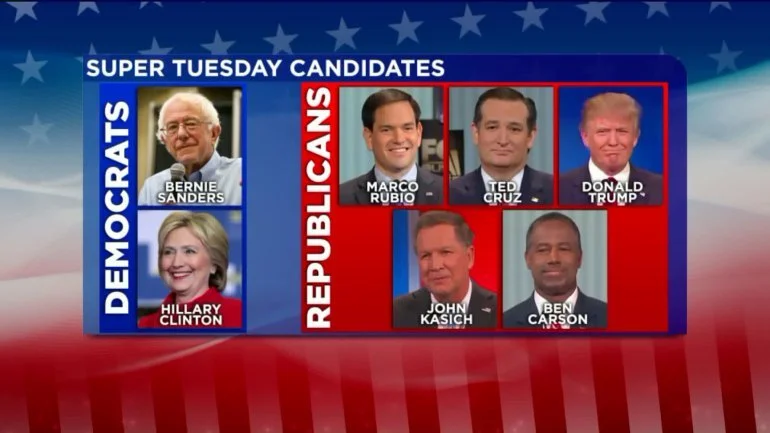
The genesis of the Rubio-Trump relationship was marked by extraordinary hostility during the 2016 Republican presidential primary.
At a Dallas rally in February 2016, Rubio unleashed his most comprehensive and scathing critique of Trump, declaring it was “time to pull off his mask so that people can see what we are dealing with here.”
“He is a con artist,” Rubio said unequivocally. “He runs on this idea; he is fighting for the little guy, but he has spent his entire career sticking it to the little guy.”
The Florida senator’s attacks weren’t limited to policy disagreements. Rubio employed Trump’s own style against him, reading Trump’s misspelled tweets aloud at rallies and mocking his debate performance with personal jibes.
In one particularly memorable moment, Rubio suggested Trump had a “meltdown” during a commercial break, describing how Trump scrambled to get rid of a “sweat mustache” and demanded a full-length mirror for an unknown reason – adding, “Maybe to make sure his pants weren’t wet - I don’t know.”
In media appearances, Rubio doubled down on his warnings, telling CBS News, “A con artist is about to take over the Republican party and the conservative movement and we have to put a stop to it.”
He even offered a prophetic caution that would later come back to haunt him: “For years to come, there are many people on the right, in the media and voters at large, that are going to be having to explain and justify how they fell into this trap of supporting Donald Trump.”
The Gradual Evolution: 2016-2024
After ending his presidential campaign and deciding to run for re-election to the Senate (despite earlier pledges not to do so), Rubio began a years-long process of reconciliation with Trump.
This evolution reflected both personal political calculations and broader shifts within the Republican Party.
By 2018, Rubio was finding his way in the Trump-era GOP, testing whether there was room for his brand of conservatism while maintaining contact with the president.
According to reports, he spoke with Trump two to three times a month while attempting to reshape his own political identity separate from the president.
When interviewed about Trump’s effect on his 2022 re-election campaign, Rubio’s tune had markedly changed. “I think he helps,” Rubio told CNN. “First of all, he’s a Floridian, so I need his vote. But beyond that, I mean, he’s brought a lot of people and energy into the Republican Party.”
By 2024, as Trump prepared for another presidential run, Rubio had completed most of his transformation.
Political analysts described his evolution as a “MAGA makeover” that accelerated amid speculation that Trump might choose him as a running mate.
University of South Florida emeritus political science professor Susan MacManus observed, “That’s where the party is going, and when you need the votes that’s where you go. The Republican Party has really shifted.”
Secretary of State Rubio
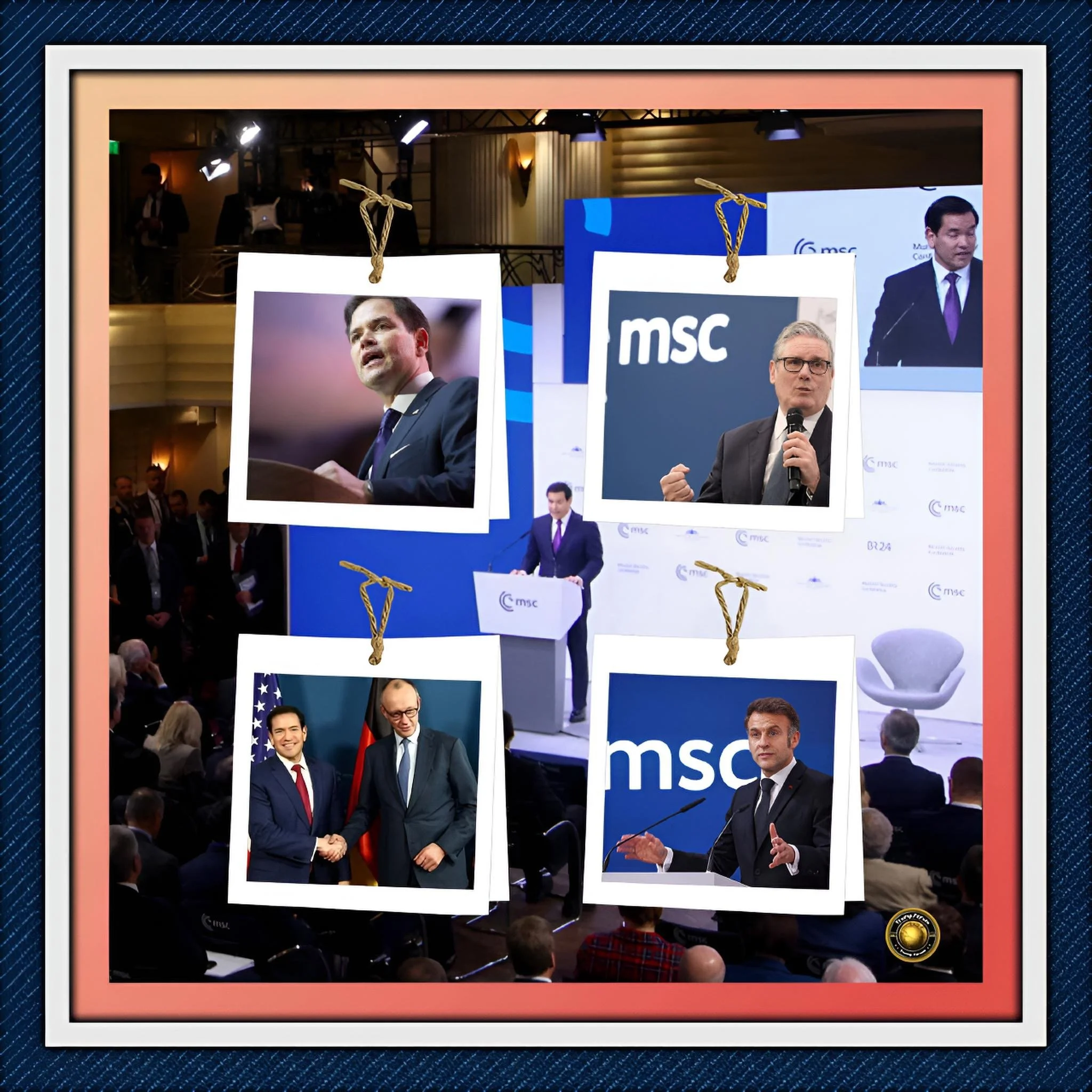
By January 2025, the transformation was complete. Rubio was nominated as Secretary of State in the new Trump administration – a remarkable development given their acrimonious history.
During his confirmation hearing, Rubio drew bipartisan support and acknowledged his new role as executor of Trump’s foreign policy vision.
“The foreign policy of the United States will be set by the president, and my job is to advise on it and ultimately to execute,” he told the Senate Foreign Relations Committee.
“I think the president has been abundantly clear and that is his policy is about making American safer, stronger and more prosperous.”
At the 2024 Republican National Convention, Rubio’s speech focused on American greatness and Trump’s leadership, declaring, “By giving voice to everyday Americans, President Trump has not just changed our party - he has inspired a movement.”
He added, “There is absolutely nothing dangerous or divisive about putting Americans first,” embracing a central tenet of Trump’s political worldview.
The Zelensky Incident: Visible Discomfort
The most public test of Rubio’s transformation came in February 2025, during a contentious Oval Office meeting between President Trump, Vice President Vance, and Ukrainian President Volodymyr Zelensky.
As Trump and Vance criticized Zelensky, cameras captured Rubio’s apparent discomfort, prompting widespread commentary on social media.
The meeting, intended to focus on US-Ukraine negotiations, quickly spiraled into a verbal clash.
When Zelensky expressed skepticism about diplomacy with Russia, Vance responded sharply: “I’m talking about the kind of diplomacy that’s going to end the destruction of your country. I think it’s disrespectful for you to come to the Oval Office to try to litigate this in front of the American media.”
Trump added his own criticisms, telling Zelensky, “Don’t tell us what we’re going to feel because you’re in no position to dictate what we’re going to feel,” and “If you didn’t have our military equipment, this war would have been over in two weeks.”
Throughout this exchange, Rubio remained silent, his facial expressions seemingly reflecting discomfort that did not go unnoticed.
Social media erupted with reactions to Rubio’s “sour look,” with some users suggesting he was “regretting he took the job.”
Former national security adviser John Bolton called for Rubio to resign, stating, “This is the moment when someone flips from supporting American allies to siding with our adversaries, which warrants resignation.”
Despite his apparent discomfort during the meeting, Rubio publicly defended Trump afterward, posting on social media: “Thank you @POTUS for standing up for America in a way that no President has ever had the courage to do before.
Thank you for putting America First. America is with you!” In a CNN interview, Rubio explained, “He’s trying to get Russia to the table to see if there’s a way to bring about an end to this conflict. That’s his goal.”
Understanding Rubio’s Transformation
Rubio’s evolution from Trump critic to loyal cabinet member can be understood through multiple lenses.
For critics, it represents a sacrifice of principles for political expediency. Political commentator Ana Navarro, who has known Rubio for years, called his transformation “embarrassing, inconsistent and obviously done out of political ambition.”
However, Rubio’s supporters might view his journey differently – as a pragmatic adaptation to the changing nature of the Republican Party and an opportunity to influence policy from within the administration.
The story of Rubio’s transformation is not entirely unique for a member of Congress or even a one-time foe, but reflects the political reality that surviving in the party at odds with Trump became increasingly difficult for members who wanted a future in politics.
Rubio himself has offered explanations for his evolution, suggesting that time and experience have shaped his perspective.
In 2018, he acknowledged he remains “impatient,” but added that “like anyone who is alive, and is watching, listening and trying to learn, time teaches you things.”
Conclusion
The Politics of Adaptation
Marco Rubio’s journey from fierce Trump critic to Secretary of State illustrates the profound transformation that has occurred within the Republican Party over the past decade.
His evolution represents a microcosm of the broader political realignment that has taken place – from a party of traditional conservatism to one remade in Trump’s populist image.
As Rubio said during a CNN interview after Trump’s 2024 election victory, “Trump has fundamentally remade the Republican Party.”
What remains to be seen is whether this transformation represents a permanent shift in Rubio’s political identity or a temporary adaptation to prevailing political winds.
For political observers, Rubio’s journey raises important questions about the nature of political principle versus pragmatism, the costs of political survival in a dramatically changed party, and the future direction of American conservatism.
As Secretary of State, Rubio now has significant influence over America’s role in the world – a remarkable position for someone who once warned that Trump was “wholly unprepared to be president of the United States.”