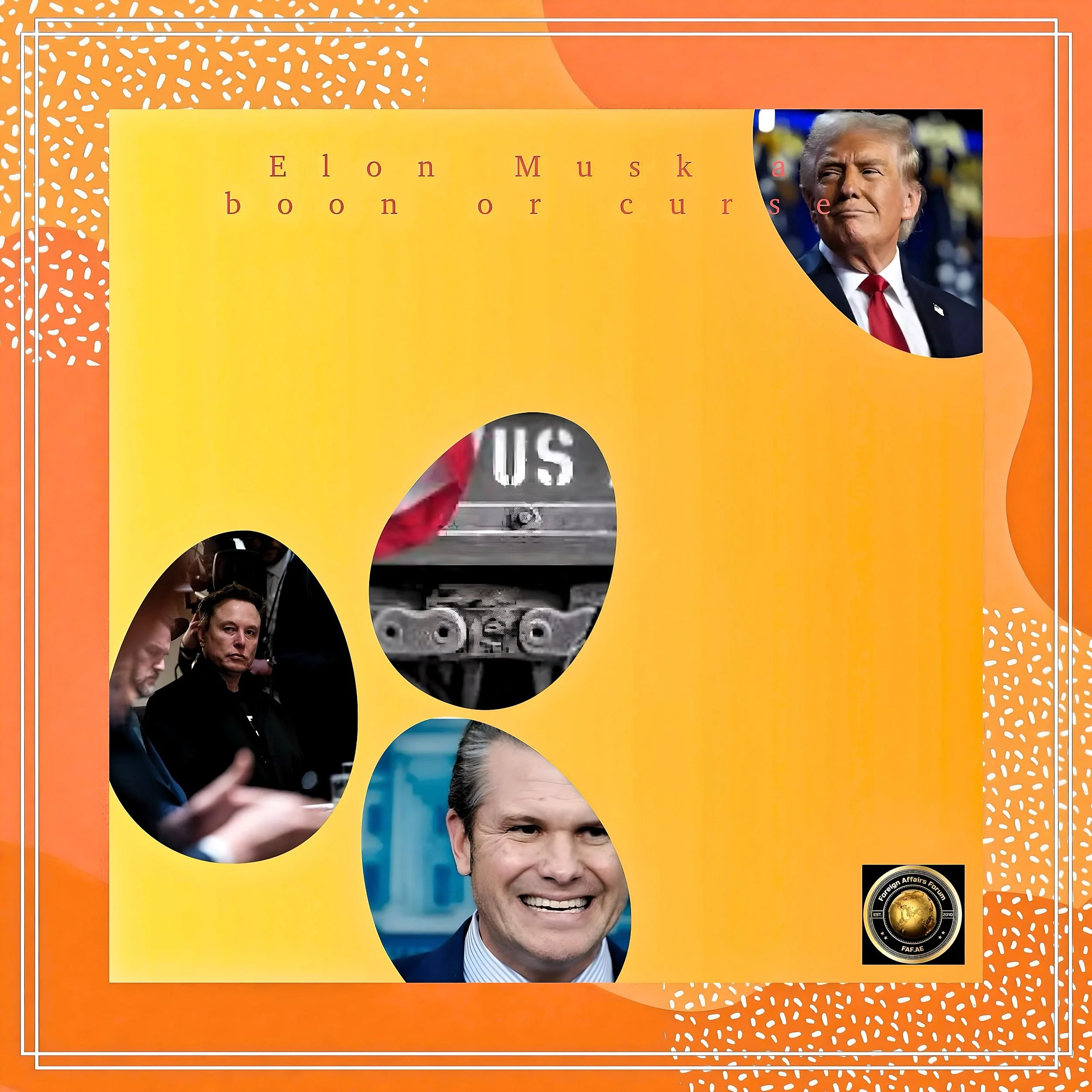
Elon Musk’s Expanding Government Role: A Trajectory Analysis
Introduction
Elon Musk’s unprecedented influence in the Trump administration has encountered significant limitations and growing controversy, creating an uncertain trajectory for the tech billionaire’s government ambitions.
President Trump directly curtailed his access to sensitive national security information. His aggressive cost-cutting initiatives across multiple federal agencies have sparked backlash and raised questions about conflicts of interest with his extensive business empire, particularly in China.
Government Influence and Recent Setbacks
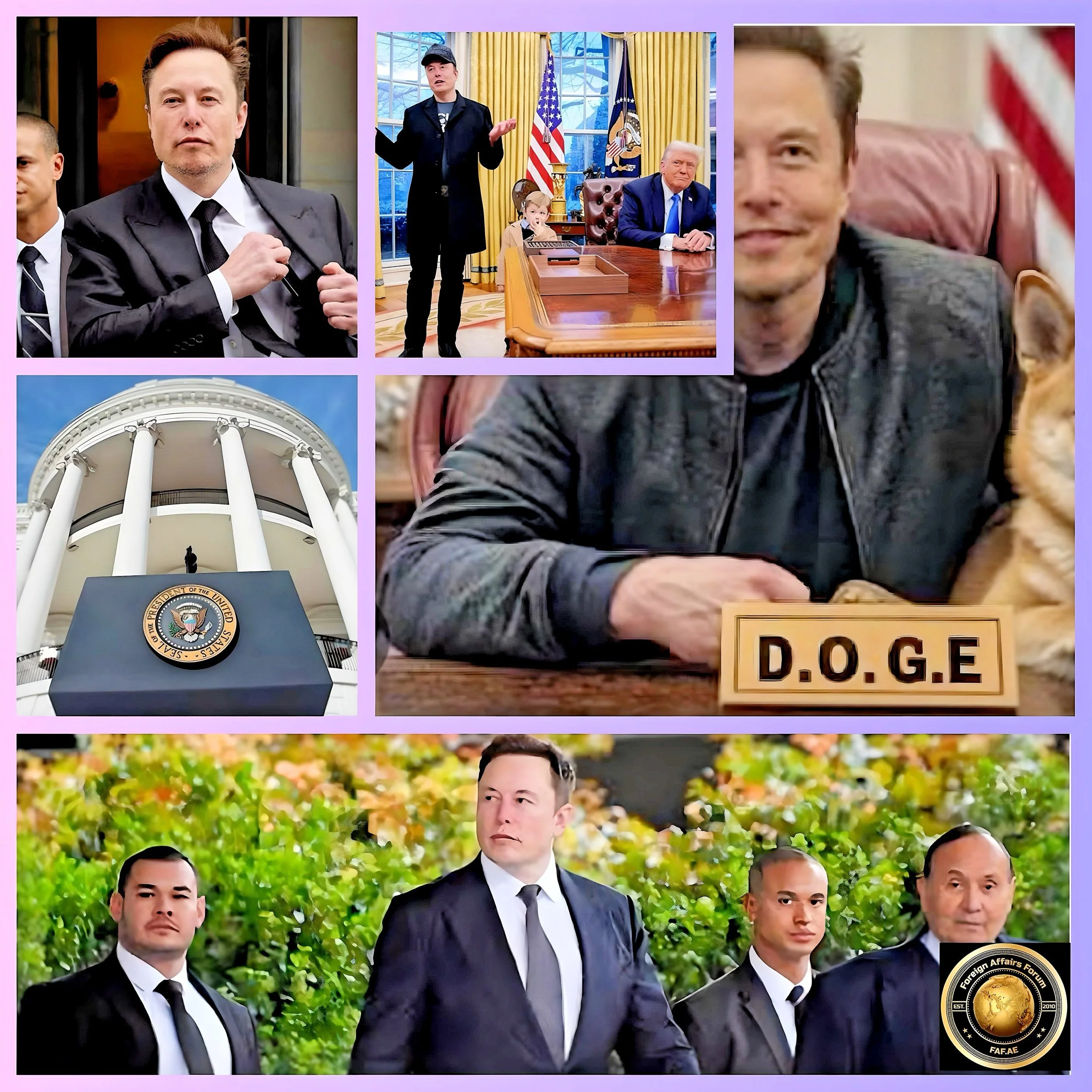
Elon Musk’s role as head of the Department of Government Efficiency (DOGE) has granted him extraordinary access across federal agencies, but recent events reveal growing tensions and limitations.
Most notably, President Trump personally blocked Musk from attending a classified Pentagon briefing on China, reportedly telling staffers, “What the f**k is Elon doing there? Make sure he doesn’t go.”
This unprecedented intervention stemmed from concerns about Musk’s extensive business ties in China, which created potential conflicts of interest.
The incident represents a significant blow to Musk’s government influence, with a top official acknowledging that “POTUS still very much loves Elon, but there are some red lines,” specifically regarding his Chinese business entanglements.
Even Trump acknowledged that Musk “would be susceptible, perhaps,” to influence due to these connections.
This marks a rare public acknowledgment of the potential conflicts presented by Musk’s dual roles as government advisor and global business leader.
Pentagon Leaks and Internal Tensions
An ongoing Pentagon investigation into unauthorized disclosures of sensitive information has further complicated Musk’s role.
Two Defense Department officials were placed on administrative leave after being identified during the investigation into several leaks, including military operational plans for the Panama Canal, Red Sea operations, and the now-infamous planned China briefing for Musk.
Dan Caldwell and Darin Selnick escorted the officials from the Pentagon as part of this probe.
This investigation gained momentum after Musk publicly threatened Pentagon leakers on his X platform, stating: “I look forward to prosecuting those at the Pentagon who are leaking maliciously false information to NYT. They will be found.”
This aggressive stance has further strained relations between Musk and career defense officials, many of whom have reportedly become uncomfortable with his level of access and approach to government operations.
Business Interests and Conflicts of Concern
Musk’s extensive business interests in China create legitimate national security concerns that directly conflict with his government advisory role.
Tesla operates its largest factory in Shanghai, which produces nearly half of all Tesla vehicles worldwide. At favorable rates, it was built with $1.4 billion in loans from Chinese state-owned banks.
The Shanghai Gigafactory, a $2 billion investment producing about one million cars annually, was established in 2019 with special permissions as the first foreign automaker allowed to operate in China without a local partner.
Beyond manufacturing, China represents a crucial market for Tesla, accounting for almost 40% of the company’s sales last year.
Musk has also cultivated close relationships with Chinese officials, receiving China’s equivalent of a green card in 2019 and making sympathetic remarks about China’s government, once stating they are “possibly more responsive to the happiness of people than in the U.S.”
Tesla’s Market Performance Challenges
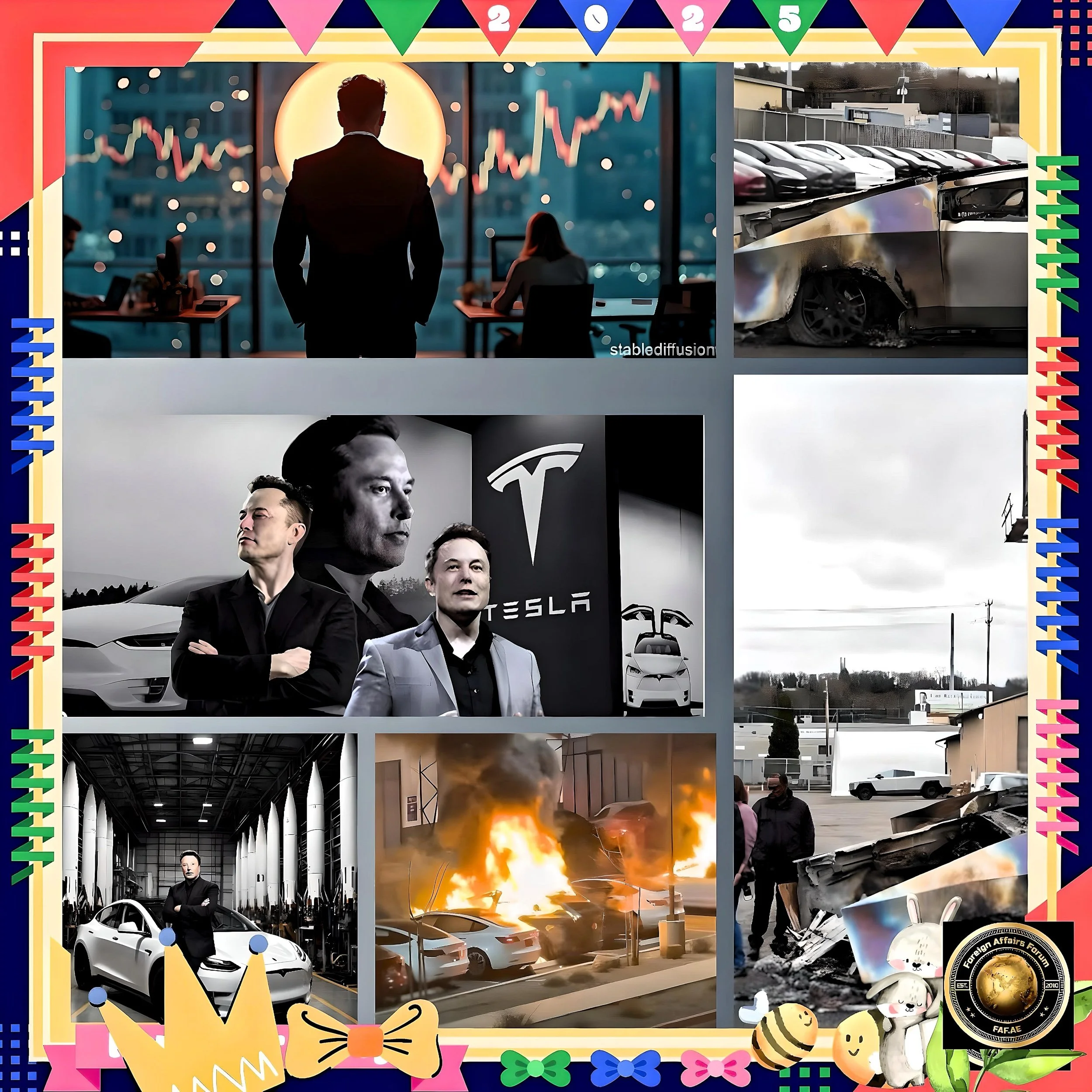
While Tesla achieved record global deliveries in 2023, the company’s stock has faced significant challenges in 2024.
The electric vehicle market has cooled considerably, and Tesla is facing increased competition from traditional automakers and Chinese EV manufacturers.
The company’s aggressive price cuts to maintain market share have compressed margins and concerned investors, contributing to stock volatility and raising questions about long-term growth prospects.
These business challenges pressure Musk more when his government role faces increasing scrutiny.
With his wealth significantly tied to Tesla’s performance, any continued decline could affect his political leverage and influence within the administration.
Impact on Government Operations
Musk’s government efficiency initiatives have reportedly targeted multiple agencies beyond the Pentagon, including USAID, the Social Security Administration, and the Treasury Department.
His approach has been characterized by aggressive cost-cutting measures and demands for substantial staff reductions, which has created significant internal resistance from career government officials.
The departure of experienced personnel from these agencies raises concerns about operational continuity and institutional knowledge loss.
At the Pentagon, specifically, the leak investigation has led to the removal of key staff, potentially disrupting critical national security functions.
Critics argue that Musk’s business-centric approach fails to account for government agencies' unique requirements and responsibilities, particularly those involved in national security and social welfare programs.
Social Security and Essential Services Concerns
Musk’s reported interventions at the Social Security Administration have generated particular alarm given the essential nature of these services for millions of Americans.
While specific details of these initiatives remain limited in public reporting, any disruptions to payment systems or benefits administration could have immediate and severe consequences for vulnerable populations dependent on these programs.
The tension between Musk’s efficiency goals and the need to maintain essential government services highlights the fundamental challenges of applying private-sector cost-cutting approaches to public-sector responsibilities.
This disconnect has fueled growing resistance from both career officials and some political leaders concerned about potential unintended consequences.
Public Perception and Political Dynamics
Musk’s public perception has transformed significantly over the past several years, evolving from a widely admired innovative entrepreneur to a more polarizing political figure.
His increasingly partisan political statements, controversial social media presence, and close alignment with President Trump have reshaped his public image, particularly among those who disagree with his political positions.
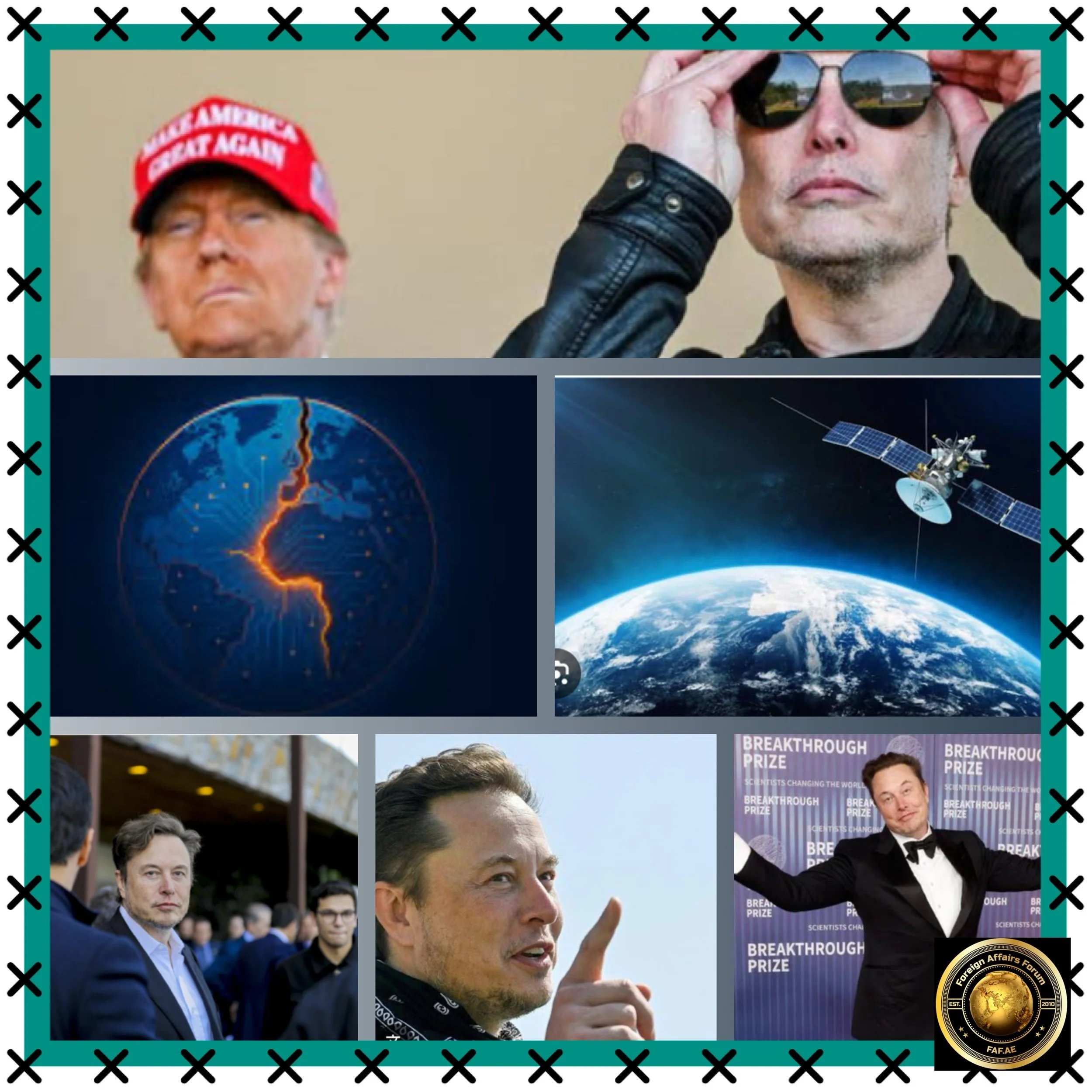
The Trump-Musk relationship appears increasingly complex. Despite their general alliance, Trump is setting boundaries on Musk’s influence.
This dynamic reflects the tensions between Musk’s global business interests and domestic political ambitions, creating potential vulnerabilities for both figures.
Historical Comparisons and Future Risks
While comparisons to catastrophic business failures like Enron appear premature, Musk faces legitimate risks should his government role continue to expand amid growing scrutiny of his conflicts of interest.
Unlike Enron, Tesla remains a functioning company with tangible assets, products, and global operations.
However, Musk’s unprecedented government influence, significant business interests abroad, and aggressive management style combine to create a volatile situation with few historical parallels.
The sustainability of Musk’s dual roles will likely depend on several factors: the continued support of President Trump, Tesla’s business performance, public reaction to his government initiatives, and potential legal or regulatory challenges to his influence.
The growing tension between his global business interests and national security responsibilities appears increasingly untenable without significant structural changes to address conflict of interest concerns.
Conclusion
Elon Musk’s trajectory in government presents an unprecedented experiment in private sector influence over public institutions.
The recent Pentagon briefing exclusion signals emerging limitations to this influence, with legitimate concerns about his extensive Chinese business ties creating boundaries even President Trump appears unwilling to cross.
As Musk continues navigating his dual roles as a business leader and government advisor, the tensions between these responsibilities appear increasingly difficult to reconcile.
Musk’s government role's sustainability will likely depend on his ability to address these fundamental conflict of interest concerns while moderating his approach to better align with the unique requirements of public sector governance.
Without such adjustments, the current trajectory suggests continued friction and potential further limitations on his influence.
The coming months will likely prove decisive in determining whether Musk can maintain his unusual position or the inherent contradictions in his dual roles will ultimately force a more definitive resolution.