Vice President Vance’s Diplomatic Mission to Italy and India: Analysis and Implications
Introduction
Vice President J.D. Vance recently completed a high-profile diplomatic tour of Italy and India that yielded significant policy developments while generating controversy over his decision to bring his three children on the official visit.
The trip focused on strengthening economic partnerships, technology cooperation, and security alliances, with notable meetings with Prime Ministers Giorgia Meloni and Narendra Modi.
However, questions about the propriety and cost of including family members in government business have sparked debate about using taxpayer resources and blending personal and official activities.
Mission Objectives and Diplomatic Agenda
Vice President Vance’s diplomatic tour was structured around several key strategic objectives affecting American foreign policy interests.
His visit represented a significant effort to strengthen bilateral relations with two critical allies while advancing specific policy goals aligned with the administration’s priorities.
Italy Engagement
In Italy, Vice President Vance focused on reinforcing economic and security partnerships with the Mediterranean nation, particularly in light of growing regional challenges.
The visit included substantive discussions with Italian Prime Minister Giorgia Meloni regarding trade relations and mutual defense concerns affecting both nations.
These discussions built upon existing frameworks while seeking to expand cooperation in emerging sectors of mutual interest.
The meetings in Rome highlighted shared values between the two nations and explored opportunities for deeper collaboration on issues ranging from immigration to technological innovation.
The Vice President’s agenda included visits to several historical sites in Rome, which were incorporated into the diplomatic schedule as cultural engagement opportunities.
India Partnership Development
The India portion of Vance’s trip centered on expanding technological partnerships, particularly in artificial intelligence and semiconductor manufacturing.
These discussions reflect the administration’s focus on building secure supply chains for critical technologies while countering Chinese influence in the region.
The Vice President’s meetings with Prime Minister Narendra Modi produced concrete agreements on joint development initiatives and research cooperation.
Most of the India visit was dedicated to discussions about regional security and the future of the Quad Alliance, which includes the United States, India, Japan, and Australia.
These talks addressed evolving security concerns in the Indo-Pacific region and explored pathways for enhanced military cooperation. The diplomatic engagements were complemented by meetings with Indian business leaders, particularly from the technology sector.
Key Diplomatic Engagements
The Vice President’s diplomatic mission featured several high-level meetings that produced tangible outcomes for American foreign policy.
These engagements demonstrated the administration’s approach to alliance-building and strategic partnership development.
Meetings with World Leaders
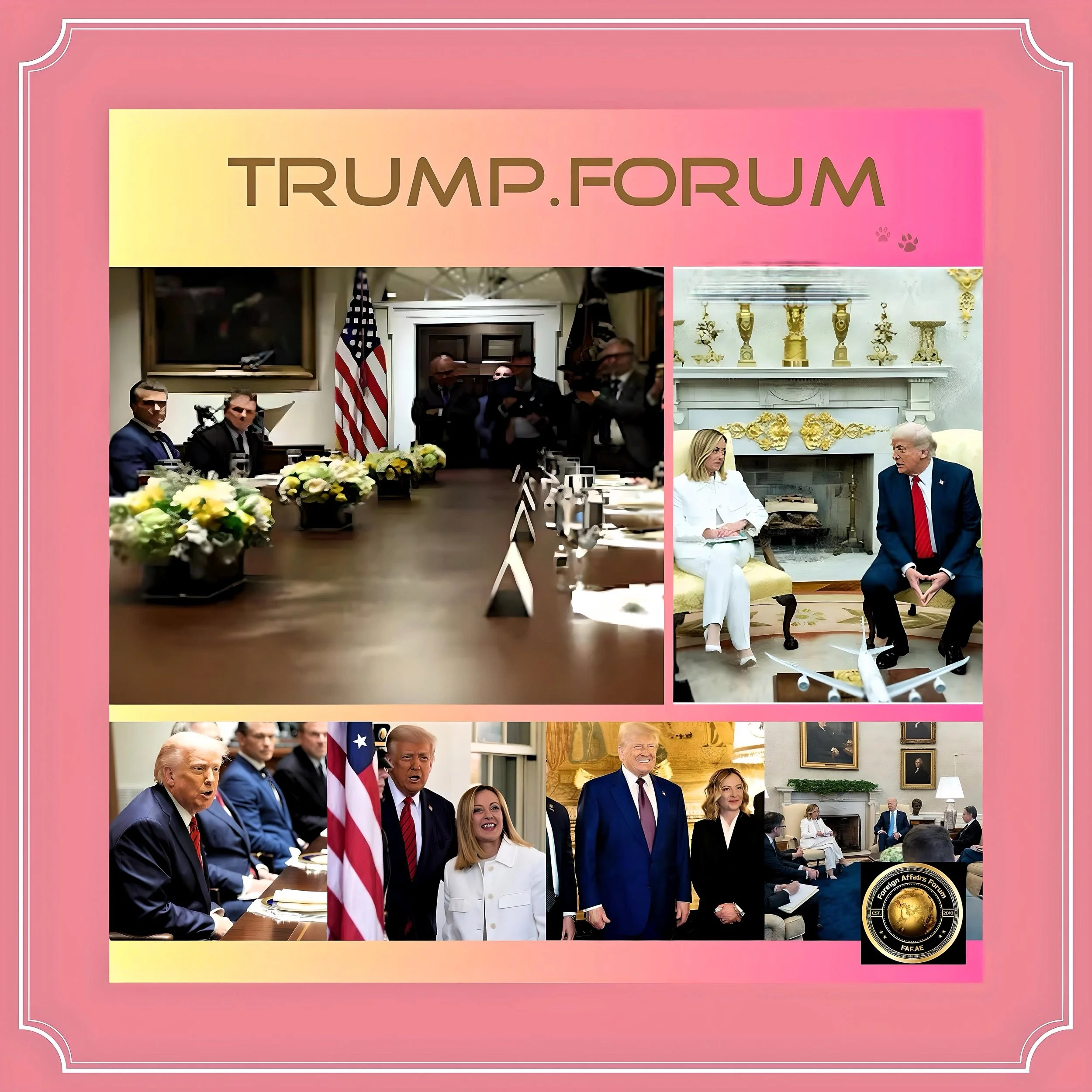
In Italy, the centerpiece of Vance’s diplomatic schedule was his extensive meeting with Prime Minister Giorgia Meloni, which covered a wide range of bilateral issues.
Mutual expressions of support for strengthened ties between Washington and Rome characterized the discussions. Both leaders emphasized their commitment to addressing shared challenges through enhanced cooperation.
During his time in India, Vice President Vance engaged in comprehensive discussions with Prime Minister Narendra Modi that covered several hours and multiple aspects of the U.S.-India relationship.
These talks resulted in joint statements affirming commitment to technology partnerships and regional security cooperation. The meeting represented a continuation of high-level engagement between the two administrations.
Business and Cultural Engagements
Beyond government-to-government meetings, Vance participated in roundtable discussions with business leaders in both countries, particularly emphasizing technology sector collaboration during his time in India.
These sessions provided opportunities for direct engagement with private sector stakeholders who play crucial roles in implementing bilateral initiatives.
The diplomatic schedule also incorporated cultural components, including visits to historical sites and participation in traditional ceremonies in both countries.
These activities were presented as opportunities to deepen cultural understanding and demonstrate respect for the host nations’ heritage.
Controversy Over Family Accompaniment
The Vice President’s decision to bring his three children on this official diplomatic mission has generated significant debate about the propriety of mixing family travel with government business. This aspect of the trip has received substantial media attention and public scrutiny.
The decision to Include Children
Vice President Vance chose to bring his three young children on this diplomatic journey, describing it as an educational opportunity to experience different cultures and witness international diplomacy firsthand.
This decision departed from typical practice for high-level diplomatic missions, which generally do not include officials’ children.
The Vice President’s office defended the decision by noting that the children’s presence did not interfere with official business and that their participation in select events was carefully managed to minimize disruption.
Critics, however, questioned whether bringing family members on such missions reflects appropriate boundaries between personal and official activities.
Precedent and Protocol Considerations
The historical precedent for family accompaniment on diplomatic missions is mixed. Some previous administrations permitted family travel, while others maintained a stricter separation between official business and personal activities.
The State Department maintains protocols regarding family travel on diplomatic missions, though these guidelines allow for some flexibility in their application.
Diplomatic experts have noted that while family members on specific trips can sometimes serve soft diplomacy purposes, high-level security and policy missions typically maintain stricter separation between official business and family activities.
The deviation from standard practice has raised questions about establishing new precedents for future administrations.
Taxpayer Implications and Financial Considerations
Including family members on official diplomatic missions raises essential questions about the appropriate use of taxpayer resources.
Vice President Vance’s trip's financial aspects have become a subject of public discussion.
Cost Allocation and Transparency
Questions have been raised about how costs for the Vice President’s children were allocated between official government expense accounts and personal funds.
While government officials are typically required to reimburse taxpayers for the equivalent cost of family members’ travel on government transportation, the complete financial arrangements for this trip have not been fully disclosed.
The total cost of the diplomatic mission, including security requirements, transportation, and accommodations for the expanded traveling party, represents a significant expenditure of public resources.
Transparency advocates have called for a detailed accounting of how these expenses were allocated between the trip's official business and personal components.
Policy and Ethical Considerations
The situation highlights the broader policy questions surrounding using government resources for activities that blend official and personal purposes.
The administration’s approach to these issues may establish precedents for future officials regarding the appropriate boundaries of taxpayer-funded travel.
Ethics experts have noted that even when officials personally reimburse certain costs, the logistical and security requirements for family members inevitably create additional expenses that taxpayers may ultimately bear.
These considerations raise questions about the equitable use of public resources and establishing appropriate standards for official travel.
Key Outcomes and Diplomatic Achievements
Despite the controversy surrounding the family aspect of the trip, the diplomatic mission produced several substantive outcomes that advance American interests in both regions. These achievements represent the policy substance underlying the diplomatic engagements.
Policy Accomplishments in Italy
The meetings in Italy resulted in strengthened commitments to economic cooperation, particularly in emerging technology sectors and energy security initiatives.
Both nations reaffirmed their commitment to NATO and discussed enhanced defense cooperation in response to regional security challenges.
Joint statements following the meetings emphasized shared values and common approaches to addressing global challenges, including climate change and migration issues affecting the Mediterranean region.
The diplomatic engagement reinforced the transatlantic alliance's importance during a period of significant geopolitical tension.
Strategic Agreements with India
The India portion of the trip yielded multiple concrete agreements on technology partnerships, with particular emphasis on artificial intelligence development and semiconductor manufacturing cooperation.
These agreements position the United States to strengthen critical supply chains while expanding access to India’s growing technology sector.
Discussions regarding the Quad alliance produced commitments to enhanced security cooperation and coordinated responses to regional challenges in the Indo-Pacific.
The meetings also addressed trade relationships and market access issues that have been priorities for American businesses operating in India.
Conclusion
Vice President Vance’s diplomatic mission to Italy and India represents a significant effort to strengthen American alliances and advance specific policy objectives in key regions.
The substantial outcomes in technology partnerships, security cooperation, and economic agreements demonstrate the administration’s focus on building strategic relationships that address emerging global challenges.
However, the decision to include his children on this official trip has created controversy that has partially overshadowed the diplomatic achievements.
The questions about the appropriate use of taxpayer resources and blending personal and official activities point to essential policy considerations regarding transparency and accountability in government operations.
As the administration continues to develop its international engagement strategy, the precedents established during this trip—both in diplomatic substance and operational practice—may have lasting implications for American foreign policy and the conduct of official business.
The balance between personal considerations and official responsibilities will likely remain a subject of public discourse as similar situations arise.