The Contradiction in Trump’s Drug Policy: An Analytical Assessment : Pardon of Juan Orlando Hernández
Introduction
The Trump administration’s pardon of Juan Orlando Hernández, the former President of Honduras, amid escalating military pressure against Venezuelan drug trafficking operations highlights a significant policy inconsistency that undermines its proclaimed anti-narcotics stance across Latin America.
The Apparent Contradiction
On the surface, the contradiction is stark.
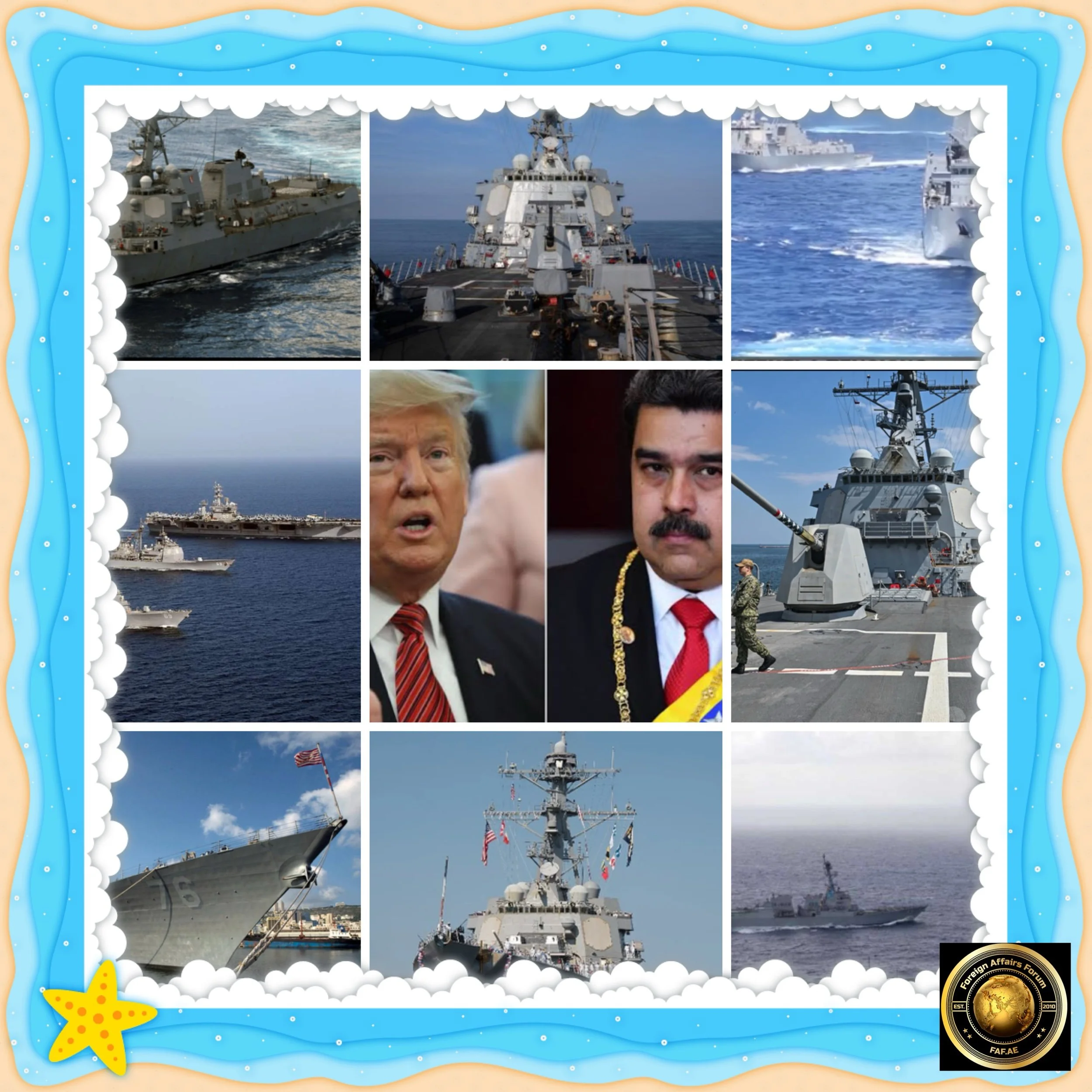
Trump has identified drug trafficking as a critical national security threat, explicitly labeling Venezuela’s “Cartel de los Soles” as a Foreign Terrorist Organization in 2022, deploying approximately 15,000 troops to the Caribbean region as part of “Operation Southern Spear,” which aims to disrupt drug routes and trafficking networks.
Additionally, U.S. forces have conducted at least 21 lethal strikes on suspected drug vessels believed to be associated with traffickers, resulting in over 80 fatalities, and have threatened to initiate land-based military operations against drug trafficking organizations throughout the region.
Treasury sanctions imposed on December 3, 2025, targeted Tren de Aragua affiliates, with Treasury Secretary Scott Bessent stating that “barbaric terrorist cartels can no longer operate with impunity across our borders,” signaling a hardline stance against regional drug cartels.
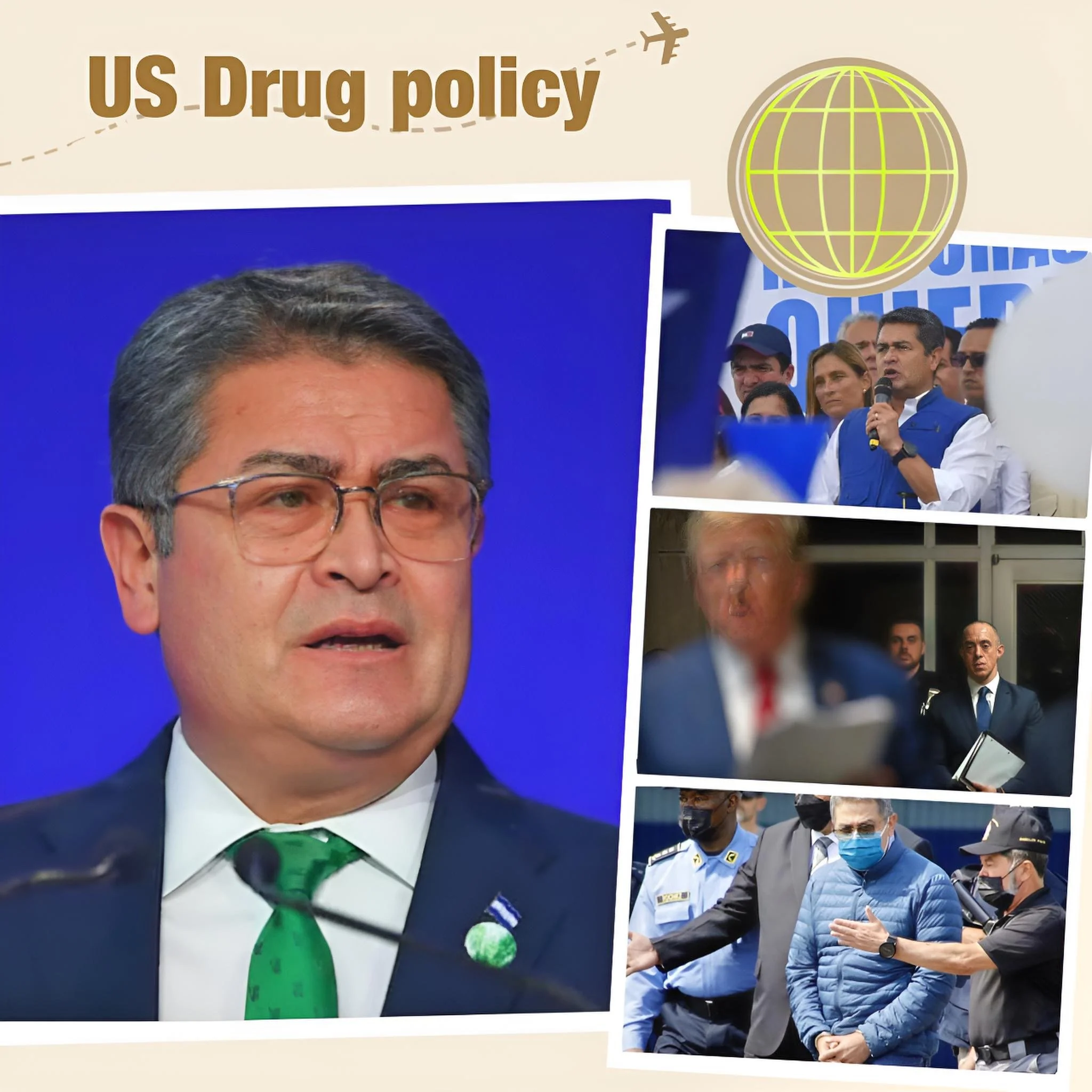
Yet, amid this intensified military campaign against alleged drug traffickers, Trump unexpectedly pardoned Hernández, who had been convicted of drug conspiracy charges.
Hernández, a former president who ruled Honduras from 2014 to 2022, was convicted of conspiring to smuggle approximately 400 tons of cocaine into the United States, accepting $1 million in campaign bribes from El Chapo’s Sinaloa Cartel, and effectively running Honduras as a narco-state with virtual impunity for violent drug traffickers.
He received a 45-year sentence but was released after serving only a fraction of it.
Understanding the Contradiction: Multiple Layers of Analysis
A deeper analysis reveals complex factors that, while not justifying, help explain the administration’s inconsistent policies.
Geopolitical vs. Judicial Frameworks
The Trump administration appears to conflate divergent policy objectives.
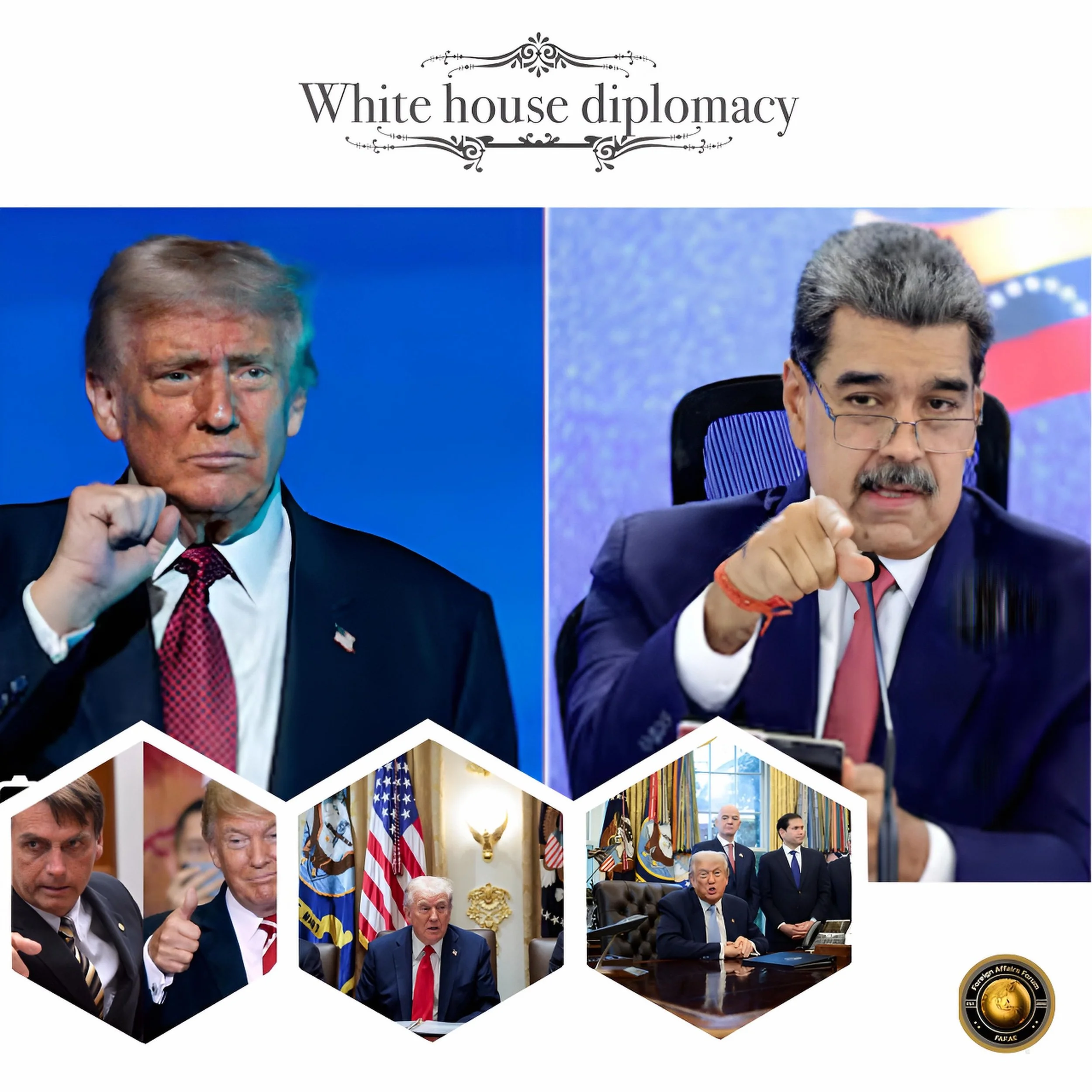
The Venezuela pressure campaign stems from strategic opposition to Nicolás Maduro’s regime, with drug trafficking serving as a public justification for military escalation.
Conversely, the Hernández pardon reflects Trump’s view that the Biden administration’s actions—perceived as politically motivated—aimed to undermine a foreign leader aligned with U.S. interests, despite Hernández’s own criminal history.
In Hernández’s pardon letter, he explicitly framed his conviction as political persecution by the Biden Department of Justice and emphasized shared opposition to Maduro, framing himself as a victim of political bias.
Questionable Evidentiary Claims About Venezuela
The portrayal of Venezuela as a principal drug trafficking hub is not strongly supported by evidence.
The 2025 Presidential Determination by the White House claims Maduro’s government “leads one of the largest cocaine trafficking networks in the world,” but the UN Office on Drugs and Crime’s (UNODC) World Drug Report indicates that only about five percent of Colombian cocaine exports pass through Venezuela, with most shipments directed toward the Caribbean or Europe rather than the U.S. mainland.
Venezuela also does not produce significant quantities of fentanyl, nor does it serve as a primary conduit in the cocaine trafficking pipeline to the United States.
The main routes run through Colombia and the Pacific coast, underscoring Venezuela’s limited role.
Selective Application of Anti-Drug Principles
Critics note the administration applies anti-drug justifications inconsistently.
As former National Security Council official Derek Vietor pointed out, “Hernández was convicted of conspiring to smuggle 400 tons of cocaine into the U.S. and received a pardon.
Meanwhile, unidentified individuals—possibly fishermen or lesser traffickers—are being killed in open waters without due process.
This selective enforcement appears driven more by political strategy than by genuine concern about drug trafficking, indicating instrumental use of anti-narcotics narratives.
Historical Pattern of Selective Enforcement
This pattern is consistent with past U.S. policy. During Hernández’s presidency (2014-2022), he was valuable to U.S. strategic interests despite documented human rights abuses, election fraud, embezzlement of social security and World Bank funds, and military and police brutality.
Washington reportedly turned a blind eye to these issues, prioritizing his role in regional drug trafficking and stability, reflecting a broader tendency toward selective enforcement.
The Strategic Logic Behind the Contradiction
From a realpolitik perspective, Hernández’s pardon makes tactical sense.
He is no longer in power and, thus, of limited utility in active operations.
The pardon may foster goodwill among certain Honduran political factions, as Trump openly endorsed a specific presidential candidate and linked opponents to Maduro, while demonstrating a willingness to overturn what he called “Biden witch-hunts.”
Meanwhile, the Venezuela-focused operations serve the broader goal of pressuring Maduro’s regime, justified under anti-narcotics pretenses.
Conclusion
The contradiction between Hernández’s pardon and ongoing military actions against Venezuelan traffickers is real and significant, but from the administration’s view, it is not illogical.
It reflects a hierarchy of priorities, where geopolitical objectives—such as pressuring Maduro and fostering regional alliances—take precedence over policy consistency.
The drug trafficking narrative is thus used primarily as a legal and moral cover for military escalation rather than as the central policy driver.
This approach undermines the credibility of Trump’s claim that drug cartels are his primary concern.
If that were true, the Hernández pardon would be inexplicable; instead, it demonstrates that anti-narcotics efforts are a strategic tool for broader geopolitical goals.
Such instrumentalization weakens the administration’s legal, diplomatic, and moral standing in Latin America, especially given questions about Venezuela’s real role in U.S. drug trafficking.