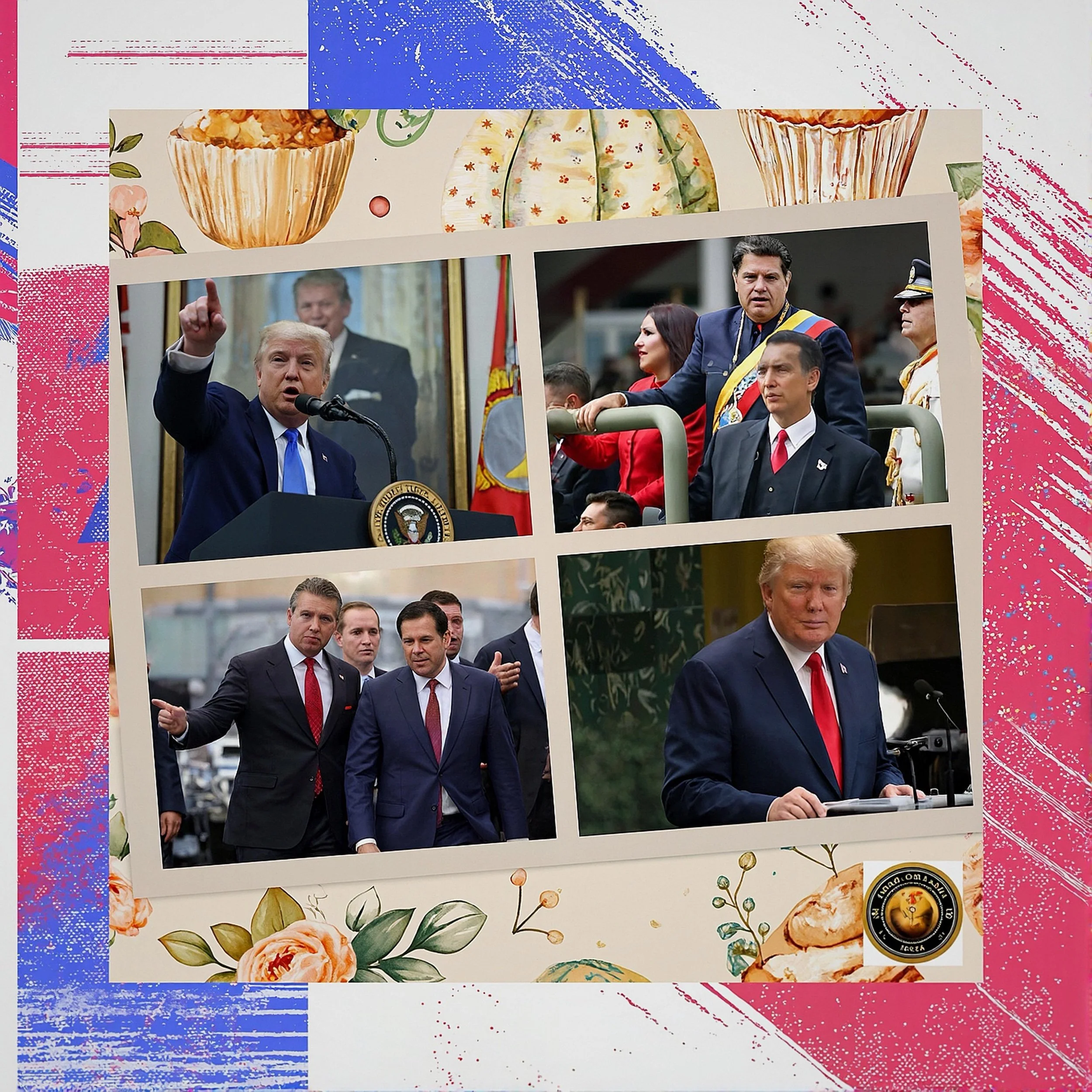
Understanding Trump’s Venezuela Strategy: Beyond Rhetoric
Introduction
Trump’s statement about Maduro’s “days being numbered” reflects a substantive policy shift rather than mere ranting, though it does involve characteristic hyperbolic messaging.
The situation is multifaceted, combining genuine security concerns with strategic geopolitical and economic interests. Here’s what’s actually happening.
What Trump Means and the Reality Behind the Statement
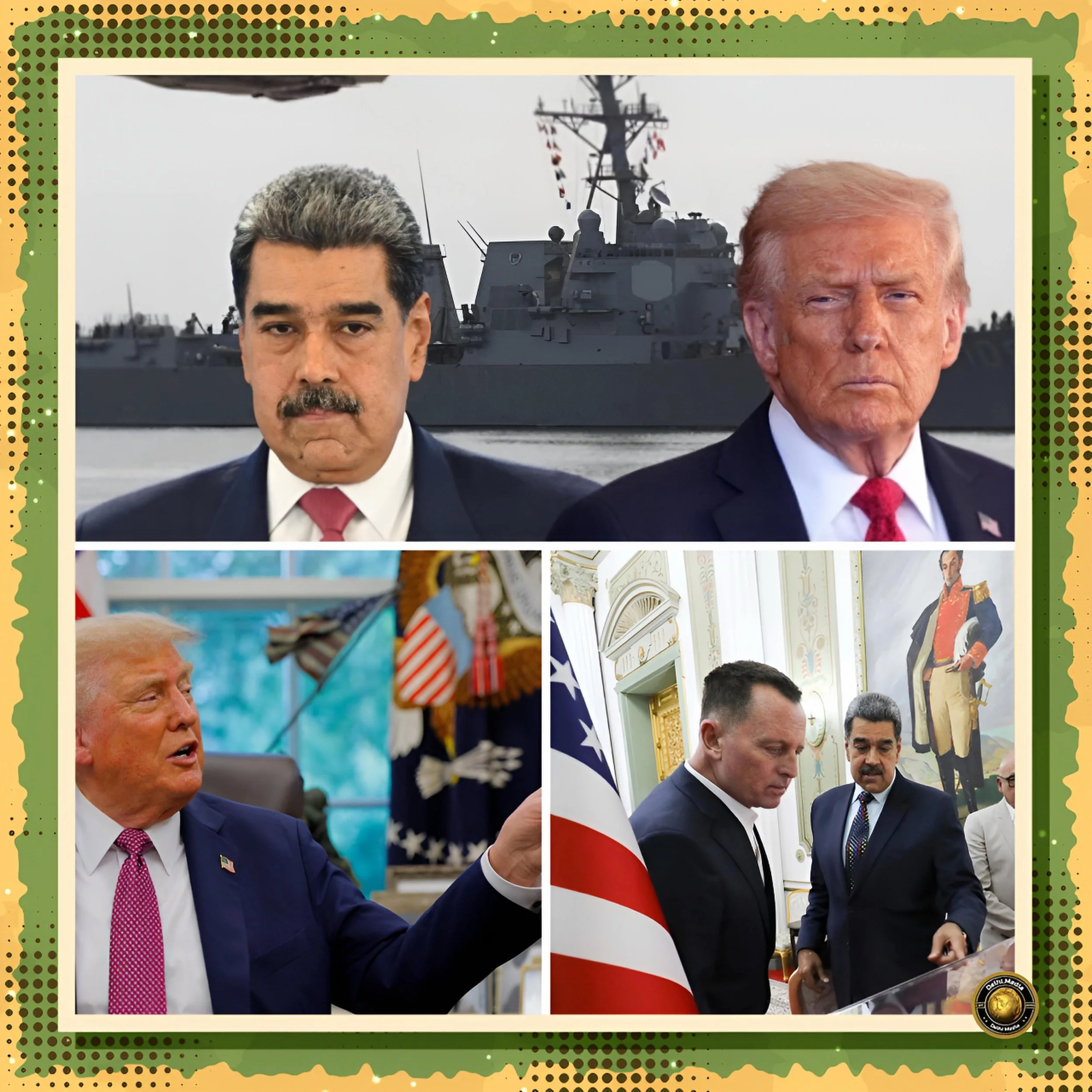
When Trump says Maduro’s days are numbered during his recent 60 Minutes interview, he’s signaling administration confidence in an imminent change of power.
This isn’t baseless rhetoric—it represents the public-facing statement of a coherent (if controversial) strategy involving serious military and intelligence operations.
The Trump administration has deployed the world’s largest aircraft carrier (USS Gerald Ford), approximately 10,000 troops, Navy ships, fighter jets, Reaper drones, and nuclear submarines to the Caribbean—the largest U.S. military presence in that region in 35 years.
Crucially, Trump has already authorized CIA covert operations in Venezuela, with the stated objective of removing Maduro from power.
The administration has also drawn up a secret target list for potential military strikes on Venezuelan facilities. So the statement represents a genuine strategic initiative, not idle commentary.
Why Trump Is Against Maduro: The Three-Layered Rationale
Trump’s opposition to Maduro operates on three distinct levels, each with different levels of legitimacy:
Immigration and Criminal Activity Claims
Trump frequently cites that Maduro has released prisoners and mental health patients into the United States, with criminal organizations like Tren de Aragua and Cartel de los Soles arriving with Venezuelan migrants.
Trump stated: “They’ve been treating us very badly, not only on drugs — they’ve dumped hundreds of thousands of people into our country that we didn’t want. Moreover, if you look closely, they have also discharged individuals from their mental health facilities and insane asylums into the United States.”
This claim is partially supported but controversial. Venezuelan migration has indeed increased dramatically, and some criminal elements have arrived with migrant flows.
However, experts note that the scale and specificity of Trump’s claims (particularly regarding systematic prisoner releases and asylum patient transfers) are contested and lack comprehensive documentation.
The Drug Trafficking Justification
The administration portrays operations against Venezuela as part of an anti-narcotics campaign.
Trump claims vessels struck in recent months were “loaded up with mostly fentanyl” and presents the military buildup as targeting drug cartels.
However, this justification has substantial credibility issues. Fentanyl is predominantly manufactured in Mexico, not Venezuela, and enters the United States primarily through the southern border—not through Caribbean maritime routes.
While Venezuela does serve as a transshipment point for cocaine and other narcotics, and elements of Venezuela’s military do profit from drug trafficking, the scale of Venezuela’s role as a primary drug production site is limited.
This suggests the drug trafficking claim, while containing elements of truth, is being used partly as a legal and rhetorical justification for broader geopolitical objectives.
Oil Resources and Economic Leverage
The most significant but least publicly discussed motivation involves Venezuela’s vast oil reserves.
Venezuela possesses the world’s largest proven oil reserves, though much of it is extra-heavy Orinoco crude requiring expensive processing and diluents to market.
Reports indicate the Trump administration is contemplating military action not just against military installations but specifically to seize Venezuelan oil fields.
The administration has drawn up plans to deploy counterterrorism forces to “take control of airstrips and at least part of Venezuela’s oil fields and infrastructure.”
Trump notably rejected Maduro’s earlier proposal allowing American companies to exploit oil concessions, suggesting this isn’t a negotiation but a power play.
What Trump Actually Wants From Venezuela
Based on available reporting, the Trump administration is pursuing a multifaceted strategy rather than a single objective:
Regime Change
Secretary of State Marco Rubio and National Security Advisor Stephen Miller have been primary drivers advocating for Maduro’s removal.
The administration has offered a $50 million bounty for information leading to Maduro’s arrest or conviction.
Oil Access: Control over Venezuela’s oil fields would give the U.S. strategic energy leverage and provide opportunities for American companies like Chevron to develop resources.
Domestic Political Positioning
The aggressive Venezuela stance resonates with Trump’s MAGA base, particularly in Florida and Texas, allowing him to claim achievements on migration, drug trafficking, and crime—all central campaign issues.
Regional Leverage
Control over Venezuelan oil licensing and sanctions relief could serve as negotiating tools for broader Latin American cooperation on migration and other issues.
The Three Military Options Under Consideration
The Trump administration is reportedly weighing three escalating options:
Option 1
Airstrikes on military installations allegedly complicit in drug trafficking, designed to erode Maduro’s support and potentially force him to flee or make himself vulnerable.
Option 2
Deployment of special operations forces (Army Special Forces or Navy SEAL Team 6) to capture or eliminate Maduro, justified under the rationale that he functions as the head of a narcoterrorist organization rather than as a foreign leader (thereby circumventing legal restrictions on assassinating foreign leaders).
Option 3
A more comprehensive deployment to seize control of airstrips, ports, and significant portions of Venezuela’s oil infrastructure.
The Contradictions and Risks
Trump’s messaging has been deliberately ambiguous.
He simultaneously claims Maduro’s days are numbered while downplaying the likelihood of military conflict (“I doubt it. I don’t think so.”) and refusing to explicitly commit to land strikes.
The administration is seeking Justice Department legal justifications for military action without requiring congressional approval or a formal war declaration.
Critics raise serious concerns
The legal justifications for military action—particularly attempting to circumvent the ban on assassinating foreign leaders by classifying Maduro as a narcoterrorist rather than a foreign head of state—face scrutiny from legal experts.
UN officials have already condemned recent U.S. strikes against alleged drug trafficking vessels as violations of international law.
Moreover, some of Trump’s staunchest political supporters have cautioned that military intervention contradicts his campaign promise to end “forever wars,” and there’s no guarantee that removing Maduro would produce a more U.S.-friendly government.
Conclusion
Trump’s statement is neither meaningless ranting nor a formal declaration of war—it represents a deliberate signaling of administration intent to remove Maduro through various means (economic pressure, CIA operations, military intimidation, and potentially direct military action).
The justifications presented (immigration, drug trafficking) contain elements of truth but appear partially instrumental to the broader objective of regime change and oil access.
The confusion you’re experiencing reflects genuine ambiguity in Trump’s messaging, which appears deliberately calculated to maintain strategic flexibility while applying maximum pressure on Maduro’s regime.