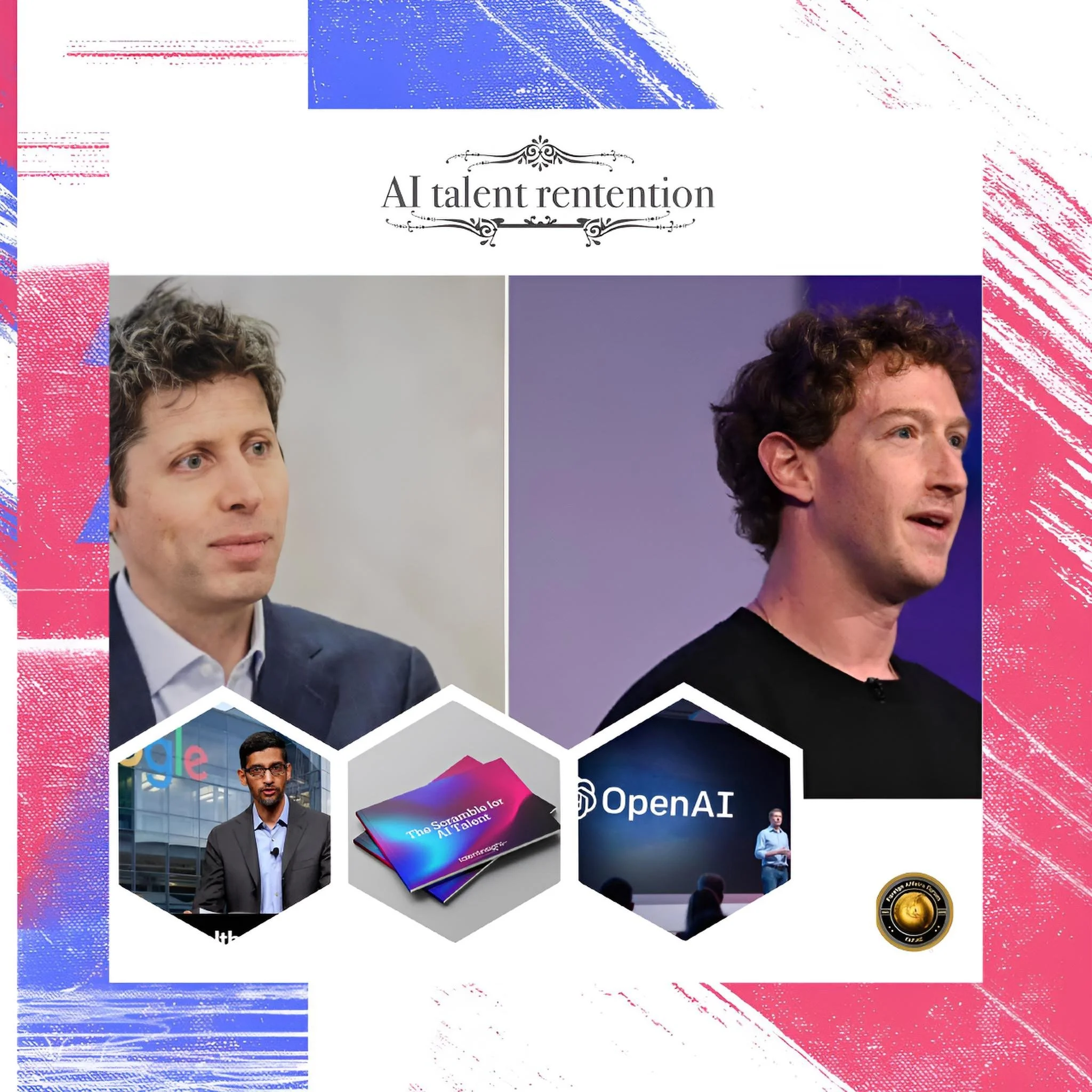
The Great AI Talent Scramble: Between Soup and Uncertainty
Introduction
The artificial intelligence industry finds itself at a crossroads. While tech giants scramble to outbid each other for top talent—Mark Zuckerberg famously delivering homemade soup to OpenAI researchers—the industry’s future is clouded by doubts about whether its rapid growth can continue amid fears of a bubble.
The AI Talent War: Tactics and Desperation
Competition for elite AI brains has gone beyond hefty paychecks to personal gestures that capture headlines.
OpenAI’s Chief Research Officer, Mark Chen, reveals that Meta CEO Mark Zuckerberg has personally made and delivered soup to recruiters targeted from OpenAI.
This quirky tactic highlights the fierce rivalry where traditional incentives—like huge bonuses—are no longer enough.
The stakes are enormous.
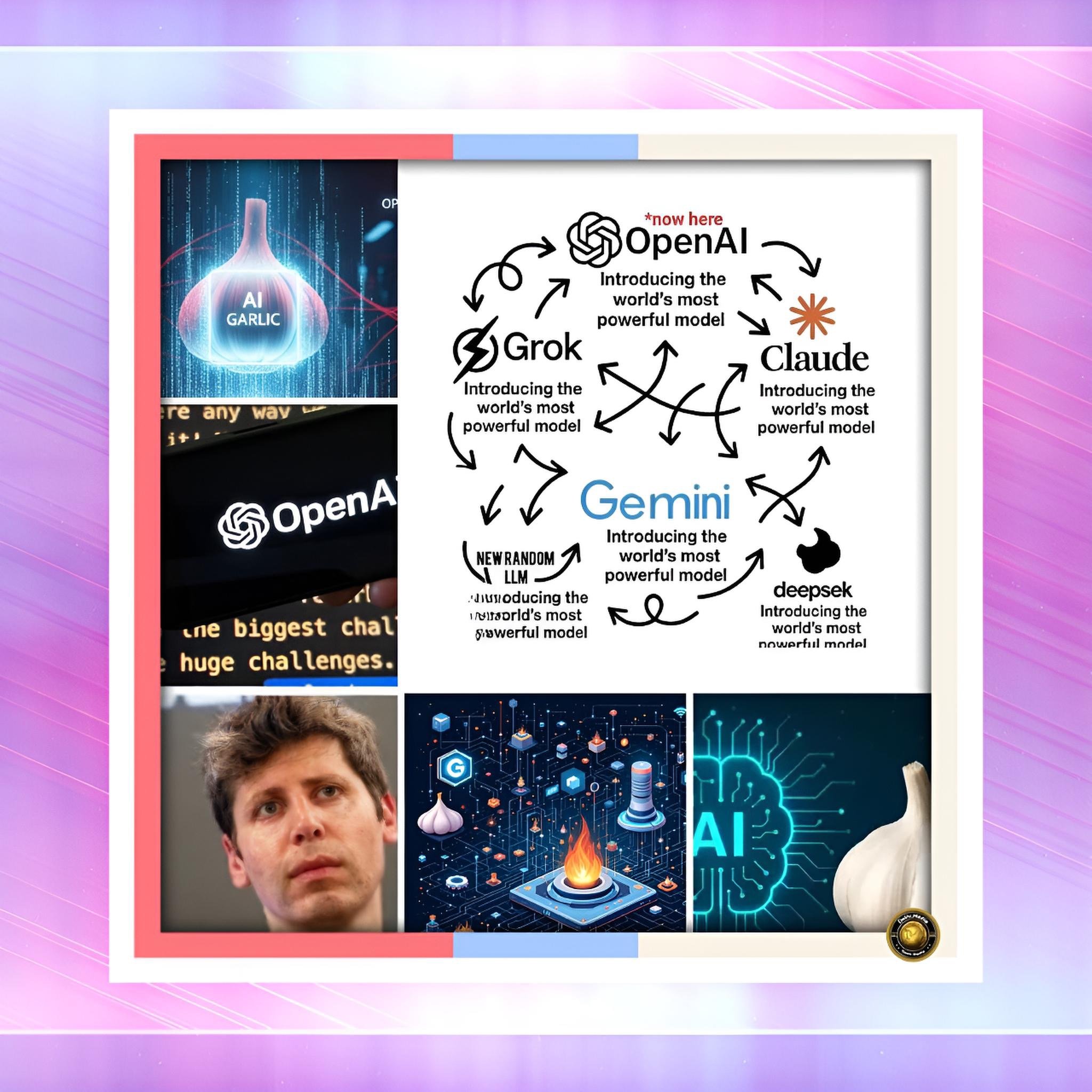
Sam Altman, OpenAI’s CEO, disclosed that Meta dangled signing bonuses up to $100 million for engineers, with total packages possibly exceeding that. Meta reportedly allocates over $10 billion annually to lure AI talent.
Yet, despite these offers, Altman claims none of his top experts have accepted Meta’s terms, showing that mission and environment matter just as much as pay.
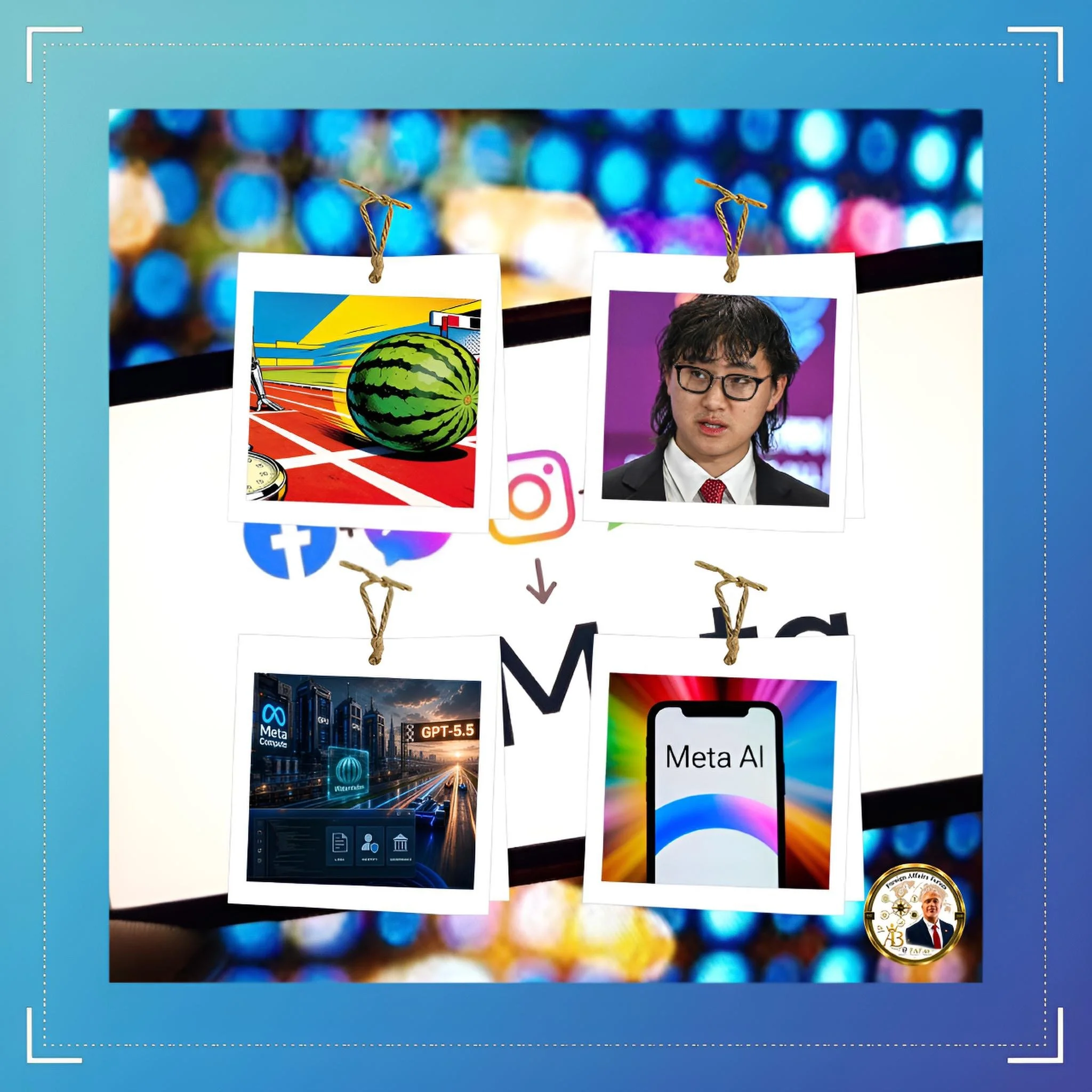
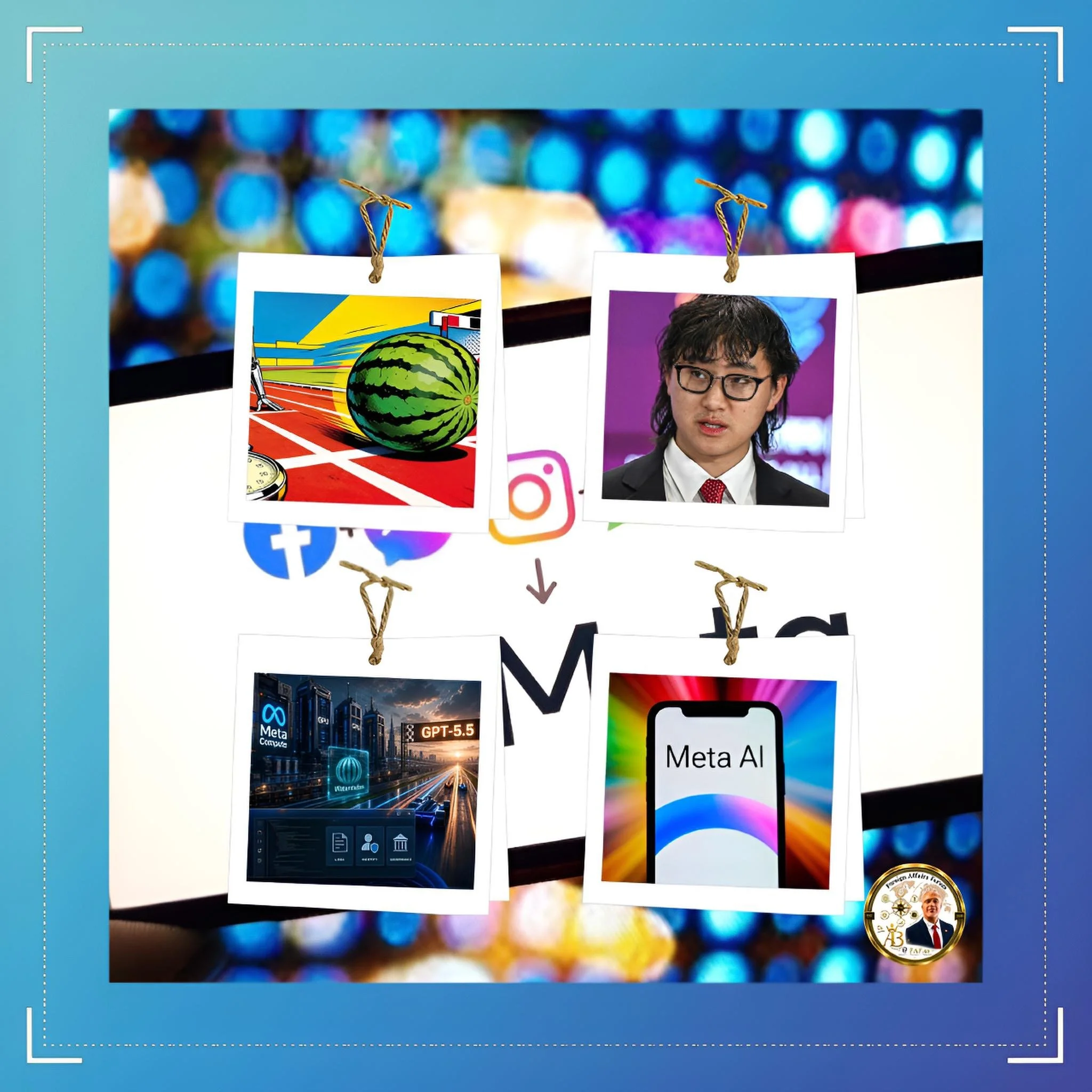
Meta has scored notable wins, like hiring Shengjia Zhao, a key contributor to ChatGPT and GPT-4, and appointing him as chief scientist at its Superintelligence Labs in 2025. It also attracted talent from Google DeepMind and Sesame AI.
But not every effort paid off—recruitments of top researchers from OpenAI and Google reportedly failed.
The Retention Puzzle
While Meta’s recruiting frenzy makes headlines, data from SignalFire’s 2025 report paints a different picture: the real key to keeping top researchers lies elsewhere.
Anthropic leads with an 80% retention rate among staff hired two or more years ago, followed by DeepMind at 78%, OpenAI at 67%, and Meta at 64%. Interestingly, higher pay doesn’t always equal better retention—Anthropic’s success comes from a focus on mission and culture.
Mark Chen admits OpenAI constantly faces recruitment pressure and describes it as being "under attack.” Still, he believes OpenAI retains its top talent because of a shared conviction that it will achieve artificial general intelligence first—an inspiring reason that goes beyond monetary rewards.
The Bubble and Broader Concerns
All this turmoil occurs amid rising skepticism about AI’s true value.
Contrarian investor Michael Burry, famous for predicting the 2008 housing crash, warns that AI is a bubble driven by greed rather than real demand, betting against companies like Nvidia and Palantir.
Global economic voices echo these fears. The Bank of England warns stock valuations are at bubble-like levels, reminiscent of the dot-com era. The World Economic Forum describes a “triple bubble"—cryptocurrencies, AI, and debt—threatening economic stability.
Sundar Pichai, Google's CEO, admits that the AI investment frenzy contains “elements of irrationality" and warns of risks if the bubble bursts.
Valuations soar, sometimes irrationally. AI startups like Cursor have seen valuations jump from $2.6 billion to $10 billion in just six months—a 3.8-fold increase—raising questions about how sustainable such rapid gains are.
What Companies Can Do
In this volatile scene, where talent is scarce but valuations are inflated, companies must go beyond flashy pay and personal gestures. Here are strategies grounded in purpose and sustainability:
(1) Focus on mission clarity and psychological safety. Companies like Anthropic prioritize a shared purpose and create safe environments where employees speak up and collaborate.
(2) Invest in skills and internal mobility. Cross-training and upskilling foster resilience and offer genuine career paths, especially when market conditions shift.
(3) Balance compensation with sustainable benefits. While pay is important, benefits like flexible work, professional growth, and wellness programs help retain talent long-term.
(4) Align individual and organizational goals. Clear communication and strategic involvement help employees see how their work shapes the company's future.
(5) Enhance leadership skills in retention and engagement. Effective managers who understand how to keep their teams motivated are crucial.
(6) Address AI-related uncertainties openly. Transparent conversations about how AI will transform roles and skills build trust and security.
Conclusion
Zuckerberg’s soup delivery may symbolize the visible chaos of a hidden crisis: top AI researchers are a scarce resource in a race driven by both innovation and immense financial stakes.
Yet, the companies that succeed in retaining talent are those that emphasize purpose, foster safe environments, and invest in actual career development—principles that go beyond monetary incentives.
In an industry caught between extraordinary promise and market corrections, the winners will be organizations that create purpose-driven cultures where people believe in the long-term vision and feel secure enough to take risks.
When valuations are reassessed—as history suggests they will—the firms with the strongest teams and continuity will be best positioned to adapt and survive.
For many current players, relying solely on financial spectacle may prove to be a fleeting strategy.