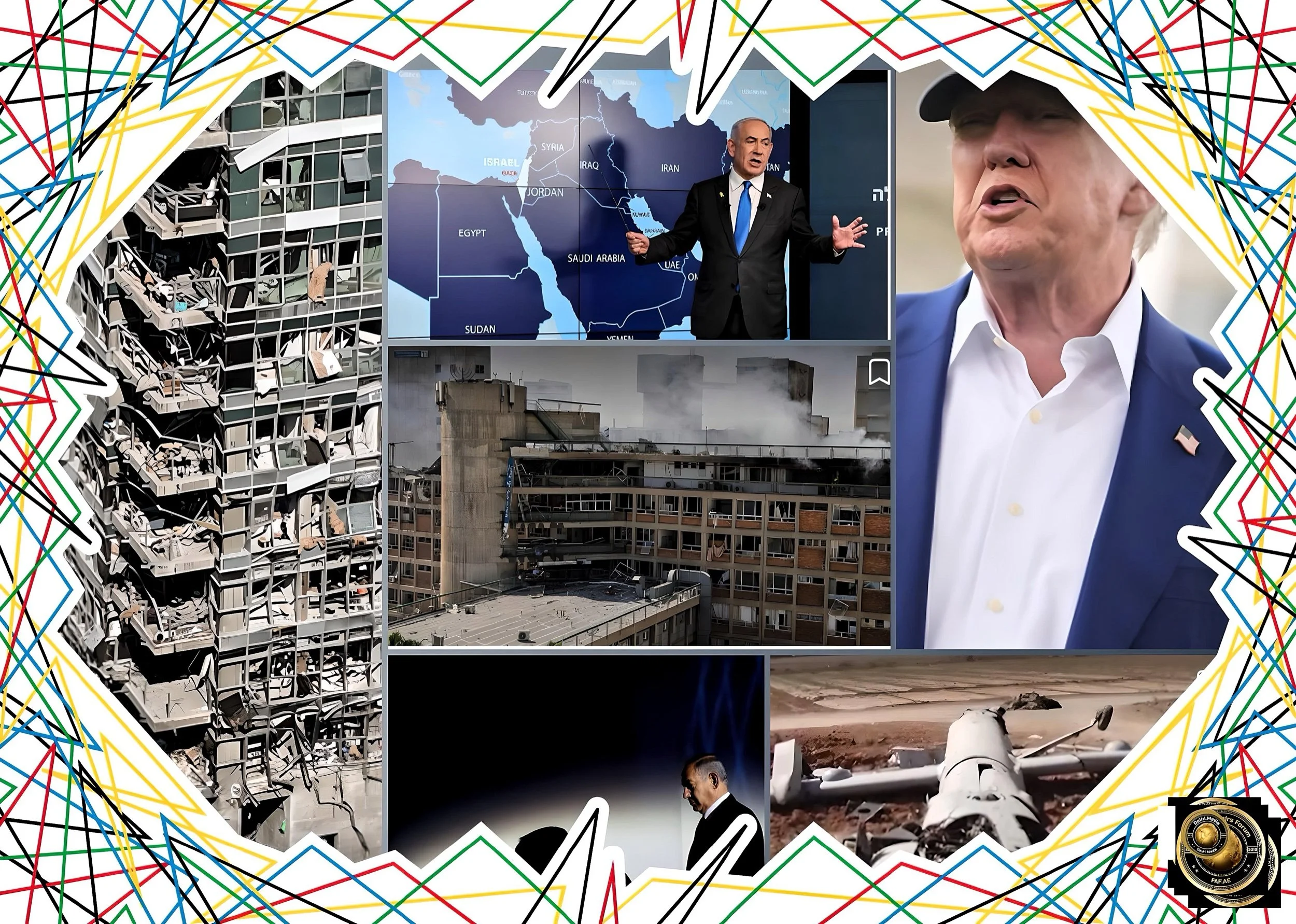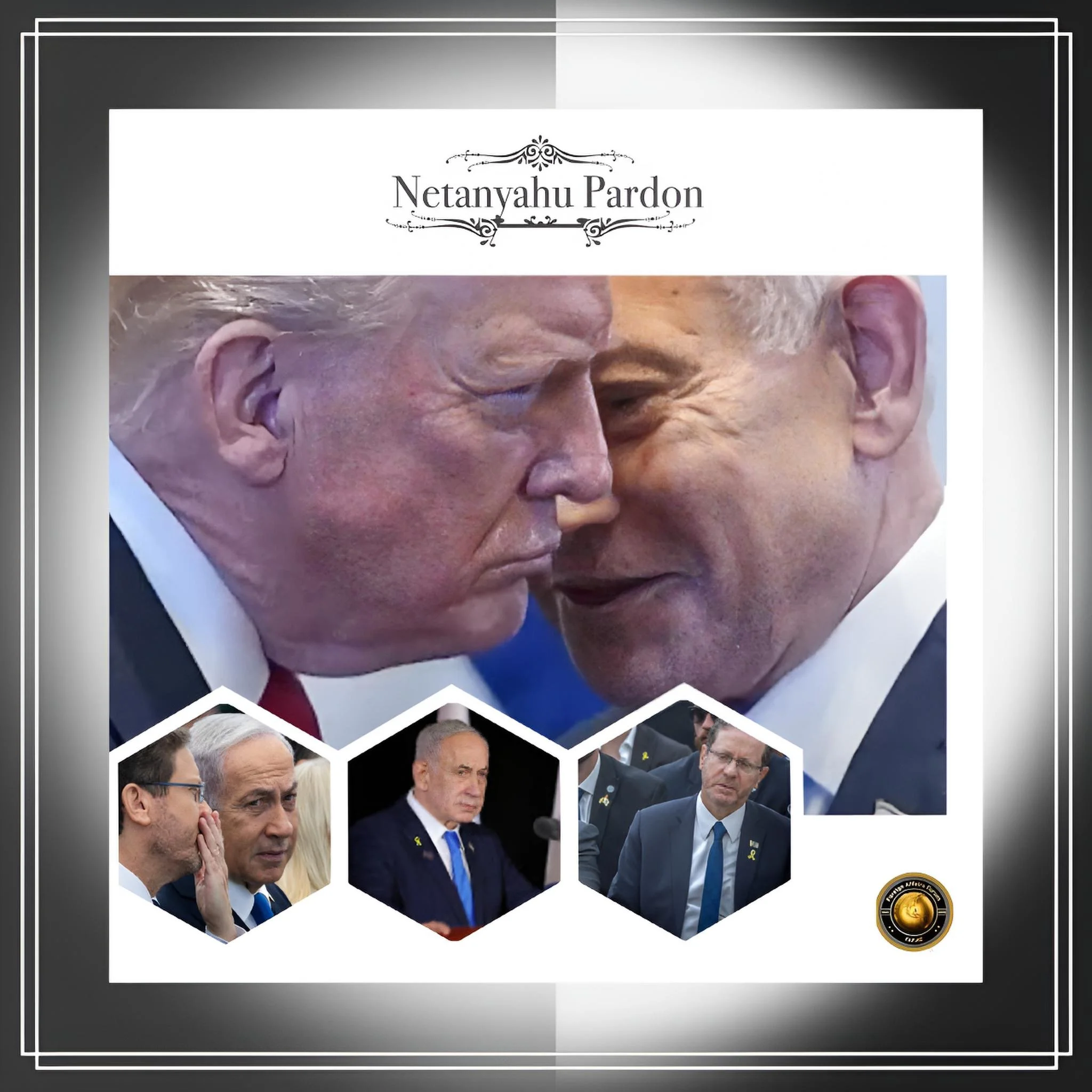
Netanyahu’s Pardon Request: Details and Implications for Israeli Democracy
Introduction
The Pardon Request
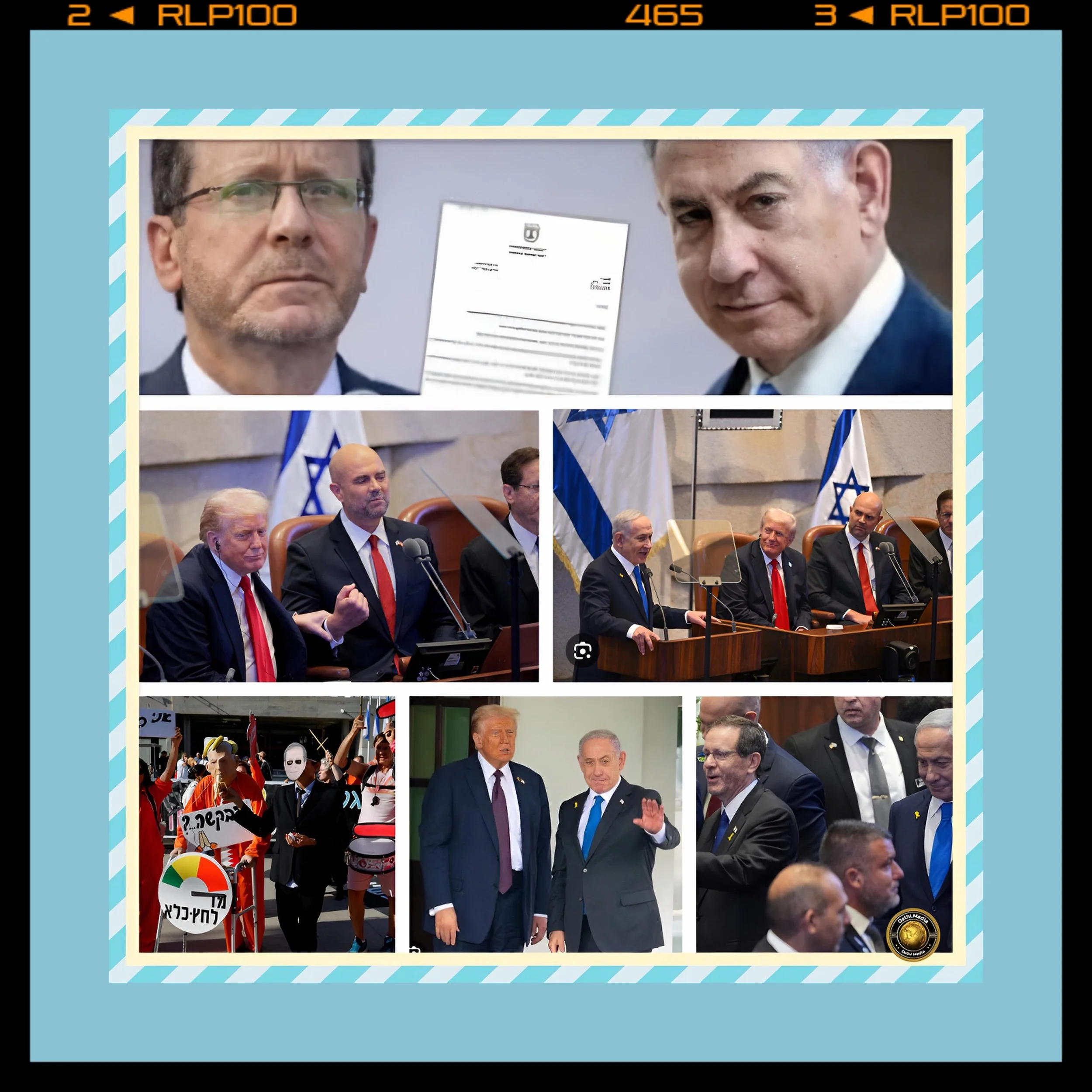
On November 30, 2025, Israeli Prime Minister Benjamin Netanyahu formally submitted a request for a presidential pardon to President Isaac Herzog to end his ongoing corruption trial.
The request consists of a 111-page legal document along with a personal letter from Netanyahu himself.
This represents a dramatic shift in Netanyahu’s position, as he had previously asserted that he would vindicate himself in court.
Specific charges
Netanyahu faces allegations across three distinct corruption cases—Cases 1000, 2000, and 4000—involving charges of bribery, fraud, and breach of trust.
These allegations center on claims that he provided political favors to wealthy businessmen in exchange for expensive gifts including cigars, champagne, and other items.
Netanyahu has consistently denied all charges, characterizing them as politically motivated “witch hunts.”
Trump’s Intervention and International Pressure
The pardon request followed approximately two weeks of direct U.S. intervention.
President Donald Trump initially called for Netanyahu’s pardon during an October 2025 speech to the Israeli Knesset, directly asking President Herzog, “Why don’t you give Netanyahu a pardon?”
Trump subsequently sent a formal letter to Herzog in mid-November describing the corruption case as a “political, unjustified prosecution” while paradoxically stating that he “absolutely respects the independence of the Israeli Justice System.”
Most significantly, on December 2, 2025, Netanyahu asked Trump during a phone call to continue assisting him in securing the pardon from Herzog.
Trump indicated the issue would “work out,” though he stopped short of committing to further specific action.
The Pardon’s Procedural Challenges
Netanyahu’s request faces substantial legal obstacles.
Under Israeli law, pardons are typically issued only after a conviction and traditionally require an admission of guilt and expression of remorse—conditions Netanyahu explicitly refuses to meet.
Notably, Netanyahu’s pardon application contains no admission of guilt and he has continued denying the charges in video statements.
The request will now be reviewed by the Justice Ministry’s Pardons Department, which will submit its recommendation to the legal advisor in the President’s Office.
Both the president and justice minister must approve any pardon granted. Legal experts estimate the review process could take several weeks to two months or longer.
Justification for the Request
Netanyahu argues that attending court three times weekly prevents him from governing effectively, particularly amid what he characterizes as Israel’s unprecedented security challenges and diplomatic opportunities.
His pardon application references Trump’s support and claims that granting the pardon would “allow the prime minister to devote all of his time, abilities and energy to advancing Israel in these critical times.”
In a video statement, Netanyahu stated he would have preferred to clear his name in court but that “national interests” warranted seeking a pardon instead.
His legal team notably indicated that a pardon would also permit Netanyahu to address “additional issues, such as the judicial system and the media—issues that he is currently prevented from handling because of the trial.”
Threats to Judicial Independence and Democratic Institutions
The pardon request has triggered widespread concern about Israel’s judicial independence and democratic future. Legal experts and civil society organizations have identified several alarming implications:
Undermining the rule of law
The Israel Democracy Institute characterized Netanyahu’s request as “an extraordinary situation that could destabilize the relations between the branches of government and undermine the principles of the rule of law and equality under the law.”
A pre-conviction pardon, particularly for the sitting prime minister, would establish a dangerous precedent that some citizens stand above the law.
Presidential encroachment on judicial authority
Legal scholars warned that presidential involvement in legal proceedings while they remain underway would position the presidency as “an authority above the judicial system” and compromise “the rule of law, law-enforcement, and equality before the law.”
This represents a fundamental breach of separation of powers.
Connection to judicial reform efforts
The pardon request gains significance within the broader context of Netanyahu’s coalition’s 2023 judicial reform proposals, which critics argue would severely weaken the Supreme Court and eliminate meaningful judicial review of government actions.
Although Netanyahu could not participate directly due to conflicts of interest from his trial, his coalition has continued advancing these reforms.
Critics worry that a pardon would embolden further attacks on judicial independence, particularly given Netanyahu’s statement about addressing “the judicial system” once freed from trial obligations.
International Interference Concerns
Trump’s direct intervention has drawn particular criticism. Former Israeli Foreign Ministry official Mitchell Barak told some journalists that Trump’s involvement constitutes inappropriate meddling in Israel’s internal justice system and that Herzog faces “intense pressure” from the U.S. president, but should reject such political interference.
Legal experts note this sets a troubling precedent of foreign heads of state seeking to influence justice system outcomes in allied democracies.
Political Division and Democratic Crisis
Rather than promoting unity as Netanyahu claims, the pardon request has deepened societal divisions.
Opposition leader Yair Lapid stated that a pardon cannot be granted “without an admission of guilt, an expression of remorse, and an immediate retirement from political life.”
The Movement for Quality Government characterized granting a pardon as “a deadly blow to the rule of law and to the principle of equality before the law, the very soul of Israeli democracy.”
Commentator Yossi Verter stated the pardon request “borders on extortion by threats,” noting that Netanyahu refuses the conditions typically required for clemency.
Mitchell Barak observed that Netanyahu “wants to have it all three ways”—avoiding responsibility while claiming to unite Israelis and potentially benefiting politically regardless of Herzog’s decision.
President Herzog’s Position
President Herzog acknowledged that Netanyahu’s request “unsettles many people in this country, across different communities” but pledged to consider “only the good of the country and Israeli society” in his decision.
Some Israeli media reports suggest Herzog may consider a conditional pardon requiring Netanyahu to retire temporarily or suspend judicial reforms, though Netanyahu’s representatives have indicated such conditions are not under consideration.
Conclusion
Broader Democratic Implications
Netanyahu’s pardon bid represents a critical juncture for Israeli democracy.
The first sitting prime minister to face trial in Israel’s history is attempting to escape accountability without admitting guilt, supported by the sitting U.S. president, at a moment when his coalition is simultaneously undermining judicial checks on executive power.
Granting the pardon would signal that political leaders can evade legal consequences while using executive power to reshape the judicial system itself—fundamentally transforming Israel from a liberal democracy with judicial constraints on power into a more centralized executive-dominated system where rule of law applies selectively.