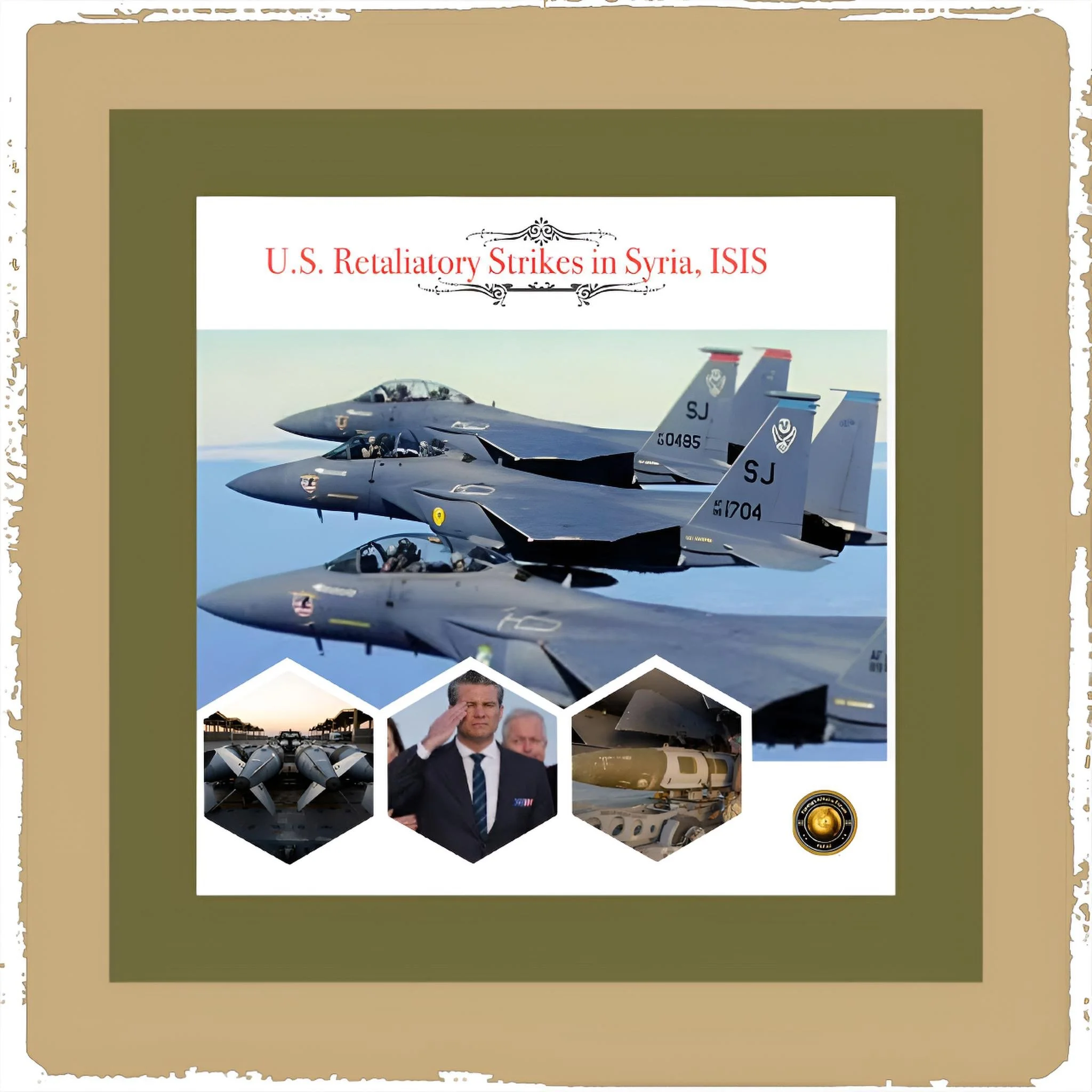
U.S. Retaliatory Strikes Expose Critical Security Gaps as ISIS Infiltrates Syria’s New Government -III
Executive Summary
Operation Hawkeye Strike, conducted by the United States military on 19 December 2025, represents a substantial demonstration of American commitment to counterterrorism objectives in Syria while simultaneously exposing the profound institutional vulnerabilities of the newly formed Syrian government.
The operation, which targeted more than seventy Islamic State installations across central Syria using over one hundred precision-guided munitions, constitutes a direct response to an ambush attack near Palmyra that claimed the lives of two United States Army soldiers and one civilian interpreter on 13 December 2025.
This incident marks the first combat fatality of American personnel in Syria since the fall of the Assad regime in December 2024.
The strike campaign underscores the persistent and evolving threat posed by ISIS—which continues to maintain an estimated fifteen hundred to three thousand active operatives across Syria and Iraq—and illuminates the systemic challenges facing both Washington and Damascus in their nascent counterterrorism partnership.
The operation further demonstrates the Trump administration’s explicit commitment to rapid, forceful responses to attacks on American personnel, a policy orientation with significant implications for the trajectory of American military engagement in the region.
Introduction
Hawkeye Strike: America Responds with Massive Force as Assad’s Fall Leaves Syria’s Security in Chaos
The emergence of Ahmed al-Sharaa’s transitional government in Syria, following the precipitous collapse of Bashar al-Assad’s authoritarian regime, created a historically unprecedented opportunity for United States-Syria cooperation on counterterrorism matters.
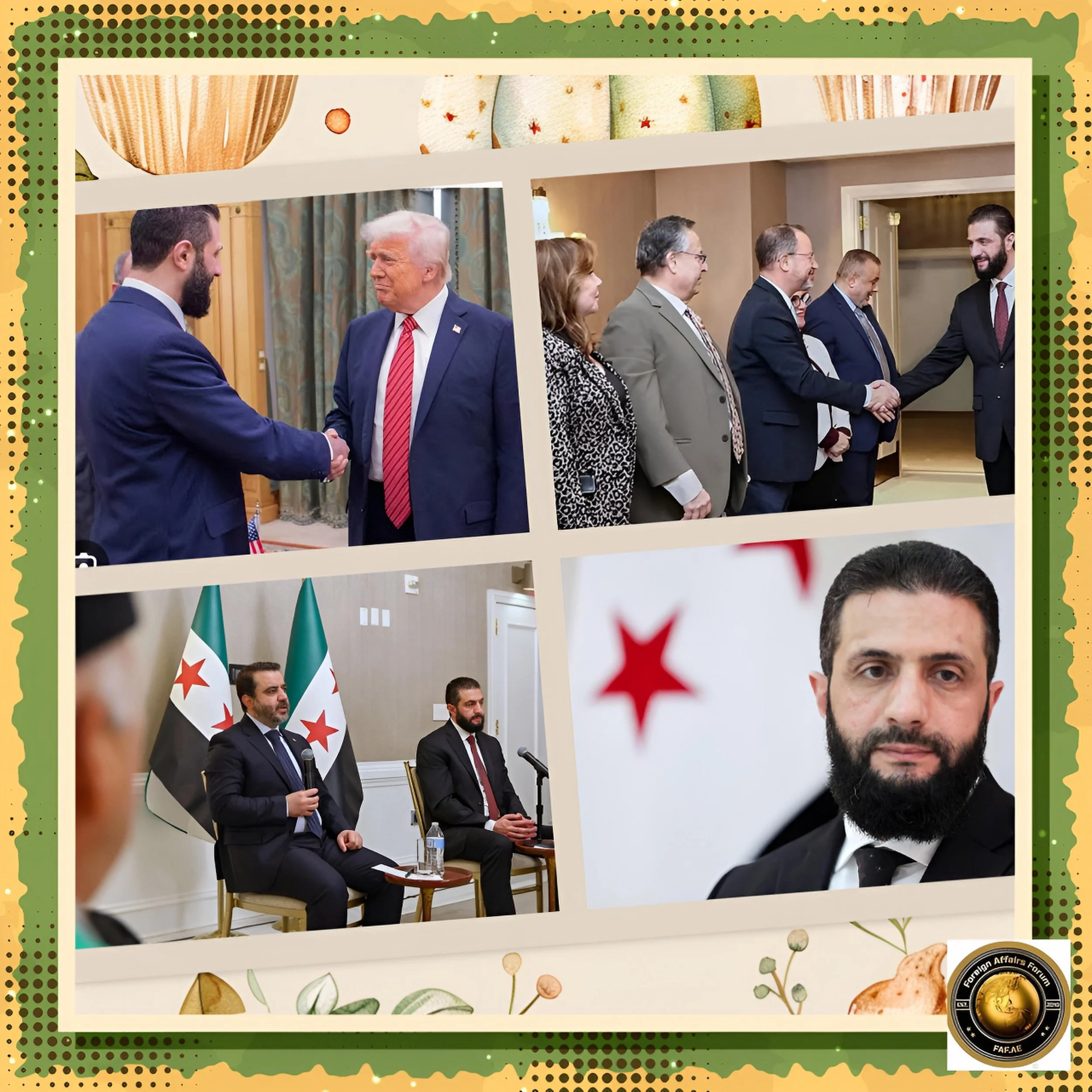
Following al-Sharaa’s White House visit in November 2025, the Trump administration moved decisively to reset bilateral relations, suspending most sanctions imposed under the Caesar Syria Civilian Protection Act of 2019 and facilitating Syria’s formal integration into the Global Coalition to Defeat Islamic State.
This recalibration of American policy toward Damascus marked a dramatic departure from the previous administration’s posture of strategic ambiguity. It represented an implicit wager that the new Syrian government could serve as an effective partner in the enduring campaign against ISIS.
Yet the Palmyra attack of 13 December 2025 exposed the profound limitations of this operational assumption, revealing critical gaps in intelligence-sharing protocols, security vetting mechanisms within Syria’s nascent security apparatus, and the tenuous nature of coordinated military operations in Syria’s fragmented operational environment.
The retaliatory campaign that followed—Operation Hawkeye Strike—reflects both the credible determination of the Trump administration to inflict costs upon ISIS and the underlying structural fragility of the new bilateral security partnership.
Key Developments: The Palmyra Incident and Operational Response
The attack that precipitated Operation Hawkeye Strike occurred on 13 December 2025 near Palmyra, a strategically significant ancient city in Syria’s central Homs Governorate.
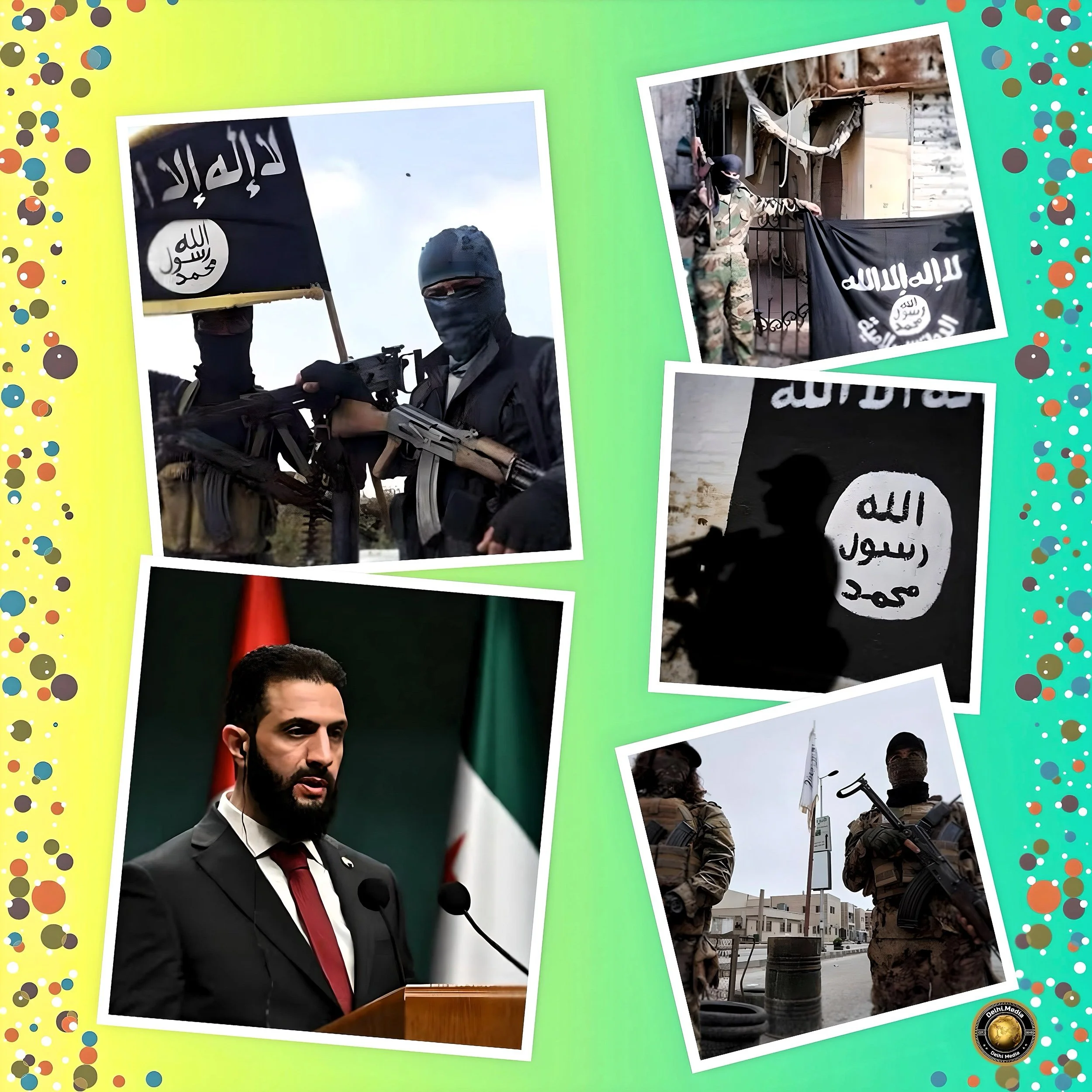
A lone gunman, subsequently identified as a member of the Syrian security forces and suspected ISIS affiliate, opened fire upon a joint American-Syrian patrol during a key leader engagement operation conducted in support of ongoing counterterrorism operations.
The ambush resulted in the deaths of Sergeant William Nathaniel Howard, 29, of Marshalltown, Iowa, and Sergeant Edgar Brian Torres-Tovar, 25, of Des Moines, Iowa, alongside Ayad Mansoor Sakat, a civilian interpreter of Iraqi descent. Three additional American military personnel sustained injuries in the incident.
The attacker was neutralized by Syrian security forces at the scene.
This attack achieved historical significance as the first operational fatality sustained by American military personnel in Syria following al-Assad’s removal from power. President Donald Trump, responding to the incident within hours, pledged “very serious retaliation” and characterized the attack as evidence of ISIS’s persistent operational capacity.
The president’s statement, disseminated via Truth Social, invoked language that foreshadowed the scale of the American response, framing the operation as part of a broader commitment to decisively responding to attacks on American personnel.
Operative details regarding the attacker, disclosed by the Syrian Ministry of Interior, illuminated significant institutional deficiencies within Syria’s security apparatus. The individual, though identified as a member of the Syrian security forces, had been flagged for holding “extremist ideas” as recently as 10 December 2025.
Syrian officials acknowledged that a decision regarding the suspect’s employment status was scheduled for 14 December—precisely one day after the attack.
This temporal proximity between the identification of extremist proclivities and the operational attack suggests a critical failure in threat assessment and security vetting procedures, raising substantial questions regarding the technical capacity of Syria’s fledgling security institutions to identify and neutralize internal threats before they materialize into active attacks.
The American response materialized on 19 December 2025, approximately six days following the attack. Defense Secretary Pete Hegseth, in a statement released via X, announced the initiation of Operation Hawkeye Strike, describing it as an operation “to eliminate ISIS fighters, infrastructure, and weapons sites in direct response to the attack on U.S. forces that occurred on Dec. 13 in Palmyra, Syria.”
The operation employed a diverse array of military assets: F-15 Eagle fighters, A-10 Thunderbolt II ground-attack aircraft, AH-64 Apache attack helicopters, and Jordanian F-16 fighter jets, augmented by HIMARS guided rocket artillery systems.
In aggregate, American and allied forces conducted strikes utilizing over one hundred precision-guided munitions across more than seventy identified ISIS targets distributed across multiple locations in central Syria, including the provinces of Deir ez-Zor and Raqqa, as well as the mountainous Jabal al-Amour region adjacent to Palmyra.
The operational designator chosen for the campaign—“Hawkeye Strike”—represents a deliberate symbolic reference to Iowa, the home state of two of the three fallen American personnel, a naming convention that explicitly politicizes the military operation by foregrounding the identities of the American casualties and their geographic origin.
This nomenclatural choice reflects the broader Trump administration strategy to emphasize personal consequences of terrorist attacks upon American service members and to demonstrate responsiveness to constituency expectations regarding presidential commitment to avenging American casualties.
Factual Analysis and Underlying Concerns
The scale of Operation Hawkeye Strike merits serious examination within the broader context of American military operations in the Middle East.
The deployment of more than one hundred precision munitions against seventy targets indicates a calculated, sustained offensive operation rather than a symbolic or limited response.
United States Central Command released statements characterizing the operation as “massive” and “large-scale,” terminology that conveys the operational significance of the action while avoiding hyperbole.
Multiple American officials indicated that additional strikes should be anticipated in the coming weeks, potentially extending through January 2026, suggesting that the operation represents an ongoing campaign rather than a single retaliatory strike.
Notwithstanding the apparent tactical success of Operation Hawkeye Strike, substantial concerns regarding the strategic efficacy of such operations persist within the analytical community.
The estimated strength of ISIS forces in Syria and Iraq—between 1,500 and 3,000 active operatives—remains remarkably consistent despite more than a decade of intensive counterterrorism operations by the United States and the broader Global Coalition to Defeat Islamic State.
This persistence suggests that attrition-based strategies, predicated upon the systematic elimination of ISIS fighters and materiel, may possess inherent limitations as a mechanism for achieving enduring strategic objectives.
The structural vulnerabilities exposed by the Palmyra attack warrant particular emphasis.
The Syrian Interior Ministry’s acknowledgment that the attacker had been flagged for extremist ideological inclinations yet remained in a security position until the day following his attack suggests that Syrian security institutions currently lack the institutional mechanisms—including vetting procedures, security clearance protocols, and information-sharing mechanisms—requisite for identifying and neutralizing internal threats before their operational manifestation.
This deficiency, originating in the nascent state of Syrian security sector reconstruction following the Assad regime’s collapse, directly undermines the premise upon which the Trump administration’s policy of delegating greater counterterrorism responsibility to Syrian partners depends.
Furthermore, the broader systemic context of ISIS’s persistent capacity to sustain operations in Syria reflects the enduring advantage that terrorist organizations exercise within fragmented, ungoverned, and sparsely populated spaces.
Palmyra itself lies within the Badia, a vast desert region constituting approximately 55% of Syrian territory, where central government authority remains attenuated, and security force presence is limited.
The remoteness and vastness of this terrain provide ISIS operatives with sanctuary from aerial reconnaissance and surveillance, enabling them to conduct operational planning, training, and logistics with limited risk of discovery.
Cause-and-Effect Analysis: Systemic Vulnerabilities and Strategic Implications
The operational sequence precipitated by the Palmyra attack reveals a complex causal chain linking institutional deficiencies in Syrian security governance, intelligence-sharing failures between American and Syrian partners, and the persistent organizational resilience of ISIS within Syria’s ungoverned and remote territories.
The attack itself—conducted by a lone gunman possessing institutional access to American personnel through his position within Syrian security forces—illustrates the asymmetrical vulnerability created when counterterrorism partnerships depend upon the trustworthiness of foreign security institutions possessing limited institutional maturity and questionable capability to vet their own personnel against ideological extremism.
The Syrian Interior Ministry’s statement that the attacker had been identified as possessing extremist ideological inclinations as recently as 10 December, with a decision regarding his employment status deferred until 14 December, reveals a troubling temporal gap between threat identification and threat elimination.
This pattern suggests that Syria’s security institutions, reconstructing themselves from the institutional wreckage of the Assad regime’s collapse, currently lack the procedural mechanisms and operational integration requisite for converting intelligence assessments into immediate security actions.
The failure to remove the individual from operational access pending the formal decision regarding his employment status represents a critical institutional lapse.
The broader institutional context further illuminates the fragility of the American-Syrian counterterrorism partnership. The Assad regime’s security apparatus, infamous for its practices of torture, arbitrary detention, and systematic surveillance, has been partially replaced by a nascent transitional government security structure.
The personnel comprising this new security apparatus represent a heterogeneous assemblage of defected military officers, former opposition fighters, international security advisors, and former regime elements.
This composition necessarily generates principal-agent problems, loyalty ambiguities, and vetting complications. The Palmyra incident represents the materialization of these institutional risks into operational consequences.
The American response—Operation Hawkeye Strike—produces several consequential effects upon the regional security landscape and the trajectory of American-Syrian relations.
First, the operation demonstrates the Trump administration’s commitment to imposing material costs upon ISIS in response to attacks upon American personnel, a policy signal that may deter further ISIS attacks upon American assets by rendering such actions strategically irrational.
However, this deterrent effect depends upon ISIS’s organizational capacity to conduct strategic calculations regarding the costs and benefits of attacking American forces.
This cognitive competency remains uncertain and variable across ISIS’s decentralized organizational structure.
Second, the operation provides material support to the new Syrian government’s counterterrorism efforts, destroying ISIS infrastructure, weapons caches, and trained personnel that would otherwise constitute ongoing threats to Syrian territorial security and stability.
Third, the strikes serve to reinforce the nascent American-Syrian security partnership operationally, demonstrating to the al-Sharaa government that the Trump administration will contribute substantial military assets to the shared counterterrorism objective.
However, the operation also produces undesired effects.
The prolonged American military presence in Syria, predicated upon the counterterrorism rationale, continues to engage American forces in a mission characterized by a low-intensity threat environment but persistent casualty risk.
The strategic costs of maintaining this presence—including military expenditure, personnel deployment in austere and hostile environments, and the psychological toll of ongoing casualty exposure—must be weighed against the strategic benefits of preventing ISIS resurgence.
Additionally, the operation underscores the limitations of military instruments in addressing the underlying conditions that facilitate ISIS recruitment and operational sustainability, namely state fragmentation, sectarian tensions, and ungoverned spaces.
Critical Factors: Institutional Capacity and Intelligence Gaps
Several factors merit careful examination given their implications for the sustainability of the American-Syrian counterterrorism partnership.
The first factor concerns the vetting and integration of former Assad regime security personnel into the new Syrian security apparatus. The Fall of the Assad regime raised significant questions about the disposition of regime security forces and the mechanisms by which former intelligence and security officials would be incorporated into—or excluded from—the transitional government’s security structures.
The Palmyra attack suggests that this integration process remains imperfect, with individuals possessing ISIS ideological sympathies continuing to occupy operational positions within reconstituted security institutions.
The second critical factor encompasses the intelligence-sharing mechanisms between American and Syrian counterparts. The Syrian Interior Ministry’s statement that it had warned American forces of “possible infiltration or attacks by the Islamic State” but that these warnings were allegedly ignored raises questions regarding the adequacy of American threat assessment procedures and the classification and prioritization of threat information shared by Syrian partners.
If Syrian security warnings were indeed conveyed and subsequently disregarded, this suggests either that American threat assessment protocols failed to weigh information from nascent Syrian security institutions appropriately or that the warnings were insufficiently specific to trigger heightened security measures.
Conversely, if no such warning was transmitted, the Syrian characterization constitutes an apparent post-hoc rationalization of American casualties. Either interpretation generates troubling implications for the intelligence partnership.[eaworldview]
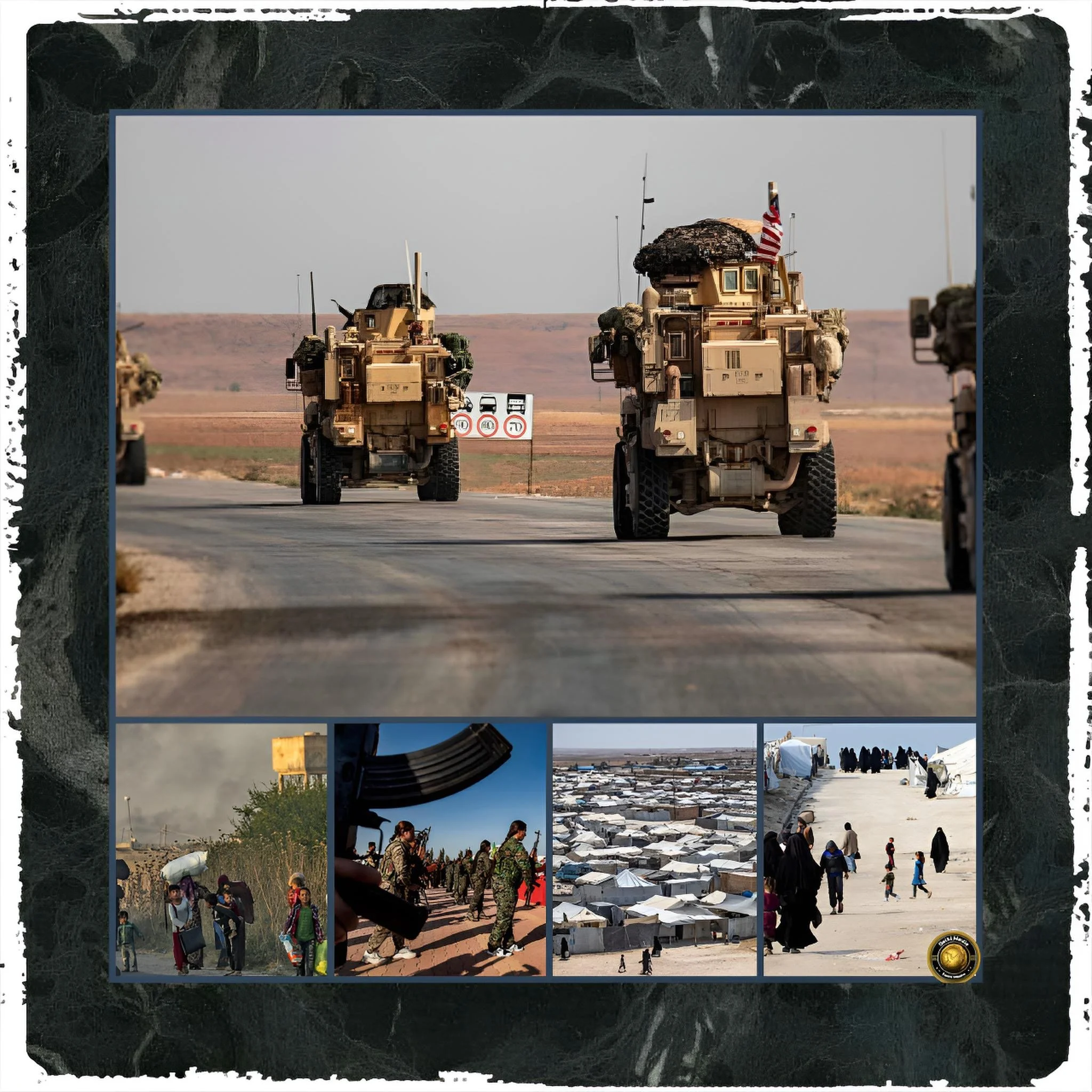
The third critical factor concerns the detention and management of known ISIS members and affiliates. United States intelligence estimates suggest that several thousand battle-hardened ISIS fighters remain incarcerated in Syrian detention facilities, including the al-Hol and Roj camps managed by the Syrian Democratic Forces with American support.
The security of these facilities, the vetting procedures preventing radicalization within detention, and the prevention of coordinated prison breaks or mass escape events constitute critical vulnerabilities within the counterterrorism architecture.
The Palmyra attack demonstrates ISIS’s capacity to maintain an organizational structure capable of conducting coordinated attacks despite the incarceration of thousands of its members.
This suggests that either current detention management practices inadequately prevent internal communication networks, or that ISIS maintains a sufficient quantity of operatives outside detention to conduct autonomous attacks without direction from incarcerated leadership.
Future Strategic Trajectory and Escalation Dynamics
The trajectory of American military involvement in Syria appears likely to remain elevated in the near term, with Pentagon officials indicating that operations will continue for weeks, or potentially a whole month, following the initial Hawkeye Strike campaign.
The Trump administration’s decision to employ robust military force in response to the Palmyra attack signals an operational preference for kinetic counterterrorism activities as opposed to the strategic patience or measured restraint characteristic of some prior administrations.
This orientation carries substantial implications for the duration and intensity of American military presence in Syria.
The cooperation between the Trump administration and the al-Sharaa government appears likely to deepen in counterterrorism domains whilst remaining constrained in other policy areas.
American officials have signaled interest in supporting the reconstruction of Syria’s security sector, including by providing training, intelligence, equipment, and operational coordination.
However, the Palmyra incident demonstrates the risks attending this cooperation, namely that American personnel will remain exposed to insider threats originating from within Syrian security forces.
This asymmetry of risk—wherein American forces assume casualties whilst Syrian forces presumably suffer lower casualty rates—may create tensions within the bilateral relationship if American casualties continue to accumulate absent corresponding gains in counterterrorism objectives.
The broader regional context continues to evolve, with Israeli military pressure upon Syria creating additional complications for American policy.
Israeli strikes upon Syrian territory have continued at elevated frequency since the Assad regime’s collapse, complicating al-Sharaa’s efforts to consolidate governmental authority and establish a monopoly over legitimate force.
These Israeli operations potentially generate opportunities for ISIS recruitment, as Syrian nationalist sentiment fueled by perceived violations of sovereignty could redirect toward extremist organizations promising more forceful resistance to external powers.
Trump’s Syria Gamble: Troop Cuts, ISIS Bombs, and a Fragile New Ally
President Trump’s push to slash U.S. troops in Syria from over 2,000 to around 900 has sparked fears of a dangerous misstep, especially after ISIS killed three Americans in a recent ambush.
Critics argue this reduction weakens oversight of vast ISIS detention camps like al-Hol and Roj, home to over 43,000 displaced people linked to the group—including about 9,000 hardcore fighters—while the U.S. pivots to back Syria’s new leader, Ahmed al-Sharaa.
Not fully supporting the battle-tested Syrian Democratic Forces (SDF), who guard these sites, leaves a security vacuum that ISIS could exploit with jailbreaks or radicalization.
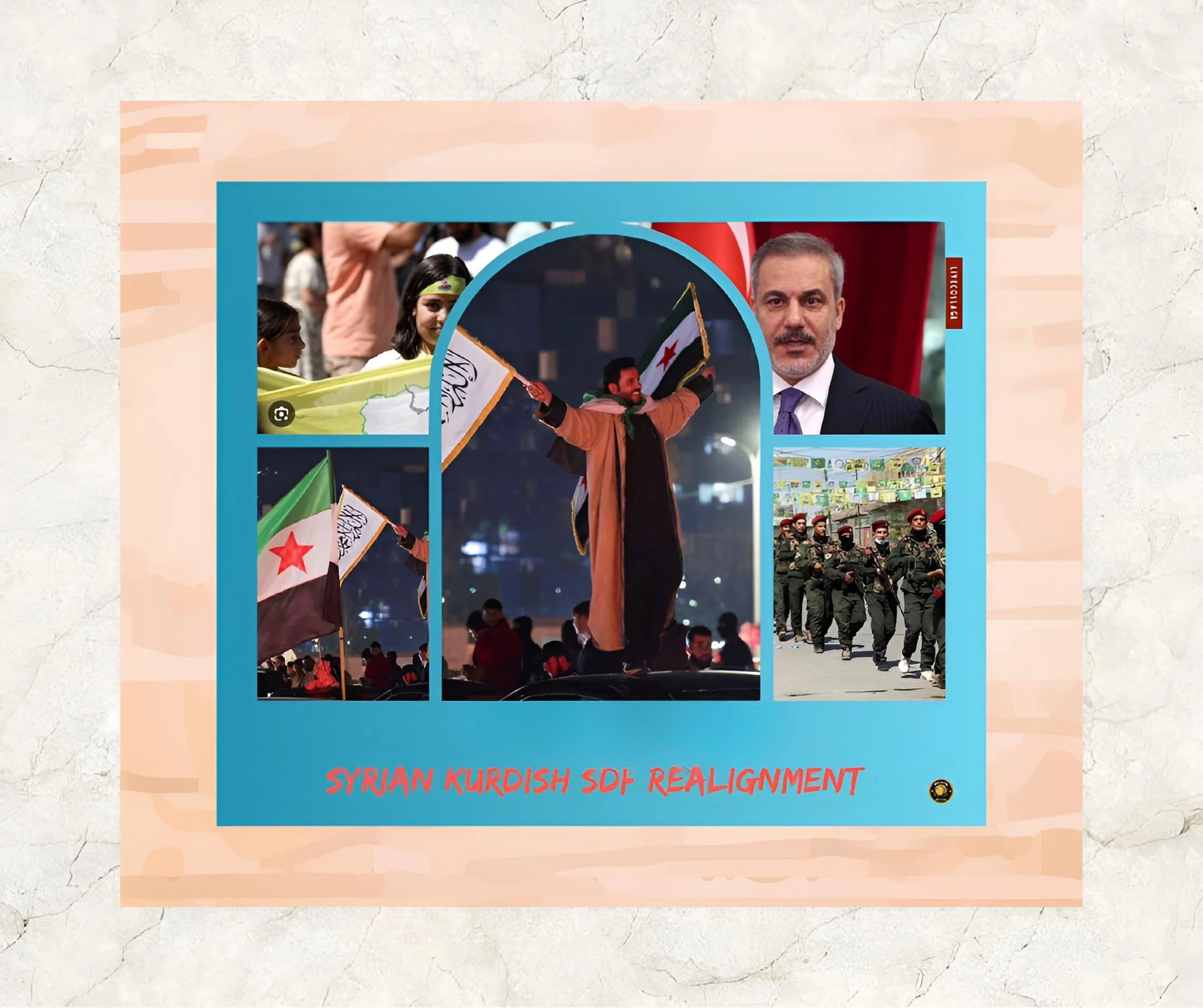
The SDF, America’s longtime Kurdish partners, still handles most prison security in northeast Syria despite Trump’s troop drawdown and talks to integrate them into al-Sharaa’s government.
Recent deals have shifted some camp control to Damascus, but the SDF remains the frontline guard amid threats from Turkey-backed groups and ISIS attacks.
With over 10,000 militants locked up without trials, any lapse could unleash a wave of fighters. U.S. strikes like Hawkeye hit ISIS hard, but experts warn prisons are “ticking time bombs” without steady American backing.
Trump’s plan bets big on al-Sharaa: deeper counterterrorism ties, sanctions relief, and training for Syrian forces to fight ISIS together.
High-level talks stress sharing intel and crushing ISIS to prevent attacks on U.S. soil, while slowly folding SDF units into a national army.
Yet rushed integration risks insider threats, as seen in the Palmyra attack by a Syrian guard with extremist ties—success hinges on fixing Syria’s weak vetting before more Americans pay the price.
Conclusion
Operation Hawkeye Strike represents a substantial American military response to the Palmyra attack and a clear signal of the Trump administration’s commitment to combating ISIS through kinetic means.
The operation’s scale—encompassing more than seventy targets and over one hundred precision munitions—demonstrates the availability of American military resources and the political will to deploy them in response to attacks upon American personnel.
The operation underscores the enduring threat posed by ISIS within Syria, an organization that, despite more than a decade of intensive counterterrorism operations, continues to maintain thousands of operatives and sustains the capacity to conduct organized attacks upon American and allied forces.
However, the incident precipitating Operation Hawkeye Strike simultaneously illuminates the profound institutional vulnerabilities attending the new Syrian government and the American commitment to supporting its counterterrorism efforts.
The identification of an ISIS-affiliated individual within Syrian security forces, coupled with the failure to remove him from operational access before he conducted an attack, reflects the nascent and incomplete nature of Syria’s security sector reconstruction.
These institutional deficiencies raise fundamental questions about the sustainability of the American-Syrian counterterrorism partnership and the extent to which delegating counterterrorism responsibilities to Syrian institutions will achieve enduring strategic objectives.
The path forward requires attention to multiple dimensions simultaneously.
Military operations must continue to impose costs upon ISIS’s organizational capacity, degrading its infrastructure and eliminating its operational cadres.
Simultaneously, substantial resources must be directed toward the institutional reconstruction of Syrian security institutions, including enhanced vetting procedures, internal security mechanisms, intelligence-sharing protocols, and professional development programs designed to strengthen the technical capacity of Syrian security personnel.
The Trump administration’s policy orientation toward Syria reflects a pragmatic acceptance that regional stability and the prevention of an ISIS resurgence depend on Syrian governmental capacity and that American resources must be invested in supporting that capacity development.
The Palmyra incident and Operation Hawkeye Strike demonstrate both the necessity and the difficulty of this endeavor.
But what's next? How would you stop over 10,000 ISIS fighters locked up?