Syria’s Islamic State Resurgence: Challenges for a New Regime in Damascus
Introduction
The fall of Bashar al-Assad’s regime in December 2024 marked a pivotal shift in Syria’s decade-long civil war. Still, the transition to a government led by Hayat Tahrir al-Sham (HTS) has been met with an alarming resurgence of the Islamic State (ISIS).
Despite its territorial defeat in 2019, ISIS has capitalized on Syria’s political instability, leveraging sleeper cells, prison breaks, and a security vacuum left by shifting international priorities to reignite its insurgency.
With an estimated 2,500 active fighters in Syria and Iraq, ISIS has intensified attacks against the new Damascus government, targeting military convoys, infrastructure, and civilian populations.
FAF, Gulf.Inc analyzes the ISIS resurgence poses a critical test for the HTS-led administration, which must balance counterterrorism efforts with consolidating authority over a fractured nation—all while navigating reduced U.S. military support and escalating regional tensions.
The New Syrian Regime: Fragile Foundations and ISIS Exploitation
Political Transition and Security Gaps
The HTS-led government, formed after Assad’s ouster, faces inherent legitimacy challenges due to its origins as a Sunni Islamist rebel coalition with former ties to al-Qaeda.
While HTS has sought to rebrand itself as a governing authority, its designation as a terrorist organization by the UN and Western nations complicates international engagement.
This isolation has hindered access to reconstruction aid, exacerbating economic despair—a fertile ground for ISIS recruitment.
The regime’s control remains tenuous, particularly in eastern Syria’s resource-rich Deir ez-Zor Province and the central Badia desert, where ISIS cells operate with impunity.
Despite brokering a fragile ceasefire with the U.S.-backed Syrian Democratic Forces (SDF) in March 2025, HTS struggles to integrate rival militias into a unified national army, leaving security gaps that ISIS exploits.
ISIS’s Strategic Pivot to Governance Targets
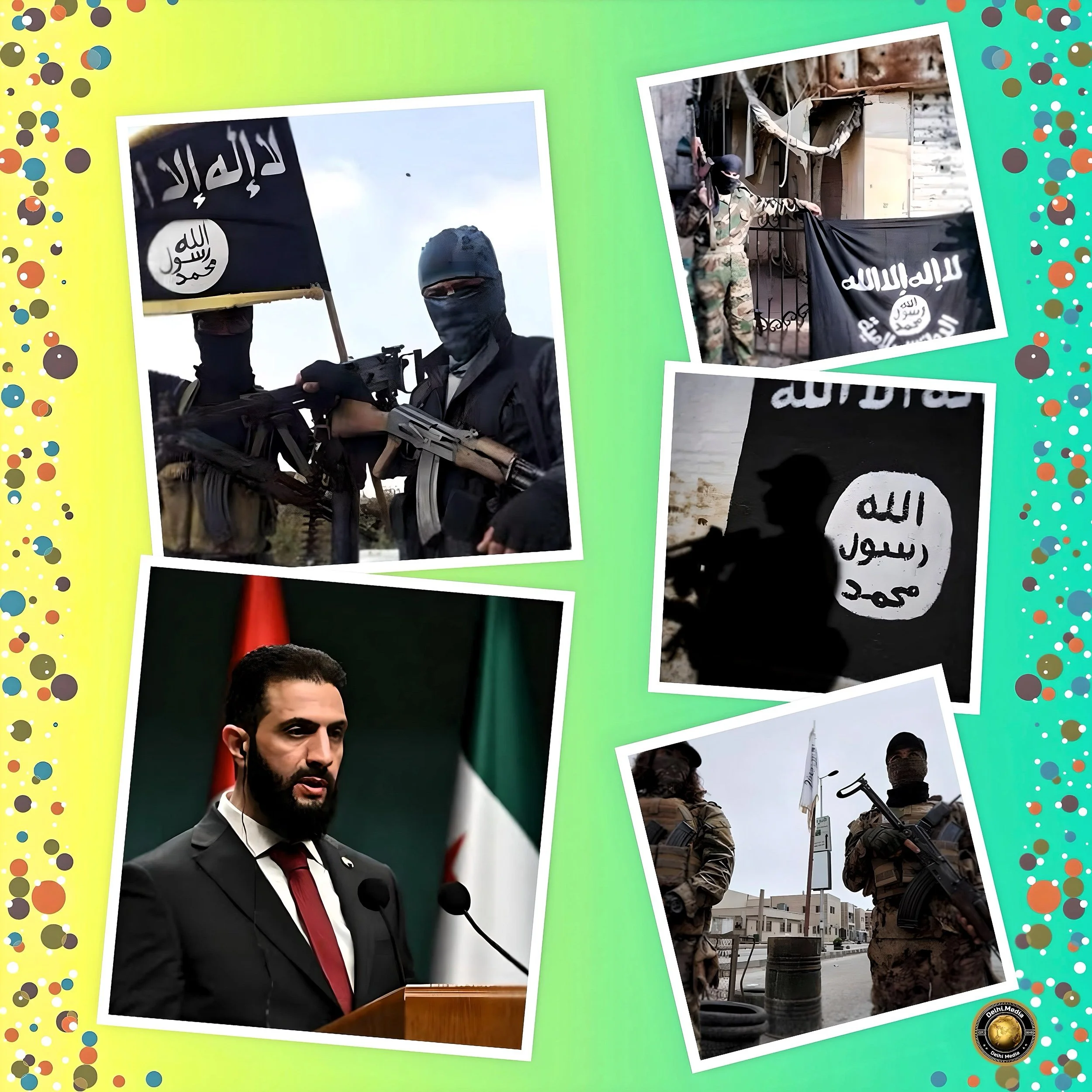
ISIS’s May 2025 bombings in Sweida Province—its first direct attacks on the new government—marked a tactical shift.
By targeting Syrian Army convoys and checkpoints, ISIS aims to undermine HTS’s authority and portray it as incapable of ensuring stability.
This strategy mirrors ISIS’s 2012–2014 playbook, where it exploited governance vacuums to establish its caliphate.
The group has also intensified attacks in Kurdish-held northeast Syria, conducting 66 operations in early 2025 alone.
These include IED strikes on SDF patrols and assaults on oil infrastructure, crippling revenue streams critical for Damascus.
The dual-front insurgency stretches the HTS government’s limited resources, forcing it to prioritize securing the capital and maintaining peripheral control.
ISIS’s Evolution: From Territorial Rule to Hybrid Insurgency
Financial and Military Adaptation
Despite losing territorial control, ISIS retains significant financial reserves, including $100–$300 million in hidden assets.
These funds fuel a decentralized command structure, enabling provincial cells to operate autonomously while coordinating broader campaigns.
The group has also acquired advanced weaponry, including anti-tank missiles and drones, from looted regime stockpiles.
In the Badia desert, ISIS uses rugged terrain to maintain training camps and logistical hubs, launching hit-and-run attacks along the Damascus-Deir ez-Zor highway.
Its May 2025 capture of regime arms depots in eastern Homs—reported by local monitors—has further bolstered its capacity for sustained operations.
The Prison Dilemma: A “Ticking Time Bomb”
Syria’s detention facilities, housing 10,000 ISIS fighters and 60,000 family members, represent a critical vulnerability.
The SDF-managed al-Hol and Roj camps have become radicalization epicenters, with ISIS loyalists enforcing strict governance and recruiting children through its “Cubs of the Caliphate” program.
The U.S. drawdown from eight bases to one has weakened oversight, raising fears of mass prison breaks.
ISIS’s January 2022 al-Sina’a prison attack, which freed 800 militants, serves as a precedent. With U.S. troop levels falling from 2,000 to 700, Kurdish forces report two attempted ISIS jailbreaks in 2025 alone.
A successful breach could flood the conflict with battle-hardened veterans, accelerating ISIS’s resurgence.
International Counterterrorism Efforts: Diverging Priorities
U.S. Withdrawal and Strategic Vacuum
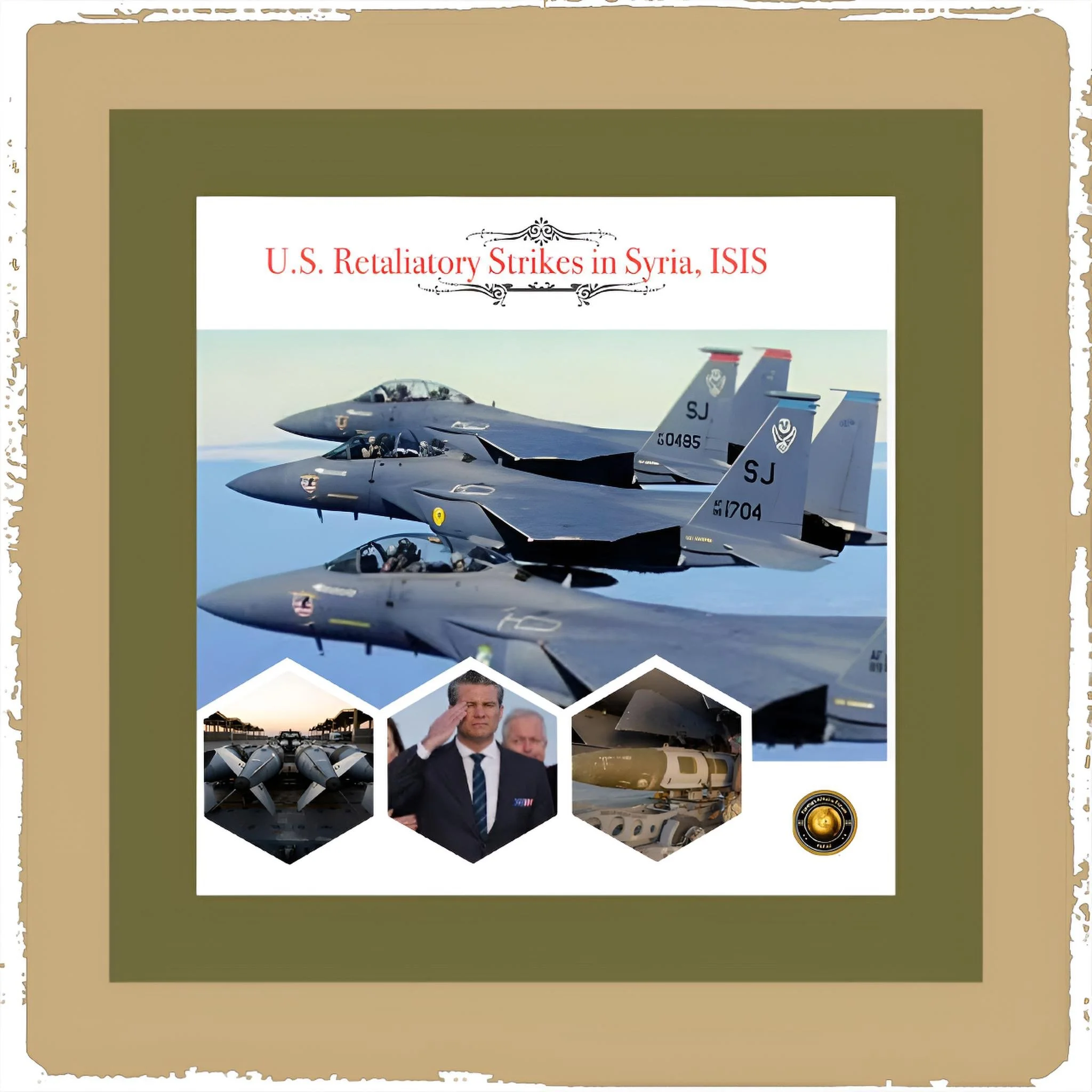
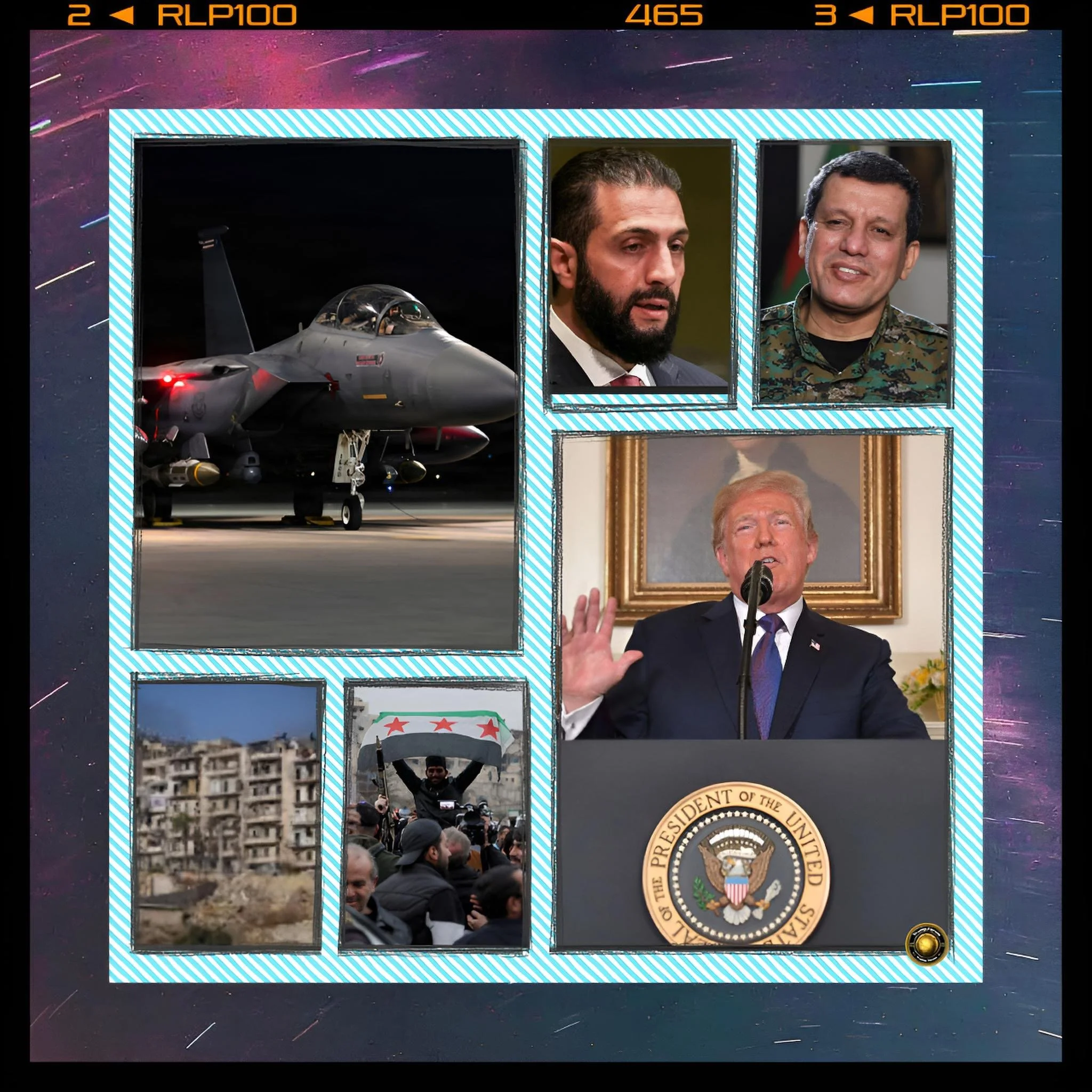
The Trump administration’s decision to reduce U.S. bases in Syria from eight to one reflects a broader disengagement.
While Special Envoy Thomas Barrack emphasizes “enabling” Damascus, the military drawdown has correlated with a 170% spike in ISIS attacks since April 2025. CENTCOM’s May 2025 operations with Iraqi and SDF partners—resulting in two ISIS kills and one capture—highlight localized successes but fail to address systemic risks.
Critics argue that the U.S. retreat cedes influence to Russia and Iran, both of which prioritize propping up Assad loyalists over countering ISIS.
Russia’s Wagner Group, for instance, has redirected resources to secure oil fields rather than disrupt ISIS safe havens.
Regional Dynamics and the Kurdish Factor
Turkey’s ambivalence toward the SDF—which it views as a PKK affiliate—has further complicated counter-ISIS coordination.
Despite the PKK’s 2025 dissolution, Ankara pressures Damascus to sideline Kurdish forces, undermining the SDF’s counterterrorism role.
This tension was evident in May 2025, when Turkish-backed factions clashed with SDF units in Manbij, diverting attention from ISIS containment.
Meanwhile, Gulf states’ calls for U.S.-Iran nuclear de-escalation reflect fears that regional conflict could empower ISIS. Saudi Arabia and the UAE have privately urged Washington to stabilize Syria, recognizing that ISIS resurgence threatens their energy infrastructure.
Recent Escalations: ISIS’s 2025 Campaign
Tactical Innovations and Territorial Ambitions
ISIS’s 2025 attacks showcase evolving tactics, including drone strikes on Syrian Army bases and coordinated multi-city bombings.
The group has also reintroduced suicide attacks in urban centers, with a May 2025 car bombing in Mayadin killing five soldiers. These operations aim to erode public confidence in the HTS government while showcasing ISIS’s reach.
In the cyber realm, ISIS has amplified propaganda through encrypted platforms, recruiting disillusioned HTS defectors and touting its Sweida victories as evidence of the “apostate regime’s” weakness.
This narrative resonates in Sunni-majority areas marginalized under Assad and neglected by the current administration.
The Ramadan Surge and Future Projections
Historically, ISIS escalates attacks during Ramadan, leveraging the holy month for symbolic victories.
The 2025 Ramadan campaign saw a 40% increase in operations compared to 2024, with 14 attacks in April alone.
Targets expanded beyond military sites to include schools and hospitals, exacerbating humanitarian crises and displacing 30,000 civilians in Deir ez-Zor.
Looking ahead, ISIS aims to exploit the U.S. withdrawal’s completion by September 2025, potentially seizing oil installations in eastern Syria to fund its resurgence.
The group’s 2023–2024 “Breaking the Walls 2.0” campaign—modeled on its 2012 prison break strategy—suggests a deliberate, multi-year plan to rebuild operational capacity.
Conclusion
A Precarious Crossroads
The HTS government’s ability to counter ISIS hinges on addressing systemic vulnerabilities: integrating militias, securing prisons, and garnering international support.
While U.S. intelligence sharing has thwarted eight ISIS plots in Damascus since December 2024, long-term stability requires dismantling the group’s rural sanctuaries and financial networks.
The lesson for the international community is clear: counterterrorism cannot be outsourced.
A cohesive strategy must pair military pressure with governance support, ensuring Damascus can deliver services and justice to ISIS-prone regions. Failure risks not only Syria’s collapse but a renewed global threat from an emboldened caliphate-in-waiting.