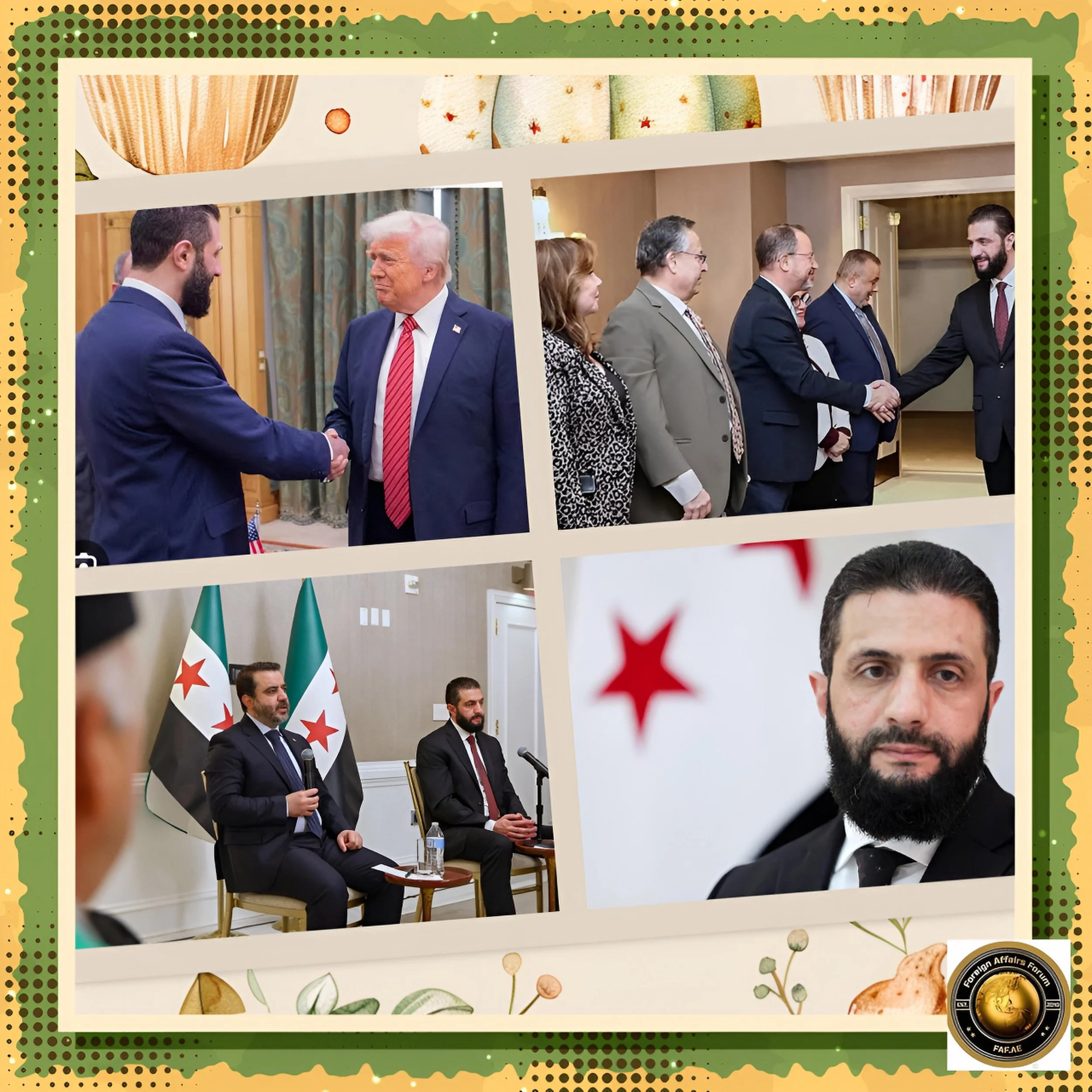
Ahmed Al Sharaa’s Historic U.S. Visit: Key Discussions, Achievements, and Strategic Implications
Introduction
The meeting between Syrian President Ahmed Al Sharaa and President Donald Trump at the White House on November 10, 2025, marks a historic milestone—the first visit by a Syrian head of state to the White House since Syria’s independence in 1946.
This encounter represents a dramatic reversal in U.S.-Syria relations, as Al Sharaa was classified as an international terrorist by the U.S. government just days prior, with a $10 million bounty on his head.
Key Topics Discussed
Counter-Terrorism and ISIS
A central focus of the discussions was counter-terrorism cooperation, particularly regarding the Islamic State (ISIS).
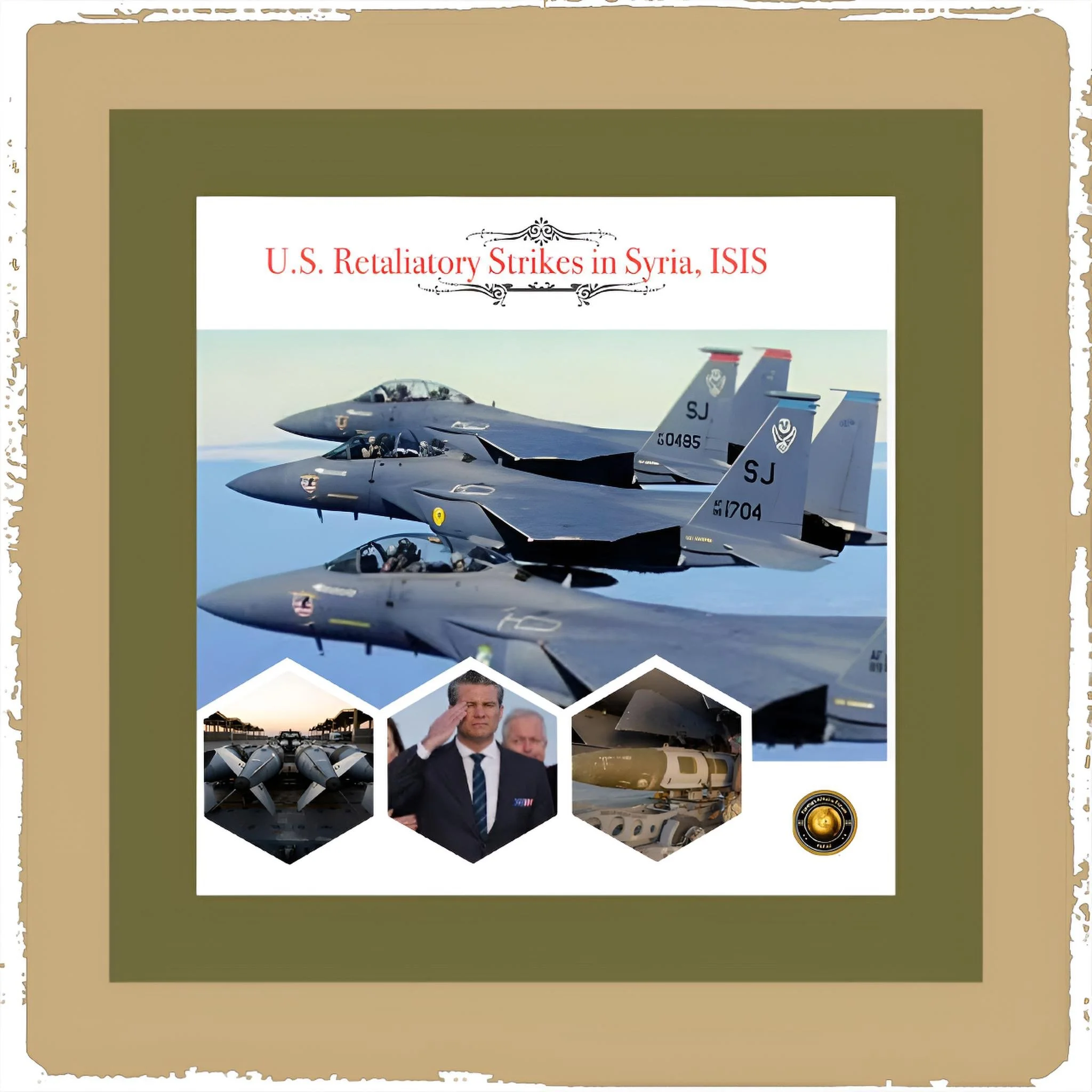
Al Sharaa is expected to commit Syria to joining the U.S.-led coalition against ISIS, with plans to sign an agreement alongside 88 other nations.
The U.S. military has underscored the persistent threat posed by the detained ISIS population in Syria, emphasizing the need for sustained coordination between Washington and Damascus.
Israel-Syria Security Negotiations
The removal of U.S. sanctions on Syria is anticipated to reduce the frequency and intensity of Israeli airstrikes and ground incursions, which have been justified by Israel as necessary for national security.
Israel has conducted over 1,000 airstrikes and more than 400 ground incursions since the fall of the Assad regime in 2024, targeting government buildings, military sites, and border regions.
Syria has formally demanded Israel’s withdrawal from occupied territories, including the Golan Heights, at the United Nations, but Israel has refused, maintaining its military presence as essential for security.
The U.S. is expected to play a pivotal role in monitoring and supporting a proposed Syria-Israel security agreement, including the establishment of a U.S. military presence at an airbase near Damascus.
This presence will facilitate logistics, surveillance, and coordination, bolstering confidence in the agreement’s implementation and helping to prevent further escalations.
Economic Reconstruction and Sanctions Relief
Al Sharaa’s visit included meetings with International Monetary Fund Director Kristalina Georgieva, reflecting the IMF’s renewed engagement with Syria following the Assad regime’s collapse.
His primary objective is the complete removal of remaining sanctions, particularly the Caesar Act, which has been a major impediment to Syria’s economic recovery.
Achievements in U.S.-Syria Relations
De-Listing and Sanctions Removal
On November 5, 2025, the U.S. removed Al Sharaa’s designation as a Specially Designated Global Terrorist, and his interior minister Anas Khattab was similarly de-listed.
This followed a UN Security Council vote to lift certain sanctions, with 14 members voting in favor and China abstaining. The U.K. and European Union subsequently aligned with the UN decision.
In June 2025, President Trump signed an executive order terminating the Syria sanctions program, maintaining targeted sanctions only on Bashar al-Assad, human rights abusers, drug traffickers, persons linked to chemical weapons activities, ISIS affiliates, and Iranian proxies.
The order also directed the Secretary of State to evaluate suspending sanctions under the Caesar Act and to review HTS’s designation as a Foreign Terrorist Organization.
Economic Impact of Sanctions Removal
Syria faces one of the most severe economic crises in the region, with sanctions removal offering both immediate relief and long-term reconstruction possibilities.
Official Syrian data shows the economy more than halved in size between 2010 and 2022, with the World Bank estimating Syria’s economy at approximately $21 billion—comparable to Albania and Armenia despite Syria’s 23 million population.
Approximately 90% of Syrians live below the poverty line, and the Syrian pound has drastically depreciated on the black market.
Removing sanctions would restore Syria’s access to international financial systems, enabling foreign investment and international aid flows.
The IMF’s return to engagement with Syria signals renewed possibility for technical assistance and potential IMF programs.
Foreign direct investment, particularly from Gulf states Saudi Arabia and the United Arab Emirates, had been inhibited by sanctions designed specifically to deter their participation.
The removal of these barriers could catalyze regional capital flows critical to infrastructure reconstruction.
Energy and Food Security
Syria remains dependent on energy imports, having lost significant oil and tourism revenues during the conflict.
Iran’s fuel shipments, which provided $1-2 million barrels daily until late December 2024, ceased during the government transition, creating immediate energy challenges.
Sanctions removal would facilitate diversification of energy suppliers and normalize trade relationships for essential food imports, as Ukraine has expressed willingness to provide wheat once Syria develops financing mechanisms.
Trump's comments and actions
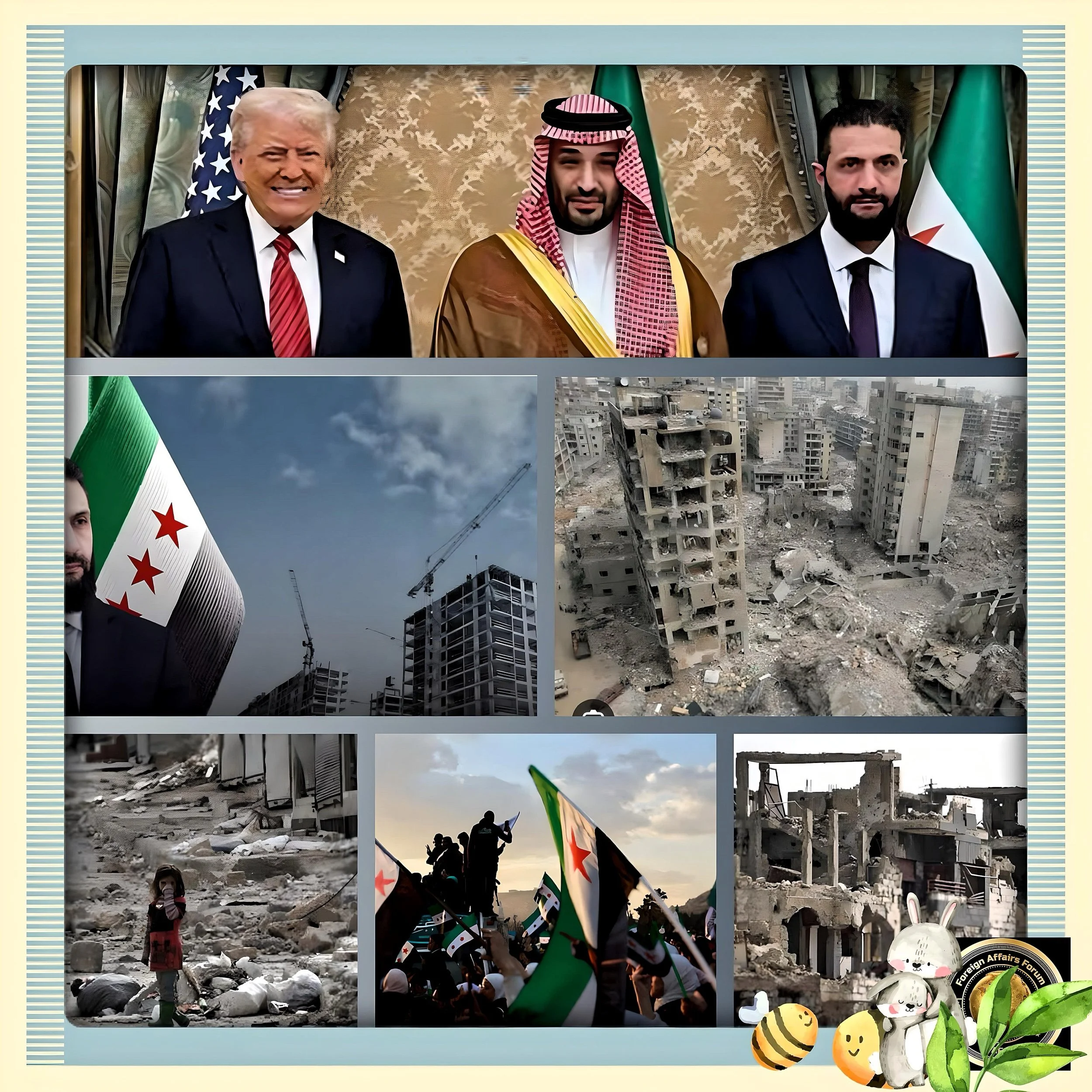
President Donald Trump hosted Syrian interim President Ahmed al-Sharaa at the White House on November 10, 2025, in a historic first meeting between a Syrian president and a U.S. president.
During and after the meeting, Trump made several notable comments and took significant actions.
Trump’s Comments
Trump described al-Sharaa as a “strong leader” and “tough guy,” expressing confidence in his ability to lead Syria successfully.
He stated, “We’ll do everything we can to make Syria successful,” emphasizing U.S. support for Syria’s reconstruction and development.
Trump also highlighted al-Sharaa’s transformation from a former rebel leader once designated as a terrorist, saying, “People can and do change,” and praised the new era in Syria.
He remarked that Syria is no longer a security threat but an ally, inviting investment, especially in gas extraction.
Actions Taken
The U.S. suspended enforcement of the Caesar Act and other major sanctions on Syria for 180 days, allowing increased economic engagement while maintaining restrictions on transactions with Russia and Iran.
Syria formally joined the U.S.-led coalition against the Islamic State group, becoming its 90th member, collaborating on counterterrorism and security.[bbc +3]
The U.S. agreed to let Syria reopen its embassy in Washington, facilitating better coordination on counterterrorism and economic issues.
The Trump administration released guidance for U.S. businesses to confidently engage in Syria, signaling a shift toward economic normalization.
Trump directed departments to prepare for potential future steps, including support for Syria’s reconstruction and possible further easing of sanctions, pending congressional action.
Meeting Context
The meeting was closed to the press, with al-Sharaa entering through a less ceremonial entrance, underscoring the diplomatic sensitivity.
The visit was marked by cordiality and a mutual focus on counterterrorism, regional stability, and economic cooperation.
Trump’s move comes amid ongoing debate in Congress and concerns from some lawmakers about the risks of lifting sanctions prematurely, but the administration defended the strategic shift.
Trump’s meeting with al-Sharaa represented a dramatic shift in U.S.-Syria relations, accompanied by strong praise, limited but significant sanctions relief, and a new partnership in counterterrorism and economic development.
Current Situation in ISIS Detention Centers
The detention and displacement camp situation represents one of Syria’s most urgent security and humanitarian challenges.
Approximately 8,400 to 10,000 ISIS-affiliated detainees from over 70 countries of origin are currently held in SDF-run detention facilities across northeastern Syria.
These include approximately 5,000 Syrian fighters, 3,000 Iraqi fighters, and 2,000 foreign fighters.
These detainees are held in 28 facilities, with Al Sina Prison on the outskirts of Hasakah being the largest.
Additionally, approximately 35,000 to 40,000 individuals—predominantly women and children—reside in the Al Hol and Roj displaced persons camps, with nearly half being children under age 12.
About 6,000 individuals from 51 different nations reside in “The Annex” section housing foreign ISIS fighters’ spouses and children, which the SDF characterizes as containing the most radical residents due to their exposure to ISIS ideology.
The camps suffer from severe overcrowding, inadequate sanitation, and limited resources.
In March 2025, the Kurdish-led Syrian Democratic Forces agreed to merge with Syria’s new government, including the transfer of all civil and military institutions, including the administration of detention facilities and camps, to the Syrian government by the end of 2025.
The Syrian defense ministry announced in March 2025 that the SDF is handing over administration of the Al Hol camp to the Syrian government.
Management Uncertainties
A critical concern centers on whether the new Syrian government, which itself faces institutional challenges and struggles with sectarian tensions (particularly with the country’s Alawite population), possesses the capacity and resources to manage such large detention populations responsibly.
The SDF has fiercely guarded its autonomy, and concerns persist about whether the integration will result in adequately resourced, transparent detention practices or whether it might expose these populations to politicization given the transitional government’s limited track record.
The International Committee of the Red Cross and various humanitarian organizations have expressed concern that the transition could either improve conditions through enhanced government legitimacy and resources, or deteriorate them if the government lacks institutional capacity or uses detention as a political tool.
Additionally, international law contains a significant gap: nations are not legally required to repatriate detained fighters held in non-international armed conflicts abroad, leaving most foreign fighters in indefinite detention.
Geopolitical Implications of Sanctions Removal and Regional Dynamics
The removal or easing of sanctions on Syria represents a watershed moment for Middle Eastern geopolitics, with profound implications for regional power competition.
Diminishment of Iranian Influence
Syria’s strategic importance to Iran cannot be overstated. Under Assad, Syria served as Iran’s primary land route to the Mediterranean and as a crucial node in Iran’s regional proxy network and Shia crescent influence.
The loss of Syria as a close partner, combined with the new Syrian government’s evident preference for partnership with the U.S., Saudi Arabia, Turkey, and Qatar rather than Iran, fundamentally undermines Tehran’s regional projection of power.
Additionally, sanctions removal and new Syrian government relationships with the West undermine Iran’s vision of positioning Syria as part of China’s “Belt and Road Initiative” and as a Mediterranean access point.
Turkish Ascendancy and Concerns
Turkey emerges as a significant regional beneficiary of Assad’s fall.
Turkish influence over northern Syria through the Syrian National Army, Turkish military presence in occupied territories, and Turkey’s close relationship with al-Sharaa position Ankara as a major power in Syria’s transition.
However, this ascendancy has recalibrated Turkish-Russian relations to Moscow’s disadvantage, as Russia’s leverage in Syria has diminished significantly.
Israeli Strategic Gains
Israel has improved its strategic position through Assad’s removal and the weakening of Iran’s regional influence.
The potential security agreement between Syria and Israel, while complex and contested, represents unprecedented diplomatic engagement.
Israel’s seizure of the Syrian-controlled Golan Heights and its ability to conduct airstrikes on Syrian military targets without significant international pushback reflects this new strategic asymmetry.
However, al-Sharaa’s insistence that Syria maintain sovereignty and his skepticism about Israeli intentions—particularly regarding potential “expansionist designs”—temper this advantage.
Saudi Arabia’s Regional Role
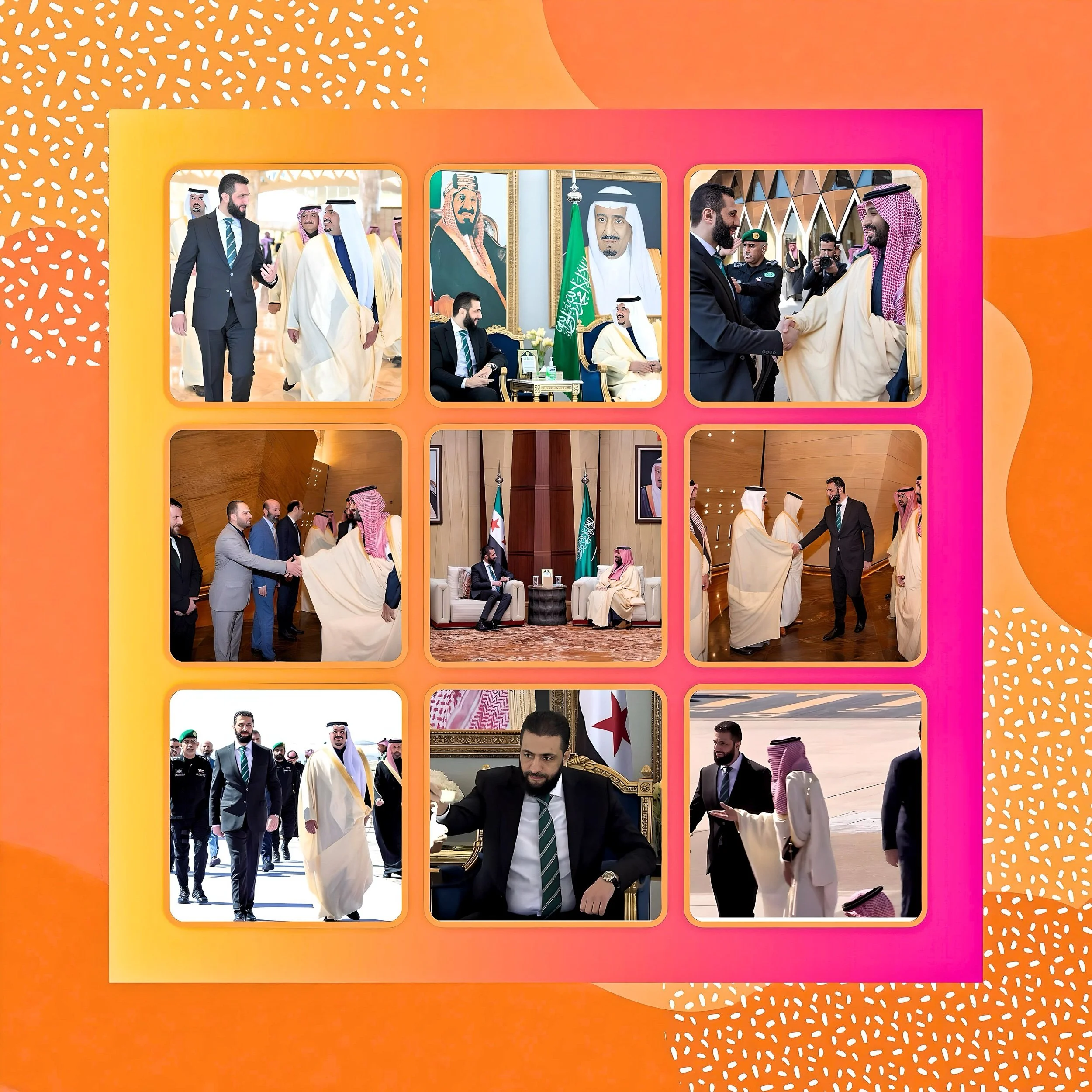
Gulf states, particularly Saudi Arabia and the UAE, are positioned as crucial players in Syria’s reconstruction and economic future.
The removal of sanctions that specifically inhibited Gulf investment creates opportunities for Saudi and Emirati capital flows into Syria.
This represents a significant shift from the Assad era, when Iran’s economic engagement was far more extensive than Gulf states’ involvement.
Saudi Arabia’s role in facilitating al-Sharaa’s rise and its substantial economic resources position it as potentially the most influential external actor in Syria’s reconstruction.
Russian Strategic Losses
Russia’s military presence in Syria, including critical naval and air bases (particularly Tartus and Latakia), faces significant uncertainty.
The new Syrian government has shown ambivalence toward Russia’s continued presence, with some reports indicating Syrian officials are exploring strategic ties with Ukraine—a direct reversal of Assad’s Russia-aligned policy.
Russia’s loss of these bases would severely impact its ability to project power in the Mediterranean and Africa, representing a major geopolitical setback.
Broader Regional Recalibration
Assad’s fall has fundamentally altered the regional balance of power. For the first time in 60 years, Syria will be ruled by a Sunni-led government rather than the Alawite Assad family, signaling a broader Sunni ascendancy in the region and diminishing Shia-led Iranian influence.
This recalibration has profound implications for neighboring states, particularly Iraq, Jordan, and Lebanon.
The situation in Lebanon, already destabilized by its own economic crisis and Hezbollah’s weakening position, faces further complications from Iran’s reduced regional leverage.
The question of whether Arab states can articulate a coherent vision for Syria—rather than allowing external powers to shape its trajectory—remains unresolved.
The interplay between great power competition (U.S., Russia, China interests), regional powers (Turkey, Saudi Arabia, Iran, Israel), and Kurdish autonomy aspirations will continue shaping Syria’s political and economic development.
Conclusion
The meeting between Ahmed Al Sharaa and President Trump marks a pivotal turning point in Syria’s trajectory, signaling a dramatic shift in U.S. and international policy toward the country.
The key topics discussed—security cooperation against ISIS, progress on a potential Israel-Syria security agreement, and economic reconstruction—are all central to Syria’s immediate and long-term stability.
The lifting of sanctions, especially the removal of the Caesar Act and the de-listing of key Syrian officials, paves the way for a massive reconstruction effort and could enable Syria to escape the crippling economic crisis that has left most of its population in poverty.
However, significant challenges remain.
The integration of detention facilities and displaced persons camps, particularly those housing ISIS fighters and their families, is a complex and risky endeavor that tests the new government’s capacity and commitment to rule of law and humanitarian standards.
The transfer of these responsibilities from the SDF to the Syrian government raises questions about transparency, human rights, and the potential for politicization of justice and security processes.
Geopolitically, sanctions removal significantly reduces Iranian influence in Syria, while empowering regional powers such as Turkey, Saudi Arabia, and Israel, and weakening Russia’s strategic position in the region.
This shift could contribute to a more balanced regional order, but it also raises the risk of new competitions and rivalries, especially if the Syrian government cannot maintain internal stability or if external actors attempt to exploit the transition.
Al Sharaa’s visit symbolizes a historic opportunity for Syria to rebuild and reintegrate into the international community, but also heralds a complex post-conflict era rife with security, humanitarian, and geopolitical challenges.
The true success of these recent developments will depend on Syria’s ability to manage internal transitions, ensure transparent governance, and navigate the competing interests of regional and global powers.