Trump’s Rollercoaster Year: Redefining America and Changing the World
Introduction
The first year of Trump’s second term has indeed proven extraordinarily disruptive, reshaping both American governance and global geopolitics in ways that both validate earlier predictions and surprise even seasoned observers.
This period has been marked by significant policy shifts, unprecedented military actions, and constitutional questions that could have long-term implications for U.S. democracy.
While much of this disruption was foreseeable based on Trump’s stated intentions and political constraints entering office, several developments have exceeded expectations in scope, speed, and constitutional implications, signaling a potentially transformative phase in American political history.
Predictable Disruptions: Institutional Transformation and Unilateralism
Trump’s personnel selections have followed precisely the pattern anticipated. His cabinet is dominated by what political analysts call “chaos agents”—individuals chosen explicitly for personal loyalty and their capacity to energize his political base rather than their governing experience or institutional expertise.
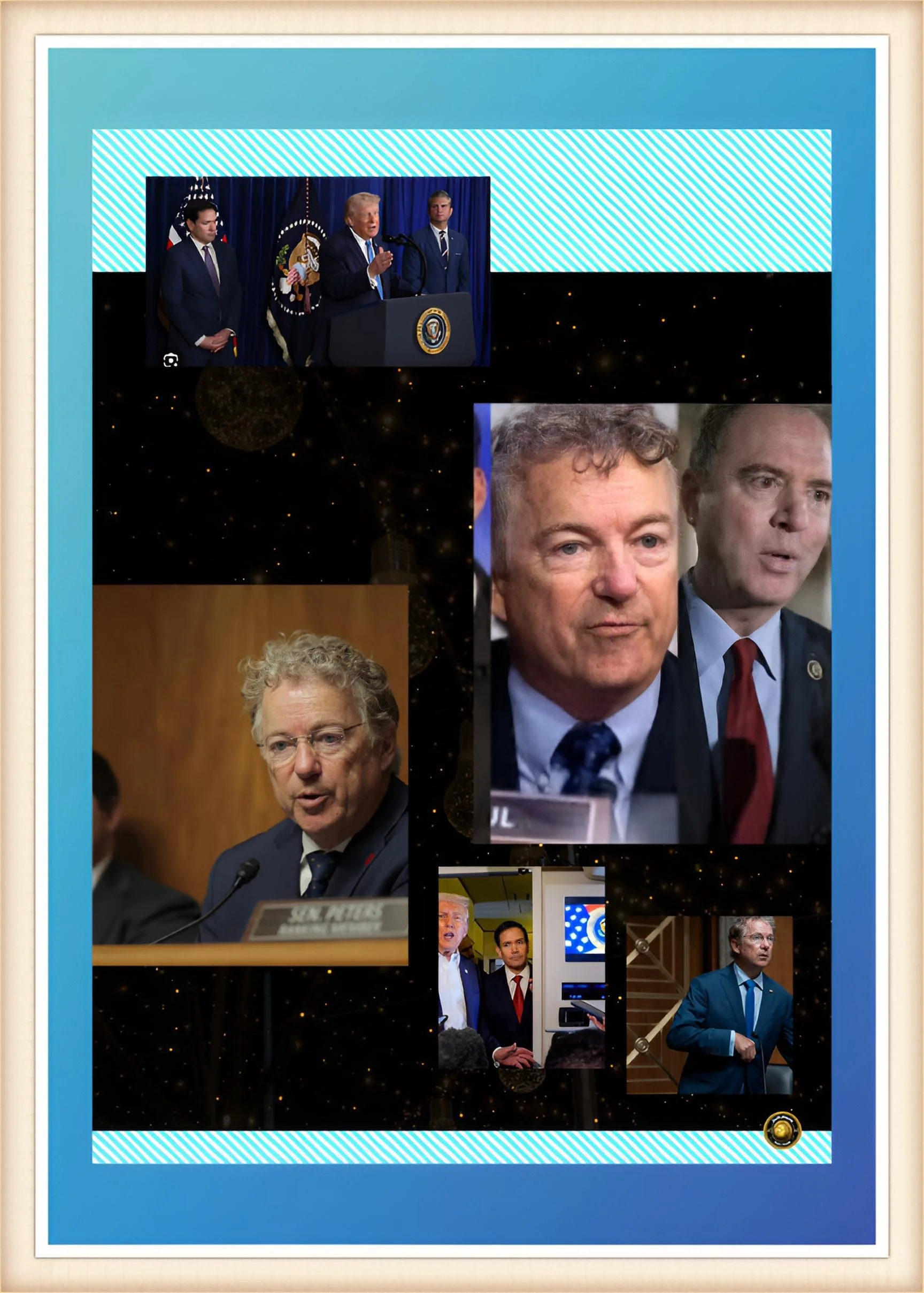
Among these appointments are individuals like Senator Marco Rubio as Secretary of State, known for his hawkish foreign policy views, and Scott Bessent as Treasury Secretary, with close ties to financial industry insiders.
While a few selections like Rubio and Bessent represent more traditional appointments, the overall composition reflects Trump’s determination to surround himself with loyalists, a priority that stems from his conviction that his first-term advisers constituted a “deep state” conspiracy against his authority.
The administration’s pivot toward maximalist unilateralism was also highly anticipated. Trump entered his second term with substantially fewer geopolitical constraints than during his first presidency.
In 2017, he inherited two active military conflicts in Afghanistan and against ISIS, and faced diplomatic constraints from the Iran nuclear agreement—a multilateral deal negotiated under the Obama administration that limited Iran’s nuclear program in exchange for the lifting of economic sanctions.
Today, these constraints have largely evaporated. This strategic freedom has enabled Trump to pursue his long-standing protectionist ambitions with unprecedented scale.
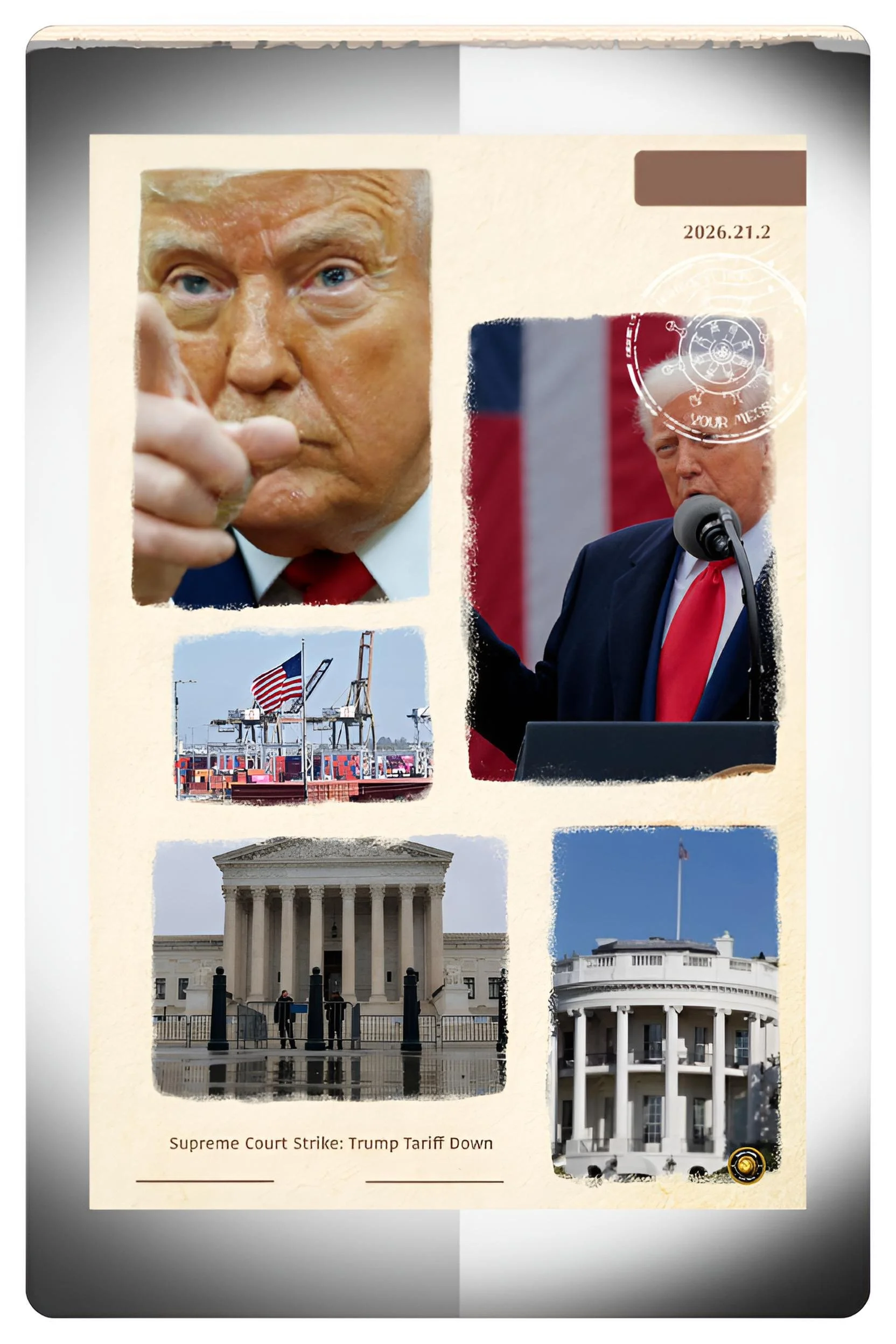
In April 2025, Trump announced sweeping tariffs ranging from 10 to 50 percent against major trading partners, dubbed “Liberation Day,” representing what observers characterized as approaching a “maximalist approach” to trade policy.
These tariffs were targeted at China, the European Union, Canada, Mexico, and other key allies, aiming to drastically reshape trade relations.
Unlike his first term, when tariffs were used primarily as leverage in negotiations, Trump has now signaled these duties are not designed for bargaining but rather represent permanent shifts in trade relationships, with some tariffs remaining in place indefinitely.
The deterioration of civil-military relations, while concerning, was also predicted as Trump entered office with deep suspicion of military leadership.
After his first term, when senior military officials increasingly questioned his decisions, Trump concluded the military constituted part of the deep state apparatus.
Accordingly, he summarily removed at least 15 senior military officers, many of whom were women or officers of color, without providing specific reasons—actions that raised alarm about politicization of the military.
This purge was anticipated as a likely consequence of Trump’s first-term grievances, reflecting his broader strategy to reshape the military’s role and loyalty.
The Three Major Surprises: Exceeding Expectations
Despite the predictability of these opening moves, three developments have progressed far more dramatically than most observers expected: the unprecedented deployment of military forces within U.S. borders, the strategic pivot toward the Western Hemisphere as the primary foreign policy theater, and the remarkable acquiescence of Congress in abandoning its constitutional authority.
Domestic Military Deployment
The most constitutionally alarming surprise has been Trump’s willingness to deploy federalized military forces on American soil for domestic purposes.
Beginning in June 2025, Trump federalized the California National Guard without a gubernatorial request and deployed U.S. Marines to Los Angeles to address what he framed as immigration-related unrest, citing rising violence and border security issues.
These deployments have continued and expanded, with Trump subsequently threatening or attempting to deploy National Guard troops to Chicago, Portland, San Francisco, and other Democratic-led cities, often citing civil unrest and violent protests.
This represents a fundamental break with American civil-military norms.
Active-duty troops traditionally receive minimal training in civil disturbance response because it is not part of their core mission; the deployment of federal forces for domestic law enforcement had historically been a rare and last-resort measure.
The constitutional violations inherent in these deployments have been documented by federal courts. Judge Karin Immergut of the U.S. District Court in Oregon permanently blocked Trump from deploying National Guard troops to Portland in November 2025, ruling that “President Trump did not have a lawful basis to federalize the National Guard.”
Despite multiple judicial orders against such deployments, the administration has circumvented rulings by deploying different military units or from different states, demonstrating a pattern of calculated disregard for federal court authority.
California reports that taxpayers paid approximately $120 million for these deployments, with the military operating as a domestic police force beyond its constitutional authority.
Western Hemisphere Pivot: China and Latin America
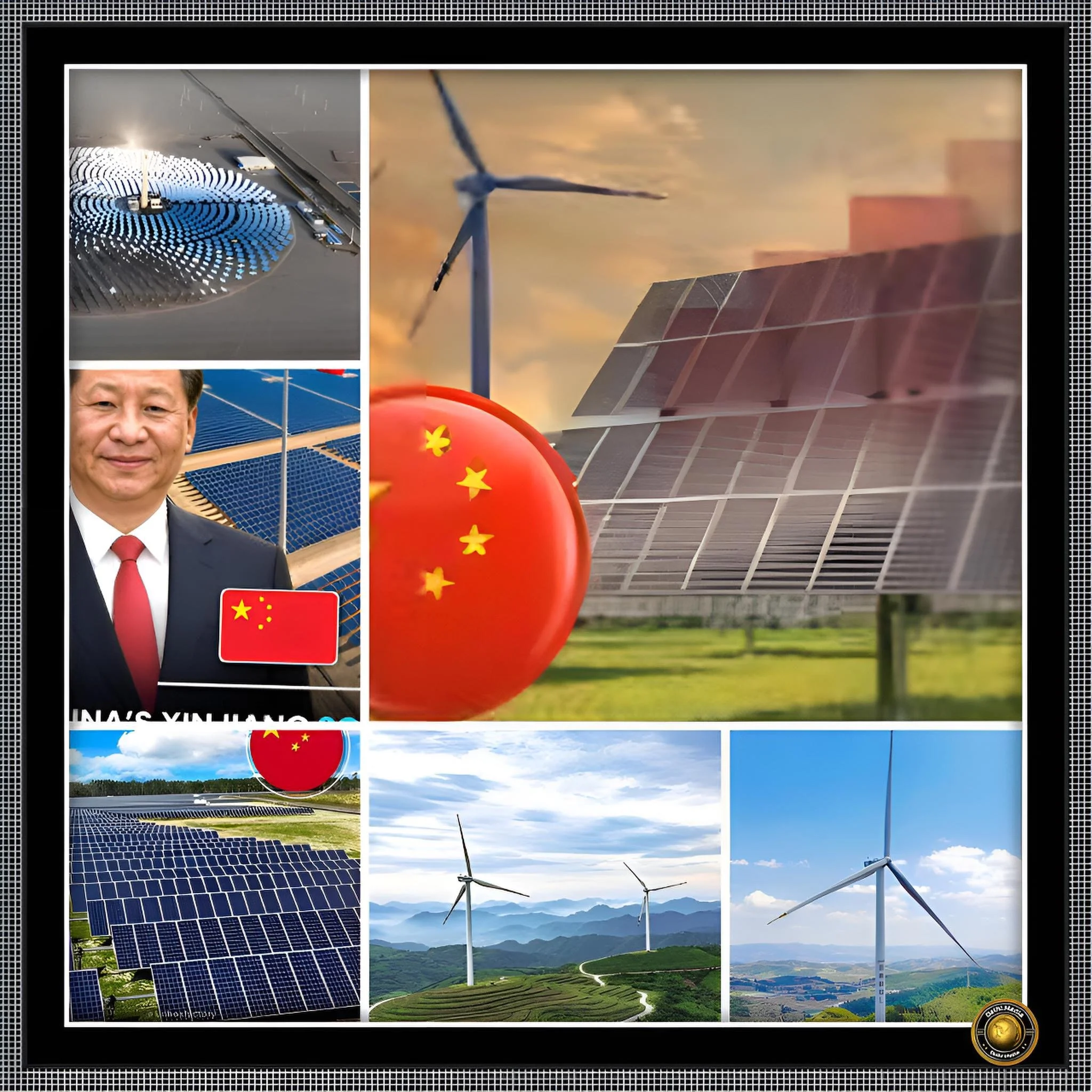
A second major surprise has been the dramatic reorientation of Trump’s foreign policy toward the Western Hemisphere, effectively moving China from the center of his geopolitical strategy to a secondary concern.
Rather than emphasizing global competition with China, Trump has made Latin America, immigration, and hemispheric dominance his primary foreign policy focus.
This represents a shift comparable to a reimagined Monroe Doctrine—a determination to reassert exclusive American influence in the Western Hemisphere and exclude Chinese economic and strategic penetration of the region.
This hemispheric reorientation extends beyond rhetoric to concrete actions.
The administration has executed “maximum-pressure campaigns” against authoritarian regimes like Venezuela, Cuba, and Nicaragua, while squeezing Chinese influence through bans on Chinese telecom companies like Huawei and ZTE from critical infrastructure projects. It has also pursued aggressive diplomacy with regional partners, including increased military aid and joint exercises.
Trump has repeatedly insisted on controlling or gaining influence over strategic geographic assets such as Greenland, Canada, and the Panama Canal—geographic pivots that demonstrate the depth of this strategic shift.
A draft National Defense Strategy released in September 2025 further confirmed this pivot, emphasizing “homeland security and the security of the Western Hemisphere above great-power competition,” a significant departure from prior focus on global rivalry with China.
The administration’s focus on combating drug trafficking and migration from the Western Hemisphere has led to the militarization of border regions.
Trump authorized targeted military strikes against alleged drug trafficking organizations operating in Latin America, treating the region more as a law enforcement theater rather than engaging in diplomatic partnership.
Congressional Abdication
The third major surprise—and arguably the most constitutionally consequential—has been Congress’s extraordinary abdication of its constitutional powers and responsibilities.
The legislative branch has effectively withdrawn from foreign policy, national security, and economic decision-making, granting Trump what amounts to a political blank check.
This development has shocked even scholars of presidential power.
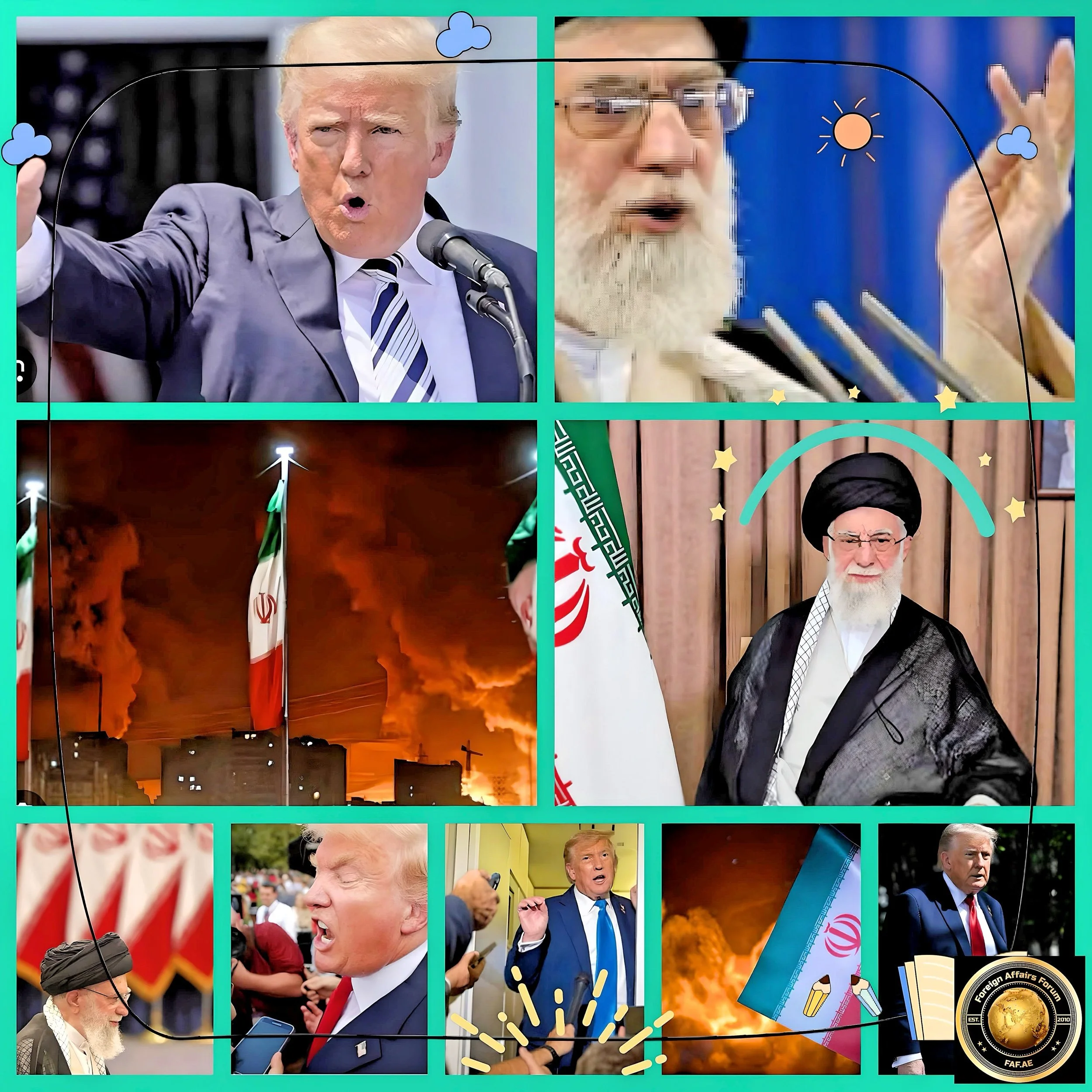
Trump has unilaterally conducted military operations against Iran, including significant airstrikes on nuclear facilities at Fordow, Natanz, and Isfahan, without prior consultation with Congress or any existing statutory authorization.
When Senator Tim Kaine introduced a war powers resolution requiring congressional approval for further military action against Iran, the Senate defeated it 53-47, and the House declined even to bring it to a vote, effectively post-facto ratifying unilateral military actions.
This pattern extends across multiple domains: the imposition of tariffs widely viewed as exceeding presidential authority under current law, the freezing of federal appropriations without congressional approval, and the deployment of military forces domestically without proper legislative oversight.
Republican dominance of both chambers and the decision by GOP leaders to treat themselves as “a de facto extension of the executive branch” has facilitated this process.
The power of the purse—constitutionally vested in Congress—has been effectively seized by the executive through strategic spending freezes, withholding appropriated funds, and asserting sweeping Article II powers.
Courts have even ruled many of Trump’s tariffs illegal or unconstitutional; however, Congress has largely refrained from reasserting its authority through legislation.
This congressional passivity represents a profound constitutional shift, effectively eroding the system of checks and balances.
As the late Senator Robert Byrd warned before his death, the decline of legislative authority mirrors the decline of Rome’s Senate before the republic’s fall.
Without a functioning Congress to check executive power, the American constitutional system — originally designed with a separation of powers — has been fundamentally altered.
Conclusion
Implications and Future Precedent
The significance of these developments lies partly in their unprecedented scope and partly in the dangerous precedents they set for future administrations.
When Democratic presidents return to power, as they inevitably will, they will inherit the expanded presidential authorities Trump has claimed, the demonstrated willingness to deploy military forces domestically, and the acceptance by Congress of executive dominance.
The pendulum may swing, but the baseline of presidential power has been permanently reset.
The combination of these three surprising developments—domestic military deployment, hemispheric reorientation, and congressional capitulation—suggests that Trump’s second term will produce enduring structural changes to American governance, not merely policy shifts.
The constitutional balance between the branches has tilted decisively toward the executive, civil-military norms have been breached in ways that may prove difficult to repair, and America’s global role has been fundamentally reimagined around regional dominance rather than global alliance leadership.
Whether these changes prove temporary or permanent will depend significantly on how future administrations and a reconstituted Congress choose to respond.